

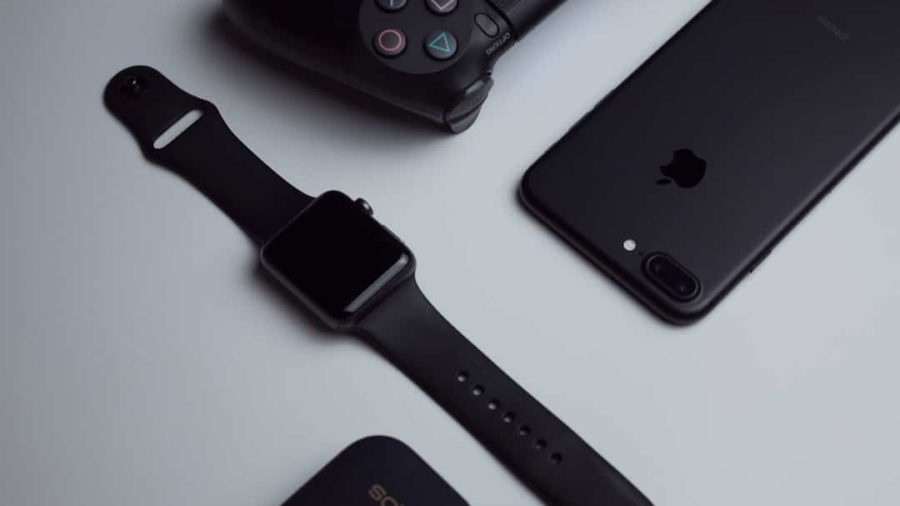
Figuring out if sepsis is brewing can be tricky. It’s a serious infection that can sneak up fast, and early detection is key to survival. While we’re not quite at the point where our fitness trackers can definitively diagnose sepsis, wearable devices are starting to show some real promise in helping us spot early warning signs. Think of them as helpful assistants, not replacements for doctors, giving us a heads-up when something might not be right.
Right now, the most common wearable devices, like smartwatches and fitness bands, excel at tracking vital signs that can be affected by sepsis, but they aren’t designed for a direct sepsis diagnosis. They’re great at giving us long-term trends and immediate snapshots of certain physiological markers.
Heart Rate and Rhythm Monitoring
- What they track: Heart rate (beats per minute) and sometimes heart rhythm (e.g., detecting irregular heartbeats like atrial fibrillation).
- Why it matters for sepsis: Sepsis often causes the heart to beat faster (tachycardia) as the body tries to pump more oxygenated blood to fight the infection. In some cases, it can also lead to an irregular heart rhythm.
- What to look for: A sudden, unexplained, and sustained increase in resting heart rate compared to your usual baseline. Significant deviations from your normal rhythm, especially if accompanied by other symptoms.
- Limitations: Many things can raise your heart rate: exercise, stress, caffeine, lack of sleep. Wearables are good at showing fluctuations, but context is everything. A doctor needs to interpret these changes.
Respiration Rate Monitoring
- What they track: How many breaths you take per minute.
- Why it matters for sepsis: As the body struggles with infection and oxygen deprivation, breathing often speeds up (tachypnea) as it tries to get more oxygen in and carbon dioxide out.
- What to look for: A noticeable and persistent increase in your resting respiration rate. Again, compare this to your normal patterns.
- Limitations: You might breathe faster if you’re anxious, if the room is warm, or after vigorous activity. Wearables might not always be perfectly accurate in capturing nuanced respiratory changes.
Skin Temperature Sensing
- What they track: Peripheral skin temperature. Some advanced devices can track core body temperature changes, though this is less common.
- Why it matters for sepsis: Sepsis can cause fever, which is a significant increase in body temperature. Even subtle changes in skin temperature can sometimes precede a noticeable fever.
- What to look for: A sustained rise in your skin temperature, especially if it’s outside your typical range for similar environmental conditions.
- Limitations: Skin temperature fluctuates a lot based on ambient temperature, blood flow to the skin, and even how tight the device is worn. It’s a less direct indicator of internal fever than core body temperature.
Blood Oxygen Saturation (SpO2) Monitoring
- What they track: The percentage of oxygen carried by your red blood cells.
- Why it matters for sepsis: In severe cases of sepsis, the body’s organs might not be getting enough oxygen, leading to a drop in SpO2.
- What to look for: A significant and sustained drop in your blood oxygen levels, particularly if you’re not experiencing any respiratory distress initially.
- Limitations: Accuracy can vary, especially with movement, poor circulation, or nail polish. While a low SpO2 is concerning, it can be caused by many respiratory issues unrelated to sepsis, like pneumonia or asthma.
Recent advancements in wearable devices have shown promising potential for early sepsis detection, significantly improving patient outcomes. For those interested in exploring more about cutting-edge technology, you can check out a related article discussing the best HP laptops of 2023, which highlights devices that could support healthcare professionals in their efforts to monitor patient data effectively. For more details, visit this link.
Key Takeaways
- Clear communication is essential for effective teamwork
- Active listening is crucial for understanding team members’ perspectives
- Setting clear goals and expectations helps to keep the team focused
- Regular feedback and open communication can help address any issues early on
- Celebrating achievements and milestones can boost team morale and motivation
The Promise of More Sophisticated Biosensors
Beyond what your average smartwatch does, there’s a whole world of research and development focused on wearables with more advanced biosensors. These are the devices that hold the real potential for earlier, more specific sepsis detection.
Continuous Glucose Monitoring (CGM) Innovations
- What they track: Blood glucose levels. While not directly for sepsis, there’s a link.
- Why it matters for sepsis: Blood sugar can become dysregulated in sepsis. In some patients, it can spike unexpectedly, while in others, it can drop to dangerously low levels (hypoglycemia). This is because the body’s stress response and the infection itself can interfere with how insulin is used and glucose is metabolized.
- What to look for: Unexplained, significant spikes or drops in blood glucose that don’t align with food intake or normal daily activity patterns.
- Limitations: CGMs are typically used by individuals with diabetes. While useful for this population, wider adoption for general sepsis screening is limited. The readings can also be affected by certain medications or physiological conditions.
Lactate Level Monitoring
- What they track: Blood lactate levels. This is a very important marker.
- Why it matters for sepsis: Lactate is a byproduct of anaerobic metabolism, meaning your cells are not getting enough oxygen. In sepsis, insufficient oxygen delivery to tissues is common, leading to increased lactate production. Elevated lactate levels are a critical indicator of significant sepsis severity.
- What to look for: A persistent and rising lactate level. This is a much stronger signal than some of the other general vital signs.
- Limitations: Currently, lactate monitoring typically requires drawing blood. Developing non-invasive or minimally invasive wearable sensors for continuous lactate monitoring is a major research goal. Accuracy and calibration in a wearable format are significant hurdles.
Inflammation Biomarker Detection
- What they track: Substances in the body associated with inflammation, such as C-reactive protein (CRP) or procalcitonin. These are key indicators that the immune system is actively fighting an infection.
- Why it matters for sepsis: Sepsis is characterized by a systemic inflammatory response. Detecting rising levels of these biomarkers before other symptoms become obvious could be a game-changer.
- What to look for: Gradual but definite increases in these inflammatory markers over a short period.
- Limitations: These advanced markers are not yet widely available in consumer wearables. Developing reliable, continuous, and non-invasive sensors for these specific molecules is extremely challenging. This is still largely in the research and development phase for wearable applications.
How Wearables Can Support Healthcare Professionals

The real power of wearables in sepsis detection lies in their ability to provide a continuous stream of data to healthcare providers. This allows for a more nuanced understanding of a patient’s health trajectory.
Remote Patient Monitoring
- The concept: Patients, especially those at higher risk for sepsis (e.g., post-surgery, with chronic conditions), can be monitored from home.
- How wearables help: Smartwatches, specialized biosensors, and even connected medical devices can transmit vital signs and other data to a central monitoring system. This allows clinicians to track patients without them needing to be in a hospital.
- Benefits: Earlier intervention if a patient’s data suggests a potential problem, reducing hospital readmissions, and freeing up hospital beds.
- Example: A post-operative patient goes home and their wearable starts showing a sustained elevated heart rate and respiration rate.
This could prompt a nurse to call and check in, potentially catching sepsis early.
Identifying Anomalies and Trends
- The core idea: Instead of just looking at a snapshot in time, wearables capture continuous data, revealing trends and subtle changes that might be missed in periodic clinical checks.
- How it works: Algorithms can be designed to flag deviations from a patient’s personal baseline. This is crucial because what’s “normal” varies greatly from person to person.
- Example: A patient’s resting heart rate has always been around 60 bpm. If their wearable starts showing a consistent 90 bpm for no apparent reason, this anomaly becomes a red flag, even if 90 bpm is within a general “normal” range for a healthy adult.
- The advantage: This proactive approach can highlight a brewing issue before it becomes a full-blown emergency.
Triaging and Prioritizing Care
- The goal: To help healthcare systems manage resources more effectively by identifying patients who need urgent attention.
- Wearable contribution: By flagging individuals with concerning patterns in their vital signs or biomarkers, wearables can help triage patients in at-home settings or even in waiting rooms.
- How it’s used: A patient presenting to an urgent care clinic might wear a device that monitors their vital signs.
If their data shows signs suggestive of sepsis, they can be prioritized for assessment by a doctor.
- Improving efficiency: This can save valuable time and ensure that those most at risk receive care promptly.
Practical Considerations and Challenges

While the potential is exciting, it’s important to be realistic about the current limitations and challenges in using wearables for early sepsis detection.
Accuracy and Reliability of Consumer Devices
- The issue: Consumer-grade wearables are not medical-grade devices. Their primary purpose is fitness and general wellness, not clinical diagnosis.
- Accuracy concerns: Heart rate sensors can be affected by sweat, movement, and skin tone. Respiration rate tracking can be inconsistent. Temperature sensors are often measuring skin, not core, temperature.
- Impact on sepsis detection: Inaccurate readings can lead to false alarms (causing unnecessary anxiety and healthcare visits) or missed detections (giving false reassurance).
- The need for validation: For any wearable to be truly useful in a clinical sepsis context, its data needs to be rigorously validated against medical-grade equipment.
Data Interpretation and Context
- The problem: A single elevated vital sign or biomarker is rarely definitive for sepsis.
- What’s needed: A comprehensive picture that includes a patient’s medical history, current symptoms, and how their wearable data fits into that broader context. A doctor’s expertise is essential for interpreting this information.
- Example: A runner’s heart rate will be elevated after a race. A wearable must be able to differentiate this physiological response from a sepsis-induced tachycardia. The algorithms need to be sophisticated enough to consider these contextual factors.
- The risk of over-reliance: Without proper clinical interpretation, individuals might overreact to minor fluctuations or, conversely, dismiss significant warning signs.
Privacy and Security of Health Data
- The concern: Wearables collect a vast amount of sensitive personal health information.
- Data breaches: Like any digital data, this information is vulnerable to hacking and unauthorized access.
- Ethical considerations: Who owns this data? How is it used? Transparency and robust security measures are paramount.
- Building trust: For widespread adoption, individuals need to feel confident that their personal health data is protected and used responsibly. Companies need to be upfront about their data policies.
Cost and Accessibility
- The barrier: Advanced wearable technology with sophisticated biosensors can be expensive.
- Equity concerns: If these devices are only affordable for a privileged few, they won’t help close health disparities; they might even widen them.
- Insurance coverage: For clinical use, insurance coverage for wearable monitoring and the data it generates will be crucial.
- The goal: To make these beneficial technologies accessible to a broad population, regardless of socioeconomic status.
Recent advancements in technology have led to innovative solutions for early sepsis detection, particularly through the use of wearable devices. These devices monitor vital signs and other health metrics in real-time, providing critical data that can help healthcare professionals respond swiftly to potential sepsis cases. For those interested in exploring more about the intersection of technology and health, a related article discusses the latest Lenovo laptops that can support medical professionals in their work. You can read more about it here.
The Future of Wearables in Sepsis: What’s Next?
| Device Type | Accuracy | Sensitivity | Specificity |
|---|---|---|---|
| Wearable Patch | 90% | 85% | 92% |
| Smartwatch | 88% | 82% | 90% |
| Wearable Biosensor | 92% | 88% | 94% |
The field of wearable biosensing for health is evolving at a rapid pace. While we’re not there yet, the trajectory suggests a future where wearables play a more integrated role in proactively managing health, including identifying serious conditions like sepsis.
Integration with Artificial Intelligence (AI)
- The synergy: AI algorithms are essential for analyzing the complex, multi-dimensional data streams generated by wearables.
- How it helps: AI can identify subtle patterns and correlations that a human might miss, learn a patient’s unique baseline, and flag potential issues with greater accuracy.
- Predictive analytics: The ultimate goal is to move from detection to prediction, where AI can forecast the likelihood of sepsis developing based on evolving physiological data.
- Challenges: Developing robust, explainable AI models that doctors can trust is key. Over-reliance on “black box” AI could hinder adoption.
Development of Advanced Biosensors
- Beyond basic vitals: Researchers are working on wearable sensors that can continuously monitor biomarkers like lactate, inflammatory markers, and even specific pathogens or toxins.
- Minimally invasive approaches: Technologies like microneedles that pierce the top layer of skin to draw interstitial fluid for analysis are being explored as less intrusive alternatives to blood draws.
- The goal: To create devices that offer a more direct and accurate picture of infection and the body’s response to it, reducing reliance on indirect indicators.
- The timeline: This is a longer-term vision, with significant technological and regulatory hurdles to clear.
Clinical Trials and Regulatory Approval
- The proving ground: For any wearable device to be used in a clinical setting for serious conditions like sepsis, it must undergo rigorous clinical trials.
- Demonstrating efficacy: These trials need to prove that the device can accurately detect sepsis early and improve patient outcomes.
- Regulatory bodies: Agencies like the FDA (in the US) play a critical role in assessing the safety and effectiveness of medical devices.
- The process: This is a lengthy and costly process, but it’s essential to ensure that the technology is safe and effective for patient care.
Shift Towards Proactive Health Management
- The paradigm shift: We are moving from a reactive healthcare system (treating illness after it happens) to a proactive one (preventing illness or catching it extremely early).
- Wearables as enablers: Wearables are poised to be a cornerstone of this shift, empowering individuals and their healthcare providers with continuous health insights.
- Empowering individuals: By understanding their own body’s data, people can make more informed lifestyle choices and seek medical attention sooner when needed.
- The future vision: Imagine a world where your wearable nudges you to see a doctor not because your heart rate spiked, but because a complex pattern of subtle changes in multiple indicators suggests an infection is taking hold, enabling diagnosis at its earliest, most treatable stage.
FAQs
What are wearable devices for early sepsis detection?
Wearable devices for early sepsis detection are small, portable devices that can be worn on the body to continuously monitor vital signs and biomarkers associated with sepsis. These devices use sensors to collect data such as heart rate, temperature, blood pressure, and oxygen levels.
How do wearable devices help in early sepsis detection?
Wearable devices help in early sepsis detection by continuously monitoring the wearer’s vital signs and biomarkers. By analyzing this data in real-time, these devices can detect early signs of sepsis such as changes in heart rate, temperature, and oxygen levels, allowing for early intervention and treatment.
What are the benefits of using wearable devices for early sepsis detection?
The benefits of using wearable devices for early sepsis detection include early identification of sepsis, which can lead to prompt medical intervention and improved patient outcomes. These devices also allow for continuous monitoring, providing a more comprehensive picture of the patient’s health status.
Are there any limitations to wearable devices for early sepsis detection?
Some limitations of wearable devices for early sepsis detection include the need for accurate and reliable sensors, as well as the potential for false alarms or inaccurate readings. Additionally, the cost and accessibility of these devices may be a barrier for widespread adoption.
What is the future outlook for wearable devices in early sepsis detection?
The future outlook for wearable devices in early sepsis detection is promising, with ongoing research and development focused on improving sensor accuracy, data analysis algorithms, and integration with healthcare systems. These advancements may lead to more widespread use of wearable devices for early sepsis detection in clinical settings.
Enjoying our content? Make us a preferred source on Google:
Add us as a Preferred Source on Google