

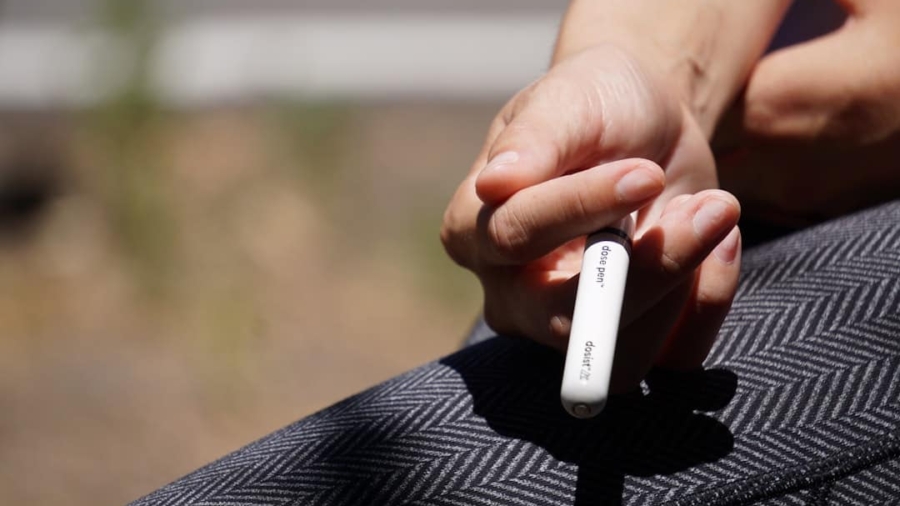
Wearable biosensors are a pretty big deal these days, and for good reason: they offer a way to keep an eye on your vital signs around the clock without you having to lift a finger (well, almost). Think of them as tiny, personal health monitoring stations strapped to your body. Instead of just getting a snapshot of your health during a doctor’s visit, these devices provide a continuous stream of data, giving a much more comprehensive picture of what’s going on inside you. This ongoing data can be incredibly useful, not just for catching problems early but also for understanding your body’s patterns and how it responds to daily life, exercise, and even stress.
When we say “wearable biosensors,” we’re talking about a broad category of devices that can detect, record, and transmit biological signals from your body. These aren’t just your run-of-the-mill fitness trackers, though some certainly perform biosensing functions. We’re looking at more advanced tech designed specifically to monitor key physiological parameters in real-time or near real-time.
From Simple to Sophisticated
The spectrum of these devices is wide. On one end, you have common consumer wearables like smartwatches that measure heart rate and sometimes blood oxygen. Then, you move into more specialized medical-grade patches, rings, and even smart fabrics that can track a wider array of biomarkers with greater accuracy. The key is their ability to gather data passively as you go about your day.
The “Bio” in Biosensor
The “bio” part means they’re interacting directly with your biological systems. This could be through electrodes on your skin to measure electrical activity (like an ECG), optical sensors to detect changes in blood flow (for heart rate or SpO2), or even miniature chemical sensors to analyze sweat for things like glucose or lactate. It’s truly fascinating how much information we can now glean from non-invasive methods.
Wearable biosensors for continuous vital sign monitoring are revolutionizing healthcare by providing real-time data that can enhance patient outcomes. For those interested in exploring the technological advancements in this field, a related article discussing the best VPS hosting providers in 2023 can be found at this link. This resource highlights the importance of reliable hosting solutions that can support the data management needs of innovative health technologies like wearable biosensors.
Key Takeaways
- Clear communication is essential for effective teamwork
- Active listening is crucial for understanding team members’ perspectives
- Conflict resolution skills are necessary for managing disagreements
- Trust and respect are the foundation of a successful team
- Collaboration and cooperation are key for achieving common goals
Why Continuous Monitoring Matters
Imagine knowing your blood pressure is creeping up before it becomes a significant issue, or understanding how your sleep patterns directly impact your stress levels. That’s the power of continuous monitoring. It moves us away from reactive healthcare – treating things after they’ve gone wrong – towards a more proactive, personalized approach.
Early Detection of Health Issues
This is a major benefit. Many chronic conditions, like hypertension or certain arrhythmias, can be asymptomatic in their early stages. Continuous monitoring can flag subtle changes that might otherwise go unnoticed, prompting earlier intervention and potentially preventing more serious complications down the line. It’s like having an early warning system for your body.
Personalized Health Insights
We’re all unique, and our bodies respond differently to various stimuli. What’s normal for one person might be concerning for another. Continuous data allows for the creation of a personalized baseline. When your readings deviate from your normal, it’s a stronger indicator that something might be amiss, rather than just comparing you to population averages.
Optimizing Performance and Recovery
Beyond illness, these sensors are a godsend for athletes and anyone looking to optimize their physical performance. Tracking heart rate variability, sleep quality, and even sweat electrolytes can provide critical insights into recovery status and readiness for training, helping to prevent overtraining and injury.
What Vital Signs Can They Monitor?

The list of vital signs and biomarkers that wearable sensors can track is growing constantly. Here are some of the most common and impactful ones.
Heart Rate and Heart Rate Variability (HRV)
- Heart Rate: This is arguably the most common vital sign tracked by wearables. It’s measured using photoplethysmography (PPG), which uses light to detect changes in blood volume under the skin.
Simple to understand – how many times your heart beats per minute.
- Heart Rate Variability (HRV): This is a more nuanced metric. It measures the variation in time between each heartbeat. A higher HRV generally indicates a more adaptable nervous system and better recovery, while a lower HRV can suggest stress or overtraining.
It’s a powerful indicator of overall physiological stress and recovery.
Blood Oxygen Saturation (SpO2)
This measures the percentage of hemoglobin in your red blood cells that is carrying oxygen. It’s important for assessing respiratory function and can be indicative of conditions like sleep apnea or respiratory illness. Again, PPG technology is often used, but with different light wavelengths.
Blood Pressure
This is a trickier one for continuous, cuffless monitoring, but significant progress is being made.
- Current Approaches: Some smartwatches offer spot checks using optical sensors combined with algorithms, but these often require calibration with a traditional cuff.
Other, more specialized patches or rings are exploring techniques like pulse wave analysis or bioimpedance to estimate blood pressure more consistently.
- Challenges: The dynamic nature of blood pressure and the need for high accuracy make continuous, calibration-free measurement a significant engineering challenge, but one that researchers are actively tackling.
Body Temperature
While simple thermometers give a snapshot, continuous body temperature monitoring can reveal patterns.
- Skin Temperature: Most wearables measure skin temperature, which can fluctuate based on environment and blood flow. It’s useful for tracking circadian rhythms, fever detection, and even sleep quality.
- Core Body Temperature: Measuring core body temperature continuously is much harder without invasive sensors, but some advanced patches are attempting to estimate it more accurately from the skin.
Electrocardiogram (ECG/EKG)
Many smartwatches now feature a single-lead ECG function, allowing users to take an on-demand reading.
- Arrhythmia Detection: This can be instrumental in detecting abnormalities in heart rhythm, such as atrial fibrillation (Afib), which is a common and often undiagnosed condition.
- Diagnostic Aid: While not a substitute for a full 12-lead ECG in a clinical setting, these personal ECGs can provide valuable data to share with a physician, potentially leading to earlier diagnosis and treatment.
Respiration Rate
This is often derived from other sensor data, such as heart rate variability or movement. Changes in breathing patterns can indicate stress, sleep disturbances, or respiratory issues.
Some advanced patches use accelerometer data to infer breathing movements.
Sweat Analysis
This is an emerging field with huge potential.
- Electrolytes: Sensors can analyze sweat for levels of sodium, potassium, and chloride, which is particularly useful for athletes to monitor hydration and prevent electrolyte imbalances during intense exercise.
- Glucose: For diabetics, a holy grail is non-invasive, continuous glucose monitoring. While still an active area of research for sweat-based systems, some prototypes are showing promise, aiming to provide a less intrusive alternative to traditional blood measurements.
- Lactate: Useful for athletes to assess training intensity and recovery.
The Technology Underneath It All

So, how do these tiny devices actually pull off all this monitoring? It’s a blend of clever sensor design, advanced signal processing, and often, machine learning.
Optical Sensors (PPG)
- How it Works: These use light-emitting diodes (LEDs) to shine light into the skin and photodiodes to measure the light reflected or transmitted back. Blood absorbs light differently depending on its oxygenation and volume.
- Applications: Primarily used for heart rate, heart rate variability, and blood oxygen saturation (SpO2). The green light is common for heart rate, while red and infrared light are used for SpO2.
- Innovations: Miniaturization and improved algorithms help filter out noise from movement, which has historically been a challenge for accuracy.
Electrical Sensors (Electrodes)
- How it Works: These detect the tiny electrical signals generated by your body’s physiological processes. Think of sticky pads on your chest for a traditional ECG, but shrunk down onto a wearable device.
- Applications: Most commonly for ECG/EKG to measure cardiac electrical activity. Bioimpedance, which measures the body’s opposition to electrical current, is also used for things like body composition analysis and potentially even blood pressure estimation by monitoring changes in blood volume.
- Challenges: Skin contact quality is crucial. Dry skin or poor placement can lead to noisy or inaccurate readings.
Accelerometers and Gyroscopes
| Metrics | Value |
|---|---|
| Heart Rate Monitoring | Yes |
| Blood Pressure Monitoring | Yes |
| Body Temperature Monitoring | Yes |
| Respiration Rate Monitoring | Yes |
| Activity Tracking | Yes |
- How it Works: These motion sensors detect movement, orientation, and gravity.
- Applications: Beyond just step counting, they’re vital for sleep tracking (identifying different sleep stages based on movement), fall detection, activity level monitoring, and even helping to filter out motion artifacts from other sensor readings. Some devices can even infer respiration rate from subtle chest movements.
Microfluidics and Chemical Sensors
- How it Works: This is where the magic of sweat analysis happens. Tiny channels and chambers collect sweat, and embedded chemical coatings or electrochemical sensors react with specific analytes (like glucose or electrolytes) to produce a measurable electrical signal.
- Applications: Real-time sweat analysis for hydration, electrolyte balance, pH, and potentially glucose or lactate.
- Development Stage: While some commercial products exist for specific analytes (like sweat sodium), non-invasive continuous glucose monitoring via sweat is still largely in research and development.
Signal Processing and AI
- The Brains of the Operation: Raw sensor data is often noisy and requires significant processing to extract meaningful information. Algorithms filter out artifacts, identify patterns, and convert raw signals into interpretable vital signs.
- Machine Learning: AI is increasingly used to improve accuracy, personalize baselines, predict future health events, and even interpret complex patterns that humans might miss. For example, AI can learn your individual heart rate patterns during different activities to refine its analysis of what’s “normal” for you.
Recent advancements in wearable biosensors for continuous vital sign monitoring have opened new avenues for health management and disease prevention. A related article discusses the integration of these technologies into everyday life, highlighting their potential to revolutionize patient care. For more insights on this topic, you can explore the article at this link, which delves into the future of health monitoring and the implications of real-time data collection.
Accuracy, Reliability, and Data Security
While the promise of wearable biosensors is immense, it’s crucial to address the practicalities of their accuracy, reliability, and the very important issue of data security.
Understanding Accuracy Levels
Not all wearables are created equal. Consumer-grade devices, while convenient, may not offer the same level of accuracy as medical-grade devices which undergo rigorous testing and regulatory approval.
- “Good Enough” vs. “Medical Grade”: For general wellness tracking or trend identification, consumer devices are often “good enough.” However, for critical medical decisions, FDA-cleared or equivalent regulatory approval is paramount. Always check the specifications and intended use of any device.
- Factors Affecting Accuracy: Skin tone, hair, movement, device fit, and even environmental factors can influence readings. It’s smart to calibrate devices when possible and be aware of their limitations.
Reliability in Daily Use
How well do these devices hold up to everyday life?
- Battery Life: Continuous monitoring demands good battery life. Manufacturers are constantly improving this, balancing sensor power needs with device size.
- Durability and Comfort: A device that’s uncomfortable or easily broken won’t be worn consistently. Materials, form factor, and water resistance are key considerations for long-term use.
- Connectivity: Seamless data transmission to smartphones or cloud platforms is essential for continuous monitoring. Reliable Bluetooth or Wi-Fi connections are standard.
The Big Question of Data Security
This is perhaps one of the most critical aspects. Your health data is intensely personal and immensely valuable.
- Privacy Concerns: Who owns your data? How is it stored? Who can access it? These are questions every user should ask. Companies usually have robust privacy policies, but understanding them is important.
- HIPAA and GDPR Compliance: For medical-grade devices and services, adherence to strict data protection regulations like HIPAA in the US or GDPR in Europe is non-negotiable. This ensures your data is handled securely and responsibly.
- Anonymization and Aggregation: Often, data is anonymized and aggregated for research purposes. While this generally reduces individual risk, it’s still part of the broader data ecosystem to be aware of. Always use strong passwords and be cautious about sharing your data with third-party apps unless you trust their security protocols.
The Future Trajectory of Wearable Biosensors
The current state of wearable biosensors is exciting, but what’s coming next is even more so.
The field is innovating at a rapid pace.
Miniaturization and Integration
Expect devices to become even smaller, less obtrusive, and more seamlessly integrated into everyday items. Think smart contact lenses, temporary skin tattoos with embedded sensors, or even fabrics woven with biosensing capabilities that you wouldn’t even notice. The goal is truly invisible monitoring.
Broader Range of Biomarkers
Beyond vital signs, research is pushing toward continuous, non-invasive monitoring of a much wider array of biomarkers.
- Metabolites: Glucose, lactate, uric acid, cortisol (the stress hormone) – imagine personalized insights into your metabolic state and stress response.
- Neurotransmitters: While still very challenging, ultimately, understanding brain chemistry non-invasively could revolutionize mental health monitoring.
- Environmental Toxins: Sensors that can detect exposure to pollutants or allergens in real-time.
Predictive Analytics and AI for Proactive Health
The more data these sensors collect, the more powerful the AI behind them becomes.
- Early Disease Prediction: AI models will become sophisticated enough to detect subtle patterns in your vital signs that precede the onset of certain illnesses, offering a window for early intervention.
- Personalized Interventions: Imagine your wearable not just telling you your stress levels are high, but also suggesting specific, evidence-based coping mechanisms tailored to your historical data and preferences.
- Digital Twins: The concept of creating a “digital twin” of your body, continually updated with real-time biometric data, could allow for highly accurate simulations of how different lifestyle choices or treatments might impact your health.
Closed-Loop Systems
This is a significant advancement where the sensor, data analysis, and an intervention are all integrated.
- Automated Drug Delivery: An existing example is continuous glucose monitors paired with insulin pumps for automated insulin delivery in diabetes management.
- Therapeutic Feedback: Imagine a sensor that detects an anxiety attack starting and automatically triggers a localized electrical stimulation or delivers a calming scent. These are still early concepts, but the potential is vast.
Wearable biosensors are clearly more than just a passing gadget trend. They represent a fundamental shift in how we approach personal health, moving towards a future where continuous, personalized data empowers us to understand our bodies better, catch issues earlier, and ultimately live healthier, more informed lives. As the technology matures and becomes even more accurate, reliable, and secure, these devices will become increasingly integral to our healthcare landscape.
FAQs
What are wearable biosensors?
Wearable biosensors are devices that can be worn on the body to continuously monitor vital signs and other physiological parameters. These sensors are typically non-invasive and can collect data such as heart rate, blood pressure, temperature, and oxygen saturation.
How do wearable biosensors work?
Wearable biosensors work by using various technologies such as optical sensors, accelerometers, and bioimpedance sensors to measure and collect physiological data from the body. This data is then transmitted to a smartphone or other device for real-time monitoring and analysis.
What are the benefits of using wearable biosensors for continuous vital sign monitoring?
The use of wearable biosensors for continuous vital sign monitoring allows for early detection of health issues, personalized healthcare management, and remote patient monitoring. These devices can also provide valuable data for healthcare professionals to make informed decisions about patient care.
What are the limitations of wearable biosensors?
Some limitations of wearable biosensors include accuracy and reliability of the data collected, potential discomfort or inconvenience for the wearer, and concerns about data privacy and security. Additionally, not all wearable biosensors are regulated by health authorities, which can raise questions about their safety and effectiveness.
What is the future of wearable biosensors for continuous vital sign monitoring?
The future of wearable biosensors for continuous vital sign monitoring is promising, with ongoing advancements in sensor technology, data analytics, and integration with healthcare systems. These devices have the potential to revolutionize healthcare by enabling proactive and personalized monitoring of individuals’ health.
Enjoying our content? Make us a preferred source on Google:
Add us as a Preferred Source on Google