

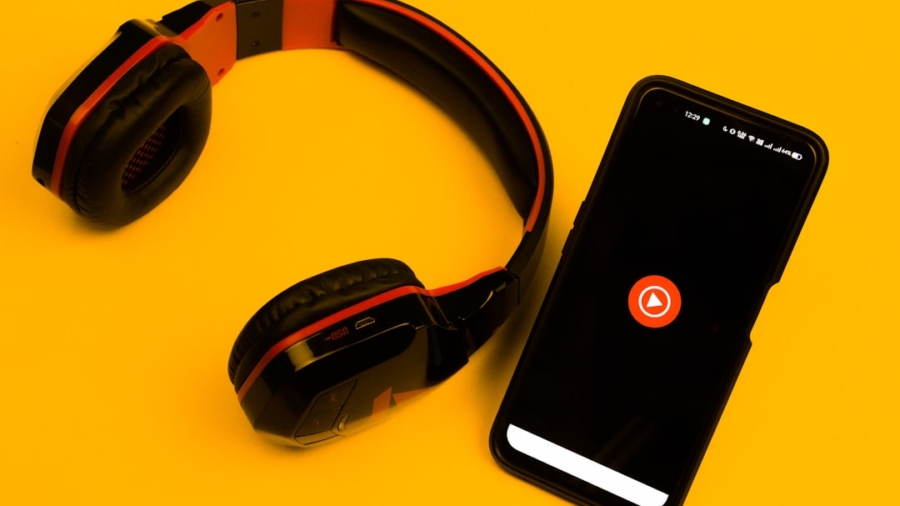
Let’s tackle those Bluetooth headaches right away.
Generally, if your Bluetooth isn’t connecting, the first things to check are whether it’s actually turned on, if your devices are close enough, and if the battery isn’t dead.
Most common issues stem from these simple oversights.
Beyond that, a quick reboot of both devices often does wonders.
Before you dive into anything complex, make sure the basics are covered. It sounds obvious, but you’d be surprised how often this is the culprit.
Check Device Power and Bluetooth Status
- Is the Device Powered On? This might seem silly, but sometimes your headphones or speaker might just be off. Press and hold power buttons. Look for indicator lights.
- Is Bluetooth Enabled? On your phone, tablet, or computer, double-check that Bluetooth is toggled on. It often has a dedicated icon in quick settings or the taskbar. Don’t just assume it stayed on from your last use.
- Battery Levels: Dead batteries kill connections. Make sure both your primary device (phone, laptop) and the accessory (headphones, speaker) have enough juice. Many Bluetooth devices will refuse to pair or maintain a connection when critically low on power.
Proximity and Obstacles
Bluetooth has a limited range. While “30 feet” is often cited, that’s under ideal conditions.
- Get Closer: Bring your devices within a few feet of each other, especially during the initial pairing process.
- Clear the Path: Walls, furniture, and even your own body can interfere with the signal. Try to have a clear line of sight between the two devices.
- Avoid Interference: Other wireless devices, especially those operating on the 2.4 GHz band (like Wi-Fi routers, microwaves, cordless phones), can cause interference. Move away from these if you suspect an issue.
If you’re experiencing difficulties with Bluetooth connectivity, you might find it helpful to explore related topics that can enhance your overall tech experience. For instance, understanding the best software for creating house plans can be beneficial if you’re looking to integrate smart home devices that rely on Bluetooth technology. You can read more about this in the article available at Best Software for House Plans. This resource provides insights that can help you design a more connected and efficient living space.
Key Takeaways
- Clear communication is essential for effective teamwork
- Active listening is crucial for understanding team members’ perspectives
- Setting clear goals and expectations helps to keep the team focused
- Regular feedback and open communication can help address any issues early on
- Celebrating achievements and milestones can boost team morale and motivation
Resetting the Connection (The “Magic Bullet”)
Many Bluetooth problems resolve with a simple reset. Think of it like giving the system a fresh start.
The Good Old On/Off Toggle
- Turn Bluetooth Off and On Again: On your main device (phone, laptop), disable Bluetooth, wait 10-15 seconds, and then re-enable it. This refreshes the Bluetooth module.
- Power Cycle the Accessory: For your headphones, speaker, or other device, turn it completely off, wait a few seconds, and then turn it back on. This clears any temporary glitches.
Reboot Both Devices
- Restart Your Phone/Computer: This is a classic IT troubleshooting step for good reason. A full system reboot can resolve underlying software conflicts or temporary memory issues impacting Bluetooth.
- Restart the Bluetooth Accessory (if possible): Some accessories have a “soft reset” simply by turning them off and on. Others might have a dedicated reset button (often a small pinhole) or a specific button combination to perform a factory reset. Consult the device’s manual for this.
Re-Pairing and Forgetting Devices

Sometimes the existing pairing information gets corrupted. A fresh pairing can fix this.
Forget the Device
- Remove from Paired Devices: On your phone, tablet, or computer, go into your Bluetooth settings. You’ll see a list of previously paired devices.
Find the problematic device, and choose “Forget,” “Unpair,” or “Remove.” This erases the old connection data.
- Why does this help? Sometimes, the stored pairing keys become mismatched or corrupted, leading to connection failures. Forgetting it forces both devices to start from scratch.
Initiate Pairing Again
- Put Accessory in Pairing Mode: This is crucial. Your Bluetooth accessory needs to be actively “listening” for a new connection.
This usually involves pressing and holding a dedicated pairing button until an indicator light flashes (often blue or red/blue alternating). Refer to your device’s manual for specific instructions.
- Scan and Connect: On your primary device, scan for new Bluetooth devices. When your accessory appears in the list, tap or click it to initiate the pairing process.
You might be asked to confirm a passkey (usually 0000 or 1234, but often automatic these days).
Dealing with “Too Many Devices”
- Clear Out Old Pairings: Your phone or computer might maintain a list of many previously connected devices. While this usually doesn’t directly cause connection issues, having a very long list can occasionally slow down the scanning process or lead to confusion. If you have dozens of forgotten devices, it doesn’t hurt to clean up the list.
- Multi-Point Connectivity: Some advanced headphones and speakers support connecting to two devices simultaneously.
If you’re trying to connect your headphones to your phone but they’re already connected to your laptop, you might need to disconnect them from the laptop first.
Software, Drivers, and Updates

Believe it or not, software plays a huge role in hardware functionality. Keeping things current can prevent a lot of headaches.
Update Operating System (OS)
- Check for OS Updates: Whether it’s Android, iOS, Windows, or macOS, operating system updates often include bug fixes and improvements to core functionalities, including Bluetooth drivers and protocols. Ensure your device is running the latest stable version.
- Why is this important? New Bluetooth standards (like Bluetooth 5.0, 5.2, etc.) are constantly emerging. OS updates ensure your device can communicate effectively with newer accessories and has the most stable version of the Bluetooth stack.
Update Drivers (for Computers)
- Check Bluetooth Drivers: On Windows, go to Device Manager, find “Bluetooth,” right-click your Bluetooth adapter, and select “Update driver.” You can also check the manufacturer’s website (e.g., Intel, Realtek, or your laptop’s brand) for the latest drivers.
- What if I can’t find them? If your Bluetooth adapter isn’t showing up or has an error icon, you might need to reinstall the drivers completely. Download the correct driver package from the manufacturer’s support site for your specific model.
Check Device Firmware (for Accessories)
- Look for Firmware Updates: Many modern Bluetooth headphones, speakers, and other accessories have companion apps that allow you to update their firmware. These updates often improve connectivity, battery life, and overall performance.
- How do I do this? Download the manufacturer’s app (e.g., Sony Headphones Connect, Bose Music, JBL Connect). Connect your device via Bluetooth (if you can, otherwise you might need a wired connection for the update), and the app will usually prompt you if an update is available. This is often overlooked but can be a game-changer.
If you’re experiencing difficulties with Bluetooth connectivity, you might find it helpful to explore some of the latest technology trends, such as smartwatches. For instance, a related article discusses the top five smartwatches of 2023, which often rely on seamless Bluetooth connections for optimal performance. You can read more about these innovative devices and their features by visiting the top 5 smartwatches of 2023. Understanding how these gadgets work can provide insights into troubleshooting your connectivity issues effectively.
Deeper Dives and Last Resorts
| Issue | Possible Cause | Solution |
|---|---|---|
| Bluetooth not turning on | Low battery, software glitch | Charge device, restart device |
| Device not pairing | Incorrect pairing process, device compatibility | Follow correct pairing steps, check compatibility |
| Interference or weak connection | Obstacles, distance from device | Move closer, remove obstacles |
| Audio quality issues | Low battery, signal interference | Charge device, move away from interference |
If the simpler steps haven’t worked, it’s time to dig a little deeper or consider other possibilities.
Network Settings Reset
- Reset Network Settings (Phones): On Android and iOS, there’s an option to “Reset Network Settings.” This will clear all Wi-Fi passwords, cellular settings, and, crucially, Bluetooth pairings. It’s often effective when Bluetooth issues are stubborn, as it completely refreshes the communication stack.
- Where to find it:
- iOS: Settings > General > Transfer or Reset iPhone > Reset > Reset Network Settings.
- Android: Settings > System > Reset options > Reset Wi-Fi, mobile & Bluetooth (path may vary slightly).
Check for Hardware Failure
- Test with Another Device: Try pairing your problematic Bluetooth accessory with a different phone or computer. If it connects fine elsewhere, the issue is likely with your primary device’s Bluetooth module.
- Test with Another Accessory: Try pairing a different Bluetooth accessory with your primary device. If other accessories connect without issue, the problem is likely with the original problematic accessory.
- Physical Damage: Has either device been dropped, exposed to water, or experienced any physical trauma? External damage can affect internal components, including the Bluetooth chip or antenna. If you suspect this, professional repair might be necessary.
- Intermittent Connection: If you can connect but the connection keeps dropping, it might point to a weaker signal (due to distance or interference) or a failing Bluetooth module/antenna in one of the devices.
System Scan
- Run a Malware Scan: While less common for direct Bluetooth issues, malware can sometimes interfere with system processes and drivers. A good anti-malware scan is always a sensible step if you’re experiencing general system instability.
- Check Event Viewer (Windows): For Windows users, the Event Viewer (search for it in the Start Menu) can sometimes provide clues. Look under “Windows Logs” > “System” for any errors or warnings related to Bluetooth services when you try to connect. This is more for advanced users but can pinpoint driver crashes or service failures.
Troubleshooting Bluetooth can sometimes feel like chasing ghosts, but by working through these steps methodically, you’ll usually pinpoint and solve the problem. Most issues are minor, just requiring a few toggles and reboots. Don’t be afraid to consult your device’s manual, those paper or digital guides often hold the key to specific reset procedures for your exact model.
FAQs
What are common Bluetooth connectivity issues?
Common Bluetooth connectivity issues include pairing problems, connection drops, audio quality issues, and interference from other devices.
How can I troubleshoot Bluetooth connectivity issues?
You can troubleshoot Bluetooth connectivity issues by ensuring that your devices are within range, checking for interference from other devices, updating your device’s software, and resetting your Bluetooth connection.
What are some tips for improving Bluetooth connectivity?
Some tips for improving Bluetooth connectivity include keeping your devices updated, reducing the number of active Bluetooth devices in the area, and ensuring that there are no physical obstructions between the connected devices.
Why does Bluetooth connection drop frequently?
Bluetooth connection can drop frequently due to interference from other devices, low battery levels, outdated software, or physical obstructions between the connected devices.
How can I prevent Bluetooth connectivity issues in the future?
You can prevent Bluetooth connectivity issues in the future by keeping your devices updated, minimizing interference from other devices, and ensuring that your devices are within the recommended range for Bluetooth connectivity.
Enjoying our content? Make us a preferred source on Google:
Add us as a Preferred Source on Google