

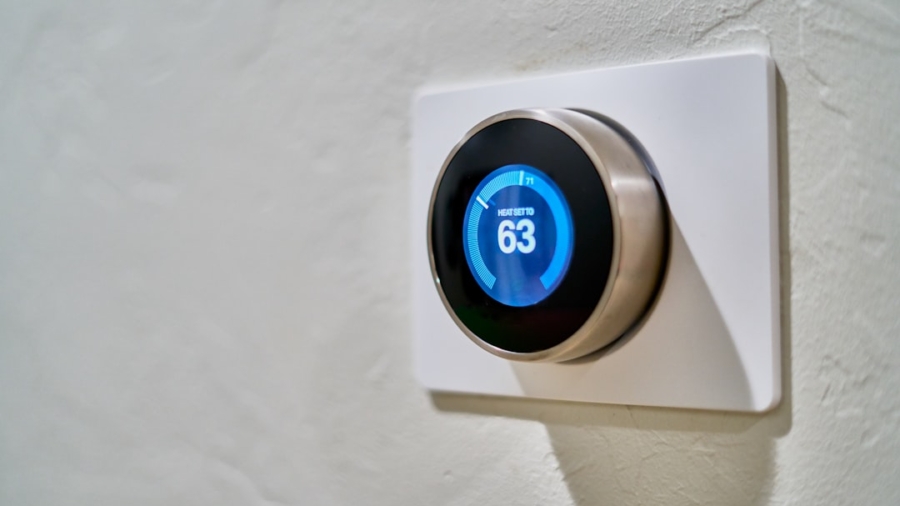
You’re probably wondering if it’s actually possible to automate your home’s climate control based on who’s actually in the room. The short answer is a resounding yes, and it’s becoming more accessible than you might think. Forget manually adjusting thermostats or constantly wondering if you’re wasting energy heating or cooling empty spaces. This isn’t sci-fi anymore; it’s about using smart technology to make your home more comfortable and, importantly, more efficient.
When we talk about automating climate control based on real-time occupancy tracking, we’re essentially talking about a system that knows where people are in your house and when. It then uses that information to adjust your heating, ventilation, and air conditioning (HVAC) system accordingly. Instead of a thermostat at the central hub of your home dictating the temperature for every single zone, sensors tell your system to focus its efforts on areas that are actually being used. This might sound like a small change, but the potential impact on comfort and energy savings is significant.
The core idea is simple: why heat or cool a room that no one is in? This is where the “real-time occupancy tracking” comes into play. It provides the intelligence for your automated system, allowing it to respond dynamically to your household’s actual presence, not just a predetermined schedule. This is a move away from the one-size-fits-all approach to a more nuanced, responsive, and ultimately, smarter way to manage your home’s environment.
How It Works: The Tech Behind the Scenes
At its heart, automating climate control with occupancy tracking relies on a combination of hardware and software. It’s not just one magical device; it’s a system that works together.
Sensor Technologies: The Eyes and Ears of Your System
The foundation of any occupancy tracking system is its sensors. These are the devices that detect whether a room is occupied. There are several common types, each with its own strengths and weaknesses, and many modern systems use a combination to ensure reliability.
Passive Infrared (PIR) Sensors
These are probably the most common type of motion sensor you’ll encounter. They work by detecting changes in infrared radiation. When a warm body (like a person) moves into or within the sensor’s field of view, they emit heat, and the PIR sensor picks up this change.
- Pros: They are generally inexpensive, low power, and have a good range of detection. They’re also fairly unobtrusive.
- Cons: They can be triggered by other heat sources, like sunlight streaming through a window or a pet moving around. They also primarily detect motion, so a person sitting perfectly still for an extended period might eventually be missed, depending on the sensor’s sensitivity and configuration.
Ultrasonic Sensors
Ultrasonic sensors emit sound waves and then listen for the echoes. When an object, like a person, is present, it reflects the sound waves back in a different way.
- Pros: They can detect even slight movements, making them good for identifying stationary occupants who might not trigger a PIR sensor. They are less affected by ambient temperature changes than PIR sensors.
- Cons: They can be more expensive than PIR sensors. They can also be affected by ambient noise or certain materials that might absorb sound waves.
Microwave Sensors
These sensors emit microwave pulses and then detect the reflected pulses. Any movement in the detection zone will cause a Doppler shift in the reflected waves, indicating presence.
- Pros: They have a longer range and can penetrate some non-metallic materials (like thin walls or doors), meaning they can detect presence even if the occupant isn’t directly in line of sight. They are also less susceptible to environmental changes like temperature.
- Cons: They can be more prone to false alarms from sources like moving curtains or even plumbing vibrations. They also tend to be more power-hungry and can be more expensive.
Camera-Based Occupancy Sensing (Computer Vision)
This is the most advanced and often most accurate method. It uses cameras and sophisticated algorithms to detect and even identify people in a space.
- Pros: Extremely accurate, can distinguish between people and other heat sources, and can even count the number of people present. This allows for very granular control, such as adjusting temperature based on the number of individuals in a room.
- Cons: Raises privacy concerns for some individuals. Requires more processing power and potentially higher initial cost. Installation might also require more careful placement to ensure privacy is maintained.
Bluetooth and Wi-Fi Based Tracking
This approach uses the presence of connected devices (smartphones, smartwatches) to infer occupancy. Your phone’s Wi-Fi or Bluetooth signal is detected by sensors within the home.
- Pros: Can be very unobtrusive as it leverages devices people already carry. Can provide a good indication of presence in larger areas.
- Cons: Relies on individuals having their devices with them and their Wi-Fi/Bluetooth enabled. It doesn’t differentiate between rooms as precisely as more dedicated sensors. It can also be difficult to distinguish between a person and a device left behind.
The Smart Hub: Orchestrating the System
Once the sensors gather information, it needs to be processed and acted upon. This is where the “smart hub” or the central control unit comes in. This could be a dedicated smart home hub, a smart thermostat with integrated occupancy sensing capabilities, or even a system controlled by a smart home platform like Google Home, Amazon Alexa, or Apple HomeKit.
- Data Aggregation: The hub collects data from all the sensors.
- Logic and Rules: Based on pre-programmed rules, the hub decides what to do. For example, “If the living room PIR sensor hasn’t detected motion for 15 minutes, and the bedroom sensor has detected motion, then reduce the temperature in the living room. If motion is detected in the living room again, increase the temperature to the preferred setting.”
- HVAC Integration: The hub then communicates with your HVAC system, either directly (if it’s a smart thermostat) or through an intermediary smart switch or relay. This could involve telling your furnace to turn off, your air conditioner to reduce its load, or your smart vents to close.
In the context of enhancing energy efficiency and comfort in smart buildings, the article on automating climate control based on real-time occupancy tracking highlights the importance of integrating technology into our daily environments. For those interested in how technology can influence other aspects of daily life, a related article discusses considerations for selecting a child’s first smartphone, which can also play a role in fostering responsible tech use. You can read more about it here: How to Choose Your Child’s First Smartphone.
Designing Your Occupancy-Sensing Climate Control System
Setting up such a system might seem daunting, but it’s often more about choosing the right components and understanding how they fit together.
Choosing Your Sensors: A Room-by-Room Approach
The type of sensors you need will depend on the layout of your home and how you use different spaces.
For Active Areas (Living Rooms, Kitchens, Offices)
These are rooms where people are generally moving around or sitting for extended periods.
- PIR Sensors: Excellent for detecting movement in these areas. A single sensor per room is often sufficient, or you might use multiple for larger or irregularly shaped rooms to avoid blind spots.
- Camera-Based Sensors: If privacy isn’t a major concern and pinpoint accuracy is desired, these can offer the best results, as they can distinguish between people and other heat sources or minor movements.
For Less Active Areas (Bedrooms, Guest Rooms)
Here, you might encounter periods of inactivity, making PIR sensors alone less ideal.
- Combined PIR and Ultrasonic/Microwave: A dual-technology sensor can be beneficial here. The PIR detects movement, while the ultrasonic or microwave element can detect subtle movements or even the presence of someone under blankets.
- Camera-Based Sensors: Again, if privacy allows, these are very effective for detecting someone sleeping.
For Entryways and High-Traffic Zones
These are areas where quick detection is key to preventing energy waste in adjacent rooms.
- PIR Sensors: Standard PIR sensors are usually fine for detecting entry and exit.
- Smart Door/Window Sensors in conjunction with HVAC: While not strictly occupancy, knowing when doors and windows are open can inform your HVAC to shut down in that zone.
Integrating with Your Existing HVAC System
This is a crucial step. You’ll need to ensure your occupancy system can communicate with your heating and cooling.
- Smart Thermostats: Many modern smart thermostats (like Nest, Ecobee, Honeywell) have built-in occupancy sensing capabilities or can integrate with wireless sensors. This is often the simplest solution for a single-zone system or a home with an open-plan layout where one thermostat controls everything.
- Smart Vents: For multi-zone homes, smart vents are a game-changer. These are designed to replace your existing air vents and can open or close automatically. When paired with an occupancy system, they can direct airflow only to rooms that are occupied. This means you might not need a complex zoning system installed by an HVAC professional.
- Whole-Home Systems: For more integrated solutions, you might look at HVAC systems designed with occupancy sensing built-in, often found in newer constructions or higher-end renovations. These systems use a network of sensors throughout the house to manage airflow and temperature zones precisely.
The Role of Your Smart Home Hub or App
Your smart home platform acts as the central nervous system.
- Setup and Configuration: This is where you’ll pair your sensors, define zones, set temperature preferences for occupied and unoccupied states, and establish rules for how long a room needs to be empty before the system makes adjustments.
- Monitoring and Control: You’ll use the app to see which rooms are occupied, adjust settings manually if needed, and view energy savings reports.
- Integration with Other Smart Devices: Consider how this system can work with other smart home elements, like smart lights (which can also be occupancy-aware).
Benefits Beyond Energy Savings: Comfort and Convenience
While the primary driver for many in exploring occupancy-based climate control is energy efficiency, the benefits extend far beyond just saving money on your utility bills.
Enhanced Comfort: Always the Right Temperature
No more walking into a freezing living room after an hour-long meeting or a stuffy bedroom after a refreshing nap.
The system ensures that as soon as you enter a space, it’s already adjusting to your preferred comfort level, or at least moving towards it quickly.
- Proactive Adjustments: Instead of the room slowly getting uncomfortable and you having to react, the system aims to keep it in the comfort zone by anticipating your needs.
- Personalized Zones: In multi-zone homes, different family members can have their preferred temperatures in different parts of the house, and the occupancy sensors ensure these preferences are met where they are.
Reduced HVAC Wear and Tear
When your HVAC system isn’t constantly running at full blast to heat or cool empty rooms, it experiences less stress.
- Less Cycling: Components like compressors and fans don’t have to cycle on and off as frequently, potentially extending their lifespan.
- Lower Maintenance Costs: Over time, this reduced wear and tear can translate into lower maintenance and repair costs.
Contribution to Sustainability
At a broader level, making our homes more energy-efficient is crucial for environmental sustainability.
- Lower Carbon Footprint: By reducing energy consumption, we lower the demand for power generation, which often relies on fossil fuels.
- Resource Conservation: Less energy used means less strain on natural resources.
Improved Air Quality
Some advanced systems can also integrate with ventilation. If a room is occupied for a long time without fresh air, the system can be programmed to increase ventilation, ensuring healthier indoor air quality.
Potential Challenges and Considerations
As with any technology, there are things to keep in mind before diving in.
It’s not always a plug-and-play solution for everyone.
Privacy Concerns with Camera-Based Systems
This is arguably the biggest hurdle for many. The idea of cameras monitoring living spaces, even for occupancy detection, can be a significant privacy concern.
- Data Storage and Security: Where is the data stored? How is it protected? Who has access to it? These are critical questions.
- Family and Guest Comfort: Even if you’re comfortable with it, other family members or guests might not be, which can lead to friction.
- Alternatives: If cameras are a no-go, focusing on less intrusive sensor technologies is key.
Accuracy and False Positives/Negatives
No sensor is perfect. Misinterpretations can lead to uncomfortable situations or wasted energy.
- PIR Sensors and Pets: Fluffy can sometimes trigger a “human presence” alert, leading to unnecessary heating or cooling. Placement and sensitivity adjustments are crucial.
- Stationary Occupants: As mentioned, PIR sensors might miss someone reading a book quietly for an hour. This is where multi-sensor approaches or different technologies become valuable.
- Environmental Factors: Sunlight, drafts, and even reflections can sometimes fool sensors.
Initial Cost and Installation Complexity
While prices are coming down, a sophisticated occupancy-sensing system can still represent a significant upfront investment.
- DIY vs. Professional Installation: Depending on the system chosen (e.g., smart vents versus a fully integrated HVAC system), you might need professional HVAC or electrical work, which adds to the cost and complexity.
- Retrofitting Older Homes: Homes not designed with smart technology in mind might require more extensive rewiring or modifications.
User Adoption and Behavior Change
Even the most advanced system requires some level of user engagement to be effective.
- Setting Preferences: Families need to agree on acceptable temperature ranges for occupied and unoccupied states.
- Understanding System Limitations: Knowing that your system might occasionally miss a subtle movement and how to override it if needed is important.
- Maintaining Devices: Ensuring sensors have active batteries and are properly cleaned can prevent issues.
In exploring innovative solutions for enhancing energy efficiency in buildings, the concept of automating climate control based on real-time occupancy tracking has gained significant attention. This approach not only optimizes energy use but also improves occupant comfort by adjusting heating and cooling systems according to actual presence in a space. For those interested in related technologies that can further enhance productivity and efficiency, a recent article discusses essential considerations when selecting a laptop for graphic design, which can be found here. This intersection of technology and environmental sustainability highlights the importance of integrating smart systems in various aspects of our daily lives.
Making the Switch: Practical Steps
If you’re thinking about implementing an occupancy-based climate control system, here’s a realistic way to approach it.
Start Small and Scale Up
You don’t need to outfit your entire house at once.
- Focus on High-Use Areas: Begin by installing sensors and smart vents in the rooms you use most, like the living room and master bedroom. See how that performs and what savings you realize.
- Experiment with Different Sensor Types: If you’re unsure about PIR sensors, try a camera or ultrasonic sensor in a specific room to gauge its effectiveness and your comfort with it.
Research Your Smart Home Ecosystem
If you already have a smart home setup (e.g., Google Home, Alexa), check what compatible occupancy sensors and smart thermostats are available. This often leads to a more seamless integration.
- Check Compatibility Lists: Manufacturers usually provide lists of compatible devices.
- Look for “Works with…” Badges: This is a quick way to verify integration.
Consider DIY or Professional Installation
This decision hinges on your comfort level with technology and electrical work, as well as the complexity of the system you choose.
- DIY Friendly: Smart thermostats and many standalone occupancy sensors are designed for easy DIY installation.
- Professional Recommended: Smart vents and entire HVAC system upgrades will likely require a qualified technician.
Understand the “Unoccupied” Settings Precisely
This is where a lot of the energy savings come from. Be realistic about how much you can dial back the temperature without sacrificing comfort when you return.
- Gradual Adjustments: Instead of turning the heat off completely, consider a 5-10 degree Fahrenheit setback. The system can quickly bring it back up when occupancy is detected.
- Time Delays: Set appropriate delays for when a room is considered “unoccupied.” For example, a bathroom might only need a 5-minute unoccupied buffer, while a guest bedroom might be much longer.
Monitor and Fine-Tune
Once your system is operational, don’t just set it and forget it.
- Review Usage Data: Most smart home apps provide data on how often your system is activating and on what. Use this to identify any anomalies.
- Adjust Sensor Placement: If you notice recurring false positives or negatives, minor adjustments to sensor position can often resolve the issue.
- Tweak Rule Settings: You might find that your initial time delay for unoccupied rooms is too short or too long based on your actual habits. Make small adjustments as needed.
The Future of Occupancy-Based Climate Control
This technology is still evolving, and we can expect even more sophisticated and seamless integrations in the future.
AI and Machine Learning Enhancements
Future systems will likely use AI to learn your household’s patterns and predict occupancy with even greater accuracy, moving beyond simple motion detection.
- Predictive Heating/Cooling: The system might learn that you typically arrive home around 5 PM and begin adjusting the temperature proactively, rather than waiting for sensors to detect your arrival.
- Behavioral Analysis: AI could analyze how long you spend in certain rooms and adjust settings accordingly, even identifying “habitual” occupied zones.
Integration with Other Smart Home Systems
Think beyond just climate control.
- Unified Home Automation: Imagine your lights, blinds, and climate all working in concert based on occupancy, creating an immersive and intelligent home environment.
- Health and Well-being Integration: Systems could monitor air quality and adjust ventilation based on occupancy and detected air pollutants.
Increased Accessibility and Affordability
As the technology matures and becomes more widespread, the cost of entry will continue to decrease.
- Wider Range of Product Offerings: Expect to see more budget-friendly options alongside premium solutions.
- Standardization: As the market matures, interfaces and communication protocols are likely to become more standardized, making integration easier.
Automating your climate control based on real-time occupancy tracking isn’t just a trend; it’s a practical and increasingly accessible way to improve your home’s comfort and efficiency. By understanding the technology, planning your setup, and being mindful of potential challenges, you can create a smarter, more responsive living space that benefits both you and the planet.
FAQs
What is real-time occupancy tracking in the context of climate control?
Real-time occupancy tracking refers to the use of sensors and technology to monitor and track the presence of people in a space in real-time. This data is then used to automate climate control systems to adjust temperature, lighting, and ventilation based on the actual occupancy of the space.
How does automating climate control based on real-time occupancy tracking work?
Automating climate control based on real-time occupancy tracking involves using sensors to detect the presence of people in a space. This data is then used to adjust the climate control settings, such as heating, cooling, and lighting, to optimize energy efficiency and comfort based on the actual occupancy of the space.
What are the benefits of automating climate control based on real-time occupancy tracking?
Automating climate control based on real-time occupancy tracking can lead to significant energy savings by ensuring that heating, cooling, and lighting are only used when and where they are needed. This can also improve comfort for occupants by providing a more personalized and responsive environment.
What are the potential challenges or limitations of automating climate control based on real-time occupancy tracking?
Challenges or limitations of automating climate control based on real-time occupancy tracking may include the initial cost of installing the necessary sensors and technology, as well as potential privacy concerns related to tracking and monitoring occupants in a space.
How is automating climate control based on real-time occupancy tracking being used in different industries or settings?
Automating climate control based on real-time occupancy tracking is being used in various industries and settings, including commercial buildings, offices, retail spaces, educational institutions, and healthcare facilities. This technology is also being integrated into smart home systems to optimize energy usage and comfort for homeowners.
Enjoying our content? Make us a preferred source on Google:
Add us as a Preferred Source on Google