

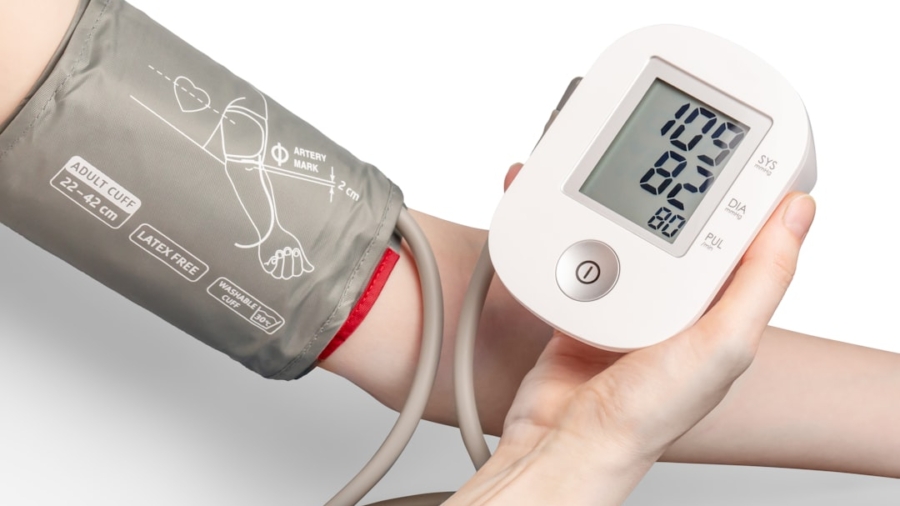
So, you’re wondering if that smartwatch or fitness tracker on your wrist can actually tell you your blood pressure. It’s a really common question, especially with how advanced these gadgets have become.
The short answer is: they’re getting there, but most consumer-grade wrist-based devices aren’t accurate enough to replace a medical-grade cuff for reliable blood pressure readings.
While some have started to offer this feature, they’re best viewed as supplementary tools for tracking trends rather than diagnostic devices.
The Promise of Wrist-Based Blood Pressure Monitoring
For years, we’ve relied on the familiar, sometimes slightly uncomfortable, inflatable cuff for blood pressure checks. It’s a tried-and-true method, but it’s not always convenient. Imagine being able to get a quick reading anytime, anywhere, just by looking at your wrist! This is the dream that many wearable tech companies are chasing.
How Wearables Try to Measure Blood Pressure
Instead of the cuff inflating, these wrist devices use different technologies.
Photoplethysmography (PPG) Sensors
This is the most common technology you’ll find in wearables. Little lights on the back of the device shine into your skin, and sensors detect the amount of light reflected back. This light absorption changes with the pulsing of blood in your wrist.
- The Logic: As your heart pumps blood, your arteries expand and contract. The more blood there is, the more light is absorbed. By analyzing these subtle changes in light patterns, the device tries to infer changes in blood volume and pressure.
- The Challenge: PPG is great for detecting heart rate – that’s why it’s so good at measuring how fast your heart is beating. However, blood pressure is a much more complex measurement. It’s influenced by many factors beyond just blood flow rate, including the stiffness of your arteries, the volume of blood in your circulatory system at any given moment, and even how tightly the device is fitted to your wrist.
Other Emerging Technologies
Some newer devices are exploring other methods, often in conjunction with PPG.
- Electrodes: Some designs incorporate small electrical sensors that work alongside the light sensors. The idea is to detect subtle electrical signals that might correlate with blood pressure.
- Infrared Sensors: Similar to PPG, but using infrared light, which can penetrate the skin slightly deeper.
In the realm of health technology, the accuracy of blood pressure monitoring devices has garnered significant attention, particularly with the rise of wearable technology. For a deeper understanding of how these innovations are shaping the future of health monitoring, you may find the article on the features of the Samsung Galaxy Book Odyssey insightful. It explores the integration of advanced technology in everyday devices, which parallels the advancements in wrist-based blood pressure monitors. You can read more about it here: Exploring the Features of the Samsung Galaxy Book Odyssey.
The Accuracy Question: Where Do We Stand Today?
This is the million-dollar question. The truth is, the accuracy of wrist-based blood pressure monitors varies significantly between brands and even between specific models from the same brand.
So, Are They Accurate?
Generally, no, not in the way a doctor’s office cuff is.
- “Trend Monitoring” vs. “Clinical Accuracy”: Many manufacturers will wisely use phrases like “trend monitoring” or “for general fitness purposes.” This is a polite way of saying they are not designed for medical diagnosis. They might give you a rough idea of whether your blood pressure is generally higher or lower than usual on a particular day, but you shouldn’t rely on these numbers for making treatment decisions.
- Calibration is Key (and Often Missing): For a wearable to even attempt to give you a blood pressure reading, it usually needs to be calibrated against a traditional, validated blood pressure cuff. This means you’d have to take a reading with the wearable and then immediately take one with a proper cuff and input that data into the wearable’s app. This calibration process then has to be repeated periodically, as artery stiffness and other factors change over time.
Why Calibration is a Hassle
This calibration step is crucial. Without it, the device is just guessing based on general algorithms that might not apply to your unique physiology.
- User Error: Many people may not understand the importance of calibration or may not do it correctly, leading to inaccurate readings.
- Frequency: Experts recommend recalibrating frequently, maybe every few weeks or months. This can be a tedious process for a user.
What the Research Says
Independent studies on the accuracy of consumer wearables for blood pressure are still emerging, but the general consensus isn’t overwhelmingly positive.
- Variability in Results: Some studies show devices performing somewhat acceptably for trends, while others demonstrate significant inaccuracies. Factors like user movement during readings, ambient temperature, and even the color of your skin can all impact PPG sensor performance.
- Regulatory Hurdles: Getting regulatory approval for medical devices is a rigorous process. Many wellness wearables have opted out of seeking full medical device certification for their blood pressure features, allowing them more freedom in marketing but also indicating they haven’t met the stringent accuracy and safety standards required for medical use.
Limitations You Need to Be Aware Of
Even with the advancements, there are inherent challenges that limit the accuracy and usefulness of wrist-based blood pressure monitoring for many people.
Factors Affecting Readings
It’s not just about the technology; a lot of external factors play a role.
User Factors
- Movement: If your wrist is moving, even slightly, while the device is trying to take a reading, it can throw off the PPG signal. This is why many devices require you to stay still and hold your arm in a specific position.
- Fit: The watch needs to be snug enough to make good contact with your skin, but not so tight that it constricts blood flow. Finding that sweet spot can be tricky.
- Skin Tone: Studies have shown that darker skin tones can sometimes be more challenging for PPG sensors because the pigment in melanin can absorb more light. This can lead to less reliable readings.
- Temperature: Cold hands can reduce blood flow to the wrist, potentially affecting readings.
Device Factors
- Sensor Quality: The quality and sophistication of the PPG sensors used vary greatly. More expensive devices might have better hardware.
- Algorithm Sophistication: The software algorithms that interpret the data are also critical. Companies invest a lot in trying to refine these, but a perfect algorithm for everyone is a tough goal.
- Wearability: The “wearable” part of wearable tech is important. If a device is uncomfortable or unsightly, you’re less likely to wear it consistently, thus missing out on any potential benefits of trend monitoring.
The “No-Cuff” Dilemma
The fundamental limitation is the absence of the pressurizing cuff.
- Direct Pressure vs. Indirect Estimation: Traditional cuffs work by directly measuring the pressure needed to temporarily stop and then restart blood flow. This is a very precise method. Wrist devices are trying to estimate this pressure based on changes in blood volume detected optically. It’s like trying to guess the weight of a box just by looking at how much it wobbles when you shake it, versus actually putting it on a scale.
- Arterial Stiffness: As we age, our arteries naturally become stiffer. This stiffness affects how blood flows and how much pressure is needed. Wrist devices struggle to accurately account for this individual variability in arterial stiffness.
Which Devices Offer This Feature?
While the field is rapidly evolving, some prominent brands have integrated blood pressure monitoring into their smartwatches.
Key Players and Their Approaches
It’s worth noting that this list can become outdated quickly as new models are released. Always check the latest specifications for any device you’re considering.
- Samsung: Has been one of the earlier adopters of this technology in their Galaxy Watch series. They typically require regular calibration against a traditional cuff.
- Omron: While known for its medical-grade devices, Omron has also ventured into the wearable space. Their approach is often more medically focused.
- Other Brands: Various other fitness trackers and smartwatches are beginning to explore or have launched models with this capability. Some might be more discreet in their claims, focusing on general wellness insights.
What to Look For When Choosing
If you’re set on a wrist-based option for trend monitoring, keep these points in mind:
- Medical Device Certification: Look for devices that have cleared or received approval from regulatory bodies like the FDA (in the US) or CE marking (in Europe) for their blood pressure monitoring claims. This is a strong indicator of their accuracy.
- Calibration Requirements: Understand the calibration process. How often does it need to be done? How easy is it?
- User Reviews: See what real users are saying about their experience with the accuracy and reliability of the blood pressure feature.
In exploring the advancements in health technology, one might find it interesting to read about the differences between various types of tablets used for digital art and design, which can also reflect on the precision required in devices like wrist blood pressure monitors. For a deeper understanding of these distinctions, you can check out this article on the difference between graphic tablets and drawing tablets. This knowledge can enhance your appreciation of how accuracy plays a crucial role in both health monitoring and creative expression.
When to Absolutely Use a Traditional Cuff
Despite the allure of convenience, there are times when wrist-based monitoring absolutely shouldn’t be your primary tool.
Situations Demanding Clinical Accuracy
Your doctor’s advice is paramount here.
- Diagnosis of Hypertension: If you suspect you have high blood pressure or have been diagnosed and are being monitored, you need clinically accurate readings from a validated device. Home blood pressure monitors that use an inflatable cuff are excellent for this.
- Medication Management: If you are on medication for blood pressure, your doctor will rely on accurate readings to determine if the dosage is correct and if your condition is well-controlled.
- Sudden Changes or Symptoms: If you experience symptoms that could relate to blood pressure issues – like dizziness, chest pain, severe headaches, or shortness of breath – don’t reach for your smartwatch. Seek immediate medical attention and let medical professionals use their calibrated equipment.
- Specific Medical Conditions: If you have certain pre-existing health conditions (e.g., diabetes, kidney disease, heart conditions), your healthcare provider will likely want you to use a medically approved device for monitoring.
The “Supplement, Don’t Replace” Mantra
This is a good rule of thumb for most current wrist-based blood pressure monitors.
- Understanding Your Lifestyle: Use your wearable to see how your lifestyle choices (diet, exercise, stress levels) might be impacting your blood pressure trends over time. This can be a valuable insight when discussed with your doctor.
- Early Warning System (with caution): If your wearable consistently shows readings that are significantly different from your regular, cuff-based readings (and you’ve re-calibrated), it might be an indication that something is changing, and it could prompt you to schedule a check-up. But again, don’t self-diagnose based on this.
- Peace of Mind (within limits): For some, the ability to track general trends can offer a sense of awareness and peace of mind. Just remember the limitations.
The Future of Wrist-Based Blood Pressure Monitoring
The technology is still young, and advancements are happening at a rapid pace. It’s exciting to think about where this is heading.
What’s Next?
Companies are pouring resources into improving the accuracy and reliability of these sensors.
- Improved Sensors and Algorithms: Expect better optical sensors, potentially combined with new sensing technologies, and more sophisticated AI algorithms that can better account for individual physiological variations.
- Miniaturization and Integration: As the technology becomes more refined, it’s likely to be integrated into a wider range of wearables, making it more accessible.
- Medical Device Approvals: As accuracy improves, we’ll likely see more devices seeking and obtaining formal medical device certifications, meaning they will be trustworthy for diagnosis and management of blood pressure conditions.
The Road Ahead
While we’re not quite at the point where you can ditch your cuff for good, the direction is promising. The goal is that one day, your smartwatch will be a reliable tool for essential health monitoring, seamlessly integrated into your daily life. Until then, keep using your calibrated cuff for serious health decisions and see your wrist device as a useful, but supplementary, wellness tracker.
FAQs
What is blood pressure monitoring on the wrist?
Blood pressure monitoring on the wrist is a method of measuring blood pressure using a device that is worn on the wrist. This device uses technology to detect the pulsations of the artery in the wrist and provides a reading of the individual’s blood pressure.
How accurate is blood pressure monitoring on the wrist?
While wrist blood pressure monitors can provide convenient readings, they may not always be as accurate as traditional arm cuff monitors. Factors such as the positioning of the wrist, movement, and individual differences in anatomy can affect the accuracy of the readings.
What are the limitations of wrist blood pressure monitoring?
Some limitations of wrist blood pressure monitoring include potential inaccuracies due to improper positioning, movement during measurement, and variations in individual anatomy. Additionally, wrist monitors may not be suitable for individuals with certain medical conditions or those with larger or smaller wrist sizes.
Who can benefit from using a wrist blood pressure monitor?
Individuals who may benefit from using a wrist blood pressure monitor include those who have difficulty using traditional arm cuff monitors, such as individuals with mobility issues or certain medical conditions. However, it is important for individuals to consult with a healthcare professional to determine if a wrist monitor is suitable for their specific needs.
What are some tips for accurate wrist blood pressure monitoring?
To ensure accurate readings when using a wrist blood pressure monitor, it is important to carefully follow the manufacturer’s instructions for proper positioning and use. Additionally, it is recommended to keep the wrist at heart level during measurement, avoid movement, and compare readings with those obtained from a traditional arm cuff monitor for validation.
Enjoying our content? Make us a preferred source on Google:
Add us as a Preferred Source on Google