

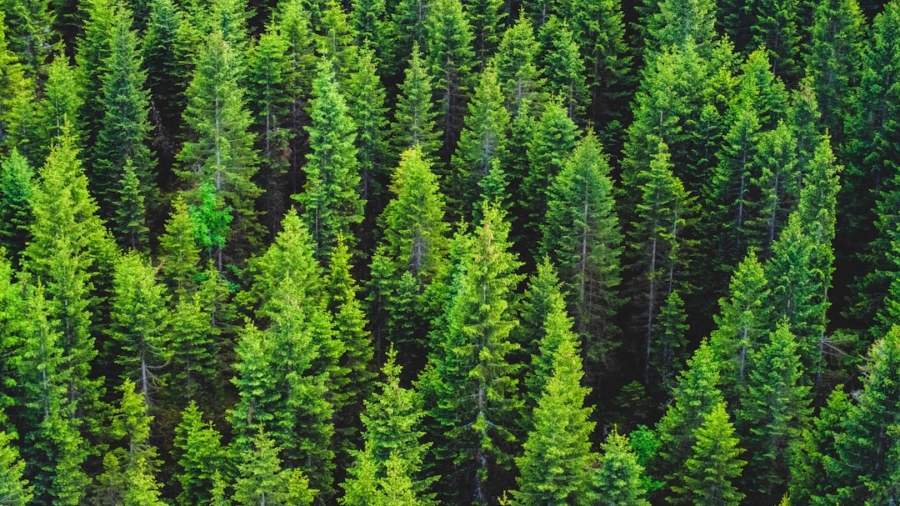
Technology is becoming a crucial ally in the fight to replant forests and protect vital ecosystems. Far from being just a tool for industry, tech is now actively helping us heal the planet by making reforestation and conservation efforts more efficient, precise, and impactful.
Think about the sheer scale of the challenge: vast areas need replanting, remote regions require monitoring, and delicate habitats need careful management. Traditional methods, while valuable, can be slow and resource-intensive. This is where technology steps in, offering innovative solutions that can significantly boost our chances of success. From drones that can plant seeds to AI that can identify endangered species, we’re seeing a growing range of digital tools make a real difference on the ground.
Drones Taking Root
One of the most exciting advancements is the use of drones in reforestation. These aerial workhorses are revolutionizing how we plant trees, especially in hard-to-reach or dangerous locations.
Seed Pod Delivery Systems
Instead of relying on manual labor to go out and plant seedlings one by one, specialized drones can be equipped with biodegradable seed pods. These pods contain a mix of seeds, nutrients, and protective coatings. The drone flies over designated areas, dropping these pods strategically.
- Precision Planting: Drones can be programmed for highly accurate seed dispersal, ensuring seeds land in optimal spots with the right spacing for future growth. This avoids wasted seeds and increases germination rates.
- Accessing Difficult Terrain: Imagine trying to plant a forest on a steep mountainside or in an area prone to flooding. Drones can navigate these challenges with ease, reaching places where human planters would struggle or face significant risks.
- Speed and Scale: A single drone can cover a much larger area in a day than a team of people, dramatically speeding up the planting process and allowing for reforestation on a much larger scale.
Mapping and Monitoring with Drones
Beyond planting, drones are invaluable for surveying and monitoring forest health.
- Pre-Planting Assessment: Before any planting begins, drones can be used to map the terrain, assess soil conditions, identify existing vegetation (or lack thereof), and pinpoint areas most in need of reforestation. This data allows for much more informed planning.
- Post-Planting Growth Tracking: Once trees are planted, drones can return periodically to monitor their growth, check for signs of stress or disease, and identify areas where replanting might be necessary. High-resolution imagery can reveal subtle changes that might be missed from the ground.
- Biodiversity Surveys: Drones equipped with specific sensors can even help identify different types of vegetation, contributing to biodiversity assessments and helping conservationists understand the health of an ecosystem.
In exploring the intersection of technology and environmental sustainability, an insightful article titled “Tesla Refutes Elon Musk’s Timeline on Full Self-Driving” discusses how advancements in automotive technology can influence broader conservation efforts. While the focus is on the development of autonomous vehicles, the implications of such innovations extend to reforestation and conservation initiatives, as they can enhance efficiency in resource management and reduce carbon footprints. For more details, you can read the article here: here.
The Role of Big Data and Analytics
The technologies mentioned above generate a colossal amount of data. Big data analytics is the key to unlocking the insights hidden within this information flood.
Informed Decision-Making
Without effective data analysis, all the collected information is just noise.
- Pattern Recognition: AI and analytical tools can identify complex patterns in deforestation, species migration, or climate impacts that would be impossible for humans to detect.
- Resource Allocation Optimization: By understanding where conservation efforts are most needed and likely to be effective, data analytics helps allocate limited resources more efficiently.
- Success Metrics and Reporting: Analyzing data allows organizations to accurately measure the success of their reforestation and conservation projects, providing concrete evidence of impact.
Predictive Conservation Models
Using historical and real-time data, advanced analytics can build predictive models.
- Future Habitat Suitability: Models can predict how suitable different areas will be for certain species under future climate scenarios, guiding where to focus conservation efforts.
- Threat Forecasting: Predicting the likelihood and location of future threats, like invasive species spread or drought-prone areas, allows for proactive planning.
- Ecosystem Health Projections: Understanding the current health and projected trajectory of an ecosystem helps prioritize interventions and conservation strategies for long-term sustainability.
Challenges and the Road Ahead
While technology offers immense promise, it’s not a magic bullet. There are challenges to overcome.
Accessibility and Cost
The most advanced technologies can be expensive and require specialized knowledge to operate, making them less accessible in resource-limited regions. Bridging this digital divide is crucial.
Data Management and Interpretation
The sheer volume of data generated requires robust infrastructure for storage, processing, and analysis. Training personnel to interpret this data and translate it into actionable conservation strategies is equally important.
Context Matters
Technology needs to be implemented in conjunction with local knowledge and community engagement. A drone can plant seeds, but it’s often local communities who are the best stewards of the land and understand the nuances of a specific ecosystem.
Ethical Considerations
Data privacy, the potential for misuse of surveillance technologies, and ensuring that technology empowers rather than displaces local communities are all important ethical considerations that need careful attention as these tools become more integrated into conservation work.
Despite these challenges, the trajectory is clear: technology is no longer just an aid to reforestation and conservation; it’s becoming an indispensable partner. By embracing these innovations thoughtfully and strategically, we can significantly enhance our efforts to restore and protect our planet’s precious natural heritage for generations to come.
FAQs
What is the role of technology in reforestation and conservation?
Technology plays a crucial role in reforestation and conservation efforts by providing tools for monitoring and managing forest ecosystems, such as satellite imagery, drones, and geographic information systems (GIS).
How does technology help in monitoring and managing forest ecosystems?
Technology helps in monitoring and managing forest ecosystems by providing real-time data on forest health, biodiversity, and deforestation, allowing for more informed decision-making and targeted conservation efforts.
What are some examples of tech-based reforestation and conservation initiatives?
Examples of tech-based reforestation and conservation initiatives include using drones for tree planting, developing mobile apps for citizen science data collection, and using remote sensing technology to detect illegal logging activities.
What are the benefits of using technology in reforestation and conservation efforts?
The benefits of using technology in reforestation and conservation efforts include increased efficiency in monitoring and managing forest ecosystems, better data-driven decision-making, and the ability to engage a wider range of stakeholders in conservation efforts.
What are some challenges associated with using technology in reforestation and conservation?
Challenges associated with using technology in reforestation and conservation include the high cost of implementing and maintaining tech-based solutions, the need for specialized training and expertise, and potential privacy and data security concerns.
Enjoying our content? Make us a preferred source on Google:
Add us as a Preferred Source on Google