

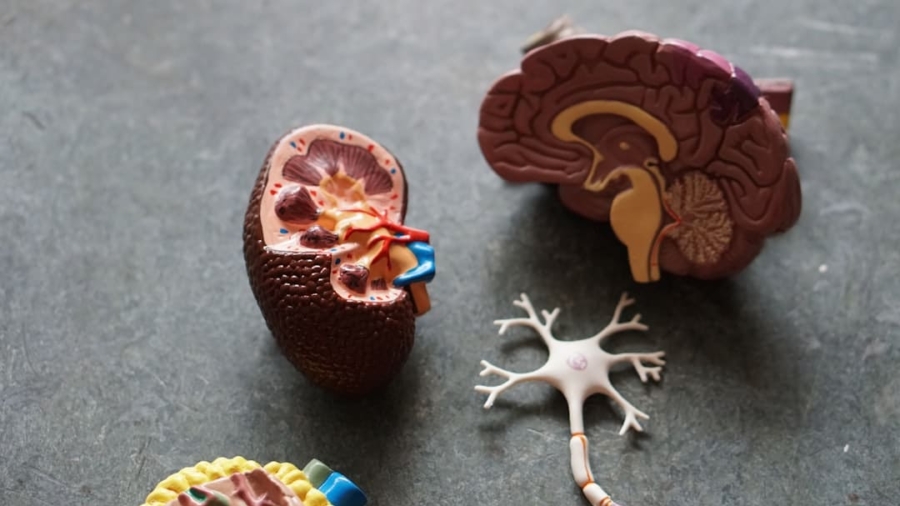
Hey there, ever wondered if we could just print out a new organ when someone needs one? Well, that’s exactly what bio-printing is aiming for, and it’s a field that’s rapidly advancing, offering a real glimmer of hope for bridging the massive gap in organ transplantation. The core idea is to create functional human tissues and organs using 3D printing techniques, but instead of plastic or metal, we’re talking about ‘bio-inks’ made from living cells. This isn’t science fiction anymore; it’s a developing reality that could revolutionize medicine, offering personalized solutions and significantly reducing the agonizing wait lists for organ donors.
The world faces a critical shortage of donor organs. It’s a stark reality that thousands of people die each year waiting for a transplant that never comes. This isn’t just a statistic; it’s countless families grieving, lives cut short, and a system stretched to its breaking point. Bio-printing offers a potential pathway out of this crisis.
The Transplant Waiting List Dilemma
Imagine being told that your best chance at survival is a new organ, but then learning you might wait years, or even a lifetime, for one to become available. That’s the harsh truth for millions globally. Kidneys, hearts, lungs, livers – the demand far outpaces the supply. This scarcity drives up medical costs, leads to a black market for organs (a truly horrific consequence), and most importantly, results in preventable deaths.
Limitations of Current Solutions
While organ donation is an incredible act of generosity, it’s not without its challenges. There’s the issue of tissue matching to prevent rejection, and even with a perfect match, patients still need lifelong immunosuppressive drugs. These drugs come with their own set of serious side effects, from increased risk of infection to higher cancer rates. Plus, there’s always the looming fear of chronic rejection, where the body slowly attacks the transplanted organ over time. Bio-printing aims to sidestep many of these issues by using a patient’s own cells, effectively creating a “self-organ” that the body is far less likely to reject.
In exploring the advancements in medical technology, the article titled “The Rise of Bio-Printed Organs: Bridging the Transplant Gap” highlights the revolutionary potential of 3D bioprinting in addressing organ shortages. This innovative approach not only promises to save countless lives but also raises ethical and logistical questions about the future of organ transplantation. For a broader perspective on technological innovations, you might find interest in another article discussing cutting-edge devices, such as the Samsung S22 Ultra, which showcases how technology continues to evolve and impact various fields. You can read more about it here: Unlock the Power of the Galaxy with the Samsung S22 Ultra.
Key Takeaways
- Clear communication is essential for effective teamwork
- Active listening is crucial for understanding team members’ perspectives
- Setting clear goals and expectations helps to keep the team focused
- Regular feedback and open communication can help address any issues early on
- Celebrating achievements and milestones can boost team morale and motivation
How Bio-Printing Works: From Cells to Organs
So, how do you actually print something as complex as a human organ? It’s a multi-step process that combines biology, engineering, and advanced manufacturing. Think of it as a highly sophisticated assembly line for living tissue.
The Bio-Ink Blueprint
At the heart of bio-printing are “bio-inks.” These aren’t your average printer cartridges. They’re meticulously engineered formulations that contain living cells, growth factors, and biocompatible materials (like hydrogels) that provide structural support and a nourishing environment. The choice of cells is crucial – often, these are stem cells, which have the remarkable ability to differentiate into various cell types, or even a patient’s own adult cells. This personalized approach is what makes bio-printing so exciting in terms of reducing immune rejection.
The 3D Printing Process
Once the bio-ink is ready, specialized 3D bio-printers take over. These devices layer the bio-ink meticulously, following a digital blueprint derived from medical scans of the patient’s existing organ. Imagine building a tiny, complex structure, layer by layer, where each layer is made of cells and supportive materials. There are different printing techniques, such as extrusion-based printing (like squeezing toothpaste), inkjet printing (like firing tiny droplets), and laser-assisted printing (which offers incredible precision). Each method has its pros and cons, and research is constantly refining them for different tissue types.
Maturation and Vascularization
Printing the organ is only half the battle.
Once printed, these nascent tissues need to mature and develop in a bioreactor – an environment carefully designed to mimic conditions within the human body.
This allows the cells to organize, differentiate, and start performing their specific functions. A key challenge, and an area of intense research, is vascularization – creating a functional network of blood vessels within the printed organ. Without blood vessels to supply nutrients and remove waste, the cells deeper inside the printed tissue would quickly die. Researchers are exploring various strategies, including co-printing endothelial cells (cells that form blood vessels) and creating micro-channels that encourage vessel growth.
Current Achievements and Promising Prototypes

While full organ replacement is still a major goal, bio-printing has already made significant strides, demonstrating its potential across various tissue types.
Skin Grafts and Cartilage
Some of the earliest and most successful applications have been in simpler tissues. Bio-printed skin grafts are already being developed and tested for burn victims, offering a more rapid and effective way to heal large wounds. Similarly, researchers have successfully bio-printed cartilage tissue that can integrate with existing cartilage, providing hope for patients with joint injuries or degenerative conditions like osteoarthritis.
These tissues, while crucial, are less complex in structure and function than, say, a heart.
Miniature Organ Models for Research
One of the most immediate impacts of bio-printing is the creation of “organoids” or “mini-organs.” These are 3D cultures of human cells that mimic the structure and function of full organs, albeit on a much smaller scale. While not ready for transplant, these miniature models are invaluable for drug testing, disease modeling, and understanding how diseases develop. Imagine testing a new cancer drug on a bio-printed mini-tumor from a patient, or studying the effects of a virus on a bio-printed lung model, without having to experiment on animals or humans directly. This significantly speeds up drug discovery and reduces ethical concerns.
Towards More Complex Organs: Hearts, Livers, Kidneys
The holy grail, of course, is printing functional, whole organs like hearts, livers, and kidneys.
While we’re not quite there yet, significant breakthroughs are happening. Researchers have successfully printed small, functional heart tissue patches that beat rhythmically, and rudimentary kidney structures that can filter blood. Entire bio-printed hearts and livers have been demonstrated in labs, albeit still non-functional or extremely small.
The sheer complexity of these organs – their intricate vascular networks, multiple cell types, and precise architecture – presents enormous challenges, but the progress is undeniably exciting.
Challenges on the Road Ahead

Despite the incredible progress, bio-printing isn’t without its hurdles. These aren’t minor speed bumps; they’re significant engineering, biological, and ethical mountains to climb.
Complexity and Size Limitations
As mentioned, printing a full-sized, functional organ is incredibly complex. The sheer number of cells required, coordinating their organization, and ensuring proper vascularization throughout the organ are monumental tasks. The larger the organ, the harder it is to ensure uniform cell survival and function throughout its entirety. Scaling up from a small tissue patch to a full human organ is a huge leap.
Vascularization: The Lifeline Problem
This is arguably the biggest challenge. Without an intricate network of blood vessels, cells deeper within a bio-printed organ will starve and die quickly. Researchers are actively working on innovative solutions, such as co-printing endothelial cells to form natural blood vessels, using sacrificial molds to create channels that later become vascularized, or even leveraging microfluidic systems to perfuse printed tissues. But creating a self-sustaining vascular network that can integrate seamlessly with a patient’s existing circulatory system is a formidable technical barrier.
Long-Term Viability and Functionality
Even if a bio-printed organ can be created and vascularized, will it function correctly and last for decades? This long-term viability and functionality are critical. Tissues need to maintain their structural integrity, respond to stimuli, and perform complex biochemical processes over an extended period. This requires cells to mature and integrate properly, and the supporting biomaterials to degrade or integrate without causing adverse reactions. We need extensive pre-clinical and clinical trials to understand how these printed organs will behave in a living system over time.
Regulatory and Ethical Considerations
Beyond the technical challenges, there are significant regulatory and ethical landscapes to navigate. Who regulates bio-printed organs? What are the safety standards? How do we ensure these tissues are truly safe and effective before they are implanted into humans? Then there are the ethical questions: the use of stem cells, the potential for “designer organs,” and ensuring equitable access to this groundbreaking technology. These are complex discussions that need to happen alongside the scientific advancements.
The advancements in bio-printed organs are not only revolutionizing the field of medicine but also raising questions about the ethical implications of such technologies. A related article discusses the potential challenges and solutions surrounding the installation of operating systems without certain hardware requirements, which can be likened to the hurdles faced in organ transplantation. For more insights on this topic, you can read about the feasibility of system upgrades in the article found here. As we explore the future of bio-printing, it is essential to consider both the technological innovations and the ethical frameworks that will guide their implementation.
The Future Landscape: What’s Next for Bio-Printed Organs
| Organ | Success Rate | Challenges |
|---|---|---|
| Heart | 80% | Integration with blood vessels |
| Kidney | 75% | Functional filtration |
| Liver | 70% | Metabolic function |
Looking ahead, the future of bio-printed organs is incredibly promising, extending beyond just replacement parts.
Personalized Medicine and Drug Testing
One of the most immediate and impactful applications will be in personalized medicine. Imagine having a disease model of your own tumor bio-printed, allowing doctors to test various chemotherapy drugs on it to find the most effective treatment with the fewest side effects – before you ever receive a dose. This level of personalized treatment is a game-changer. Bio-printed organs and organoids will also continue to revolutionize drug discovery, reducing the reliance on animal testing and providing more accurate predictive models for human response to new medications.
Beyond Replacement: Repair and Augmentation
Bio-printing isn’t just about replacing entire organs. It also holds immense potential for repairing damaged tissues or augmenting existing organs. For example, patches of bio-printed heart muscle could be used to repair areas damaged by a heart attack. Bio-printed spinal cord tissue could potentially help patients with spinal cord injuries regain function. The possibilities for targeted repair and regeneration are vast and incredibly exciting.
The Long-Term Vision: Full Organ Replacement
While still a distant goal, the ultimate vision remains the full replacement of diseased or damaged organs with a functional, bio-printed equivalent. This would eliminate transplant waiting lists, reduce immune rejection, and fundamentally transform how we treat organ failure. It won’t happen overnight, but each research breakthrough brings us closer to a future where a new heart isn’t just a wish, but a doctor’s prescription. The journey is long and complex, but the potential rewards are immeasurable, offering a lifeline to countless individuals and reshaping the future of human health.
FAQs
What are bio-printed organs?
Bio-printed organs are created using 3D printing technology and living cells. This process involves layering bio-ink, which is made of living cells, to create a three-dimensional organ structure.
How are bio-printed organs used in medicine?
Bio-printed organs have the potential to address the shortage of donor organs for transplantation. These organs can be used for research, drug testing, and ultimately for transplantation into patients in need of organ replacement.
What are the benefits of bio-printed organs?
Bio-printed organs have the potential to reduce the wait time for organ transplants, minimize the risk of organ rejection, and provide personalized organ replacements tailored to individual patients. Additionally, they can be used for drug testing, reducing the need for animal testing.
What are the current challenges in bio-printing organs?
Challenges in bio-printing organs include ensuring the viability and functionality of the printed organs, as well as the scalability and cost-effectiveness of the technology. Additionally, regulatory and ethical considerations need to be addressed.
What is the future outlook for bio-printed organs?
The future of bio-printed organs holds promise for revolutionizing organ transplantation and regenerative medicine. With ongoing advancements in technology and research, bio-printed organs may become a mainstream solution for addressing the global shortage of donor organs.
Enjoying our content? Make us a preferred source on Google:
Add us as a Preferred Source on Google