

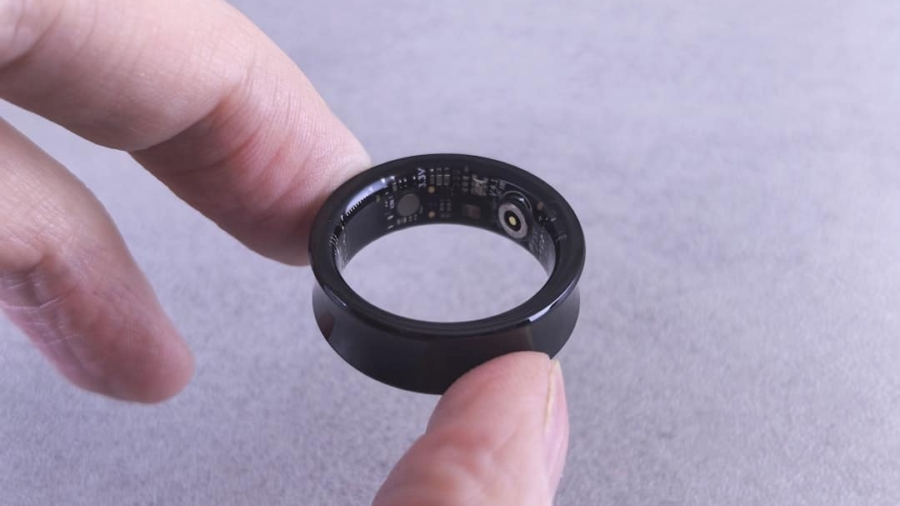
So, you’ve got one of those sleek sleep tracking rings or a fancy wearable, and you’re wondering: “How accurate is this thing, really?” It’s a totally common question, and the short answer is: they’re getting better, but they’re not perfect. Think of them as a helpful guide rather than a diagnostic tool. They can give you a good general idea of your sleep patterns, but don’t expect medical-grade precision. Let’s dive into what makes them accurate (or not) and what you can actually do with the data.
Sleep trackers, whether they’re rings or watches, rely on a few key sensors to gather information about your sleep. It’s not magic, just clever technology trying to interpret your body’s signals.
Heart Rate and Heart Rate Variability (HRV)
This is a big one. Your heart rate naturally slows down when you’re asleep, and changes in rhythm can indicate different sleep stages.
- How it works: Most wearables have photoplethysmography (PPG) sensors, which use light to detect blood flow in your wrist. This is how they pick up your pulse.
- What it tells us: A lower resting heart rate during sleep is generally a good sign. HRV, the variation in time between heartbeats, can also be a clue to your body’s recovery and stress levels, which are deeply intertwined with sleep quality. A more consistent, lower heart rate is often associated with deeper sleep.
Movement (Actigraphy)
Your body moves less when you’re in deeper sleep stages. Trackers use accelerometers to pick up on these subtle shifts.
- How it works: Accelerometers are motion sensors that detect movement in multiple directions.
- What it tells us: Significant movement usually means you’re awake or in a lighter sleep stage. Little to no movement often suggests you’re in deep sleep or REM. This is the most basic form of sleep tracking and has been around for a while in research settings.
Body Temperature
Your body temperature dips slightly during sleep.
Some advanced trackers can monitor this.
- How it works: Temperature sensors in the device measure skin temperature.
- What it tells us: Consistent overnight temperature tracking can help identify deviations from your normal sleep pattern, which might be influenced by illness, stress, or environmental factors. It’s another subtle indicator of your body’s internal rhythm.
Blood Oxygen Levels (SpO2)
This is a more recent addition to many consumer devices. It measures the amount of oxygen in your blood.
- How it works: Similar to PPG, SpO2 sensors use light to measure both oxygenated and deoxygenated blood.
- What it tells us: Significantly low SpO2 levels during sleep can be a sign of sleep apnea or other breathing issues. However, consumer-grade devices might not be as sensitive or accurate as medical equipment for diagnosing these conditions.
In addition to exploring the accuracy of sleep tracking rings and wearables, it may be beneficial to consider how technology impacts various aspects of daily life, including business operations. For insights into the best software solutions that can enhance productivity for small businesses, you can refer to the article on the best software for small business in 2023. This resource provides valuable information on tools that can streamline processes and improve efficiency, which is essential for maintaining a healthy work-life balance, including adequate sleep. You can read more about it here.
Key Takeaways
- Clear communication is essential for effective teamwork
- Active listening is crucial for understanding team members’ perspectives
- Conflict resolution skills are necessary for managing disagreements
- Trust and respect are the foundation of a successful team
- Collaboration and cooperation are key for achieving common goals
How Sleep Stages Are Determined: The Algorithm’s Role
This is where things get a bit more interpretive. The raw sensor data is fed into sophisticated algorithms designed to classify your sleep into different stages.
The Science Behind Sleep Stages
We generally talk about sleep in terms of two main types: NREM (Non-Rapid Eye Movement) and REM (Rapid Eye Movement) sleep. NREM is further broken down into stages 1, 2, and 3 (formerly known as light sleep and deep sleep).
- Stage 1 (NREM): This is the transition from wakefulness to sleep. You’re drowsy, your muscles relax, and your heart rate and breathing slow down. It’s very light sleep, and you can be easily woken.
- Stage 2 (NREM): This is a deeper stage of sleep than stage 1. Your heart rate and breathing slow further, and your body temperature drops. Brain waves slow down, but there are brief bursts of electrical activity.
- Stage 3 (NREM): This is considered deep sleep or slow-wave sleep. Your heart rate and breathing are at their lowest, and your muscles are completely relaxed. This is the most restorative stage, crucial for physical recovery and growth.
- REM Sleep: This stage is characterized by rapid eye movements, increased brain activity (similar to wakefulness), and temporary muscle paralysis. This is when most vivid dreaming occurs. It’s important for cognitive functions like learning and memory.
Algorithm Limitations vs. Polysomnography (PSG)
The gold standard for measuring sleep is polysomnography (PSG), which is conducted in a sleep lab. PSG measures brain waves (EEG), eye movements (EOG), muscle activity (EMG), heart rhythm, and breathing. Wearables don’t measure EEG directly.
- The Leap: Sleep trackers infer sleep stages based on patterns of heart rate, heart rate variability, and movement. For example, lower movement and a steadier, lower heart rate might suggest deep sleep, while rapid eye movements (which they can’t detect directly) are inferred from other subtle physiological changes or simply assumed to occur during certain periods based on typical sleep cycles.
- Why it matters: Because they’re inferring, there’s an inherent margin of error. Algorithms can sometimes misinterpret a period of stillness and low heart rate as deep sleep when it might just be a very relaxed wakeful state, or vice versa. The accuracy is generally better at distinguishing between wakefulness and sleep than it is between the specific NREM stages.
Accuracy: Where Do They Shine and Where Do They Stumble?

So, let’s get real about what these devices are good at and where they might leave you guessing.
Strengths: What Sleep Trackers Do Well
These gadgets are excellent at giving you a broad overview of your sleep habits and detecting significant deviations.
- Detecting Total Sleep Time: Most trackers are pretty decent at telling you roughly when you fell asleep and when you woke up, giving you a reasonable estimate of your total sleep duration. This is often the most useful metric for people.
- Identifying Wakefulness: They are usually quite good at picking up on when you’re actually awake, especially if you’re moving around or your heart rate is elevated.
- Spotting Major Sleep Disruptions: If you’re tossing and turning all night, or if you have significant periods of wakefulness, your tracker will likely flag this. This can be helpful if you suspect you’re not sleeping as soundly as you think.
- Tracking Trends Over Time: This is arguably their biggest strength.
By consistently tracking your sleep, you can see patterns and how lifestyle factors (like diet, exercise, stress, or alcohol intake) affect your sleep duration and quality over days, weeks, and months.
Weaknesses: Where Accuracy Can Be Questionable
The finer details of sleep architecture are where consumer wearables struggle the most.
- Distinguishing Sleep Stages: As mentioned, differentiating between light sleep, deep sleep, and REM sleep is much harder for a wearable than for a PSG. Algorithms are constantly being refined, but they are still making educated guesses.
- Interpreting REM Sleep: REM sleep is characterized by very specific physiological markers, including rapid eye movements and muscle atonia (paralysis), which are difficult to accurately capture with wrist-based sensors alone.
- Impact of External Factors: Factors like the fit of the device, how tightly it’s worn, skin perfusion (blood flow), and even external light can interfere with sensor readings.
- Individual Variability: Everyone’s body is different. What one person’s heart rate and movement patterns look like during deep sleep might differ from another’s, making it challenging for a single algorithm to be perfectly accurate for everyone.
- The “Readiness” Score: Many devices offer a “readiness” or “recovery” score.
While these scores can be motivating and sometimes intuitively feel right, they are based on a combination of sleep data, HRV, and sometimes resting heart rate. They are an interpretation and should be taken with a grain of salt.
Factors Affecting Sleep Tracker Accuracy

It’s not just about the technology inside the device; how you use it and what’s happening around you can also play a big role.
Device Fit and Placement
The single most significant factor you can control is how well the device fits your wrist.
- Snug, Not Tight: The ring or watch needs to be worn snugly against your skin so the sensors can make good contact. If it’s too loose, light can get in and disrupt readings, and the motion sensors might get skewed. However, it shouldn’t be so tight that it’s uncomfortable or restricts blood flow.
- Consistent Placement: Wearing the device in the same location on your wrist each night can help maintain consistency in the data you collect.
- Dominant vs. Non-Dominant Wrist: Some studies suggest that wearing trackers on the non-dominant wrist can sometimes yield slightly more accurate results, possibly due to less movement during the day which can contaminate overnight readings.
Individual Physiology and Conditions
Your body’s unique characteristics and any underlying health conditions will naturally influence how a tracker performs.
- Skin Tone and Perfusion: PPG sensors can sometimes have more difficulty with very dark skin tones or in individuals with poor peripheral circulation, leading to less accurate heart rate readings.
- Movement Disorders: If you have a condition that causes involuntary movements during sleep, it could be misinterpreted by the tracker as being awake or in lighter sleep.
- Caffeine, Alcohol, and Medications: These can all affect heart rate, HRV, and sleep architecture, which in turn can influence the tracker’s interpretation.
- Circadian Rhythm Disruptions: Shift work, jet lag, or erratic sleep schedules can make it harder for algorithms to accurately map sleep stages, as they rely on established patterns.
Environmental Factors
The bedroom environment itself can introduce noise into the data.
- Room Temperature: Extreme temperatures can affect body temperature readings and overall sleep quality, which the tracker tries to interpret.
- Light Exposure: While less common for rings, some wearables might pick up on external light sources if not worn properly.
- Partner’s Movement: If you share a bed, your partner’s movements could potentially be picked up by motion sensors and misconstrued as your own.
In recent discussions about the effectiveness of sleep tracking devices, a fascinating article explores the best Lenovo laptops, which can be essential for those looking to analyze their sleep data more efficiently. For anyone interested in enhancing their understanding of sleep patterns through technology, this resource provides valuable insights into how the right laptop can complement your sleep tracking efforts. You can read more about it in this article.
What to Do With Your Sleep Data: Practical Applications
| Device | Accuracy | Precision | Recall |
|---|---|---|---|
| Device A | 85% | 0.88 | 0.82 |
| Device B | 90% | 0.92 | 0.88 |
| Device C | 82% | 0.85 | 0.78 |
So, you’ve got all this data.
What’s the point if it’s not a perfect science?
The real value lies in using it as a guide to improve your habits.
Focus on Trends, Not Specific Numbers
Don’t get hung up on the exact minute of deep sleep you achieved last night. Instead, look at the bigger picture.
- Consistency is Key: Are you getting roughly the same amount of sleep each night? Is your sleep duration increasing or decreasing over time?
- Identifying Patterns: Do you notice a drop in sleep quality on nights after you’ve had a late meal or consumed alcohol? Does more exercise lead to better sleep?
- Correlation, Not Causation: Remember that the tracker shows correlations. Just because your sleep score is low after a late night doesn’t mean the late night caused it, but it’s a strong indicator worth investigating.
Correlate Sleep Data with Daily Feelings
This is crucial for grounding
FAQs
What are sleep tracking rings and wearables?
Sleep tracking rings and wearables are devices that are worn on the body to monitor and track sleep patterns and quality. These devices use various sensors to collect data such as heart rate, movement, and temperature to provide insights into the user’s sleep.
How accurate are sleep tracking rings and wearables?
The accuracy of sleep tracking rings and wearables can vary depending on the specific device and its sensors. Some studies have shown that these devices can provide reasonably accurate data on sleep duration and patterns, but may be less accurate in measuring specific sleep stages such as REM and deep sleep.
What factors can affect the accuracy of sleep tracking rings and wearables?
Factors that can affect the accuracy of sleep tracking rings and wearables include the quality of the sensors, the fit and placement of the device on the body, and individual differences in sleep patterns and physiology. Environmental factors such as noise and light levels can also impact the accuracy of these devices.
How can users improve the accuracy of sleep tracking rings and wearables?
Users can improve the accuracy of sleep tracking rings and wearables by ensuring that the device is properly fitted and worn according to the manufacturer’s instructions. It is also important to maintain a consistent sleep schedule and environment to help the device accurately track sleep patterns.
Are sleep tracking rings and wearables a reliable tool for monitoring sleep?
While sleep tracking rings and wearables can provide valuable insights into sleep patterns, they should be used as a general guide rather than a definitive measure of sleep quality. Users should consider the limitations of these devices and consult with a healthcare professional for a comprehensive assessment of their sleep health.
Enjoying our content? Make us a preferred source on Google:
Add us as a Preferred Source on Google