

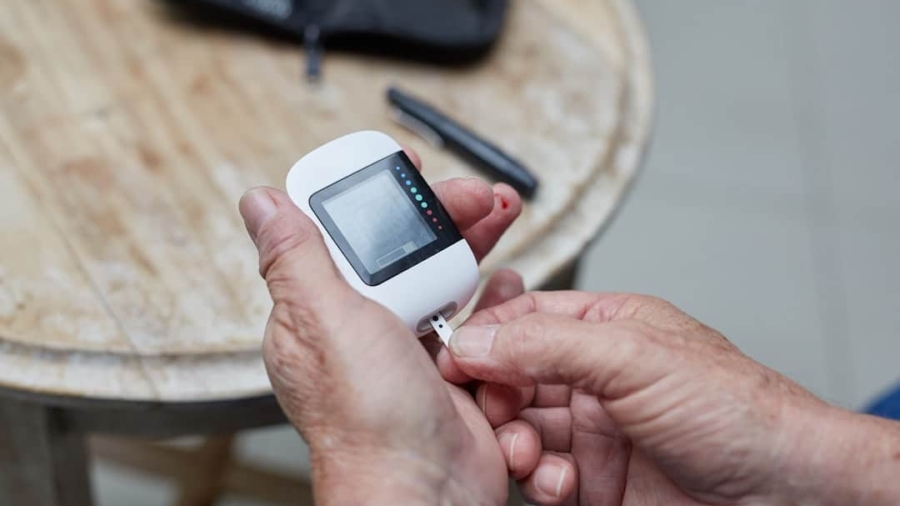
Continuous Glucose Monitors (CGMs) are quickly becoming more than just a tool for managing diabetes; they’re now offering a practical way for fitness enthusiasts, and anyone looking to optimize their health, to get a real-time peek into their body’s fuel usage. Simply put, CGMs provide a continuous stream of information about your blood sugar levels, which, when paired with your daily activities and food choices, can be incredibly insightful for understanding how your body responds to exercise and nutrition.
What’s a CGM and How Does It Work?
A CGM is a small, wearable device – typically a sensor that you apply to your arm or abdomen – that measures glucose levels in the interstitial fluid just under your skin. This isn’t a direct measure of your blood glucose, but it closely mirrors it. It sends this data wirelessly to a receiver, often your smartphone, displaying your glucose levels in real-time. This allows you to see trends, highs, and lows, and how quickly your glucose responds to various inputs.
Why Are We Talking About CGMs and Fitness?
For a long time, the advice for fueling workouts was pretty generic: eat carbs before, protein after. While this isn’t entirely wrong, a CGM can add a layer of personalization that was previously only accessible through expensive lab tests or complicated protocols. It helps you move beyond the “one size fits all” approach and truly understand your body’s unique metabolic responses. Think of it as having a personal fuel gauge for your body, helping you make more informed decisions about what to eat and when to move for optimal energy and recovery.
Exercise, regardless of its intensity or type, significantly impacts blood glucose. A CGM provides invaluable data to observe these fluctuations in real-time, helping you tailor your approach to nutrition and activity for better performance and recovery.
Different Exercise Types, Different Glucose Reactions
The type of exercise you engage in can lead to distinct patterns in your glucose levels. It’s not just about how much you move, but how you move.
Aerobic Exercise
When you engage in steady-state aerobic activities like long-distance running, cycling, or swimming, your body primarily uses glucose as fuel, especially in the initial stages. As your body adapts and depending on the intensity and duration, it might shift to burning fat for energy. A CGM can show a gradual decrease in glucose levels during prolonged aerobic exercise as your muscles consume circulating glucose. For some, especially those with particularly efficient glucose uptake or those who haven’t adequately fueled, this can lead to a dip into lower glucose ranges, potentially impacting performance or causing fatigue. Observing this can help you understand when to top up your fuel stores during a long session.
High-Intensity Interval Training (HIIT)
HIIT, characterized by short bursts of intense effort followed by brief recovery periods, can initially cause a spike in glucose. This is often due to the release of stress hormones like adrenaline and cortisol, which signal the liver to release stored glucose (glycogen) into the bloodstream to meet the sudden, high energy demands. While this spike is usually temporary and followed by a drop as muscles rapidly uptake glucose, monitoring it helps you understand your body’s stress response and how your fuel stores are being mobilized.
Strength Training
Strength training, unlike aerobic exercise, often doesn’t lead to a significant or sustained drop in glucose during the session itself. In fact, it might even cause a slight increase, similar to HIIT, due to the hormonal response. However, the long-term benefits are substantial. Strength training improves insulin sensitivity, meaning your cells become more efficient at absorbing glucose from your bloodstream, leading to more stable glucose levels over time. A CGM won’t necessarily show dramatic shifts during a typical strength session, but consistent monitoring over days and weeks can highlight the positive impact on overall glucose regulation.
Pre-Workout Fueling Strategies
What you eat before a workout directly influences your starting glucose levels and, consequently, your energy available for exercise.
Complex Carbohydrates for Sustained Energy
For longer or more intense workouts, complex carbohydrates like oats, whole-grain toast, or sweet potatoes are generally recommended. These break down slowly, providing a steady release of glucose into your bloodstream. A CGM can show you whether your pre-workout meal is providing that desired slow and steady rise, or if it’s causing an uncomfortable spike and subsequent crash before you even start. You might find that a certain amount of fiber or protein alongside your carbs helps to mitigate sharp glucose rises.
Simple Sugars for Quick Boosts
Sometimes, for shorter, high-intensity efforts or if you’re feeling sluggish, a small amount of simple carbohydrates (like a piece of fruit or a energy gel) might be useful for a quick glucose boost. The CGM will clearly show this rapid rise. The key is to understand how your body clears this glucose during the workout. If it’s too much, too fast, it could lead to an early drop.
Avoiding Pre-Workout Spikes and Crashes
A common pitfall is consuming a high-sugar, low-fiber snack right before a workout, which can cause a sharp glucose spike and then a rapid drop (often called a “sugar crash”) mid-workout. This crash can leave you feeling fatigued, dizzy, or weak. Your CGM will clearly illustrate this rollercoaster, allowing you to adjust your choices for more stable energy. You can experiment with different meal timings and compositions, seeing in real-time what keeps your glucose within an optimal range.
The integration of continuous glucose monitors (CGMs) into everyday fitness routines is revolutionizing how individuals manage their health, particularly for those with diabetes or insulin sensitivity. For those interested in enhancing their fitness experience, exploring the latest technology in wearables can provide valuable insights. A related article that discusses the best smartwatches of 2023, which often include features compatible with CGMs, can be found at The Top 5 Smartwatches of 2023. This resource highlights how these devices can seamlessly integrate health monitoring into daily activities, making it easier to track glucose levels alongside other fitness metrics.
Key Takeaways
- Clear communication is essential for effective teamwork
- Active listening is crucial for understanding team members’ perspectives
- Setting clear goals and expectations helps to keep the team focused
- Regular feedback and open communication can help address any issues early on
- Celebrating achievements and milestones can boost team morale and motivation
Optimizing Intra-Workout Nutrition
How you refuel during longer or more strenuous workouts can significantly impact your performance and recovery. CGMs take the guesswork out of this.
When to Fuel During Exercise
Gone are the days of relying solely on generalized recommendations. Your CGM gives you the data to decide when your body actually needs more fuel.
Preventing Hypoglycemia
For some individuals, especially during endurance events, glucose levels can drop too low, a condition called hypoglycemia. Symptoms include dizziness, weakness, confusion, and even loss of consciousness. A CGM can provide an early warning, alerting you when your glucose is trending downwards, allowing you to consume carbohydrates before you experience severe symptoms. This proactive approach can prevent bonking and keep you performing safely. If you notice your glucose consistently dropping below a certain threshold during specific activities, it’s a clear signal to adjust your fueling strategy.
Maintaining Stable Energy Levels
Instead of only reacting to drops, CGMs allow you to aim for stable energy. You can observe if your glucose levels are holding steady, or if they’re gradually declining during a long session. If you see a consistent, gentle decline, it indicates your body is efficiently using circulating glucose. If it starts to dip more rapidly, it might be time for a small, easily digestible carb source, like a sports drink or an energy gel. The goal isn’t necessarily to keep glucose high, but to keep it within an optimal, functional range for sustained effort.
What to Fuel With During Exercise
The type and amount of carbohydrates you consume during exercise are crucial for maintaining performance without overloading your system.
Glucose-Fructose Mixes
Many endurance athletes use gels or drinks containing a mix of glucose and fructose. This combination can allow for greater carbohydrate absorption because glucose and fructose use different transporters in the gut. Your CGM can help you test out different ratios and brands to see which ones lead to the most stable glucose levels for your body, without causing digestive upset or unwanted spikes.
Electrolytes and Hydration
While not directly measuring electrolytes, your CGM data can indirectly inform your hydration strategy. Significant drops in glucose, especially during hot weather or intense training, can sometimes be exacerbated by dehydration. Staying adequately hydrated helps your body regulate blood sugar and transport nutrients more effectively. By noting how your glucose responds under different hydration statuses, you can better understand the interplay.
Personalized Fueling Experimentation
The beauty of a CGM is its ability to facilitate personalized experimentation. Try different quantities of your chosen fuel source at different intervals. Do you do better with 30g of carbs every 45 minutes, or 60g every hour? Does a certain brand cause a sharper spike or a more sustained release? The real-time data quickly helps you understand what works best for your metabolic response during exercise. This removes the guesswork and moves you towards a truly optimized fueling plan.
Post-Workout Recovery and Glucose Regulation

What happens to your glucose levels after a workout is just as important as what happens during it. Effective post-workout nutrition aids recovery and sets you up for your next session.
Replenishing Glycogen Stores
After exercise, especially intense or prolonged efforts, your muscle and liver glycogen stores are depleted. Replenishing these is crucial for recovery.
“Anabolic Window” Considerations
You may have heard of the “anabolic window,” a theoretical period shortly after exercise when your muscles are most receptive to nutrients.
While the window might be wider than once thought, consuming carbohydrates and protein post-workout is still highly beneficial. Your CGM can show you how quickly your body clears the glucose from your post-workout meal. A moderate rise in glucose with sufficient protein helps drive glucose into the muscle cells and initiates repair. If you see a very sharp spike and rapid drop, it might indicate you’ve consumed too much rapidly absorbed carbohydrate at once, or that your insulin sensitivity is temporarily high after the workout, making your body clear glucose very efficiently.
Insulin Sensitivity Post-Exercise
Exercise, particularly resistance training and high-intensity work, significantly improves insulin sensitivity. This means your cells become more responsive to insulin, allowing them to absorb glucose more efficiently from your bloodstream.
A CGM will often show that after a good workout, your glucose levels might settle into a more stable range, or even trend slightly lower than usual, even after consuming carbohydrates. This is a positive sign of improved metabolic health.
Preventing Post-Workout Hypoglycemia
Some individuals, especially those who start their workout with sufficient glycogen but still have high insulin sensitivity, or those who took exogenous insulin (people with diabetes), can experience a dip in glucose after exercise. This is sometimes called “post-exercise delayed-onset hypoglycemia.”
Identifying and Addressing Dips
Your CGM can be instrumental in identifying this.
If you consistently see an unexpected drop in glucose an hour or two after your workout, it signals that your body is still very efficiently clearing glucose, and you might need a small, slow-release carbohydrate snack to stabilize levels. This often means something with a mix of carbs, fats, and protein to slow absorption. Ignoring these dips can lead to fatigue, irritability, and impact recovery.
Optimizing Macronutrient Ratios
By observing your CGM data, you can fine-tune the macronutrient ratios of your post-workout meal.
If your glucose spikes too high, perhaps you need slightly fewer simple carbs and more fiber or protein. If it drops too low later, maybe an additional complex carbohydrate source is needed. It’s about finding the balance that supports stable glucose while also providing the necessary building blocks for recovery.
Long-Term Health and Performance Insights

Beyond individual workouts, CGMs offer a sustained look at your metabolic health, informing broader lifestyle choices.
Understanding Daily Glucose Patterns
Your whole day, not just your workout time, influences your glucose.
Impact of Sleep on Glucose
Poor sleep can significantly impair glucose regulation. Even one night of insufficient sleep can lead to increased insulin resistance, meaning your body has to produce more insulin to clear glucose from your bloodstream. Your CGM can often show higher fasting glucose levels or more pronounced spikes after meals on days following poor sleep. This provides a compelling visual reminder of the importance of consistent, quality sleep for your metabolic health and, by extension, your fitness. Seeing those elevated numbers after a night of tossing and turning can be a powerful motivator to prioritize rest.
Stress and Glucose Levels
Stress, whether physical or mental, triggers the release of hormones like cortisol, which can elevate blood glucose levels. If you notice unexplained glucose spikes even on rest days or during periods of non-exercise, consider your stress levels. Your CGM can act as an early warning system, highlighting the physiological impact of stress on your metabolic balance. This can encourage you to incorporate stress-reducing practices into your routine, like meditation, yoga, or spending time in nature. Reducing chronic stress helps maintain more stable glucose and supports overall well-being.
Eating Patterns Beyond Workouts
A CGM allows you to identify how different foods, not just pre- and post-workout meals, affect your glucose levels. You might find that a certain ‘healthy’ snack actually spikes your glucose more than you’d expect, leading you to discover better alternatives. This broader understanding of your dietary responses significantly impacts your overall health and energy levels, contributing to better performance in the long run.
Identifying Metabolic Flexibility
Metabolic flexibility is your body’s ability to efficiently switch between burning carbohydrates and fats for fuel based on availability. This is a key indicator of metabolic health.
Fuel Source Utilization
While a CGM doesn’t directly measure fat burning, consistent lower and more stable glucose levels, coupled with sustained energy during longer activities without frequent fueling, can be an indirect indicator of improved metabolic flexibility. It suggests your body is becoming better at using its fat stores. Conversely, if you rely heavily on frequent carbohydrate intake to avoid drops, it might suggest your body is primarily carb-dependent.
Impact of Training Adaptations
Over time, consistent training, especially aerobic and strength training, can improve metabolic flexibility. You might observe that the same workout that once caused a significant glucose drop now results in a much milder change, indicating your body is better adapted to use alternative fuel sources, or is more efficient at regulating glucose. This is a powerful demonstration of your body’s adaptation and progress.
Personalized Dietary Adjustments
If your CGM data consistently shows that you are highly carb-dependent, or that certain foods cause dramatic spikes, you can use this information to adjust your dietary approach. This might involve experimenting with different macronutrient ratios, incorporating more healthy fats, or timing your carbohydrate intake more strategically to encourage greater metabolic flexibility. It’s about moving from generic advice to highly personalized, data-driven nutrition.
The integration of continuous glucose monitors into everyday fitness routines is revolutionizing how individuals manage their health and performance. By providing real-time data on glucose levels, these devices empower users to make informed decisions about their nutrition and exercise regimens. For those interested in exploring how technology can enhance various aspects of life, a related article discusses the best free software for translation, which can be a valuable tool for fitness enthusiasts looking to access diverse resources and communities. You can read more about it here.
Practical Considerations and Getting Started with CGMs
| Metrics | Results |
|---|---|
| Improved glucose monitoring | 24/7 tracking of glucose levels |
| Enhanced fitness performance | Better understanding of glucose response to exercise |
| Health insights | Identifying patterns and trends in glucose levels |
| Personalized nutrition | Adjusting diet based on glucose data |
Integrating a CGM into your fitness routine involves a few practical steps and considerations.
Choosing a CGM Device
There are a few CGM brands available, with the most common being Dexcom and FreeStyle Libre.
Prescription vs. Over-the-Counter Options
Currently, most CGMs require a prescription, typically from an endocrinologist or a general practitioner. However, some providers are now offering CGMs for non-diabetic use, or there are pathways through wellness programs that include them. Research your local options and insurance coverage. As the technology becomes more widespread, over-the-counter options for general wellness are beginning to emerge in some regions.
Sensor Placement and Adhesiveness
Sensors are typically applied to the back of the upper arm or the abdomen. They have a small, flexible filament that sits just under the skin. Adhesiveness can be a concern, particularly for active individuals who sweat a lot or engage in water sports. Many users find third-party adhesive patches helpful to secure the sensor for its typical 10-14 day lifespan. Experiment to find what works best for your activity level.
App Integration and Data Interpretation
Most CGMs come with a dedicated app for your smartphone where you can view your real-time data, trends, and often add notes about your meals, exercise, and medication. These apps often offer customizable alerts for high or low glucose. Some apps also integrate with third-party fitness trackers or health platforms, allowing for a more holistic view of your health data. The key is to learn how to interpret the graphs and trends; a single data point isn’t as informative as seeing how your glucose responds over time to different inputs.
Data Interpretation and Actionable Insights
Having data is one thing; knowing what to do with it is another.
Identifying Trends Over Single Data Points
Don’t get overly focused on every single glucose number.
The real power of a CGM lies in identifying patterns and trends.
Does your glucose consistently spike after eating a certain snack? Does it always dip during a particular type of workout? These trends are what provide actionable insights. A steep rise or fall over a short period is more informative than an absolute number at one moment.
Correlation, Not Just Causation
Remember that a CGM shows correlation. It shows what your glucose is doing in relation to your activities, but it doesn’t always tell you why directly. For example, a spike after a meal could be due to the meal itself, but it could also be influenced by stress, sleep, or illness that day. Keeping a log of your food, exercise, and sleep alongside your CGM data can help you connect the dots more effectively.
Working with a Coach or Nutritionist
If you’re serious about optimizing your fitness with a CGM, consider working with a certified coach or nutritionist who has experience interpreting CGM data. They can help you sift through the information, understand complex metabolic responses, and develop a truly personalized strategy for fueling your workouts and improving your overall health. They can provide guidance on adjusting macronutrients, meal timing, and even sleep and stress management based on your unique glucose patterns.
Beyond Diabetes Management: General Wellness
While CGMs originated in diabetes care, their application is expanding rapidly into general health and wellness.
Empowerment Through Information
For those without diabetes, a CGM offers unprecedented self-experimentation and empowerment. It allows you to move beyond abstract concepts of “healthy eating” and “good workouts” to understand what genuinely works for your unique physiology. This personalization is a game-changer for anyone looking to optimize their body’s performance, energy levels, and long-term health.
Long-Term Health Optimization
Consistent monitoring and data-driven adjustments can contribute to improved metabolic health over the long term, potentially reducing the risk of conditions like insulin resistance and type 2 diabetes. By understanding and consistently managing your glucose levels, you’re not just optimizing your fitness; you’re investing in your overall health and well-being for years to come. It’s about building sustainable habits based on direct feedback from your own body.
FAQs
What is a continuous glucose monitor (CGM)?
A continuous glucose monitor (CGM) is a small wearable device that tracks glucose levels throughout the day and night. It consists of a tiny sensor inserted under the skin, which measures glucose levels in the interstitial fluid. The sensor is connected to a transmitter that sends the data to a receiver or smartphone app for real-time monitoring.
How does a continuous glucose monitor benefit fitness enthusiasts?
For fitness enthusiasts, a continuous glucose monitor provides valuable insights into how their body responds to exercise and different types of physical activity. By tracking glucose levels during workouts, individuals can optimize their nutrition and exercise routines to improve performance, recovery, and overall health.
Can continuous glucose monitors be integrated into fitness tracking apps and devices?
Yes, many fitness tracking apps and devices now offer integration with continuous glucose monitors. This allows users to view their glucose data alongside other fitness metrics, such as heart rate, calories burned, and sleep patterns. This integrated approach provides a more comprehensive view of overall health and wellness.
Are continuous glucose monitors only for people with diabetes?
While continuous glucose monitors were initially developed for people with diabetes to manage their blood sugar levels, they are increasingly being used by non-diabetic individuals, including fitness enthusiasts and athletes. The real-time data provided by CGMs can offer valuable insights into how the body responds to different foods, activities, and lifestyle factors.
What are the potential future developments for integrating continuous glucose monitors into everyday fitness?
As the technology continues to advance, we can expect to see even more seamless integration of continuous glucose monitors into everyday fitness. This may include enhanced data visualization, personalized recommendations based on glucose trends, and integration with other health and wellness technologies for a more holistic approach to fitness and metabolic health.
Enjoying our content? Make us a preferred source on Google:
Add us as a Preferred Source on Google