

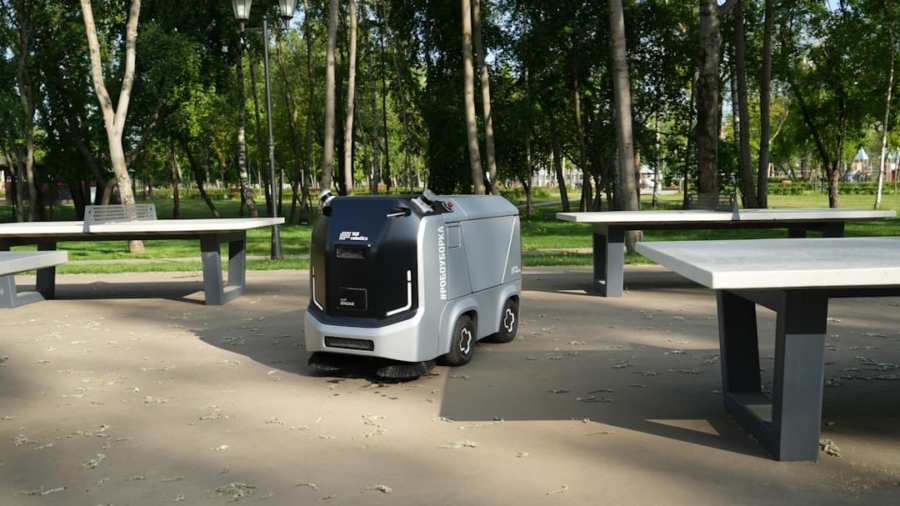
Autonomous delivery is growing, and it’s more than just self-driving vans on our streets. It’s a whole network of technologies and services working together to get things from point A to point B without a human driver in the loop.
Think robots zipping around sidewalks, drones flying overhead, and sophisticated software managing it all.
This isn’t science fiction anymore; it’s becoming a practical reality, and here’s a breakdown of what that looks like and why it matters.
So, what’s pushing this whole autonomous delivery thing forward? It’s a mix of practical needs and technological advancements that are finally making it feasible and, in some cases, even advantageous.
Meeting the Demand for Faster and Cheaper Delivery
Customers want things yesterday, and they don’t want to pay a fortune for it. Traditional delivery models are struggling to keep up.
The E-commerce Explosion
The relentless rise of online shopping means more packages than ever need to be moved. Businesses are actively seeking ways to fulfill these orders more efficiently and at a lower cost per drop.
Labor Shortages and Rising Costs
Finding and retaining delivery drivers is becoming a real challenge for many companies. The cost of labor is also steadily increasing, making human-driven delivery models less sustainable in the long run.
The Technological Maturity of Key Systems
Several pieces of the puzzle have finally come together.
Advances in AI and Machine Learning
The “brains” behind these autonomous systems are getting incredibly smart. AI is crucial for object recognition, path planning, decision-making in complex environments, and adapting to unpredictable situations.
Sophisticated Sensor Technologies
LiDAR, radar, high-resolution cameras, and GPS – these sensors provide the “eyes” and “ears” for autonomous vehicles. They allow them to perceive their surroundings with incredible detail and accuracy, even in challenging weather conditions.
Improved Battery Technology and Electric Powertrains
For many autonomous delivery bots and vehicles, electric power is the way to go. Advances in battery density and charging infrastructure are making electric autonomous solutions more practical and environmentally friendly.
Connectivity and Cloud Computing
Real-time data processing, remote monitoring, and the ability for vehicles to communicate with each other and with central management systems are all dependent on robust connectivity and powerful cloud infrastructure.
As the growth of autonomous delivery ecosystems continues to reshape logistics and consumer experiences, it’s interesting to explore how technology influences various sectors. For instance, the rise of innovative software solutions can enhance operational efficiency in these ecosystems. A related article that delves into the impact of technology on user experiences is available at The Ultimate Guide to the 6 Best DJ Software for Beginners in 2023, which highlights how software advancements can transform industries, much like autonomous delivery is transforming logistics.
Key Takeaways
- Clear communication is essential for effective teamwork
- Active listening is crucial for understanding team members’ perspectives
- Setting clear goals and expectations helps to keep the team focused
- Regular feedback and open communication can help address any issues early on
- Celebrating achievements and milestones can boost team morale and motivation
The Different Flavors of Autonomous Delivery
Autonomous delivery isn’t a one-size-fits-all concept. It’s manifesting in various forms, each suited to different use cases and environments.
Sidewalk and Micro-Mobility Robots
These are the small, often low-speed robots you might see navigating pedestrian pathways. They’re designed for short-distance, last-mile deliveries within campuses, urban neighborhoods, or business parks.
Use Cases and Applications
Imagine getting your lunch, groceries, or a package from one building to another without a human courier. These robots are great for:
- Campus deliveries: Universities, corporate campuses, and hospitals use them to ferry items between departments or to individual offices.
- Neighborhood grocery runs: Delivering pre-ordered groceries from a local store to nearby homes.
- Office package distribution: Internal mailroom services within large office buildings.
- Medical supplies: Urgent delivery of small medical items within healthcare facilities.
Operational Considerations
These robots typically operate at walking speeds, making them less disruptive. They rely on advanced navigation systems to avoid obstacles like pedestrians, cyclists, and street furniture.
Their payload capacity is usually limited to a few items.
Autonomous Drones for Aerial Delivery
Drones offer the advantage of speed and the ability to bypass ground-level congestion. They’re particularly suited for delivering smaller, lighter items to hard-to-reach locations or in emergencies.
Speed and Reach
Drones can cover ground quickly, making them ideal for urgent deliveries. They can also reach areas that are difficult or impossible to access by road.
Payload Limitations and Range
Currently, drone deliveries are typically limited to lightweight packages. Battery life also dictates their operational range, though this is continuously improving.
Regulatory Hurdles and Public Perception
Operating drones commercially involves navigating complex airspace regulations. Public acceptance is also a factor, with concerns often raised about noise and privacy.
Autonomous Vans and Trucks for Larger Loads
These are the more “traditional” looking vehicles, but without a human behind the wheel. They’re designed to carry larger payloads and cover longer distances.
Medium-Duty Autonomous Vehicles
These vans are being piloted for tasks like delivering goods between distribution centers and local stores, or for direct-to-consumer deliveries in suburban areas where routes are more predictable.
Long-Haul Autonomous Trucking
This is a major focus for the trucking industry. Autonomous trucks could revolutionize freight transport by operating more hours per day, reducing labor costs, and potentially improving safety by removing human error from highway driving.
Hub-to-Hub Models
A common strategy for autonomous trucks involves “hub-to-hub” operations. A self-driving truck might handle the long highway stretch between two logistics hubs, where human drivers then take over for the final, more complex urban delivery.
The Integrated Ecosystem: Software and Infrastructure
It’s not just about the vehicles; a whole system needs to be in place to manage and support autonomous deliveries.
Fleet Management Software
This is the central nervous system. It tracks vehicle location, status, battery levels, maintenance needs, and dispatches them efficiently. It also optimizes routes based on real-time traffic and delivery schedules.
Mapping and Navigation Systems
Highly detailed, frequently updated maps are essential. These aren’t just road maps; they include information about sidewalks, curbs, potential hazards, and geofenced areas where autonomous vehicles are permitted to operate.
Charging and Maintenance Depots
As fleets grow, dedicated charging stations and maintenance facilities will be crucial. These will need to be strategically located to minimize downtime.
Communication Networks
Reliable and secure communication is vital for vehicles to receive instructions, send back data, and interact with the management system and potentially with each other (V2V communication).
Challenges and Hurdles to Widespread Adoption

While the growth is undeniable, there are still significant obstacles to overcome before autonomous delivery becomes the norm.
Navigating Complex Urban Environments
Cities are not designed for robots.
Pedestrian and Cyclist Interactions
Sidewalk robots and autonomous vehicles will need to safely and predictably interact with a constant flow of people and other vehicles. This requires sophisticated perception and decision-making algorithms.
Diverse Road and Sidewalk Conditions
Potholes, uneven surfaces, construction zones, bad weather – these can all pose significant challenges for autonomous systems not designed for them.
Unpredictable Events
Sudden obstructions, jaywalkers, or emergency vehicles require quick and intelligent responses that current AI is still perfecting.
Regulatory Frameworks and Public Acceptance
The law and public opinion are catching up.
Evolving Legislation
Governments worldwide are grappling with how to regulate autonomous vehicles, including delivery bots. This includes issues of liability, safety standards, and operational permits.
Public Trust and Safety Concerns
People need to feel safe and comfortable with these new forms of delivery operating alongside them.
Incidents, even minor ones, can erode public trust.
Privacy Issues
The sensors on these vehicles collect data about their surroundings, raising questions about what data is collected, how it’s used, and who has access to it.
Technological Limitations and Reliability
Even with advances, there’s still room for improvement.
All-Weather Operation
Ensuring reliable operation in heavy rain, snow, fog, or extreme heat remains a significant technical challenge for many autonomous systems.
Cybersecurity Threats
As these systems become more connected, they also become potential targets for cyberattacks, which could disrupt operations or compromise safety.
Cost of Technology and Infrastructure
The initial investment in autonomous vehicles, the supporting software, and the necessary infrastructure can be substantial, posing a barrier for smaller businesses.
The Future Outlook: Integration and Innovation

Despite the challenges, the trajectory is clear: autonomous delivery is a wave that’s gaining momentum.
The Rise of Hybrid Models
It’s likely we’ll see a significant period of hybrid models, where human drivers and autonomous systems work in tandem.
Humans for Complex ‘Last Meters’
Human couriers may still handle the very final leg of delivery, especially for complex door access or when dealing with very elderly or disabled recipients.
Autonomous for Predictable Segments
Autonomous vehicles will take over the more repetitive, predictable parts of the journey, like highway transport or fixed routes within a campus.
Specialization and Niche Markets
Certain industries and use cases will be early adopters.
Medical and Pharmaceutical Delivery
The need for speed, security, and reliability in delivering critical medical supplies makes this a prime area for autonomous solutions.
Food Services and Groceries
Quick commerce and on-demand grocery delivery are perfect candidates for sidewalk robots and drones to reduce wait times and delivery costs.
Industrial and Logistics
Autonomous trucks and vans will transform long-haul freight and the movement of goods within large industrial complexes.
Continuous Technological Advancement
The pace of innovation is unlikely to slow down.
Enhanced AI for Real-World Complexity
Future AI will be even better at handling edge cases, understanding human intent, and making nuanced decisions.
Improved Sensor Fusion and Redundancy
Combining data from multiple sensor types and having backup systems will increase reliability and safety.
Swarm Intelligence and Fleet Coordination
More advanced systems will allow fleets of autonomous vehicles to coordinate their actions for maximum efficiency, like a synchronized dance.
As the growth of autonomous delivery ecosystems continues to reshape logistics and consumer behavior, it is essential to explore the broader implications of technology in various sectors. For instance, the integration of advanced software solutions is crucial for optimizing social media content strategies, which can significantly enhance brand visibility and engagement. To learn more about effective tools that can support these strategies, you can read this insightful article on the best software for social media content. This intersection of technology and delivery systems highlights the importance of innovation in driving efficiency across industries.
The Impact on Consumers and Businesses
| City | Number of Autonomous Vehicles | Number of Deliveries | Distance Covered (miles) |
|---|---|---|---|
| San Francisco | 150 | 500 | 1000 |
| Los Angeles | 200 | 700 | 1500 |
| New York | 180 | 600 | 1200 |
This shift isn’t just about technology; it’s about how we shop, how we work, and how businesses operate.
For Consumers: Convenience and Affordability
The ultimate goal for many is making delivery more accessible and less expensive.
Faster Delivery Times
Reduced human intervention and optimized routing can lead to significantly shorter delivery windows.
Lower Delivery Costs
As operational costs decrease due to automation, consumers could see lower fees or even free delivery become more common.
Increased Availability
Delivery services might become available at times and in locations where it was previously uneconomical.
For Businesses: Efficiency and New Opportunities
Companies stand to gain a lot from the efficiencies that autonomous delivery offers.
Operational Cost Reductions
Lower labor costs, reduced fuel consumption (especially with electric vehicles), and optimized routing all contribute to significant savings.
Scalability and Flexibility
Businesses can scale their delivery operations up or down more easily to meet fluctuating demand.
Access to New Markets
Autonomous delivery can open up possibilities for serving customers in areas previously excluded due to logistical challenges.
Data-Driven Insights
The wealth of data generated by autonomous fleets can provide valuable insights into logistics, customer behavior, and operational efficiency.
The growth of autonomous delivery ecosystems signifies a profound change in logistics. It’s a multifaceted evolution, driven by a confluence of technological progress and societal demands for speed, efficiency, and affordability. While challenges remain, the ongoing innovations and strategic integrations across various vehicle types, software platforms, and infrastructure are paving the way for a future where getting goods from point A to point B is increasingly seamless, intelligent, and independent of human hands for much of the journey.
FAQs
What is an autonomous delivery ecosystem?
An autonomous delivery ecosystem refers to a network of interconnected autonomous vehicles, drones, robots, and other technologies that work together to deliver goods and services without human intervention.
How are autonomous delivery ecosystems growing?
Autonomous delivery ecosystems are growing due to advancements in technology, increased demand for contactless delivery options, and investments from companies in the development of autonomous delivery solutions.
What are the benefits of autonomous delivery ecosystems?
The benefits of autonomous delivery ecosystems include increased efficiency, reduced delivery times, lower operating costs, and the ability to reach remote or hard-to-access areas.
What are the challenges facing autonomous delivery ecosystems?
Challenges facing autonomous delivery ecosystems include regulatory hurdles, safety concerns, public acceptance, and the need for infrastructure and technology development.
What industries are adopting autonomous delivery ecosystems?
Industries such as e-commerce, retail, healthcare, food delivery, and logistics are adopting autonomous delivery ecosystems to streamline operations and meet the growing demand for fast and efficient delivery services.
Enjoying our content? Make us a preferred source on Google:
Add us as a Preferred Source on Google