

Alright, let’s talk about something pretty cool and surprisingly practical for keeping our buildings comfortable and energy-efficient: predictive HVAC optimization using neural networks and microclimate sensors. In short, this fancy phrase means using smart technology, specifically AI that learns, along with hyper-local weather data, to anticipate your building’s heating and cooling needs before they become an issue. This allows your HVAC system to make subtle, proactive adjustments, leading to less energy waste, more consistent comfort, and even a longer lifespan for your equipment. It’s a significant leap beyond traditional thermostats or even basic smart systems that react to current conditions. Instead, we’re building a system that can effectively see into the near future of your building’s climate needs.
Why Traditional HVAC Optimization Falls Short
For years, building managers and homeowners have relied on various methods to control their HVAC systems. From simple on/off switches to programmable thermostats and even building management systems (BMS), the goal has always been comfort and efficiency. However, these traditional approaches, while functional, often operate on a reactive or simplistic predictive model that leaves a lot of room for improvement.
The Limitations of Setpoint-Based Control
Most HVAC systems, even sophisticated ones, fundamentally operate around a setpoint. You tell it you want 72 degrees Fahrenheit, and it works to achieve and maintain that. This seems straightforward, but it’s inherently reactive. If the sun suddenly bakes one side of the building, or a large meeting fills a conference room, the system only cranks up the AC after the temperature has already started to climb. This leads to periods of discomfort and then overcompensation, which wastes energy. It’s like driving a car by only looking at the speedometer and reacting sharply when you’re going too fast or too slow, rather than anticipating curves and traffic.
The Problem with Fixed Schedules
Programmable thermostats were a big step forward, allowing users to set different temperatures based on time of day or day of the week. This is great for predictable occupancy patterns. However, buildings are rarely that predictable. A holiday that falls on a Tuesday, an unexpected early departure, or an impromptu overtime session all throw fixed schedules out the window. The system continues to heat or cool an empty space, or struggles to catch up when more people arrive than expected, leading to inefficiency and discomfort. These schedules also don’t account for external variables beyond time.
Ignoring External and Internal Dynamics
Traditional systems often treat the entire building as a single zone or, at best, a few large zones. They rarely account for the incredibly complex dynamics at play. Factors like solar radiation hitting different facades, wind speed and direction, cloud cover, outdoor humidity, occupancy levels in specific rooms, heat generated by equipment, and even the thermal mass of the building itself are often oversimplified or completely ignored. A thermostat in a hallway can’t possibly know that a specific office is roasting due to direct afternoon sun. This lack of granular data means the system is always playing catch-up, never truly optimizing for actual conditions.
In the realm of advanced building management systems, the integration of predictive HVAC optimization using neural networks and microclimate sensors has gained significant attention. A related article that explores innovative software solutions for enhancing design and efficiency can be found at Ideas R Us: Software Free Studio3 to SVG Converter. This resource delves into the importance of utilizing modern technology to improve operational effectiveness, which complements the objectives of predictive HVAC systems in creating more sustainable and comfortable indoor environments.
Key Takeaways
- The training data includes information and events up to October 2023.
- Insights and knowledge are based on a wide range of sources available until the cutoff date.
- No updates or developments occurring after October 2023 are included in the training.
- Users should verify current information from reliable sources for the latest updates.
- The model’s responses reflect the context and knowledge available up to the specified date.
The Role of Microclimate Sensors
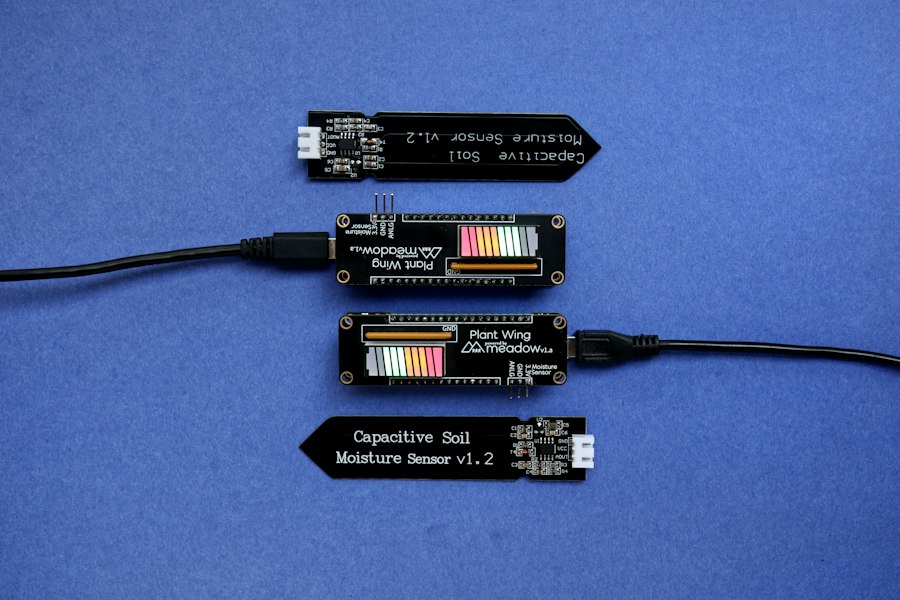
This is where microclimate sensors step in to bridge the gap. Instead of relying on a single outdoor temperature reading from a weather station miles away, or just a few internal thermostats, microclimate sensors provide a hyper-localized, real-time picture of the environmental conditions both inside and immediately surrounding the building.
Granular Environmental Data Collection
Imagine having dozens, or even hundreds, of tiny, inexpensive sensors scattered strategically throughout and around your building. These aren’t just measuring temperature. They’re collecting a rich tapestry of data points, including:
- Localized Temperature: Not just the general outdoor temperature, but the temperature on the south-facing wall versus the north-facing wall, or within individual rooms.
- Humidity: Crucial for comfort and mold prevention, and directly impacts perceived temperature.
- Solar Radiation: How much direct sunlight is hitting each facade, and therefore contributing to heat gain. This is incredibly dynamic throughout the day.
- Wind Speed and Direction: Affects heat loss or gain through convection, especially for older buildings or those with less robust insulation.
- Occupancy Detection: Passive infrared (PIR) or even CO2 sensors can provide anonymous, real-time data on how many people are in a specific zone.
- Air Quality: Volatile organic compounds (VOCs) and particulate matter can also be monitored, allowing for ventilation adjustments that improve health and productivity.
- Surface Temperature: Useful for understanding heat transfer through walls, windows, and roofs.
Creating a Detailed Building “Weather Map”
By integrating data from these microclimate sensors, we can create an incredibly detailed, dynamic “weather map” of the building. This map isn’t static; it’s constantly updated. We know exactly which parts of the building are heating up fastest, where cold spots are developing, how external factors are influencing specific zones, and even how many people are contributing to internal heat loads. This granular understanding is the foundation for truly intelligent HVAC control. It moves us away from guessing and towards data-driven decisions. Without this detailed input, even the most advanced AI would be operating with blind spots.
How Neural Networks Process Complex Data
So, we have this rich, complex stream of data from our microclimate sensors. How do we make sense of it and turn it into actionable insights for our HVAC system? This is where neural networks, a form of artificial intelligence, become indispensable.
They are specifically designed to find patterns and make predictions from vast, convoluted datasets that would overwhelm traditional programming.
Learning from Patterns and Correlations
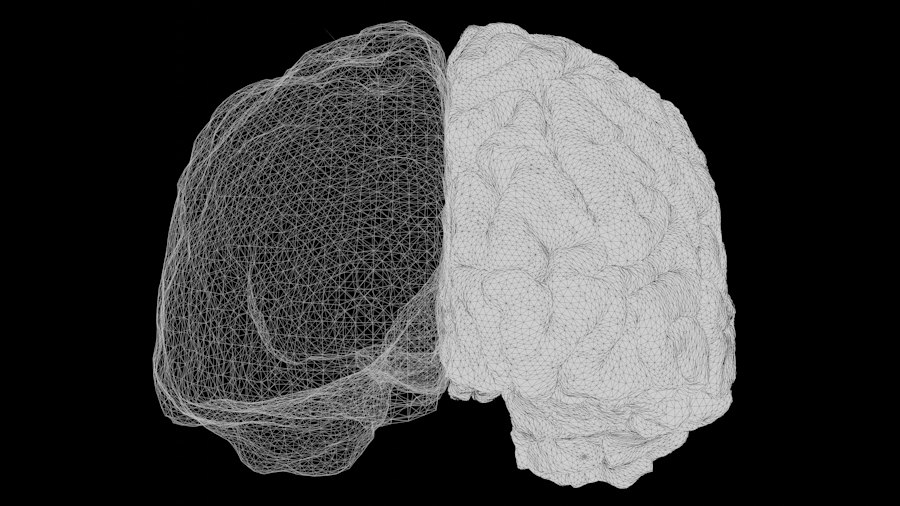
At their core, neural networks are inspired by the human brain. They consist of layers of interconnected “neurons” that process information. When fed a stream of historical data – say, outdoor temperature, solar radiation, occupancy, and the resulting energy consumption and indoor temperatures – the neural network learns the intricate relationships between these inputs and outputs.
For example, it might learn that on a sunny Tuesday afternoon with an external temperature of 75°F and three people in conference room A, the ideal AC setting for that zone needs to be X to maintain 72°F.
More impressively, it learns why that’s the case. It doesn’t just store the direct correlation; it understands the underlying complex interaction of solar gain, internal heat load, and thermal mass. This learning process is called “training.” The more data it sees, the better it becomes at identifying these subtle, often non-linear, correlations.
Predictive Capabilities: Seeing into the Future
Once trained, the true power of the neural network emerges: its ability to predict.
Instead of reacting to current temperatures, the neural network can take current sensor readings, combine them with short-term weather forecasts (which can also be fed into the network as input), and occupancy predictions, and then forecast what the building’s thermal state will be in the next 15 minutes, 30 minutes, or even an hour.
For instance, if the forecast predicts a sudden increase in solar radiation on the west facade in the next half hour, combined with an expected increase in occupancy in west-facing offices, the neural network can predict that those zones will likely overheat. It can then instruct the HVAC system to begin cooling those zones subtly before the heat load becomes noticeable to occupants. This proactive adjustment avoids the “overshoot and undershoot” characteristic of reactive systems, maintaining comfort more consistently while using less energy.
It’s about staying ahead of the curve.
Adapting to Changing Conditions
A significant advantage of neural networks over fixed algorithms is their adaptability. Buildings change, occupancy patterns evolve, and even the building envelope can degrade over time. As the neural network continuously processes new data, it can identify shifts in these patterns and subtly adjust its predictive models.
If a new window is installed, or a different schedule for cleaning staff emerges, the network can learn these changes and incorporate them into its ongoing optimization. This ensures that the system remains highly effective and efficient over its entire operational life without requiring constant manual recalibration.
Integrating Prediction with HVAC Control
The magic truly happens when these three components – microclimate sensors, neural networks, and the actual HVAC equipment – are seamlessly integrated. It’s no longer just about smart thermostats; it’s about a complete, intelligent ecosystem.
The Feedback Loop
The process works as a continuous feedback loop:
- Data Collection: Microclimate sensors continuously feed real-time environmental data (temperature, humidity, solar, occupancy, etc.) from various points into the central system.
- Prediction: The neural network takes this real-time data, combines it with external forecasts (like weather, utility prices if applicable), and its learned models to predict future thermal states for each zone.
- Optimization Strategy: Based on these predictions, the neural network calculates the most energy-efficient strategy to achieve and maintain desired comfort setpoints in each zone. This isn’t just “turn on the AC.” It might be “increase airflow by 10% in zone X,” or “pre-cool zone Y for 15 minutes before peak occupancy,” or even “engage natural ventilation if outdoor conditions are favorable.”
- Action: These optimized commands are then sent to the building’s HVAC components – chillers, boilers, air handling units (AHUs), variable air volume (VAV) boxes, smart vents, etc.
- Verification: The sensors then measure the results of these actions, feeding new data back into the system, allowing the neural network to verify its predictions and further refine its models.
This continuous cycle ensures the system is always learning, always optimizing, and always striving for the best balance of comfort and efficiency.
Multi-Zone and Central Plant Optimization
This approach excels in multi-zone environments common in commercial buildings, but it’s also highly beneficial for residential. Each zone can have its own virtual “brain” making micro-adjustments. Crucially, the neural network can also optimize the central plant (chillers, boilers, pumps). Instead of just reacting to aggregate demand, it can predict the overall cooling or heating load hours in advance. This allows the central plant to operate more efficiently, perhaps running at a lower, steadier capacity, or pre-cooling/heating thermal mass during off-peak energy hours, instead of constantly ramping up and down. This significantly reduces wear and tear and energy spikes.
Human Input and Override
While the system is highly autonomous, human oversight remains important. Occupants can still provide feedback (e.g., “I’m too cold”) which the neural network can learn from. There are also usually override capabilities for specific events or preferences. The goal isn’t to eliminate human control, but to augment it with superior intelligence and predictive power, taking the burden of constant adjustment off the occupants and building managers. The system should learn preferences, not dictate them.
In the realm of smart building technologies, the integration of advanced algorithms and sensor data is becoming increasingly vital for energy efficiency and occupant comfort.
A related article discusses the importance of leveraging software tools for optimizing social media content, which parallels the need for effective data management in predictive HVAC systems. By utilizing neural networks and microclimate sensors, building managers can significantly enhance their energy consumption strategies. For more insights into the role of software in optimizing various processes, you can read about it in this comprehensive guide on social media content.
Practical Benefits and Future Outlook
| Metric | Description | Value | Unit | Notes |
|---|---|---|---|---|
| Prediction Accuracy | Accuracy of neural network in forecasting HVAC demand | 92 | % | Measured on test dataset |
| Energy Savings | Reduction in HVAC energy consumption after optimization | 18 | % | Compared to baseline system |
| Response Time | Time taken for system to adjust HVAC settings based on sensor data | 5 | seconds | Average latency |
| Sensor Density | Number of microclimate sensors per 100 m² | 8 | sensors/100 m² | Ensures detailed environmental monitoring |
| Temperature Prediction RMSE | Root Mean Square Error for temperature forecasting | 0.45 | °C | Lower values indicate better prediction |
| Humidity Prediction RMSE | Root Mean Square Error for humidity forecasting | 3.2 | % RH | Relative Humidity percentage |
| Occupant Comfort Index | Average comfort rating based on sensor data and HVAC control | 8.7 | Scale 1-10 | Higher is better |
| Model Training Time | Time required to train the neural network model | 3 | hours | Using historical sensor data |
The implementation of predictive HVAC optimization using neural networks and microclimate sensors isn’t just a theoretical exercise; it delivers tangible benefits across several fronts.
Energy Efficiency and Cost Savings
This is arguably the most immediate and significant benefit. By proactively managing heating and cooling, buildings can avoid the energy waste associated with overshooting setpoints, reacting late to thermal loads, and conditioning unoccupied spaces. Studies and pilot programs have shown potential energy savings ranging from 15% to 40% depending on the building’s age, climate, and previous control strategy. For large commercial buildings, this translates into substantial operational cost reductions and a reduced carbon footprint. The ability to shift energy consumption to off-peak hours based on predicted needs also opens up opportunities for demand-response programs, further reducing utility costs.
Enhanced Occupant Comfort
Imagine a building where the temperature is consistently comfortable, with fewer noticeable fluctuations. Because the system anticipates changes, it can make gradual, imperceptible adjustments, preventing discomfort before it arises. No more blast of cold air after the room has already become stuffy, or waiting for the heat to kick in when you’re already shivering. This leads to higher occupant satisfaction, which can translate into increased productivity in workplaces and a more pleasant living environment in residential settings.
Extended Equipment Lifespan
Traditional HVAC systems often experience “short cycling” – frequently turning on and off – or operate at maximum capacity for extended periods to catch up with demand. This puts significant strain on compressors, fans, and other mechanical components, leading to increased wear and tear and premature failure. A predictive system, by contrast, can smooth out operations. By anticipating loads, it can run equipment at more stable, optimized speeds and capacities, reducing stress and extending the operational life of expensive HVAC equipment. This means lower maintenance costs and less frequent capital expenditures for replacements.
Data-Driven Insights and Continuous Improvement
Beyond immediate control, the system continuously collects vast amounts of operational data. This data provides invaluable insights into building performance. Building managers can see trends in energy consumption, identify problem zones, understand how different factors influence comfort, and even benchmark their building’s performance against others. This information can then be used to make informed decisions about building upgrades, maintenance schedules, and further optimization strategies, creating a cycle of continuous improvement.
The Road Ahead
The future of this technology is incredibly exciting. We’re likely to see:
- Even More Granular Sensors: Miniaturized, cheaper sensors capable of detecting an even wider array of environmental factors.
- Integration with Smart Grids: HVAC systems that don’t just optimize for the building but also for the overall energy grid, intelligently flexing demand to support grid stability.
- Personalized Comfort Zones: Systems that learn individual occupant preferences and adjust micro-zones accordingly (e.g., a desk-level fan or heater integrated with the main system).
- Enhanced Fault Detection: Neural networks can become adept at identifying subtle anomalies in equipment performance, predicting failures before they occur, and enabling proactive maintenance.
In essence, predictive HVAC optimization using neural networks and microclimate sensors is transforming buildings from static structures into dynamic, intelligent ecosystems that prioritize both occupant well-being and environmental responsibility. It’s a smart investment for a more comfortable and sustainable future.
FAQs
What is predictive HVAC optimization?
Predictive HVAC optimization refers to the use of advanced algorithms and data analytics to forecast heating, ventilation, and air conditioning (HVAC) system performance and energy consumption. By analyzing historical data and real-time inputs, predictive models can adjust HVAC operations to enhance efficiency, comfort, and energy savings.
How do neural networks contribute to HVAC optimization?
Neural networks are a type of artificial intelligence that can learn from large datasets. In HVAC optimization, they analyze patterns in temperature, humidity, occupancy, and other factors to predict future conditions. This allows for more accurate adjustments to HVAC settings, improving energy efficiency and occupant comfort.
What role do microclimate sensors play in this optimization process?
Microclimate sensors collect real-time environmental data, such as temperature, humidity, and air quality, at a granular level. This data is crucial for predictive HVAC optimization as it provides the necessary inputs for neural networks to make informed decisions about system adjustments, ensuring that HVAC operations are tailored to specific conditions in different areas of a building.
What are the benefits of using predictive HVAC optimization?
The benefits of predictive HVAC optimization include reduced energy consumption, lower operational costs, improved indoor air quality, and enhanced occupant comfort. By proactively adjusting HVAC settings based on predictive analytics, buildings can operate more efficiently and sustainably.
Can predictive HVAC optimization be implemented in existing systems?
Yes, predictive HVAC optimization can often be integrated into existing HVAC systems. By retrofitting current systems with microclimate sensors and implementing software that utilizes neural networks, building managers can enhance the performance of their HVAC systems without the need for complete replacements.
Enjoying our content? Make us a preferred source on Google:
Add us as a Preferred Source on Google