

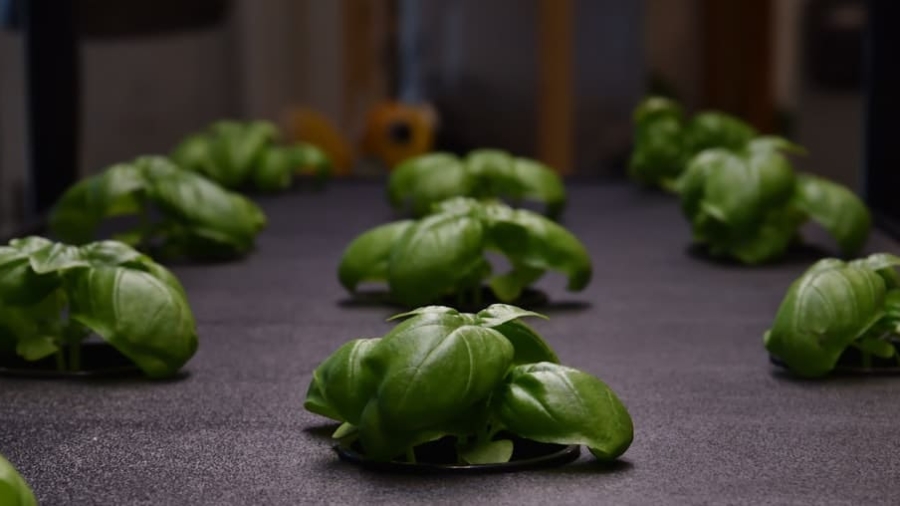
Let’s dive into a big question: how can we actually grow food in space using hydroponics? It’s not just about sticking a plant in water; it’s about creating mini Earths (or at least mini farms) on other planets or in orbiting habitats to keep astronauts fed. Think of it as setting up a smart, self-contained garden that doesn’t need soil. This is crucial for long-term space missions and colonization, making us less reliant on Earth for supplies.
The Foundation: Why Hydroponics for Space?
Forget the idea of astronaut farmers tilling Martian soil. The reality for space agriculture is likely to be a lot more controlled and efficient. Hydroponics, in its various forms, offers a compelling solution because it bypasses the need for dirt. Soil on other worlds is a complex beast: it might be toxic, sterile, or just not have the right stuff for plants. Hydroponics delivers nutrients directly to the roots in a water-based solution, giving us precise control over what the plants get. This is not only more efficient in terms of water and nutrient usage – which are precious commodities in space – but also allows for faster growth and higher yields. Plus, it significantly reduces the risk of introducing alien microbes that could be harmful to astronauts or the local (if any) ecosystem.
In exploring the potential for extraterrestrial agriculture, the article on optimizing hydroponic systems highlights the importance of efficient resource management and sustainability in space environments. For further insights into the significance of technology in enhancing our daily lives, you might find the article on the best antivirus software in 2023 informative, as it underscores the role of advanced technology in safeguarding our digital resources, much like how hydroponic systems aim to protect and optimize agricultural outputs in challenging conditions. You can read more about it here: the best antivirus software in 2023.
Nutrient Solutions: The Lifeblood of Space Hydroponics
The precise formula of the nutrient solution is probably the most critical element in any hydroponic system, and in space, it becomes even more paramount. We’re not just talking about NPK (nitrogen, phosphorus, potassium) here. We’re talking about micro-nutrients, pH levels, and electrical conductivity, all working in perfect harmony.
Essential Macro- and Micro-nutrients
Plants need a balanced diet. For hydroponics, this means supplying all the elements they’d typically get from soil.
Nitrogen (N)
Crucial for leafy growth and chlorophyll production. Too little, and plants will be stunted and yellow. Too much, and you risk burning them or encouraging excessive leafy growth at the expense of fruit production.
Phosphorus (P)
Essential for root development, flowering, and fruiting. It’s also vital for energy transfer within the plant.
Potassium (K)
Plays a role in water regulation, enzyme activation, and overall plant health. It helps plants resist disease and stress.
Calcium (Ca)
Important for cell wall structure and nutrient uptake. Deficiencies can lead to blossom end rot in some fruits.
Magnesium (Mg)
A central component of chlorophyll, making it vital for photosynthesis.
Sulfur (S)
Component of amino acids and proteins.
Micronutrients: A Tiny But Mighty Bunch
These are needed in smaller quantities but are just as vital. Iron (Fe) is crucial for chlorophyll synthesis, manganese (Mn) for photosynthesis and enzyme activity, zinc (Zn) for enzyme function and growth hormones, copper (Cu) for enzyme activity and plant metabolism, boron (B) for cell wall development and flowering, and molybdenum (Mo) for nitrogen metabolism. Getting the ratios of these right is a science in itself.
Salinity and EC: Keeping it in Check
The concentration of dissolved salts in the nutrient solution is measured as Electrical Conductivity (EC). Different plants have different EC preferences. Too high an EC can “pull” water out of the plant roots (osmotic stress), while too low an EC means the plants aren’t getting enough food. Monitoring and adjusting EC is a constant task, especially when dealing with closed-loop systems where water is recycled.
pH Levels: The Sweet Spot for Nutrient Absorption
The pH of the solution dictates how readily plants can absorb nutrients. Most hydroponic systems work best with a pH between 5.5 and 6.5. If the pH is too high or too low, certain essential nutrients can become locked up and unavailable to the plants, even if they are present in the solution. This requires regular testing and adjustment using pH up or pH down solutions.
System Design: Tailoring for the Void
The type of hydroponic system we choose for space will depend heavily on where it’s deployed and what we’re growing. Efficiency, reliability, and minimizing maintenance are key.
Deep Water Culture (DWC): Simple and Effective
In DWC, plant roots are suspended directly in a nutrient-rich, oxygenated water reservoir. It’s relatively simple to set up and operate.
Aeration: The Oxygen Factor
Crucial for DWC. Roots need oxygen to respire. In space, this means reliable, energy-efficient pumps and potentially backup systems. We might also explore methods to increase dissolved oxygen naturally or through more advanced techniques.
Nutrient Film Technique (NFT): Space-Saving and Efficient
NFT involves a thin film of nutrient solution flowing over the plant roots in a slightly sloped channel. This is very water-efficient and can be stacked vertically for maximum use of space.
Flow Rate Control: The Gentle Stream
Maintaining the correct flow rate is important in NFT. Too fast, and roots might not get enough contact time. Too slow, and oxygen depletion in the film can occur. Variable speed pumps and sensors could be useful here.
Aeroponics: The Future of Space Farming?
Aeroponics involves misting plant roots with nutrient solution, offering perhaps the highest levels of oxygenation and nutrient delivery. This can lead to very rapid growth.
Misting Nozzle Clogging: A Space Hazard
A major challenge with aeroponics is the potential for misting nozzles to clog, which could quickly starve the plants of water and nutrients. Developing clog-resistant nozzles or redundant systems would be critical.
Fogponics: An Evolution
A variation of aeroponics that uses ultrasonic humidifiers to create a fine fog, potentially improving oxygen delivery and nutrient absorption even further.
Wick Systems: Low-Tech, High Reliability
Wick systems use a wick to draw nutrient solution from a reservoir to the growing medium. They are simple, passive, and require little maintenance, making them attractive for back-up or low-power applications.
Resource Management: The Constraints of Space
In space, every gram of mass and every joule of energy counts. Our hydroponic systems need to reflect this reality.
Water Recycling and Conservation
Water is incredibly heavy to launch, so maximizing its reuse is paramount. Closed-loop systems that recirculate nutrient solution are the obvious choice.
Evaporation and Transpiration: Managing Losses
Even in closed systems, some water loss will occur through plant transpiration and evaporation from the reservoir surface. Understanding and mitigating these losses through smart system design (e.g., sealed reservoirs, humidity control) is key.
Water Purity and Filtration
As water is recycled, it’s essential to maintain its purity. Filters will be needed to remove any dead plant matter, microbial contaminants, or accumulated mineral salts that could disrupt the nutrient balance.
Energy Efficiency: Powering the Farm
Lighting, pumps, sensors, and environmental controls all consume energy. Optimizing these components for minimal power draw is crucial, especially in a power-constrained environment.
LED Lighting: The Spectrum of Success
LED grow lights are incredibly efficient and can be tuned to provide the exact wavelengths of light plants need for optimal growth, flowering, and fruiting, avoiding wasted energy on unnecessary spectrums. This also means less heat generation compared to traditional grow lights.
Smart Automation: The Brain of the Operation
Automated systems for monitoring nutrient levels, pH, temperature, and humidity can reduce the need for constant manual intervention and ensure optimal conditions around the clock, minimizing energy waste through precisely timed operations.
In the quest for sustainable food production beyond Earth, researchers are exploring various methods to enhance hydroponic systems for extraterrestrial agriculture. A related article discusses the importance of selecting the right technology for young learners, which can also be applied to developing educational tools for future astronauts. By integrating advanced hydroponic techniques with innovative learning resources, we can prepare the next generation for the challenges of space farming. For more insights on technology suitable for children, you can check out this article on best laptops for kids in 2023.
Environmental Control: Mimicking Earth’s Nurturing Conditions
Plants need more than just water and nutrients; they need the right atmosphere to thrive.
Temperature and Humidity: Finding the Balance
Maintaining an optimal temperature range and humidity level is crucial for plant health and growth. Too hot or too cold, humid or dry, and plants will suffer.
Integrated Environmental Control Systems
Space habitats will likely have general life support systems that can contribute to controlling these parameters. However, dedicated micro-climates for plant growth might be necessary to fine-tune conditions for specific crops.
Air Circulation and CO2 Enrichment
Plants need fresh air to respire and uptake carbon dioxide (CO2) for photosynthesis. Stagnant air can lead to disease and reduced growth.
CO2 as a Growth Booster
In a sealed environment, CO2 levels can become depleted. Supplementing with CO2 can significantly boost plant growth rates and yields, provided other conditions are optimal.
Choosing the Right Crops: What Works Best in Space?
Not all plants are created equal when it comes to space cultivation. We need to prioritize crops that are nutrient-dense, fast-growing, and have multiple harvestable parts.
Leafy Greens: The Easy Starters
Lettuces, spinach, kale, and other leafy greens are often the first crops trialed. They grow quickly, are relatively easy to manage, and provide valuable vitamins and minerals.
Fruiting Plants: The Next Frontier
Tomatoes, peppers, strawberries, and cucumbers are more challenging but offer significant nutritional and psychological benefits. Their success often depends on pollination, which can be done manually or with small robotic pollinators.
Root Vegetables: A Deeper Dive
While trickier in some hydroponic systems, crops like radishes and small carrots are being explored. They provide carbohydrates and can be stored more easily.
Legumes: Protein Powerhouses
Peas and beans are being considered for their protein content and ability to fix nitrogen, which can be beneficial for closed-loop systems.
Challenges and Future Directions: The Path Ahead
Despite the progress, there are still significant hurdles to overcome before hydroponic farms become a common sight on Mars or the Moon.
Contamination Control: Keeping it Clean
Preventing microbial contamination is a constant battle. Whether it’s bacteria in the nutrient solution or fungal spores in the air, early detection and robust sterilization methods are essential.
System Reliability and Maintenance
Space missions demand extreme reliability. Components must be robust, easy to repair, and ideally, self-diagnosing. What happens when a pump fails or a sensor malfunctions millions of miles from Earth?
Psychological Benefits of Fresh Food
Beyond sustenance, the act of growing and consuming fresh food has profound psychological benefits for astronauts. It can boost morale, reduce stress, and provide a connection to home.
Interplanetary Crop Research: Adapting for Alien Environments
Understanding how different plant species adapt to reduced gravity, altered light spectrums, and potentially different atmospheric pressures will be a continuous area of research.
Integration with Life Support Systems
The ultimate goal is to integrate plant growth systems seamlessly with spacecraft and habitat life support. Plants can help purify air by consuming CO2 and producing oxygen, and waste products from the plants could potentially be recycled.
In essence, optimizing hydroponic systems for extraterrestrial agriculture is a multi-faceted challenge that blends biology, engineering, and resource management. It requires meticulous planning, innovative solutions, and a deep understanding of plant needs. But the reward – the ability to sustain human life beyond Earth – makes it an endeavor well worth pursuing.
FAQs
What is hydroponic system?
A hydroponic system is a method of growing plants without soil, using nutrient-rich water solutions to deliver essential nutrients directly to the plant roots.
How can hydroponic systems be optimized for extraterrestrial agriculture?
Hydroponic systems can be optimized for extraterrestrial agriculture by developing efficient water and nutrient recycling systems, using LED lighting for plant growth, and designing compact and modular systems for space constraints.
What are the benefits of using hydroponic systems for extraterrestrial agriculture?
Hydroponic systems offer benefits such as efficient use of water and nutrients, faster plant growth, and the ability to grow crops in environments with limited access to soil or sunlight.
What are the challenges of using hydroponic systems for extraterrestrial agriculture?
Challenges of using hydroponic systems for extraterrestrial agriculture include developing reliable and energy-efficient systems, managing plant diseases in a closed environment, and ensuring the long-term sustainability of the system.
What are some examples of crops that can be grown using hydroponic systems for extraterrestrial agriculture?
Crops such as lettuce, spinach, tomatoes, and strawberries are examples of plants that can be successfully grown using hydroponic systems for extraterrestrial agriculture.
Enjoying our content? Make us a preferred source on Google:
Add us as a Preferred Source on Google