

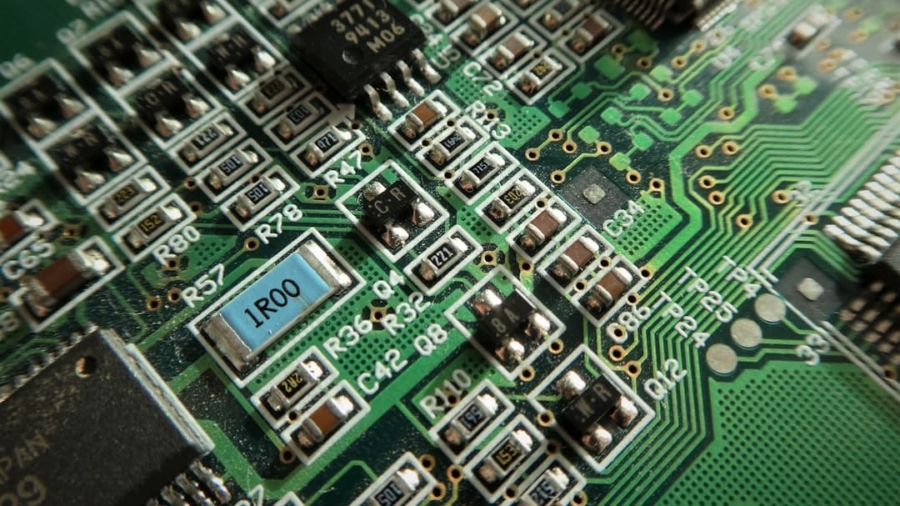
So, what exactly are biodegradable electronics, and how can they help us tackle that ever-growing mountain of e-waste? In a nutshell, biodegradable electronics are devices designed to break down naturally after their useful life, minimizing their impact on the environment. Think of them as electronics with a built-in expiration date that’s kind to the planet. This is a pretty big deal when you consider the sheer volume of electronic waste we generate annually.
The E-Waste Tsunami: A Problem We Can’t Ignore
Electronic waste, or e-waste, is a global crisis. From our smartphones to our laptops, the constant upgrade cycle means we’re tossing out perfectly functional (or nearly functional) devices at an alarming rate. This isn’t like tossing out an apple core; these devices often contain hazardous materials like lead, mercury, and cadmium, which can leach into soil and water, harming ecosystems and human health. Landfills are overflowing, and the economic and environmental cost of extracting the raw materials for new devices is staggering. We’re essentially digging up the earth to make things that we then bury again, often in less-than-ideal conditions.
In the quest for sustainable technology solutions, the development of biodegradable electronics is gaining significant attention as a means to address the growing e-waste crisis. These innovative materials not only reduce environmental impact but also pave the way for a circular economy in the electronics industry. For those interested in exploring how technology can be harnessed to improve service delivery in various sectors, including the NDIS, a related article can be found here: com/best-software-for-ndis-providers-a-comprehensive-guide/’>Best Software for NDIS Providers: A Comprehensive Guide.
This resource highlights the importance of integrating sustainable practices into software solutions, further emphasizing the need for eco-friendly advancements across all technological fields.
What Makes Electronics Biodegradable?
The concept of biodegradability in electronics hinges on the materials used. Unlike the persistent plastics and metals we’re accustomed to, biodegradable electronics are constructed from components that can be broken down by microorganisms over time. This doesn’t mean they’re going to dissolve in your hand the moment you buy them; they are designed for a functional lifespan, and then, when discarded responsibly, they start their natural decomposition process.
Moving Beyond Traditional Materials
The electronic industry has relied heavily on materials that are durable, conductive, and affordable. However, these very properties often make them resistant to degradation. The shift towards biodegradability requires a fundamental rethinking of what constitutes a suitable electronic material.
Plastics: The Usual Suspects
Traditional electronics are encased in petroleum-based plastics. These are incredibly slow to break down, contributing significantly to plastic pollution. For biodegradable electronics, researchers are exploring bioplastics derived from renewable resources like corn starch, sugarcane, or even algae. These materials can be engineered to maintain the necessary structural integrity for a device’s lifespan.
Metals: A Thorny Issue
Metals like copper, gold, and silver are essential for conductivity in electronics. While some metals are less toxic than others, they still represent a significant resource and can pose environmental risks if not managed properly. For biodegradable electronics, there’s work being done on using biodegradable conductive materials or designing systems where critical metal components can be easily recovered or are present in such small quantities that their environmental impact upon degradation is minimal. Think about the tiny amounts of gold in a smartphone connector – if that entire connector could safely degrade, the impact is far less than a whole discarded circuit board filled with less biodegradable materials.
Semiconductors: The Brains of the Operation
The tiny chips that power our devices are complex. Traditional silicon-based semiconductors are not biodegradable. Researchers are investigating alternative semiconductor materials, some of which are derived from organic compounds or even plant-based matter. This is a particularly challenging area, as semiconductors need to be highly efficient and stable.
How Do Biodegradable Electronics Work?
The functionality of biodegradable electronics is where the real innovation lies. Designers and engineers are working to ensure that these devices not only break down but also perform their intended functions effectively during their operational life.
Design for Disassembly and Degradation
A key principle in biodegradable electronics is designing for what’s called “end-of-life.” This means considering how the device will be disposed of right from the initial design phase.
Modular Design
One approach is to create modular electronics. This means the device is made up of smaller, interconnected parts. If one part fails, it can be replaced rather than discarding the whole unit. Crucially, for biodegradable electronics, modularity can also facilitate the separation of non-biodegradable components (if any remain essential) from those that are designed to break down.
Reduced Complexity
Simpler devices are often easier to make biodegradable. The push for ever-more complex, integrated circuits in current electronics is a hurdle. In the realm of biodegradable electronics, there’s a focus on achieving functionality with fewer components, and these components being designed with biodegradability in mind.
The Role of Microorganisms
The “biodegradable” aspect comes into play when the device is discarded. Under the right conditions – which can vary depending on the specific materials used – microorganisms like bacteria and fungi can break down the organic components of the electronic device.
Favorable Decomposition Environments
This doesn’t mean they’ll decompose in your backyard compost bin overnight, though that’s the ultimate goal for some applications. The conditions needed for efficient biodegradation might involve specific temperatures, moisture levels, or the presence of particular microbial communities. This understanding is crucial for developing guidelines on how to properly dispose of these devices to ensure they degrade as intended.
Controlled Degradation
There’s also research into controlled degradation. This means designing materials that break down at a predictable rate, perhaps triggered by specific environmental cues. This could prevent premature failure while ensuring timely decomposition.
Applications and the Future of Biodegradable Electronics
While still in its early stages, the potential applications for biodegradable electronics are vast and exciting. Imagine a world where your electronics don’t become permanent pollutants.
Disposable or Short-Lifespan Devices
Some of the first practical applications will likely be in devices that have a naturally short lifespan or are intended for single-use scenarios.
Medical Implants
Think about biodegradable sensors that are implanted temporarily in the body for monitoring. Once their job is done, they would simply dissolve, eliminating the need for a surgical removal. This could revolutionize how we approach diagnostics and treatment.
Environmental Sensors
Sensors deployed in remote or sensitive environments to monitor pollution, climate change, or wildlife could be made biodegradable. This would allow for widespread deployment without leaving a lasting environmental footprint. Once their monitoring period is over, they’d naturally disappear.
Smart Packaging
Even smart labels on food packaging that indicate freshness or origin could be made biodegradable, adding intelligence without adding to landfill waste.
Towards Fully Sustainable Consumer Electronics
The ultimate goal is to see biodegradable materials integrated into everyday consumer electronics like smartphones, laptops, and tablets. This is a more complex challenge due to the high performance and durability requirements of these devices.
The “Greening” of Core Components
Researchers are actively working on biodegradable alternatives for every component: screens, batteries, processors, and casings. This is a multi-disciplinary effort involving material science, chemistry, and electrical engineering. For instance, early research is exploring using cellulose-based materials for flexible displays that can degrade.
Energy Harvesting and Storage
Biodegradable batteries are a significant area of research. Current batteries contain heavy metals and electrolyte solutions that are hazardous. Developing power sources that can degrade safely is paramount for truly sustainable electronics.
Biodegradable electronics represent a promising solution to the growing e-waste crisis, as they utilize sustainable materials that can decompose naturally, reducing environmental impact. For those interested in exploring the broader implications of technology on sustainability, a related article discusses the best laptops for creative software like Blender, highlighting how advancements in technology can also align with eco-friendly practices. You can read more about it in this insightful piece on the best laptops for Blender in 2023.
Challenges and Hurdles to Widespread Adoption
Despite the promising outlook, there are significant challenges that need to be overcome before biodegradable electronics become commonplace.
Performance and Durability Limitations
The primary hurdle is often matching the performance and lifespan of current electronics. Biodegradable materials can sometimes be less durable, less conductive, or more susceptible to environmental factors like moisture and heat. Ensuring a device works reliably for its intended duration is crucial for user acceptance.
Cost of Production
Developing and manufacturing new biodegradable materials can be expensive, especially in the early stages of development. Bringing down production costs to make these electronics competitive with traditional ones is a major challenge.
Material Science and Engineering
Finding or creating materials that are simultaneously biodegradable, conductive, structurally sound, and cost-effective requires extensive research and development. This is an ongoing process.
Infrastructure for End-of-Life Management
Even if we have biodegradable electronics, we need the right systems in place to ensure they degrade properly. Simply throwing them in the regular trash might not be sufficient.
Disposal and Recycling Protocols
Specific disposal guidelines might be needed to ensure optimal biodegradation. This could involve designated collection points or composting facilities equipped to handle electronic waste.
The infrastructure for this doesn’t exist on a large scale yet.
Consumer Education and Awareness
People need to understand what biodegradable electronics are, how to use them responsibly, and how to dispose of them correctly. This will require significant public education campaigns.
Regulatory and Standardization Efforts
Clear regulations and standards are needed to define what constitutes a “biodegradable electronic” and to ensure that manufacturers are meeting these standards. This will help build consumer trust and prevent greenwashing.
Conclusion: A Beacon of Hope for a Cleaner Future
Biodegradable electronics represent a significant step towards a more sustainable future for technology. By designing electronics with their end-of-life in mind, and by harnessing the power of natural processes, we can begin to chip away at the monumental e-waste problem. It’s not a magic bullet, and there are many challenges ahead, but the progress being made offers a genuine and practical path forward. As researchers continue to innovate and manufacturers embrace these new materials and design philosophies, we can look forward to a world where our technology is not only intelligent and useful but also inherently responsible towards the planet. The journey is long, but each breakthrough in biodegradable materials and electronics design brings us closer to a truly circular economy for technology.
FAQs
What are biodegradable electronics?
Biodegradable electronics are electronic devices that are designed to break down and decompose into natural elements when they are no longer needed, reducing the environmental impact of electronic waste.
How do biodegradable electronics address the e-waste crisis?
Biodegradable electronics help address the e-waste crisis by providing a sustainable alternative to traditional electronic devices, which often end up in landfills and contribute to environmental pollution. By using materials that can naturally decompose, biodegradable electronics reduce the amount of electronic waste that accumulates in the environment.
What materials are used to make biodegradable electronics?
Biodegradable electronics are typically made from sustainable and environmentally friendly materials such as biodegradable polymers, cellulose, silk, and other natural substances. These materials are chosen for their ability to break down and return to the environment without causing harm.
Are biodegradable electronics as durable as traditional electronics?
While biodegradable electronics may not be as durable as traditional electronics in some cases, ongoing research and development are focused on improving the durability and performance of biodegradable materials. With advancements in technology, it is expected that biodegradable electronics will become more comparable to traditional electronics in terms of durability.
What are the potential benefits of biodegradable electronics?
The potential benefits of biodegradable electronics include reducing electronic waste, minimizing environmental pollution, and promoting sustainable manufacturing practices. Additionally, biodegradable electronics have the potential to contribute to a circular economy by encouraging the reuse and recycling of electronic materials.
Enjoying our content? Make us a preferred source on Google:
Add us as a Preferred Source on Google