

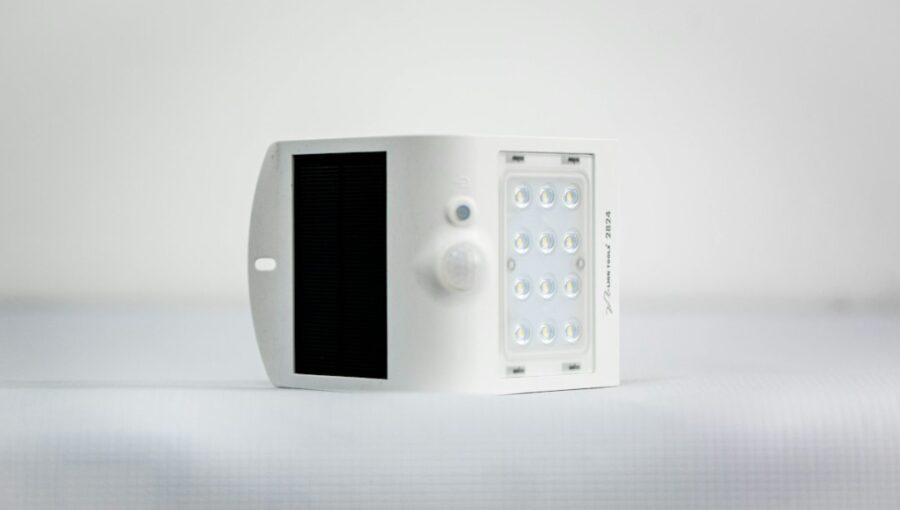
Millimeter wave (mmWave) presence sensors are generally better than traditional Passive Infrared (PIR) motion detectors when it comes to accurately detecting human presence, especially in situations where a person might be stationary. While PIR sensors are great at picking up movement and body heat, they often fail if someone is sitting still. MmWave sensors, on the other hand, use high-frequency radio waves to detect even tiny movements like breathing, making them much more reliable for applications requiring true presence detection rather than just motion.
Understanding the Basics: How Each Technology Works
To really get a handle on why one might be better than the other, it helps to understand the fundamental physics behind each sensor type. They’re designed to do a similar job – detect humans – but they go about it in very different ways.
Passive Infrared (PIR) Sensors: Heat and Movement
PIR sensors are essentially “heat” sensors. They don’t emit any energy themselves; instead, they passively detect infrared radiation (heat) coming from objects within their field of view. Every object with a temperature above absolute zero emits some level of infrared radiation, and human bodies, being warm, emit a good amount.
Inside a PIR sensor, there’s usually a pyroelectric sensor that detects these changes in infrared levels. What’s crucial here is the “change.” A PIR sensor works by having a segmented lens (often a Fresnel lens) that divides the detection area into several zones. When a warm body moves from one zone to another, or into and out of a zone, it creates a rapid change in the infrared energy received by the sensor. This rapid change is what triggers the detection.
The “Motion” Requirement of PIR
This design means that PIR sensors are inherently motion detectors. If a person stands perfectly still, even if they’re warm, the infrared pattern detected by the sensor remains constant, and thus, no detection is registered. This is a significant limitation in scenarios where you need to know if someone is still in a room, even if they’re just reading a book or working at a desk without much physical movement. Think of office lighting that turns off even though you’re clearly still there. That’s usually a PIR sensor at work.
Factors Affecting PIR Performance
Several things can mess with a PIR sensor. Ambient temperature is a big one; if the room is very warm, the contrast between a human body and the background might be reduced, making detection harder. Obstacles like furniture, cubicle walls, or even glass can block infrared radiation, creating blind spots. Air currents from HVAC systems or open windows can also cause false triggers by rapidly changing temperature patterns in the room.
Millimeter Wave (mmWave) Presence Sensors: Echoes and Tiny Movements
MmWave sensors operate on a completely different principle. They are active sensors, meaning they emit their own energy – in this case, high-frequency radio waves in the millimeter wave spectrum (typically 24GHz or 60GHz, though other frequencies exist). These waves bounce off objects in the environment, and the sensor then listens for the echoes.
By analyzing these reflected waves, the sensor can determine various characteristics of the objects, including their distance, velocity, and even very subtle movements. This is similar to how radar works, but at a much smaller scale and optimized for detecting human presence.
Detecting Micro-Movements with mmWave
The key advantage of mmWave sensors is their ability to detect extremely subtle movements. While PIR needs a warm body to move across detection zones, mmWave can pick up things like the rise and fall of a chest during breathing, or even slight shifts in posture. This is because these micro-movements cause tiny, measurable changes in the phase and frequency of the reflected radio waves.
Even if a person is completely stationary from a visual perspective, their body is still undergoing these minute movements, which mmWave sensors can reliably detect.
Penetration Capabilities
Another crucial difference is that mmWave signals can penetrate certain non-metallic materials, like drywall, glass, and some plastics. This doesn’t mean they’ll see through thick walls, but it does mean they’re less susceptible to being blocked by thin partitions, curtains, or even clothes, unlike infrared radiation. This can lead to more consistent detection without as many blind spots caused by minor obstructions.
In exploring the advancements in motion detection technology, a related article discusses the best niche for affiliate marketing on TikTok, which can be found at this link. This article highlights how innovative products, such as millimeter wave presence sensors, are gaining traction in various markets, including social media platforms like TikTok. By comparing these cutting-edge sensors to traditional PIR motion detectors, marketers can better understand the potential for promoting smart home technology and other related products to a tech-savvy audience.
Key Takeaways
- The training data includes information and events up to October 2023.
- Insights and knowledge are based on a wide range of sources available until the cutoff date.
- No updates or developments occurring after October 2023 are included in the training.
- Users should verify current information from reliable sources for the latest updates.
- The model’s responses reflect the context and knowledge available up to the specified date.
Key Differences in Performance and Reliability

Now that we understand how they work, let’s dive into the practical implications of these different operating principles. This is where the rubber meets the road for real-world applications.
True Presence vs. Motion Detection
This is arguably the most significant distinction. PIR sensors excel at detecting motion. If someone walks into a room, sits down, and then starts typing frantically, a PIR sensor will likely keep the lights on. But if they lean back, close their eyes, and meditate for five minutes, the PIR sensor will eventually decide the room is empty and turn off the lights.
MmWave sensors, on the other hand, are designed for true presence detection. They can reliably tell if a person is still in the room, even if that person is completely motionless for extended periods. This is a game-changer for applications where continuous occupancy is important, not just momentary activity. Think about meeting rooms, private offices, or even restrooms.
Sensitivity to Movement
PIR sensors require a certain threshold of movement to trigger. The more subtle the movement, the less likely a PIR sensor is to detect it. This is why you often have to wave your arms around in a poorly configured PIR-controlled room.
MmWave sensors, due to their ability to detect micro-movements, are significantly more sensitive to even the slightest indications of human presence. This means fewer false negatives (lights turning off when someone is still there) and a much more seamless user experience.
Environmental Factors and Interference
Both types of sensors have their sensitivities, but they differ significantly.
PIR’s Vulnerabilities
- Temperature: As mentioned, ambient temperature can reduce the effectiveness of PIR sensors. If the room is close to body temperature, the contrast diminishes.
- Air Currents: HVAC vents, open windows, or even a fan can create rapid temperature fluctuations that mimic a moving heat source, leading to false positives.
- Obstructions: Anything that blocks line-of-sight to the heat source (furniture, plants, glass, cubicle walls) creates dead zones.
- Sunlight/Direct Heat: Direct sunlight or heat from other sources (heaters, computers) can saturate the sensor or create false triggers.
MmWave’s Vulnerabilities
- Large Metallic Objects: While mmWave can penetrate some materials, large metallic objects can reflect or absorb the waves, potentially creating blind spots or interfering with detection.
- Other RF Sources: While typically designed to operate on specific frequencies, very strong, unshielded radio frequency interference could theoretically affect performance, though this is less common in typical environments.
- Vibration: In extremely noisy mechanical environments, strong vibrations might interfere, though most applications don’t face this.
- Multiple People: In very crowded environments with many people moving simultaneously, distinguishing individual presences can become more complex for some mmWave systems, though advanced algorithms are constantly improving this.
Detection Range and Coverage
Both technologies offer varying detection ranges and patterns depending on the specific model and lens/antenna design.
PIR Coverage Patterns
PIR sensors typically have a wide, fan-shaped detection pattern, often specified in degrees and distance. They are usually more effective when motion is perpendicular to the sensor’s field of view. Movement directly towards or away from a PIR sensor can be harder to detect because it doesn’t cross as many detection zones.
MmWave Coverage Patterns
MmWave sensors can also have various coverage patterns, from narrow beams to wider conical fields. They are generally less sensitive to the direction of movement relative to the sensor compared to PIR. Their ability to “see through” minor obstructions can also mean more consistent coverage within a room. The range can be quite impressive, with some sensors capable of covering large areas.
Practical Applications and Use Cases

Understanding the technical differences helps us see where each sensor truly shines. It’s not always about one being “better” universally, but rather which one is better for a specific job.
Where PIR Sensors Still Have a Place
Despite the advantages of mmWave, PIR sensors remain a valuable and cost-effective solution for many applications, especially where simple motion detection is sufficient.
Basic Lighting Control
For areas like hallways, utility closets, or stairwells where people are generally moving through, PIR sensors are often more than adequate. They can reliably detect someone entering and exiting, and the need for “true presence” when someone is standing completely still is minimal.
Security Systems (Intruder Detection)
PIR sensors are a cornerstone of many security systems.
Their primary function is to detect an intruder moving through a protected area. False alarms from static presence aren’t an issue here; in fact, you want the alarm to trigger only when there’s movement.
Cost-Sensitive Applications
PIR sensors are generally less expensive to manufacture and purchase than mmWave sensors. For projects with tight budgets where advanced presence detection isn’t a critical requirement, PIR often wins on price.
Battery-Powered Devices
Because PIR sensors are passive (they don’t emit energy), they typically consume less power than active mmWave sensors.
This makes them a better choice for long-lasting, battery-powered devices where power efficiency is paramount.
Where MmWave Shines: True Presence Detection
MmWave sensors truly come into their own when the nuances of human presence detection are critical.
Smart Home and Office Automation
- Lighting Control: The prime example. No more waving your arms! MmWave ensures lights stay on as long as someone is in the room, even if they’re completely still at their desk or reading on a couch.
This dramatically improves user experience and energy efficiency.
- HVAC Control: Similar to lighting, mmWave can ensure heating or cooling systems remain active as long as a room is occupied, and shut off efficiently when truly empty. This prevents wasted energy while maintaining comfort.
- Occupancy Monitoring: For smart homes, knowing if a room is occupied can trigger other automations, like adjusting blinds, playing music, or arming/disarming specific security zones.
Meeting Room Management
One of the most frustrating aspects of modern offices is finding an empty meeting room only to realize it’s “reserved” but nobody is actually in it. MmWave sensors can accurately detect if a meeting room is truly occupied, allowing for more efficient booking systems and preventing “ghost” reservations.
Restroom Occupancy Monitoring
For facilities management, knowing real-time restroom occupancy can help direct people to less crowded facilities or even trigger cleaning services based on usage patterns rather than fixed schedules.
Elderly Care and Fall Detection (Non-Contact)
This is a powerful emerging application.
MmWave sensors can detect if someone has fallen and is lying still, distinguishing this from someone just sitting quietly. Because they are non-contact and preserve privacy (they don’t “see” like a camera), they are ideal for monitoring vulnerable individuals without being intrusive.
Retail Analytics
Understanding foot traffic and dwell time in different areas of a store can provide valuable insights for retail planning. MmWave can track presence more accurately than simple motion detectors, giving a better picture of customer engagement.
Desk Occupancy Monitoring
In hybrid work environments, knowing which desks are actually occupied in real-time can help manage hot-desking, allocate resources, and optimize office layouts.
Installation Considerations and Practicalities
Beyond the core technology, how you install and configure these sensors can significantly impact their performance. It’s not just about picking the right sensor, but also putting it in the right place.
PIR Sensor Placement
PIR sensors are very particular about placement.
- Line of Sight: Absolutely crucial. Any obstruction will create a blind spot.
- Avoid Heat Sources: Don’t point them at windows that get direct sunlight, HVAC vents, or radiators, as these can cause false triggers or reduce sensitivity.
- Optimal Angle of Movement: For best detection, place them so that people will typically walk across the sensor’s field of view, rather than directly towards or away from it.
- Height: Follow manufacturer recommendations. Too high or too low can reduce coverage or create dead zones.
- Mounting Surface: Avoid mounting on surfaces that vibrate, as this can interfere with the sensor.
MmWave Sensor Placement
MmWave sensors offer a bit more flexibility, but still have best practices.
- General Coverage: While they can penetrate some materials, direct line of sight to the general area you want to monitor is usually best for optimal performance.
- Avoid Large Metal Obstructions: Large metal cabinets, filing systems, or structural beams can block or reflect signals in unpredictable ways.
- Ceiling Mounting: Many mmWave sensors are designed for ceiling mounting, offering a wide, overhead view that can cover an entire room effectively, often with fewer blind spots than wall-mounted PIR sensors.
- Interference from Other RF: While generally robust, consider other strong RF emitters nearby (though this is rarely an issue for typical installations).
- Distance Calibration: Some mmWave sensors might require calibration to accurately define the detection zone and ignore areas outside of it.
Power Requirements
- PIR: Generally low power, often battery-operated, or drawing minimal power from a wired connection.
- MmWave: Being active sensors, they consume more power. They are typically wired (e.g., USB-C, POE, or mains power) and less commonly battery-powered for continuous operation, though low-power modes are improving.
Configuration and Adjustability
Both sensor types often come with settings that can be tweaked.
PIR Adjustments
- Sensitivity: How much movement/heat change is required to trigger.
- Time Delay: How long the light/device stays on after the last detected motion.
- Lux Sensor: Some include an ambient light sensor to prevent lights from turning on if there’s already enough natural light.
MmWave Adjustments
- Detection Range/Area: Often configurable to define the precise zone of interest.
- Sensitivity to Micro-Movements: Can be adjusted to fine-tune the level of subtlety required for detection.
- Presence Hold Time: Similar to PIR’s time delay, but for true presence.
- Occupancy Threshold: For advanced sensors, the ability to differentiate between single and multiple occupants.
When considering the advantages of millimeter wave presence sensors over traditional PIR motion detectors, it’s essential to explore various perspectives on sensor technology. A related article that delves into the nuances of different sensor types can provide valuable insights. For instance, you might find the discussion on the top-rated astrology software for PC and Mac intriguing, as it highlights the importance of selecting the right tools for specific needs, much like choosing the appropriate sensor for your space. To read more about these recommendations, you can visit this article.
The Future of Presence Sensing: Integration and Intelligence
| Feature | Millimeter Wave Presence Sensors | Traditional PIR Motion Detectors |
|---|---|---|
| Detection Technology | Millimeter wave radar (radio waves) | Passive Infrared (heat detection) |
| Detection Range | Up to 10 meters or more | Typically 5-7 meters |
| Detection Sensitivity | High sensitivity to small movements and presence | Sensitive mainly to larger motion and heat changes |
| Environmental Conditions | Works well in darkness, smoke, dust, and temperature variations | Performance can degrade in high temperature or obstructed views |
| False Alarm Rate | Lower false alarms due to advanced signal processing | Higher false alarms from pets, heat sources, or sunlight |
| Power Consumption | Moderate to high depending on model | Generally low power consumption |
| Installation Complexity | Requires more precise placement and calibration | Simple installation, often plug-and-play |
| Cost | Higher initial cost | Lower initial cost |
| Typical Applications | Smart buildings, security, occupancy sensing, gesture recognition | Basic motion detection for lighting and security |
The landscape of presence sensing is evolving rapidly, and both PIR and mmWave technologies are part of this future, often in complementary ways.
Hybrid Systems
One of the most promising trends is the combination of different sensor types. A hybrid system might use a PIR sensor for initial, broad motion detection (triggering lights quickly when someone enters a room) and then an mmWave sensor to maintain occupancy detection once the person is still. This leverages the strengths of both: PIR for quick response, mmWave for sustained accuracy, potentially optimizing both power consumption and user experience.
Another example could be PIR for broad area security with mmWave focused on critical zones for precise presence detection (e.g., a specific high-value item).
Machine Learning and AI
The data collected by mmWave sensors, especially the more advanced ones, is rich. It’s not just “person present” but can include velocity, direction, and even subtle breathing patterns. Applying machine learning and AI to this data can lead to even more intelligent systems.
- Fewer False Positives/Negatives: AI can learn to distinguish human presence from other environmental factors more effectively.
- Advanced Analytics: Beyond simple occupancy, AI could help understand traffic patterns, dwell times, and even distinguish between different types of movement.
- Activity Recognition: In the future, mmWave combined with AI might be able to infer activities (e.g., sitting, standing, walking) without the privacy concerns of cameras.
Privacy Considerations
This is an area where mmWave holds a significant advantage over camera-based systems. While mmWave detects presence and movement, it doesn’t capture visual information.
This is crucial for applications in offices, homes, and healthcare settings where privacy is paramount.
You get the benefit of accurate presence detection without the “big brother” feel. PIR sensors are also privacy-preserving as they only detect heat changes.
Miniaturization and Cost Reduction
As with most technologies, mmWave sensors are becoming smaller, more efficient, and more affordable. This will open up even more applications where they were previously too bulky or expensive. The integration of mmWave chips directly into other smart devices (like smart speakers or thermostats) is a likely future development.
Energy Efficiency and Sustainability
The primary driver for many presence sensor applications is energy efficiency. By ensuring lights and HVAC systems are only active when truly needed, these sensors play a crucial role in reducing energy consumption and contributing to sustainable building management. As energy costs rise and environmental concerns grow, the demand for accurate and reliable presence sensing will only increase, pushing the capabilities of technologies like mmWave further.
FAQs
What are millimeter wave presence sensors?
Millimeter wave presence sensors are advanced technology devices that use radio waves to detect the presence of people within a certain area. They are highly accurate and can detect subtle movements and gestures.
How do traditional PIR motion detectors work?
Passive Infrared (PIR) motion detectors work by detecting changes in infrared radiation within their field of view. When a person or object moves within the sensor’s range, it detects the change in heat signature and triggers an alarm or activates a light.
What are the main differences between millimeter wave presence sensors and traditional PIR motion detectors?
The main differences between millimeter wave presence sensors and traditional PIR motion detectors lie in their technology and capabilities. Millimeter wave sensors offer higher accuracy, can detect stationary individuals, and are less prone to false alarms compared to PIR sensors.
Which areas are more suitable for millimeter wave presence sensors over traditional PIR motion detectors?
Millimeter wave presence sensors are more suitable for areas where high accuracy and reliability are crucial, such as in security-sensitive locations, smart buildings, and healthcare facilities. They are also ideal for applications requiring precise occupancy detection.
Are millimeter wave presence sensors more expensive than traditional PIR motion detectors?
Generally, millimeter wave presence sensors are more expensive than traditional PIR motion detectors due to their advanced technology and higher accuracy. However, the benefits they offer in terms of reliability and performance may justify the higher cost in certain applications.
Enjoying our content? Make us a preferred source on Google:
Add us as a Preferred Source on Google