


Microgrids are essentially localized, independent power systems that can operate alongside or separately from the main electrical grid. They’re a fantastic way for communities to gain more control over their energy, enhance reliability, and integrate more clean energy sources. Think of them as miniature versions of the larger grid, complete with their own generation, storage, and loads, all managed intelligently. This allows them to keep the lights on even when the broader grid experiences outages, making them a cornerstone of resilient and sustainable community power.
Why Microgrids Matter for Community Resilience
When we talk about community resilience, we’re talking about the ability of a community to bounce back quickly from disruptions, whether they’re natural disasters, cyberattacks, or infrastructure failures. Traditional power grids, while generally reliable, are often centralized and can be vulnerable to widespread outages if a key component fails. Microgrids offer a decentralized solution, creating pockets of energy independence.
The Problem with Centralized Grids
Our existing large-scale grid infrastructure is a marvel of engineering, but it has inherent weaknesses. A single point of failure – a damaged transmission line, a downed substation, or a cyberattack on a central control system – can cascade into widespread blackouts. This leaves communities without power for essential services like hospitals, emergency shelters, and communication networks, significantly hindering recovery efforts. Furthermore, the sheer scale of the traditional grid makes it difficult to quickly isolate and repair issues, prolonging outages.
How Microgrids Boost Local Security
Microgrids, by design, are more localized and can “island” themselves from the main grid during an outage. This means they can continue to supply power to critical facilities within their defined boundaries. Imagine a hospital, a fire station, or a community shelter staying operational during a major storm while the rest of the town is dark. This localized resilience is a game-changer for emergency preparedness and community safety. It ensures essential services remain available, significantly reducing the impact of power disruptions on vulnerable populations.
Integrating Renewable Energy Locally
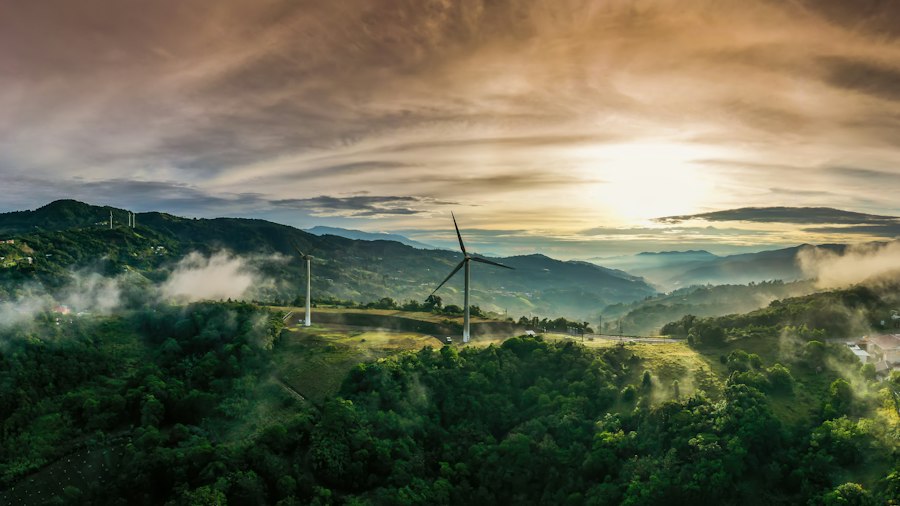
Another huge benefit of microgrids is their ability to seamlessly integrate local renewable energy sources like solar panels and wind turbines. This isn’t just about being green; it’s about diversifying the energy mix and reducing reliance on a single fuel source. When renewable energy is generated and consumed locally, it reduces transmission losses and can lower overall energy costs for the community. It also empowers communities to invest in and benefit directly from their own clean energy generation, fostering a sense of ownership and sustainability.
Microgrid architectures play a crucial role in enhancing the resilience of community clean power systems, enabling local energy generation and distribution that can withstand disruptions. For those interested in exploring how technology can further empower these systems, a related article on SEO tools for beginners can provide insights into optimizing online resources for better visibility. You can read more about this topic in the article available at Free SEO Tools for Beginners 2023.
Key Takeaways
- The training data includes information and events up to October 2023.
- Insights and knowledge are based on a wide range of sources available until the cutoff date.
- No updates or developments occurring after October 2023 are included in the training.
- Users should verify current information from reliable sources for the latest updates.
- The model’s responses reflect the context and knowledge available up to the specified date.
Common Microgrid Architectures
Microgrids aren’t a one-size-fits-all solution; their design, or “architecture,” depends heavily on the specific needs and resources of the community they serve. Understanding these different approaches is key to picking the right fit.
Grid-Connected Microgrids
This is probably the most common type of microgrid. A grid-connected microgrid operates in conjunction with the main utility grid, drawing power when needed and potentially feeding excess power back into it. The critical feature here is its ability to disconnect – or “island” – from the main grid during disturbances.
Seamless Transition to Island Mode
The magic of a grid-connected microgrid lies in its ability to switch between grid-connected and islanded modes almost instantaneously. When the main grid goes down, intelligent control systems detect the outage and quickly isolate the microgrid. This ensures a continuous power supply to the critical loads within the microgrid, often without even a flicker in service. This seamless transition is vital for maintaining operations in sensitive environments like data centers or hospitals.
Optimizing Energy Flow with the Main Grid
When connected to the main grid, these microgrids can be used to optimize energy consumption and generation. For example, they can charge their battery storage during off-peak hours when electricity is cheaper and then discharge it during peak hours to reduce demand from the main grid, saving money and reducing strain on the utility infrastructure. They can also provide grid services, such as frequency regulation, to the main grid, offering additional revenue streams for the microgrid owner.
Islanded Microgrids
As the name suggests, islanded microgrids operate completely independently from the main utility grid. They are entirely self-sufficient, generating all their own power and managing their own loads. These are often found in remote locations where connecting to the main grid is too expensive or impractical.
Self-Sufficient Remote Power
Think of isolated communities, research outposts, or remote industrial sites. For these locations, an islanded microgrid provides the only viable path to reliable electricity. They rely on a combination of generation sources, often including renewables like solar and wind, backed up by dispatchable generation like diesel generators or battery storage, to ensure consistent power supply. The design needs to be robust and carefully balanced to meet all demand without external support.
Energy Management in Isolation
Managing an islanded microgrid effectively requires sophisticated control systems. Since there’s no larger grid to fall back on, every watt generated and consumed must be carefully balanced. This involves precise forecasting of energy demand and renewable energy output, intelligent dispatch of generation sources, and potentially load shedding (temporarily reducing non-essential loads) during periods of high demand and low generation. Energy storage plays an even more critical role here to bridge gaps between generation and demand.
Hybrid Microgrids
Hybrid microgrids combine elements of both grid-connected and islanded systems, often incorporating multiple generation technologies. They offer flexibility and robustness by leveraging the strengths of different approaches.
Blending Renewable and Traditional Sources
A common hybrid approach involves integrating a significant amount of renewable energy (solar, wind) with a traditional backup generator (diesel, natural gas) and substantial battery storage. This setup allows the microgrid to maximize its use of clean, free energy from renewables, while the backup generator provides reliable power when renewables aren’t available or during extended outages.
The battery acts as a buffer, smoothing out the intermittency of renewables and providing immediate power.
Enhanced Flexibility and Reliability
The true power of hybrid microgrids lies in their adaptability. They can operate in grid-connected mode, islanded mode, or even a combination, depending on conditions and priorities. This flexibility makes them incredibly resilient. For example, a community might primarily run on solar and battery power, using a natural gas generator only during prolonged cloudy periods or emergencies. This layered approach significantly increases overall system reliability and provides multiple layers of redundancy.
Key Components of a Microgrid
Regardless of the architecture chosen, several core components are essential for any functioning microgrid. These elements work together seamlessly to generate, store, distribute, and manage power.
Distributed Energy Resources (DERs)
These are the power generation sources within the microgrid, located close to where the energy is consumed. The “distributed” aspect is key; it means power isn’t coming from one large central plant, but from multiple smaller sources.
Renewable Energy Generators
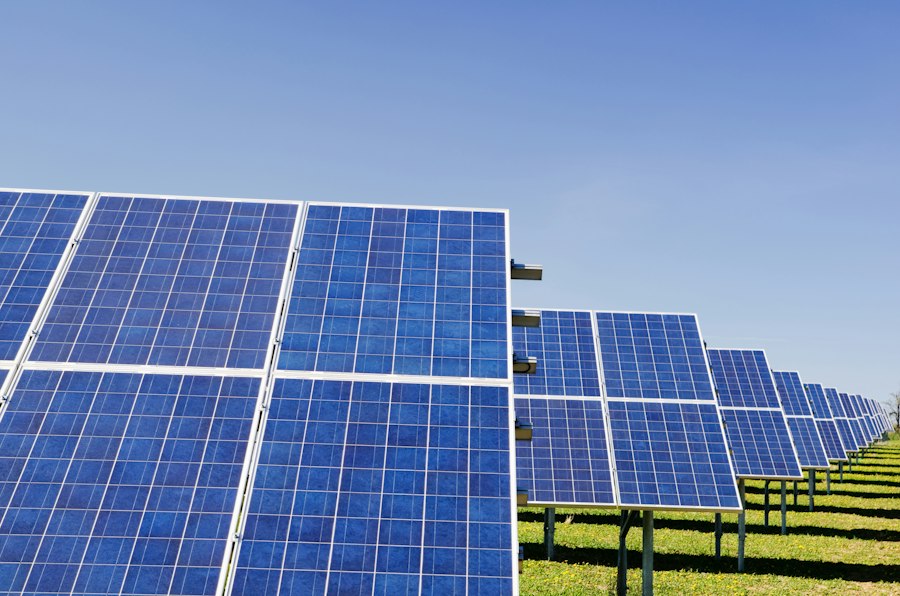
Solar PV (photovoltaic) panels and wind turbines are common examples.
They provide clean, sustainable power, though their output can be intermittent (dependent on sun and wind). The decreasing cost of these technologies makes them increasingly attractive for microgrids. Hydropower, biomass, and geothermal also fall into this category, depending on local resources.
Conventional Generators
These typically include diesel, natural gas, or propane generators.
They offer dispatchable power, meaning they can be turned on and off as needed, providing crucial backup and stability, especially in islanded or hybrid systems. While not “clean” in the same way as renewables, they provide reliability and can be used to balance the intermittent nature of renewable sources.
Combined Heat and Power (CHP)
CHP systems, also known as cogeneration, generate both electricity and useful heat from a single fuel source (like natural gas). This highly efficient approach maximizes energy utilization, as the waste heat from electricity generation is captured and used for heating buildings or industrial processes, further improving the microgrid’s overall efficiency and reducing energy waste.
Energy Storage Systems
These are vital for balancing energy supply and demand, especially with intermittent renewable sources.
They allow generated energy to be stored and used later.
Batteries
Lithium-ion batteries are the most common technology due to their improving cost, energy density, and cycle life. They can quickly store excess renewable energy and discharge it when needed, providing grid stability, backup power, and peak shaving capabilities (reducing demand during high-cost periods). Other battery technologies, like flow batteries, are also emerging for larger-scale, longer-duration storage.
Other Storage Technologies
Beyond batteries, other forms of energy storage exist.
Thermal energy storage (storing heat or cold), pumped hydro storage (using water reservoirs at different elevations), and even flywheels (storing kinetic energy) can play a role in larger or specialized microgrids. The choice of technology depends on the storage duration needed, capacity requirements, and specific application.
Intelligent Control Systems
This is the brain of the microgrid, coordinating all its components to ensure stable and efficient operation. Without it, a microgrid is just a collection of disconnected power sources.
Microgrid Controllers
These sophisticated software and hardware systems monitor the status of all DERs, storage, and loads in real-time.
They make decisions about when to generate power, when to store it, when to draw from or feed into the main grid, and when to island. They manage voltage and frequency stability, ensuring consistent power quality.
Advanced Metering Infrastructure (AMI)
Smart meters and communication networks provide the detailed data that the control system needs to operate effectively. AMI allows for granular monitoring of energy consumption at individual buildings or even appliances, enabling more precise load management and demand response programs where consumers can adjust their energy use based on real-time conditions.
Distribution Network
This refers to the physical infrastructure that carries electricity within the microgrid’s boundaries.
Wires and Transformers
Just like the larger grid, microgrids rely on wires to transmit electricity and transformers to step voltage up or down for efficient transmission and safe use by end-users.
The design of this network within the microgrid is critical for minimizing losses and ensuring reliable delivery.
Protective Devices
Circuit breakers, reclosers, and other protective devices are essential for isolating faults and preventing damage to equipment. In a microgrid, these devices need to be coordinated with the control system to ensure rapid fault detection and isolation, maintaining the integrity and safety of the local grid.
Planning and Implementing a Community Microgrid
Getting a microgrid off the ground requires careful planning, stakeholder engagement, and a clear understanding of local needs and regulations. It’s not a small undertaking, but the benefits often far outweigh the complexities.
Assessing Community Needs and Resources
Before any design work begins, it’s crucial to understand why a microgrid is needed and what resources are available.
Identifying Critical Loads
What absolutely must stay on during an outage?
Hospitals, emergency shelters, water treatment plants, communication hubs, and essential public services are common examples.
Prioritizing these loads helps define the necessary capacity and resilience requirements for the microgrid.
Inventorying Local Energy Resources
What’s available locally? Is there ample sunshine for solar? Consistent wind for turbines? Geothermal potential? Existing natural gas lines? Proximity to biomass sources? Understanding the available renewable and conventional resources helps shape the optimal generation mix for the microgrid. Also, consider existing energy infrastructure that could be integrated or repurposed.
Understanding Community Goals
Beyond just keeping the lights on, what are the community’s broader goals? Is it reducing carbon emissions, lowering energy costs, creating local jobs, or enhancing energy independence? These goals will heavily influence design decisions and funding strategies. Engaging community members early and often ensures the microgrid truly serves their interests.
Navigating Regulations and Incentives
The regulatory landscape for microgrids can be complex and varies significantly by region.
Utility Interconnection Rules
Connecting a microgrid to the main utility grid involves specific technical and legal requirements. This includes safety protocols, metering arrangements, and agreements on how power will be exchanged. Early engagement with the local utility is paramount to ensure a smooth interconnection process.
Permitting and Zoning
Like any major infrastructure project, microgrids require various permits and often need to comply with local zoning ordinances. This can involve environmental impact assessments, building permits, and electrical code compliance. Understanding these requirements early helps prevent delays.
Funding and Financial Incentives
Governments at various levels often offer grants, tax credits, and other incentives to encourage microgrid development, especially those incorporating renewable energy or enhancing resilience. Exploring these options can significantly improve the financial viability of a project. Public-private partnerships and community solar models are also common financing approaches.
Design and Construction Considerations
Once the planning is complete, the detailed design and construction phase begins.
System Sizing and Optimization
This involves determining the appropriate size of each component – generators, storage, inverters, and distribution infrastructure – to reliably meet critical loads and community goals. Sophisticated modeling tools are used to simulate different scenarios and optimize the system for cost-effectiveness, reliability, and sustainability.
Integration with Existing Infrastructure
A key challenge is often integrating the new microgrid components with existing electrical infrastructure. This requires careful engineering to ensure compatibility, safety, and efficient operation, minimizing disruptions during the transition. Upgrading existing distribution lines might be necessary.
Cybersecurity Measures
Because microgrids are increasingly controlled by digital systems, cybersecurity is a critical consideration. Protecting the control systems from cyber threats is essential to maintain operational integrity and prevent malicious actors from disrupting power delivery. This includes secure communication protocols, robust authentication, and regular security audits.
Microgrid architectures are increasingly recognized for their potential to enhance community resilience and promote clean power solutions. A related article discusses innovative software tools that can aid in the design and implementation of such systems, highlighting the intersection of technology and sustainable energy. For those interested in exploring how design software can contribute to effective microgrid development, you can read more about it in this insightful piece on furniture design software. This connection underscores the importance of integrating advanced tools in creating efficient and sustainable energy solutions for communities.
The Future of Community Microgrids
| Microgrid Architecture | Primary Energy Sources | Typical Capacity (kW) | Resilience Features | Community Impact | Average Uptime (%) |
|---|---|---|---|---|---|
| Islanded Microgrid | Solar PV, Battery Storage | 50 – 500 | Autonomous operation during grid outages | Reliable power for remote communities | 99.5 |
| Grid-Connected Microgrid | Solar PV, Wind, Diesel Generator | 100 – 1000 | Seamless transition between grid and island mode | Reduced carbon footprint and energy costs | 99.9 |
| Hybrid Microgrid | Solar PV, Wind, Battery, Diesel | 200 – 2000 | Multiple energy sources for enhanced reliability | Improved energy security and sustainability | 99.7 |
| Community Microgrid | Solar PV, Battery Storage, Demand Response | 50 – 300 | Local energy management and load balancing | Empowers local energy independence | 99.6 |
The trajectory for microgrids looks bright, driven by evolving technology, increasing climate challenges, and a growing desire for energy independence.
Advancements in Technology
We’re seeing rapid improvements across all aspects of microgrid technology.
Smarter Control Systems with AI
Artificial intelligence and machine learning are making microgrid control systems even more intelligent. AI can predict energy demand and renewable generation with greater accuracy, optimize energy storage dispatch, and even predict potential equipment failures, allowing for proactive maintenance. This leads to more efficient and reliable operations.
More Affordable and Efficient Storage
Battery technology continues to evolve rapidly. Costs are falling, energy density is increasing, and new chemistries are emerging that offer longer lifespans and improved safety. This makes energy storage increasingly accessible and central to microgrid designs, enabling higher penetration of intermittent renewables.
Modular and Standardized Solutions
The trend is moving towards more modular and pre-engineered microgrid solutions. This can significantly reduce design and installation times and costs, making microgrids more attractive for a wider range of communities. Standardized components and configurations simplify deployment and maintenance.
Expanding Applications and Benefits
Microgrids are moving beyond just critical infrastructure to broader community applications.
Urban and Rural Resiliency Hubs
Cities are exploring microgrids to create “resiliency hubs” that can support vulnerable populations during crises. These hubs might include community centers, libraries, or schools equipped with microgrids to provide power for heating, cooling, charging devices, and communications. In rural areas, microgrids can provide reliable power where grid extensions are uneconomical.
Supporting Electric Vehicle Infrastructure
As electric vehicles (EVs) become more common, the demand on the grid will increase. Microgrids can play a crucial role by integrating EV charging stations, especially fast-charging hubs. They can use local renewable generation and storage to power these stations, reducing strain on the main grid and supporting sustainable transportation.
Energy Independence and Economic Development
For many communities, microgrids represent a path to greater energy independence, reducing reliance on external energy suppliers and volatile fuel markets. This local control can also foster economic development by creating local jobs in installation, operation, and maintenance, and by attracting businesses that value reliable and sustainable power. Ultimately, microgrids are not just about keeping the lights on; they’re about building stronger, more self-sufficient, and environmentally responsible communities.
FAQs
What is a microgrid architecture?
A microgrid architecture is a localized group of electricity sources and loads that can operate independently from the traditional centralized grid. It can connect and disconnect from the main grid to operate in grid-connected or island mode.
How does a microgrid empower resilient communities?
Microgrids empower resilient communities by providing reliable and continuous power supply during grid outages or emergencies. They can enhance energy security, reduce dependence on centralized utilities, and support critical infrastructure such as hospitals and emergency services.
What are the key components of a microgrid architecture?
The key components of a microgrid architecture include power sources (such as solar panels, wind turbines, and generators), energy storage systems (like batteries), control systems, inverters, and smart meters. These components work together to manage and distribute electricity efficiently.
How does a microgrid support clean power generation?
A microgrid supports clean power generation by integrating renewable energy sources like solar and wind power. By utilizing clean energy technologies, microgrids can reduce greenhouse gas emissions, promote sustainability, and contribute to a cleaner environment.
What are the benefits of implementing microgrid architectures in communities?
The benefits of implementing microgrid architectures in communities include increased energy reliability, lower energy costs, reduced carbon footprint, enhanced energy independence, improved grid resilience, and support for local economic development through job creation in the clean energy sector.
Enjoying our content? Make us a preferred source on Google:
Add us as a Preferred Source on Google