


Integrating home energy storage with bi-directional EV charging networks is essentially about making your house and electric car work together smarter to save you money and make your energy use more resilient. Think of it as a dynamic duo: your home battery stores excess solar or cheap off-peak grid power, and your EV battery can pitch in too, powering your home during outages or even sending power back to the grid when it’s most needed. It’s a powerful combination that moves us closer to a more sustainable and independent energy future, and it’s becoming more accessible than ever.
Why This Integration Matters Right Now
There’s a perfect storm brewing that makes combining home energy storage and bi-directional EV charging incredibly timely and beneficial. We’re seeing rapid advancements in battery technology, a growing adoption of electric vehicles, and increasing demand for residential energy independence and resilience.
The Rise of Electric Vehicles
The sheer number of EVs on the road is growing exponentially. These aren’t just transportation devices anymore; they’re essentially large batteries on wheels. With typical EV battery capacities ranging from 40 kWh to over 100 kWh, they represent a significant, often underutilized, energy asset right in your driveway. The potential to tap into this mobile energy storage is immense. It transforms your car from a pure consumer of electricity into a potential contributor to your home’s energy ecosystem.
The Push for Grid Resilience and Energy Independence
Extreme weather events, aging infrastructure, and escalating energy costs are making homeowners increasingly concerned about power outages and their reliance on the traditional grid. A home battery, paired with solar, offers a degree of independence. When you add a bi-directional EV into the mix, you effectively multiply your available storage, providing a more robust backup solution and enhancing your ability to weather grid disruptions without relying on noisy, polluting generators. It’s about taking more control over your energy supply.
Economic Incentives and Environmental Benefits
Beyond resilience, there are significant financial and environmental upsides. Time-of-use (TOU) electricity rates, which charge more during peak demand hours, make storing cheaper off-peak energy or self-generated solar for later use very attractive. Vehicle-to-Home (V2H) and Vehicle-to-Grid (V2G) capabilities allow you to participate in demand response programs, potentially earning you money or credits for providing grid services. Environmentally, it helps integrate more renewable energy by smoothing out intermittency and reducing reliance on fossil fuel power plants, especially during peak demand. It’s about optimizing your energy flow for both your wallet and the planet.
In exploring the future of sustainable energy solutions, the integration of home energy storage systems with bi-directional electric vehicle (EV) charging networks presents a promising avenue for enhancing energy efficiency and grid stability. A related article that delves into the technological advancements and implications of such integrations can be found at this link. This resource provides insights into how innovative technologies, much like those found in the latest smartphones, are shaping the landscape of energy management and consumer convenience.
Key Takeaways
- The training data includes information and events up to October 2023.
- Insights and knowledge are based on a wide range of sources available until the cutoff date.
- No updates or developments occurring after October 2023 are included in the training.
- Users should verify current information from reliable sources for the latest updates.
- The model’s responses reflect the context and knowledge available up to the specified date.
Understanding the Key Technologies Involved
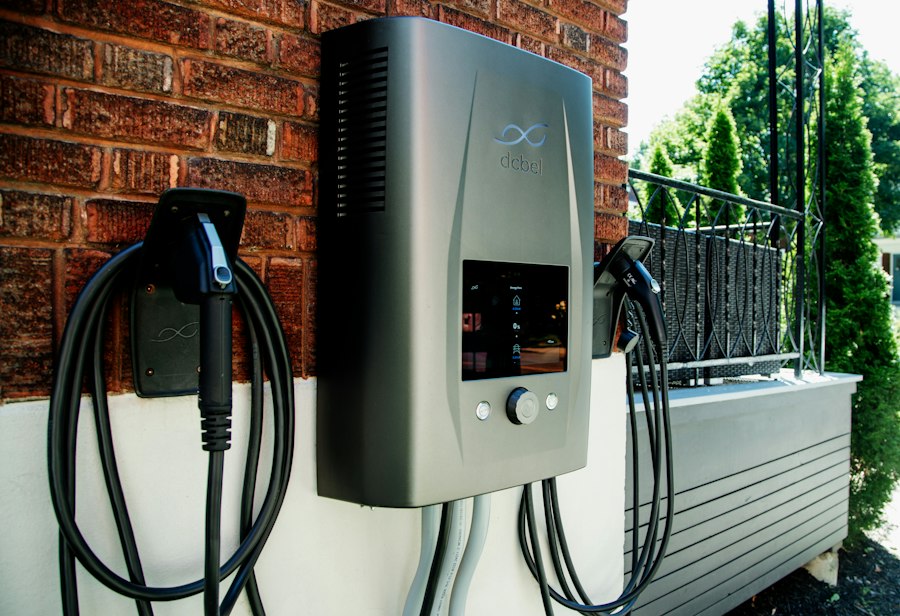
To really grasp how this integration works, it’s important to have a handle on the core technologies that make it all possible. It’s not just about having a battery; it’s about how everything talks to each other and manages the energy flow.
Home Energy Storage Systems (HESS)
These are essentially large rechargeable batteries installed in your home, typically paired with solar panels but can also be charged directly from the grid.
Components of an HESS
A typical HESS includes the battery pack itself (often lithium-ion), an inverter to convert DC power from the battery to AC power for your home (or vice-versa for charging), and a battery management system (BMS) that monitors and controls the battery’s health, charging, and discharging. There’s also often an energy management system (EMS) that orchestrates the overall energy flow between solar, grid, battery, and home loads. These systems are designed for long-term, static storage, providing backup power and optimizing energy consumption.
Advantages for Homeowners
Having an HESS allows you to store excess solar energy for use at night or during cloudy days, effectively increasing your solar self-consumption. It also provides critical backup power during outages, keeping essential appliances running. Furthermore, it enables you to participate in time-of-use arbitrage, buying cheaper electricity during off-peak hours and using it during expensive peak hours, thus reducing your electricity bill. It gives you a much greater degree of energy independence.
Bi-Directional EV Charging Technology
This is the lynchpin for integrating your EV into your home’s energy system. Unlike standard EV chargers that only flow power to the car, bi-directional chargers can send power from the car’s battery as well.
Vehicle-to-Home (V2H) Capabilities
V2H is precisely what it sounds like: your EV powers your home. When the grid goes down, or if you simply want to use stored energy from your car, a V2H-enabled charger can direct power from your EV battery to your house’s electrical panel. This is incredibly valuable for backup power, offering potentially days of emergency electricity depending on your car’s battery size and your household consumption. It’s often managed through an inverter and smart energy management system that prioritizes loads or manages battery levels.
Vehicle-to-Grid (V2G) Capabilities
V2G takes it a step further: your EV can send power back to the main electrical grid. This is a more advanced concept, often involving utility programs. Utilities might pay you or offer credits for discharging your EV’s battery during periods of high grid demand or when renewable energy generation is low. It helps stabilize the grid, integrate more renewables, and potentially turns your car into a revenue-generating asset. However, V2G adoption is still in its early stages due to regulatory, technical, and commercial complexities.
Necessary Hardware and Software
For bi-directional charging, you need a specific type of EV charger, often called a DC bi-directional charger or a V2H/V2G-enabled inverter. This charger needs to be compatible with your EV, as not all EVs currently support bi-directional power flow (though this is rapidly changing). Software is equally crucial, including an energy management system (EMS) that communicates with your home’s solar inverter, home battery, smart appliances, and the bi-directional EV charger to intelligently manage energy flow based on your preferences, electricity rates, and grid conditions. It’s the brain behind the whole operation.
How Home Batteries and EVs Work Together
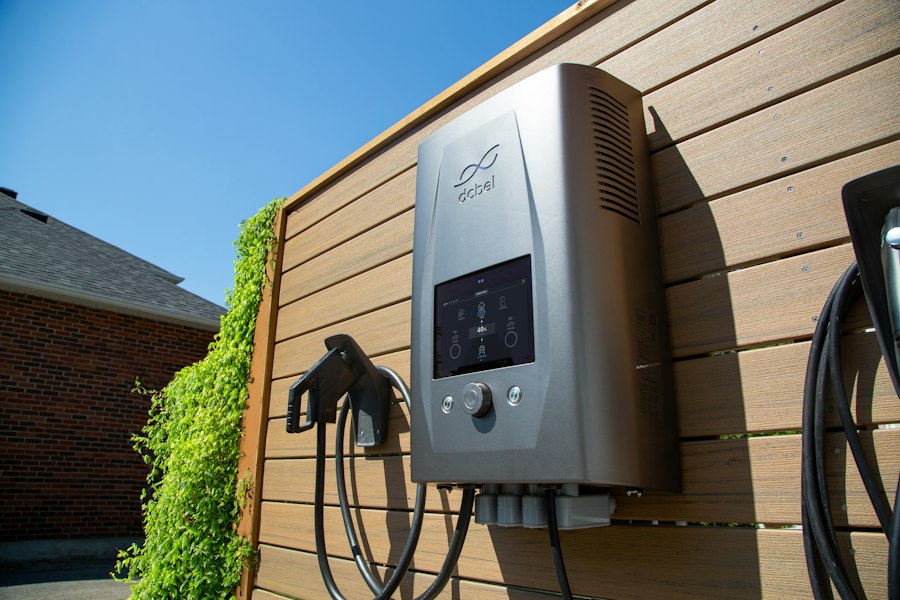
The real magic happens when these two powerful energy assets – your home battery and your EV battery – are orchestrated to work in harmony. It’s about creating a unified, intelligent energy system for your home.
Optimizing Energy Consumption and Costs
The primary driver for many is financial optimization. By intelligently managing energy flow, you can significantly reduce your electricity bills and even earn some money back.
Time-of-Use Arbitrage
This is where the financial benefits truly shine.
Many utilities offer time-of-use (TOU) rates, where electricity costs vary throughout the day, being most expensive during peak demand periods (e.g., late afternoon/early evening) and cheapest overnight. Your integrated system can be programmed to automatically charge your home battery and/or EV battery during off-peak hours when electricity is cheap (or from your solar panels during the day). Then, during peak hours, instead of drawing expensive power from the grid, your home can draw from your home battery or your EV, effectively “arbitraging” the price difference.
This can lead to substantial savings over time.
Maximizing Solar Self-Consumption
If you have solar panels, you know that excess generation during the day often gets sent back to the grid for minimal credit (net metering). With integrated storage, you can capture that excess solar energy in both your home battery and your EV battery. This means more of your self-generated clean energy is used directly by your home, reducing your reliance on the grid and maximizing the value of your solar investment.
Instead of exporting cheap power, you’re storing it to avoid buying expensive power later.
Participation in Demand Response Programs
Some utilities offer incentives for customers to reduce their electricity consumption during periods of high grid stress. With a combined home battery and EV system, you can respond to these calls more effectively. Instead of just turning off lights, your system can automatically discharge your home battery or EV battery to meet your household demand, reducing your draw from the grid during critical times.
This not only helps stabilize the grid but can also earn you financial incentives or bill credits from your utility. It turns your home into an active participant in grid management.
Enhancing Grid Resilience and Blackout Protection
Beyond saving money, the integrated system provides a robust solution for dealing with power outages, offering peace of mind and enhanced security.
Seamless Backup Power Transition
When the grid goes down, a well-integrated system can seamlessly switch your home’s power source. Instead of losing power, your home automatically isolates itself from the grid (a process called “islanding”) and begins drawing electricity from your home battery. If the home battery starts to run low, or if the outage is prolonged, the system can then intelligently tap into your EV’s battery to supplement the home battery, extending your backup power duration significantly.
This ensures your essential appliances remain operational for much longer than with a standalone home battery.
Extending Backup Duration Significantly
A typical home battery might offer 10-20 kWh of usable storage, which could power essential circuits for a day or two depending on usage. An EV, with its 50-100+ kWh battery, dramatically extends this. Imagine using your car’s battery to power your home for several days during a widespread outage.
This extended duration is a game-changer, providing unparalleled resilience and reducing the stress and inconvenience associated with prolonged blackouts. It turns your car into a mobile power station for your home.
Prioritizing Critical Loads During Outages
Advanced energy management systems allow you to prioritize which appliances receive power during an outage. For example, you might designate your refrigerator, medical equipment, and a few lights as critical.
The system will then ensure these loads are powered first, managing the discharge from both your home and EV batteries efficiently to maximize their uptime. Non-essential loads can be temporarily shut off to conserve energy. This intelligent load management ensures your most important needs are met during a crisis.
Challenges and Considerations for Adoption
While the benefits are clear, integrating home energy storage and bi-directional EV charging isn’t without its hurdles. Understanding these challenges is crucial for successful implementation and broader adoption.
Technical Complexities and Interoperability
Getting different devices from different manufacturers to work seamlessly together is a significant challenge.
Standards and Protocols
Currently, there’s a lack of universal standards for how EVs, bi-directional chargers, home batteries, and energy management systems communicate. This “interoperability” problem means that not all EVs are compatible with all bi-directional chargers, and not all chargers integrate smoothly with every home energy management system. As the industry matures, we need to see more standardized communication protocols (like Open Charge Point Protocol – OCPP, or specific V2G communication standards) to ensure devices can “talk” to each other effectively, regardless of brand. Without these, consumers are often limited to specific ecosystems, which can stifle competition and innovation.
Installation and Grid Connection Requirements
Installing a sophisticated integrated system is more complex than simply plugging in an EV charger. It often involves significant electrical work, including potentially upgrading your home’s main service panel, installing a critical load panel for backup power, and integrating multiple inverters (solar, battery, EV). Furthermore, connecting a V2G-capable system to the grid often requires specific utility approvals and permits. Utilities need to ensure that power flowing back to the grid is safe and doesn’t disrupt grid stability, which can lead to lengthy approval processes and additional equipment requirements.
Battery Degradation Concerns for EVs
A common concern for EV owners is whether frequent V2H/V2G use will accelerate battery degradation. EV batteries are designed primarily for driving cycles, not for daily deep cycling as a stationary energy storage unit. While modern battery management systems are very sophisticated and often limit discharge depths for V2H/V2G, the long-term effects of frequent energy cycling on an EV battery’s lifespan and warranty are still a subject of ongoing research and debate. Manufacturers need to provide clear guidance and, ideally, warranties that cover V2H/V2G use to alleviate consumer worries. It’s about finding the right balance between utilization and longevity.
Regulatory and Policy Landscape
The policy environment is still catching up to the technology, creating a complex and sometimes uncertain landscape.
Utility Regulations and Tariffs
Utilities traditionally operate under a one-way power flow model. Introducing bi-directional charging and power export from homes challenges this model. Regulations around compensation for power exported back to the grid (net metering vs. “value of solar” tariffs), interconnection agreements, and even the definition of an “electric vehicle” as a grid asset are still evolving. Some utilities are more progressive than others, offering pilot programs for V2G, while others remain hesitant due to perceived risks to grid stability or revenue streams. A clear and consistent regulatory framework is needed to encourage adoption.
Incentives and Rebates
While incentives exist for solar panels and standalone home batteries in many regions, specific incentives for bi-directional EV chargers or for integrating EV storage into a home energy system are less common. These specific incentives could significantly accelerate adoption by reducing the upfront cost, which is currently a major barrier. Government and utility programs could offer rebates for bi-directional chargers, tax credits for integrated systems, or even performance-based incentives for participating in grid services.
Cost and Accessibility
The upfront cost remains a significant barrier for many homeowners.
High Upfront Investment
A fully integrated system with solar, a home battery, and a bi-directional EV charger represents a substantial investment. While individual components are becoming more affordable, the combined cost, plus installation and any necessary electrical upgrades, can easily run into tens of thousands of dollars. This high initial outlay means the payback period might be long, making it inaccessible to a broader segment of the population without significant financial support or innovative financing models.
Limited Availability of Bi-Directional EVs and Chargers
While the number is growing, not all EVs currently support bi-directional charging. Some manufacturers are more advanced (e.g.
, Hyundai Ioniq 5/6, Kia EV6/EV9, Ford F-150 Lightning), while others are still developing the capability.
Similarly, bi-directional chargers themselves are less common and typically more expensive than standard Level 2 chargers. This limited availability creates a chicken-and-egg problem: consumers are hesitant to buy vehicles without charging infrastructure, and charger manufacturers are hesitant to scale production without widespread EV compatibility. This will improve with time, but it’s a current constraint.
In exploring the future of sustainable energy solutions, the integration of home energy storage with bi-directional EV charging networks presents a promising avenue for enhancing energy efficiency and reducing costs. A related article discusses the unique features of the Google Pixel phone, which, while primarily focused on technology, highlights the importance of innovation in everyday devices. This innovation can also be seen in the advancements of energy systems that support electric vehicles and renewable energy sources. For more insights on cutting-edge technology, you can read the article here.
The Future: Towards a Smarter and More Resilient Energy Ecosystem
| Metric | Description | Typical Value / Range | Unit |
|---|---|---|---|
| Home Energy Storage Capacity | Energy storage capacity of residential battery systems | 5 – 20 | kWh |
| Bi-Directional EV Charger Power Rating | Maximum power output/input for vehicle-to-home or vehicle-to-grid | 3.3 – 11 | kW |
| Round-Trip Efficiency | Energy efficiency of storage and charging system combined | 80 – 95 | % |
| Charging Time (Full Charge) | Time to fully charge EV battery using home storage or grid | 4 – 8 | hours |
| Vehicle-to-Home (V2H) Discharge Duration | Duration EV can supply power to home during outage | 2 – 6 | hours |
| Peak Load Reduction | Percentage reduction in peak household energy demand | 10 – 30 | % |
| Grid Export Capacity | Maximum power that can be fed back to the grid | 3 – 7 | kW |
| Battery Cycle Life | Number of full charge-discharge cycles before capacity degrades | 3000 – 5000 | cycles |
| System Cost | Cost of integrating home storage with bi-directional EV charging | 7000 – 15000 | units (currency excluded) |
| CO2 Emission Reduction | Estimated reduction in household carbon emissions | 15 – 40 | % |
Looking ahead, the integration of home energy storage and bi-directional EV charging isn’t just a niche application; it’s a foundational component of a future where energy is cleaner, more resilient, and more democratized.
Advanced Energy Management Systems (AEMS)
The evolution of sophisticated AEMS will be central to unlocking the full potential of this integration.
AI and Machine Learning for Optimization
Future AEMS will leverage artificial intelligence and machine learning to optimize energy flow like never before. These systems will learn your household’s energy consumption patterns, predict solar generation based on weather forecasts, analyze real-time electricity prices, and even anticipate your driving schedule. They will then autonomously decide when to charge the home battery, when to charge or discharge the EV, and when to interact with the grid, always aiming for maximum savings and efficiency while maintaining your desired comfort levels and EV charge. It’s about proactive, intelligent energy decision-making, moving beyond simple programmed schedules.
Seamless Integration with Smart Home Devices
The AEMS will extend its reach to all smart devices in your home. Imagine your thermostat communicating with your energy system to pre-cool your house when electricity is cheap, or your smart appliances automatically deferring their operation to off-peak hours. This holistic approach means your entire home acts as a cohesive energy unit, responding dynamically to energy availability and cost, further maximizing efficiency and convenience. Your home will literally be thinking about energy.
Expanding Bi-Directional Capabilities
The landscape of bi-directional technology will broaden significantly.
More EVs with V2H/V2G Capabilities
As EV platforms are designed from the ground up to be more integrated with grid services, we will see an increasing number of electric vehicles natively supporting bi-directional power flow. This will become a standard feature, rather than a premium one, dramatically increasing the supply of available mobile energy storage. Manufacturers will compete not just on range and performance, but also on their vehicle’s energy contribution capabilities.
Standardized Protocols and Plug-and-Play Solutions
The industry will inevitably move towards standardized communication protocols and hardware interfaces. This will create a truly “plug-and-play” environment where any V2H/V2G-enabled EV can connect to any compatible bi-directional charger and seamlessly integrate with any home energy management system. This interoperability will reduce complexity, lower costs, and accelerate adoption by making the technology more accessible and user-friendly for the average consumer.
Grid Evolution and Utility Engagement
Utilities will play a crucial role in enabling and incentivizing widespread adoption.
Microgrids and Community Energy Sharing
The concept of individual homes acting as energy hubs will naturally extend to communities. Integrated homes with solar, batteries, and bi-directional EVs could form local microgrids, capable of operating independently during grid outages and sharing energy among themselves. This fosters a more resilient and decentralized energy infrastructure, reducing reliance on large, centralized power plants. Community batteries, coupled with V2G-enabled EVs, could become powerful assets for local energy stability.
New Business Models for Grid Services
Utilities will develop innovative business models to harness the aggregated power of residential storage. This could include direct payments or credits for V2G participants who provide grid services like frequency regulation, peak shaving, or voltage support. Aggregators might emerge to manage fleets of residential EV and home batteries, bundling their collective capacity to offer services to the grid. This transforms homeowners from passive consumers into active participants and potential revenue generators in the energy market. It’s about creating a true partnership between consumers and the grid, where everyone benefits from a more flexible and robust energy system.
Ultimately, integrating home energy storage and bi-directional EV charging is more than just a technological upgrade; it’s a step towards a fundamentally different way we interact with energy.
It empowers homeowners, strengthens grid resilience, and accelerates the transition to a sustainable future.
The challenges are real, but the potential rewards are immense, promising a future where our homes and cars work in concert to power our lives more efficiently and reliably than ever before.
FAQs
What is home energy storage?
Home energy storage refers to the use of batteries or other energy storage systems in residential properties to store excess energy generated from renewable sources like solar panels. This stored energy can be used during times when energy demand is high or when renewable sources are not generating electricity.
What is bi-directional EV charging?
Bi-directional EV charging allows electric vehicles to not only charge their batteries from the grid but also discharge energy back to the grid. This technology enables EVs to act as mobile energy storage units, providing flexibility to the grid and potentially reducing strain during peak demand periods.
How can home energy storage and bi-directional EV charging networks be integrated?
Integrating home energy storage and bi-directional EV charging networks involves connecting the energy storage systems in homes with the charging infrastructure for electric vehicles. This integration allows for the efficient use of stored energy, enabling EVs to charge when renewable energy generation is high and discharge energy back to the grid when needed.
What are the benefits of integrating home energy storage and bi-directional EV charging networks?
Some benefits of integrating these systems include increased grid stability, reduced peak demand on the grid, lower energy costs for consumers, and enhanced utilization of renewable energy sources. It also promotes a more sustainable and resilient energy system by leveraging the capabilities of both home energy storage and electric vehicles.
Are there any challenges to integrating home energy storage and bi-directional EV charging networks?
Challenges to integration include the need for standardized communication protocols between energy storage systems and EV chargers, regulatory barriers, cybersecurity concerns, and the upfront costs associated with installing both systems. Overcoming these challenges will be crucial for the widespread adoption and successful implementation of integrated home energy storage and bi-directional EV charging networks.
Enjoying our content? Make us a preferred source on Google:
Add us as a Preferred Source on Google