

So, you’ve got a smart home, and you’re probably wondering how to make it work for you, especially when it comes to your electricity bill. One of the biggest game-changers for that is understanding and working with dynamic grid tariffs. Think of it like this: the price of electricity isn’t fixed anymore; it changes throughout the day, and knowing when it’s cheap and when it’s expensive can save you a surprising amount of money. This article will break down exactly how you can manage your smart home energy consumption using these shifting prices, making your energy use smarter and your wallet happier.
Let’s get this out of the way first. Dynamic grid tariffs, often called time-of-use (TOU) or real-time pricing, are electricity rates that vary based on the time of day, and sometimes even the day of the week or the season. Unlike the old flat rates where you paid the same price per kilowatt-hour (kWh) no matter when you used it, dynamic tariffs reflect the actual cost of generating and delivering electricity.
The “Why” Behind the Shift
Why are utilities moving towards these tariffs? It’s largely about managing demand. When everyone wants electricity at the same time (usually during peak hours in the evening when people get home from work and start cooking, watching TV, etc.), the grid gets strained. This often requires using more expensive, less efficient power plants. Dynamic tariffs incentivize consumers to shift their energy usage to off-peak hours when demand is lower and electricity is cheaper to produce. It’s a win-win: lower costs for consumers who can adapt and a more stable, efficient grid for everyone.
Understanding Your Tariff Structure
The specifics of your dynamic tariff will vary depending on your energy provider. You’ll typically find a structure that divides the day into different price tiers.
Peak Hours: The Expensive Times
These are the periods of highest demand, and thus, the highest electricity prices. Think late afternoon and early evening. Running major appliances during these times will significantly increase your bill.
Off-Peak Hours: The Bargain Basement
These are the times when demand is lowest, usually overnight and sometimes mid-day. Electricity is cheapest during these periods, making them ideal for charging devices and running energy-intensive tasks.
Shoulder Hours: The In-Between
These are the transitional periods between peak and off-peak. Prices will be somewhere in the middle, and your savings potential might be less dramatic but still worth considering.
In the context of optimizing energy consumption in smart homes, a related article that explores current trends in technology and consumer behavior is available at this link: com/top-trends-on-tiktok-2023/’>Top Trends on TikTok 2023.
This article highlights how social media platforms are influencing the adoption of smart home devices and energy management solutions, which can play a crucial role in managing energy consumption effectively, especially with the implementation of dynamic grid tariffs. Understanding these trends can provide valuable insights for homeowners looking to enhance their energy efficiency while staying connected to the latest technological advancements.
Key Takeaways
- Clear communication is essential for effective teamwork
- Active listening is crucial for understanding team members’ perspectives
- Setting clear goals and expectations helps to keep the team focused
- Regular feedback and open communication can help address any issues early on
- Celebrating achievements and milestones can boost team morale and motivation
How Your Smart Home Can Be Your Energy Ally
This is where your smart home technology really shines. It’s not just about convenience; it’s about leveraging automation to respond to those changing electricity prices. Your smart devices, when connected and programmed correctly, can become your personal energy managers.
Smart Thermostats: Intelligent Climate Control
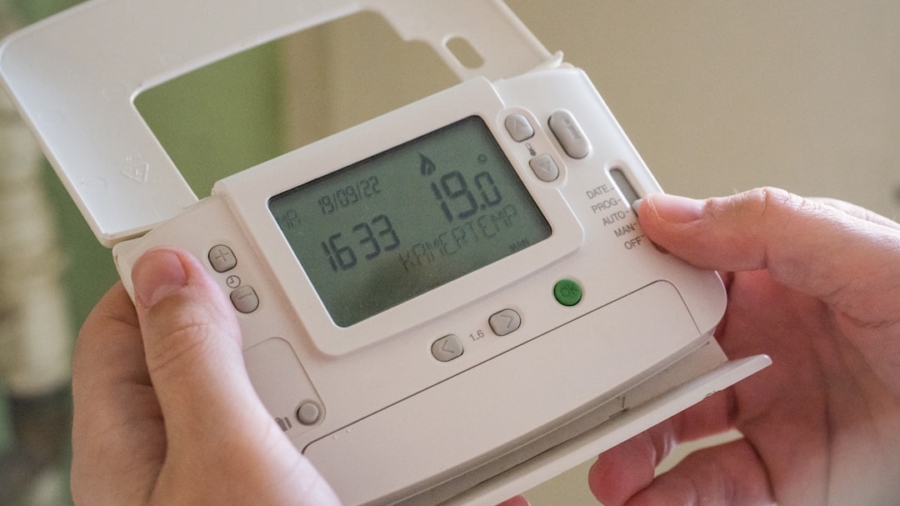
Your smart thermostat is probably one of the most powerful tools you have for managing dynamic tariffs. It learns your habits and can adjust your home’s temperature to take advantage of cheaper electricity.
Pre-heating and Pre-cooling
Instead of heating or cooling your home on demand during peak hours, your smart thermostat can do the bulk of the work during off-peak times. Imagine your heating system quietly working away overnight to bring your home to your desired temperature by morning, or your air conditioning pre-cooling your house on a warm afternoon before the evening peak hits. This significantly reduces the energy consumed during the most expensive periods.
Temperature Setback Strategies
Beyond pre-heating and cooling, smart thermostats can also implement programmed setbacks. This means they’ll allow the temperature to drift a little during peak hours, knowing that they can bring it back to your preferred comfort level later when electricity is cheaper. Many are sophisticated enough to do this without you even noticing a change in comfort.
Learning Your Schedule
Modern smart thermostats have learning capabilities. They observe when you adjust the temperature manually and build a schedule based on your typical presence at home. This learned schedule can then be overlaid with your dynamic tariff information for optimal energy savings.
Smart Plugs and Outlets: Controlling the Little Things
Don’t underestimate the power of smart plugs and outlets. They can turn any “dumb” appliance into a smart one, allowing you to control their energy usage remotely and on a schedule.
Scheduling Appliance Runs
Think about appliances that don’t need to run immediately. Your dishwasher, washing machine, or even your electric vehicle charger can be scheduled to run during off-peak hours. You load them up, set your desired start time for when electricity is cheap, and let them do their thing without you lifting a finger.
Identifying Energy Vampires
Many smart plugs have energy monitoring features. This means you can see exactly how much power individual appliances are consuming, even when they’re “off” but still plugged in (the notorious “vampire load”). Identifying these energy hogs allows you to target them with smart plugs to completely cut power during peak times.
Smart Appliances: Built for Efficiency
If you’re in the market for new appliances, consider those with smart capabilities and energy-saving features. Many modern refrigerators, ovens, and even washing machines are designed with dynamic tariff optimization in mind.
Delayed Start Functions
Many smart appliances offer a “delayed start” function. This is essentially the same principle as scheduling with smart plugs, but integrated directly into the appliance. You can set your oven to preheat at a specific off-peak time, or have your washing machine start its cycle overnight.
Eco Modes and Smart Scheduling
Some smart appliances have “eco modes” that automatically adjust their cycles to be more energy-efficient. When combined with dynamic tariffs, these modes can further enhance savings by prioritizing off-peak operation.
Smart Lighting: Beyond Just Dimming
Smart lighting systems offer more than just the ability to dim your lights or change their color. They can be integrated into your energy management strategy.
Timed Lighting Schedules
While not as energy-intensive as major appliances, consistent use of lighting adds up. Setting your lights to turn off automatically when no one is in the room, or to dim during certain hours, can contribute to savings, especially when coupled with dynamic pricing.
Integrating with Other Smart Devices
Imagine your smart lighting system dimming automatically during peak hours as part of a broader energy-saving routine triggered by your smart home hub. This interconnectedness is key to maximizing savings.
Setting Up Your Smart Home for Dynamic Tariffs

Simply having smart devices isn’t enough. You need to configure them to work effectively with your dynamic pricing. This involves a bit of planning and setup.
Connecting to Your Energy Provider’s Data
The most advanced level of integration involves your smart home system directly communicating with your energy provider’s data.
This allows for real-time adjustments based on current electricity prices.
Smart Home Hubs and Integrations
Your smart home hub (like Google Home, Amazon Echo, Apple HomeKit, or more specialized hubs like Hubitat) is often the central brain. Look for integrations that allow your hub to pull in dynamic tariff information. Some energy providers have apps that can push this data to your smart home ecosystem.
Demand Response Programs
Many utility companies offer “demand response” programs.
These programs incentivize you to reduce your energy consumption during critical peak events, often with financial rewards. Your smart home can be programmed to participate automatically in these programs.
Creating Smart Home Routines and Automations
This is where you define the “rules” for your smart home based on electricity prices. Most smart home platforms allow you to create routines or automations based on time of day, energy prices (if integrated), or other triggers.
“Good Morning” and “Good Night” Routines
These are classic smart home automations, but you can enhance them for dynamic tariffs.
For example, your “Good Morning” routine could also trigger your smart thermostat to start heating if it’s a cold day and overnight electricity was cheap.
“Peak Time” and “Off-Peak” Automations
Create specific automations that kick in when electricity prices are high or low. During peak times, you might set all non-essential devices to standby. During off-peak times, you could schedule your EV charger to begin its charge.
Utilizing Energy Monitoring Features
As mentioned earlier, many smart plugs and some smart appliances offer energy monitoring.
This data is invaluable for understanding where your energy is going and identifying optimization opportunities.
Tracking Usage Patterns
Regularly review your energy monitoring data. You’ll start to see patterns in your consumption, and you can then align your automated schedules to better match off-peak hours.
Identifying Unexpected Spikes
If you notice a sudden spike in energy usage during a particular time, the energy monitoring feature can help you identify the culprit, allowing you to adjust your automation or address the appliance.
Overcoming Common Challenges

While the benefits are clear, managing dynamic tariffs with a smart home isn’t always plug-and-play. There are a few common hurdles you might encounter.
Inconsistent Tariff Data or Access
Not all energy providers make their dynamic tariff data easily accessible to smart home systems. This can be a significant roadblock.
Manual Scheduling as a Backup
If direct integration isn’t possible, you might need to rely on manually setting schedules based on the tariff information provided by your utility. This is less ideal but still offers savings.
Third-Party Aggregators
Some companies act as intermediaries, collecting tariff data from utilities and making it available to smart home platforms. Research if such services are available in your region.
Balancing Savings with Comfort
The primary goal is to save money, but you don’t want to do it at the expense of your comfort or the functionality of your home.
Gradual Adjustments
When setting up your automations, start with small, gradual adjustments. You can always fine-tune your temperature setpoints or appliance run times based on your experience.
Prioritizing Essential Needs
Ensure that critical functions like refrigeration and essential heating/cooling are always managed with your comfort in mind, even if it means slightly less savings during certain times.
Complexity of Smart Home Systems
For some, the sheer number of smart devices and the process of setting up automations can be daunting.
Start Small
Don’t try to automate everything at once. Begin with your most energy-intensive appliances or your smart thermostat and gradually expand as you become more comfortable.
Online Resources and Communities
There are numerous online forums, YouTube tutorials, and community groups dedicated to smart home technology. These resources can be invaluable for troubleshooting and learning.
In the quest to optimize energy consumption in smart homes, understanding the impact of dynamic grid tariffs is crucial. A related article discusses the emerging trends in digital interactions and how they can enhance consumer engagement, which can be particularly beneficial for managing energy usage effectively. You can explore this connection further in the article on conversational commerce, where innovative technologies are reshaping the way consumers interact with services, including energy management solutions.
The Future of Smart Homes and Dynamic Energy
| Metrics | Value |
|---|---|
| Peak Energy Consumption | 25 kWh |
| Off-Peak Energy Consumption | 15 kWh |
| Dynamic Grid Tariff Savings | 30% |
| Smart Home Energy Management System Cost | 200 |
The integration of smart homes with dynamic grid tariffs is not just a trend; it’s the future of energy management. As more homes become connected and energy grids evolve, this synergy will only become more pronounced.
Grid Modernization and Smart Grids
The broader adoption of smart grids means utilities will have more sophisticated tools to manage energy flow. This will lead to more granular pricing and greater opportunities for consumers to participate in grid stability.
Two-Way Communication
Future grids will likely involve more two-way communication between utilities and consumers, enabling more dynamic and responsive energy management. Your smart home will be a key player in this exchange.
Increased Renewable Energy Integration
As we rely more heavily on renewable energy sources like solar and wind, which are inherently variable, dynamic tariffs become even more critical for balancing supply and demand. Your smart home can help absorb excess renewable energy when it’s abundant and cheap.
Advanced AI and Machine Learning
Artificial intelligence and machine learning will play an increasingly significant role. Your smart home systems will become even more adept at predicting energy prices, understanding your usage patterns, and optimizing your consumption with minimal or no manual intervention.
Predictive Optimization
Imagine your smart home system proactively adjusting your heating or cooling based on weather forecasts and predicted energy prices for the next 24-48 hours.
Personalized Energy Profiles
AI will enable the creation of highly personalized energy profiles for each household, tailoring energy management strategies to individual needs and preferences while maximizing savings.
The Role of Electric Vehicles (EVs)
Electric vehicles are becoming a significant energy load, and their charging habits offer a prime opportunity for dynamic tariff optimization.
Smart Charging
Smart charging technology allows your EV to charge during off-peak hours when electricity is cheapest. This can significantly reduce the cost of powering your vehicle.
Vehicle-to-Grid (V2G) Technology
In the not-too-distant future, V2G technology could allow your EV to not only draw power from the grid but also feed power back into it during peak demand, potentially earning you money and helping stabilize the grid. Your smart home would be the orchestrator of this complex interaction.
By understanding and actively managing your smart home’s energy consumption with dynamic grid tariffs, you’re not just saving money; you’re becoming an active participant in a more efficient and sustainable energy future. It takes a little effort to set up, but the long-term rewards in terms of cost savings and environmental impact are substantial. Your smart home is an investment, and using it to navigate dynamic energy pricing is a smart way to ensure you’re getting the most out of it.
FAQs
What are dynamic grid tariffs for smart home energy consumption?
Dynamic grid tariffs are pricing structures for electricity that change based on the time of day, demand, and other factors. These tariffs are designed to incentivize consumers to shift their energy usage to off-peak times, reducing strain on the grid and promoting energy efficiency.
How do dynamic grid tariffs impact smart home energy consumption?
Dynamic grid tariffs can encourage smart home devices to adjust their energy usage based on the current pricing. For example, a smart thermostat may adjust the temperature during peak pricing hours, or a smart dishwasher may delay its cycle until off-peak times.
What are the benefits of managing smart home energy consumption with dynamic grid tariffs?
By using dynamic grid tariffs to manage smart home energy consumption, consumers can potentially save money on their electricity bills, reduce strain on the grid during peak times, and contribute to overall energy efficiency and sustainability efforts.
What are some challenges associated with dynamic grid tariffs for smart home energy consumption?
One challenge is that consumers may need to actively monitor and adjust their energy usage to take advantage of dynamic grid tariffs, which can be time-consuming and complex. Additionally, not all smart home devices may be compatible with dynamic pricing structures.
How can consumers effectively manage their smart home energy consumption with dynamic grid tariffs?
Consumers can effectively manage their smart home energy consumption with dynamic grid tariffs by investing in smart devices that are compatible with dynamic pricing, utilizing energy management systems or apps, and being mindful of their energy usage patterns to take advantage of off-peak pricing.
Enjoying our content? Make us a preferred source on Google:
Add us as a Preferred Source on Google