

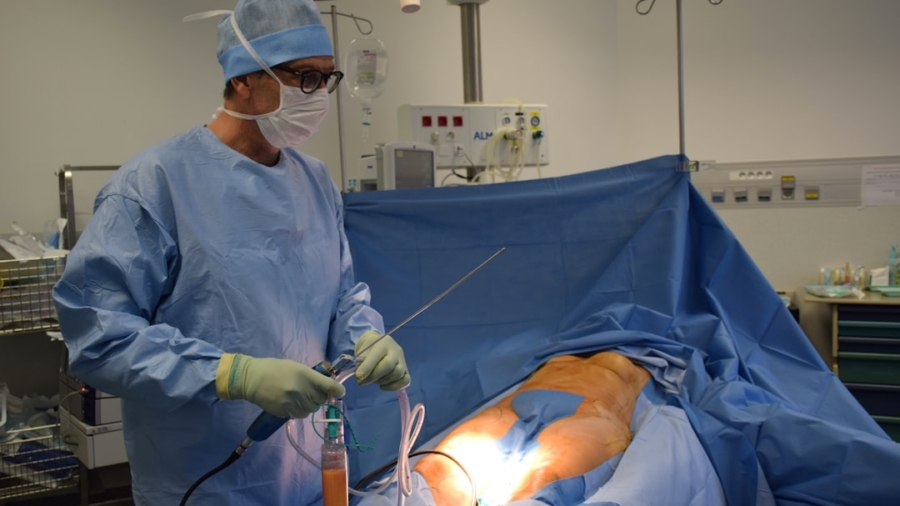
You’re probably wondering: are pig hearts really going into humans? The short answer is yes, they already have, and the field of xenotransplantation is moving faster than many people realize. We’re not just talking about science fiction anymore; we’re in the early stages of clinical trials, carefully and ethically exploring how animal organs, particularly pig hearts, might offer a lifeline to people facing end-stage organ failure.
This isn’t a quick fix, but a monumental scientific endeavor with profound implications for medicine.
The grim reality is that there’s a massive, persistent shortage of human organs for transplant. Every year, thousands of people die waiting for a suitable donor organ. While organ donation campaigns are vital and continue to save countless lives, they simply can’t keep up with demand. This unmet need fuels the search for alternative solutions, and xenotransplantation, the transplantation of organs or tissues between different species, has emerged as a promising, albeit complex, contender.
Why Pigs? The Ideal Donor Candidate
Of all the animal species considered, pigs have risen to the top as the most suitable donor for human xenotransplantation. This isn’t a random choice; it’s based on several practical and biological advantages.
- Size and Anatomy: Pig organs, particularly hearts and kidneys, are remarkably similar in size and anatomy to human organs, especially when genetically modified. This makes surgical implantation more feasible.
- Availability: Pigs are widely available, have a relatively short gestation period, and produce large litters. This means a potentially scalable source of donor organs, unlike the limited pool of human donors.
- Ethical Considerations: While any use of animals raises ethical questions, pigs are already raised for food and other biomedical purposes, making their use for organ donation somewhat more palatable to the public and ethical committees compared to primates.
- Genetic Modifiability: This is arguably the biggest game-changer. Advances in genetic engineering allow scientists to “humanize” pig organs, addressing the major hurdles of immune rejection and disease transmission.
The Historical Road to Current Trials
Xenotransplantation isn’t new; it has a long, often challenging history. Early attempts in the 20th century, using primate organs, were largely unsuccessful due to hyperacute rejection – the immediate, violent immune reaction by the recipient’s body. These early failures highlighted the immense biological barriers that needed to be overcome.
- Early Failures and Setbacks: The initial enthusiasm for xenotransplantation was met with stark reality. Without understanding the intricate immune responses, transplanted organs were quickly destroyed by the human recipient’s body.
- Focus on Immunosuppression and Genetics: These setbacks led researchers to focus on two main areas: developing more powerful immunosuppressive drugs and, crucially, understanding and modifying the genetics of the donor animal to prevent rejection. The shift from primates to pigs also marked a significant turning point, allowing for greater genetic manipulation.
In the context of advancing medical technologies, the article on Clinical Milestones in Xenotransplantation: Moving Pig Hearts into Human Trials highlights significant progress in the field of organ transplantation. This innovative approach could potentially address the critical shortage of human organs available for transplant. For those interested in exploring how technology is reshaping various industries, including healthcare, a related article on conversational commerce can provide valuable insights. You can read more about it here: What is Conversational Commerce?.
Key Takeaways
- Clear communication is essential for effective teamwork
- Active listening is crucial for understanding team members’ perspectives
- Setting clear goals and expectations helps to keep the team focused
- Regular feedback and open communication can help address any issues early on
- Celebrating achievements and milestones can boost team morale and motivation
Genetic Engineering: The Game Changer for Pig Organs
The ability to genetically modify pigs has transformed xenotransplantation from a biological impossibility into a tangible possibility. Without these modifications, a pig organ would be immediately rejected by the human immune system.
Eliminating Hyperacute Rejection: The Alpha-Gal Knockout
The primary barrier to successful xenotransplantation was hyperacute rejection. This violent immune response is triggered by a sugar molecule called alpha-gal (galactose-α-1,3-galactose), which is present on the surface of pig cells but not human cells. The human body naturally produces antibodies against alpha-gal, leading to rapid destruction of the pig organ.
- CRISPR and Gene Editing: Thanks to revolutionary gene-editing tools like CRISPR, scientists can now “knock out” the gene responsible for producing alpha-gal in pigs. This single modification largely prevents hyperacute rejection, a monumental step forward.
Further Modifications for Long-Term Survival
While removing alpha-gal was crucial, it wasn’t enough for long-term success. The human immune system is incredibly sophisticated and has multiple layers of defense. Therefore, researchers have introduced additional genetic modifications to pig donors.
- Adding Human Immunoregulatory Genes: Scientists introduce human genes into the pig genome that produce proteins designed to calm down the human immune response. These include genes like CD46, CD55, CD59, and thrombomodulin, which help to regulate complement activation and coagulation, further reducing the chances of rejection.
- Growth Control Genes: Some modifications aim to prevent the pig organ from continuing to grow uncontrollably within the human body, an issue particularly relevant for younger recipients.
- Controlling Immune Cell Activity: Other modifications target specific immune cell pathways to reduce chronic rejection, a slower but equally destructive process.
The First Human Clinical Trials: A Cautious Step Forward

The theoretical promise of genetically modified pig organs finally transitioned into actual human trials in the early 2020s. These initial trials, while limited in number, have provided invaluable insights and demonstrated that xenotransplantation is indeed possible.
The recent advancements in xenotransplantation, particularly the progress in moving pig hearts into human trials, have sparked significant interest in the medical community. These clinical milestones not only highlight the potential of xenotransplants to address organ shortages but also raise ethical and safety considerations.
David Bennett Sr.: The First to Receive a Pig Heart
In January 2022, David Bennett Sr., a 57-year-old man with end-stage heart disease and ineligible for a conventional human heart transplant, made history by receiving a genetically modified pig heart at the University of Maryland Medical Center.
- Ethical Review and Compassionate Use: This was not a standard clinical trial but an “emergency compassionate use” procedure, approved by the FDA under exceptional circumstances due to Mr. Bennett’s critical condition and lack of other options.
- The Surgical Procedure: The surgery itself was similar to a standard human heart transplant. The pig heart, from a donor pig with 10 genetic modifications (alpha-gal knockout and the addition of human immunoregulatory genes), was successfully implanted.
- Post-Transplant Course: Mr.
Bennett initially showed remarkable progress, and the heart functioned well for several weeks. He was able to communicate, sit up, and even participate in physical therapy.
- Eventual Complications and Demise: Sadly, Mr. Bennett passed away two months after the transplant.
The exact cause of death was complex, involving a combination of factors including heart failure, underlying health issues, and potential immune responses, as well as the discovery of a porcine cytomegalovirus (pCMV) in the heart. While this was a setback, it provided crucial data and lessons learned.
Lawrence Faucette: A Second Landmark Case
In September 2023, another man, Lawrence Faucette, 58, also with end-stage heart disease and deemed ineligible for a conventional transplant, received a pig heart at the same institution.
- Refinements and Lessons Learned: This second transplant incorporated lessons from Mr. Bennett’s case, including more rigorous screening for pig viruses and potentially optimized immunosuppression.
The donor pig for Faucette had the same 10 genetic modifications.
- Initial Success and Progress: Mr. Faucette also experienced initial success, with his new heart functioning well. He regained strength and was able to interact with his family.
- Similar Outcome, Different Insights: He too, unfortunately, passed away approximately six weeks after the procedure.
While the outcome was similar, the data gathered from his case provided further insights into the challenges of xenotransplantation, including the intricacies of immune response and potential subclinical rejection episodes.
Other Clinical Applications: Kidneys and Beyond
While hearts have garnered the most public attention, pig kidney xenotransplantation is also progressing rapidly. Several studies have involved transplanting genetically modified pig kidneys into brain-dead human recipients, a crucial research step that allows scientists to observe organ function without the complexities of a living patient.
- Brain-Dead Studies: These studies have demonstrated that pig kidneys can successfully filter blood and produce urine in a human environment, offering vital data on organ function, immune response, and the efficacy of genetic modifications.
- Potential for Bridging Therapies: Xenotransplantation may initially serve as a “bridge to transplant,” providing temporary organ function until a human organ becomes available, or as a “destination therapy” for those who have no other options.
Challenges and Future Directions

Despite the incredible progress, xenotransplantation still faces significant hurdles before it can become a routine medical procedure.
Immunological Rejection: The Persistent Foe
Even with extensive genetic modifications, the human immune system is incredibly adept at recognizing and attacking foreign tissue. Chronic rejection, a slower, more insidious process, remains a major concern.
- Fine-Tuning Immunosuppression: Researchers are continuously working to develop better immunosuppressive drug regimens that are effective enough to prevent rejection without compromising the patient’s overall immune system, leaving them vulnerable to infections.
- Novel Immune Modulation Strategies: Beyond drugs, scientists are exploring approaches to “educate” the human immune system to tolerate the pig organ, potentially through cellular therapies or other advanced techniques.
Zoonotic Disease Transmission: A Constant Vigilance
The risk of transmitting animal viruses to humans (zoonoses) is a significant concern. While donor pigs are raised in highly controlled, pathogen-free environments, and screened extensively for known viruses, the possibility of an unknown virus crossing the species barrier cannot be entirely eliminated.
- Rigorous Screening and Monitoring: Extensive screening protocols are in place to identify and eliminate known porcine viruses from donor pigs.
- Retroviruses and Endogenous Viruses: A particular concern is porcine endogenous retroviruses (PERVs), which are integrated into the pig genome. While studies suggest PERVs are unlikely to infect human cells, ongoing monitoring and research are essential. CRISPR technology is also being explored to inactivate PERVs in donor pigs.
Ethical and Societal Considerations
As with any groundbreaking medical technology, xenotransplantation raises complex ethical, social, and cultural questions that need careful consideration.
- Animal Welfare: The use of animals for organ harvesting raises concerns about animal welfare and the moral status of genetically modified animals.
- Informed Consent: Ensuring that patients fully understand the experimental nature, risks, and potential benefits of xenotransplantation is paramount.
- Resource Allocation: If xenotransplantation becomes widely available, questions will arise about who gets access to these potentially life-saving but expensive treatments.
- Public Acceptance: Public perception and acceptance will play a crucial role in the widespread adoption of xenotransplantation.
The Path Forward: Incremental Progress and Collaboration
The future of xenotransplantation will likely involve continued, incremental progress, building on the lessons learned from each clinical trial and preclinical study.
- More Clinical Trials: We can expect to see more limited human trials, likely in patients with no other options, gradually expanding as safety and efficacy are demonstrated.
- Further Genetic Engineering: Scientists will continue to refine the genetic modifications in donor pigs, aiming for organs that are even more compatible with the human immune system.
- Combination Therapies: The future may involve a combination of genetically modified organs, advanced immunosuppression, and novel immune modulation strategies.
- International Collaboration: Given the global nature of organ shortage, international collaboration and sharing of data will be critical to accelerating progress in this complex field.
The journey of moving pig hearts into human trials is a testament to scientific ingenuity and human compassion. While challenges remain, the progress made in recent years is nothing short of remarkable. Xenotransplantation holds the promise of a future where organ failure may no longer be a death sentence, offering hope to millions worldwide. It’s a marathon, not a sprint, but the first significant steps have been taken, and the potential impact is truly transformative.
FAQs
What is xenotransplantation?
Xenotransplantation is the process of transplanting organs, tissues, or cells from one species to another. In the context of the article, it refers to the transplantation of pig hearts into humans.
What are the clinical milestones in xenotransplantation mentioned in the article?
The article discusses the advancements in xenotransplantation, particularly the successful transplantation of pig hearts into non-human primates, which has paved the way for potential human trials.
What are the potential benefits of xenotransplantation in the field of organ transplantation?
Xenotransplantation has the potential to address the shortage of human organs for transplantation, as well as reduce the wait times for patients in need of life-saving organ transplants.
What are the challenges and risks associated with xenotransplantation?
One of the main challenges is the risk of organ rejection and the potential for transmission of infectious diseases from the donor species to the recipient. Ethical considerations and public perception are also important factors to consider.
What are the next steps for moving pig hearts into human trials?
The next steps involve further preclinical studies to address the challenges and risks associated with xenotransplantation, as well as obtaining regulatory approval for human clinical trials. Additionally, ongoing research and advancements in immunosuppression and genetic engineering are crucial for the success of xenotransplantation in humans.
Enjoying our content? Make us a preferred source on Google:
Add us as a Preferred Source on Google