

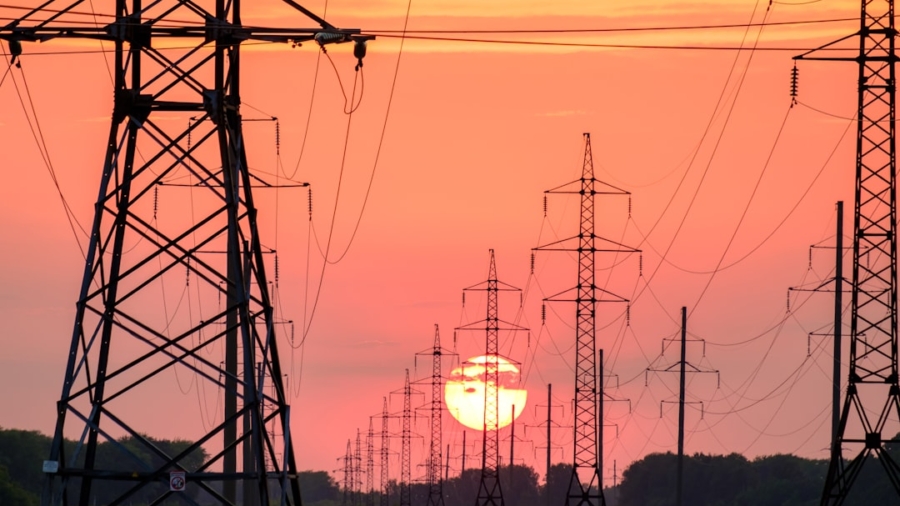
AI-driven smart grids are essentially the brains behind a more efficient and reliable way to manage electricity, particularly within smaller, localized power systems called microgrids, especially in our busy urban areas. Think of it as upgrading from a manual switchboard to a super-smart control center that can predict, react, and optimize energy flow all on its own. This means less wasted energy, more stable power, and even the ability to integrate things like solar panels and electric vehicles seamlessly.
Cities are power hungry, and our current grid infrastructure often struggles to keep up. Microgrids offer a practical solution by creating independent, localized energy systems.
Enhancing Grid Resilience
One of the biggest advantages of microgrids is their ability to “island” – meaning they can disconnect from the main grid and operate independently if there’s an outage. This is huge for critical urban infrastructure like hospitals, emergency services, or even just keeping neighborhoods powered during a blackout. In a bustling city, even a short power disruption can have massive consequences, from traffic chaos to economic losses. Microgrids provide a localized safety net.
Integrating Distributed Energy Resources (DERs)
Urban environments are increasingly adopting renewable energy sources like rooftop solar and small wind turbines. Electric vehicles (EVs) are also becoming common, acting as both energy consumers and potential storage units. Microgrids are designed to seamlessly integrate these Distributed Energy Resources (DERs). Instead of just dumping excess solar back onto the main grid, a microgrid can intelligently store it or distribute it to local consumers, maximizing its use and reducing transmission losses. This local approach is far more efficient than trying to manage thousands of tiny energy sources across a vast, centralized grid.
Reducing Transmission Losses
When electricity travels long distances from power plants to urban centers, a significant amount of energy is lost as heat. Microgrids, by their very nature, are localized. This drastically reduces the distances electricity needs to travel, leading to lower transmission losses and a more efficient use of generated power. In dense urban areas, where space for large power plants is limited and demand is high, minimizing these losses is crucial for both economic and environmental reasons.
In exploring the advancements in AI-driven smart grids, a related article discusses the broader implications of technology in urban infrastructure. This piece delves into how innovative solutions are reshaping energy distribution and enhancing sustainability in urban communities. For further insights, you can read more about these developments in the article available at here.
Key Takeaways
- Clear communication is essential for effective teamwork
- Active listening is crucial for understanding team members’ perspectives
- Setting clear goals and expectations helps to keep the team focused
- Regular feedback and open communication can help address any issues early on
- Celebrating achievements and milestones can boost team morale and motivation
AI’s Role in Microgrid Optimization
This is where AI steps in as the real game-changer. It’s not just about automating things; it’s about making truly intelligent decisions in real-time.
Predictive Analytics for Demand and Supply
AI algorithms can analyze vast amounts of historical data – weather patterns, time of day, local events, even social media trends – to predict future energy demand with surprising accuracy. At the same time, they can forecast the output of intermittent renewable sources like solar and wind.
Forecasting Renewable Energy Generation
Solar panel output depends on sunlight intensity, cloud cover, and even dust accumulation. Wind turbine generation is directly tied to wind speed and direction. AI can process real-time meteorological data and historical performance to create highly accurate forecasts for how much power these sources will generate in the coming hours or even days. This allows microgrid operators to anticipate surpluses or deficits and plan accordingly.
Anticipating Energy Consumption Patterns
Think about how your energy use changes throughout the day, week, or even year. AI can learn these complex patterns for an entire urban community within a microgrid. It can identify peak demand times (like everyone coming home and turning on their AC in the summer) and predict how events like sporting matches or public holidays might shift consumption. This predictive capability is vital for proactive energy management.
In exploring the advancements in AI-driven smart grids, it is essential to consider the broader implications of technology in urban settings. A related article discusses the importance of user experience in software design, which can significantly impact the effectiveness of smart grid solutions. By focusing on the best practices in software development, urban planners and engineers can create more intuitive interfaces for managing microgrid distribution. For more insights on this topic, you can read about the best software for UX here. This connection highlights how the integration of user-friendly technology can enhance the functionality of smart grids in urban communities.
Real-time Energy Management and Control
Once AI knows what’s coming, it can make lightning-fast decisions to optimize energy flow. This is where the “smart” really comes into play.
Dynamic Load Balancing
Imagine a surge in demand in one part of the microgrid, while another part has excess solar generation. AI can instantly reroute power to balance these loads, preventing localized overloads or brownouts. It can prioritize critical loads during times of scarcity or intelligently distribute surplus energy. This dynamic balancing ensures a stable and reliable power supply, even with fluctuating demand and supply.
Optimized Energy Storage Utilization
Battery storage systems are becoming more common in microgrids. AI can decide when to charge these batteries using surplus renewable energy and when to discharge them to meet demand or smooth out fluctuations. This isn’t just about simple charge/discharge cycles; AI considers battery degradation, market prices for energy, and future predictions to maximize the lifespan of the batteries and the economic benefit of their use.
Adaptive Control of DERs
AI can go beyond just managing storage. It can intelligently control the output of various DERs. For instance, if there’s too much solar energy and batteries are full, AI might signal certain flexible loads (like EV charging stations) to increase their consumption or, as a last resort, even curtail some solar generation to prevent system overload. Conversely, if demand is high and renewables are low, AI might activate backup generators or draw more power from the main grid if connected.
Enhanced Grid Security and Stability
Microgrids, especially those leveraging AI, offer significant improvements in security and stability, crucial for urban environments.
Anomaly Detection and Cyberattack Prevention
A complex microgrid with many interconnected devices presents a potential target for cyberattacks. AI can constantly monitor network traffic and system performance for unusual patterns that might indicate a cyber threat. If a device starts behaving erratically, or if there’s an unauthorized access attempt, AI can flag it immediately, potentially isolating the affected component before it can compromise the entire system. This real-time vigilance is far more effective than traditional, static security measures.
Fault Isolation and Self-Healing Capabilities
When a fault occurs – say, a power line goes down due to an accident – AI can quickly pinpoint the location of the fault. Instead of a widespread blackout, it can then isolate the affected section and automatically reconfigure the rest of the microgrid to maintain power to unaffected areas. This “self-healing” capability significantly reduces downtime and enhances overall reliability, a critical factor in dense urban settings where swift restoration of services is paramount.
Implementing AI in Urban Microgrids

Bringing AI into urban microgrids isn’t just about installing software; it’s a multi-faceted process involving hardware, software, and careful planning.
Data Infrastructure and Sensors
AI needs data, and lots of it. This means deploying a comprehensive network of sensors throughout the microgrid.
Smart Meters and IoT Devices
Smart meters are fundamental. They provide real-time data on energy consumption at individual buildings and homes.
Beyond that, IoT (Internet of Things) sensors can monitor everything from transformer temperatures to localized air quality, providing an even richer dataset for AI to analyze. These devices often communicate wirelessly, creating a dense web of information.
SCADA Systems Integration
SCADA (Supervisory Control and Data Acquisition) systems are the traditional backbone of grid control. For AI to be effective, it needs to integrate seamlessly with existing SCADA systems, extracting data from them and potentially issuing commands back to them.
This ensures that AI can interact with and control the physical infrastructure of the microgrid.
AI Algorithms and Software Platforms
The brains of the operation are the AI algorithms themselves, running on specialized software platforms.
Machine Learning for Pattern Recognition
Machine learning algorithms are adept at identifying subtle patterns in vast datasets that humans might miss. They can learn from historical failures, optimize energy dispatch schedules, and predict equipment degradation. These algorithms are constantly refining their models as they receive new data, making them more accurate over time.
Reinforcement Learning for Optimal Control
Reinforcement learning takes things a step further.
Instead of just learning from past data, these algorithms learn by trial and error, experimenting with different control strategies to find the most optimal ones for various scenarios. This is particularly powerful for dynamic decision-making, like determining the best time to charge or discharge batteries, or how to react to sudden changes in weather or demand.
Challenges and Future Outlook

While AI-driven microgrids offer immense promise, there are practical hurdles to navigate.
Data Privacy and Cybersecurity Concerns
With so much data being collected, privacy is a major concern. How is individual energy consumption data used? Who has access to it? Robust anonymization techniques and clear data governance policies are essential. Simultaneously, the interconnected nature of these systems makes them attractive targets for cyberattacks. Strong encryption, intrusion detection systems, and regular security audits are paramount.
Regulatory and Policy Frameworks
Current energy regulations were largely designed for a centralized grid. Microgrids and AI-driven systems often don’t fit neatly into these existing frameworks. New policies are needed to incentivize microgrid development, clarify ownership and operational responsibilities, and ensure fair market participation for DERs.
Interoperability and Standardization
For a microgrid to function effectively, all its components – from solar inverters to battery management systems and smart meters – need to communicate seamlessly.
This requires strong industry standards and protocols for interoperability.
Without them, integrating different vendors’ equipment can become a complex and costly endeavor.
The Path Forward
The future of urban energy likely involves a patchwork of interconnected, AI-driven microgrids. As AI technologies mature, become more affordable, and as regulatory landscapes adapt, we’ll see a significant expansion of these intelligent energy systems. This will not only make our cities more resilient to power outages but also greener and more efficient, creating a more sustainable energy future for everyone. The continuous development of more sophisticated AI models, coupled with advancements in sensor technology and energy storage, will further unlock the potential of these localized smart grids.
FAQs
What are AI-driven smart grids?
AI-driven smart grids are advanced electrical distribution systems that use artificial intelligence (AI) to optimize the flow of electricity. These systems can analyze data in real-time, predict demand, and adjust distribution to improve efficiency and reliability.
How do AI-driven smart grids optimize microgrid distribution in urban communities?
AI-driven smart grids optimize microgrid distribution in urban communities by using AI algorithms to analyze data from various sources, such as weather forecasts, energy consumption patterns, and grid performance. This allows for better management of energy distribution, reducing waste and improving overall grid performance.
What are the benefits of AI-driven smart grids in urban communities?
The benefits of AI-driven smart grids in urban communities include improved energy efficiency, reduced energy costs, increased reliability of energy supply, and better integration of renewable energy sources. These systems also have the potential to reduce carbon emissions and contribute to a more sustainable energy infrastructure.
How do AI-driven smart grids contribute to sustainability in urban communities?
AI-driven smart grids contribute to sustainability in urban communities by enabling better integration of renewable energy sources, reducing energy waste, and optimizing energy distribution. This can lead to a more sustainable and environmentally friendly energy infrastructure.
What are the challenges of implementing AI-driven smart grids in urban communities?
Challenges of implementing AI-driven smart grids in urban communities include the need for significant investment in infrastructure and technology, potential cybersecurity risks, and the need for regulatory and policy changes to support the integration of these advanced systems. Additionally, there may be challenges related to public acceptance and understanding of these new technologies.
Enjoying our content? Make us a preferred source on Google:
Add us as a Preferred Source on Google