

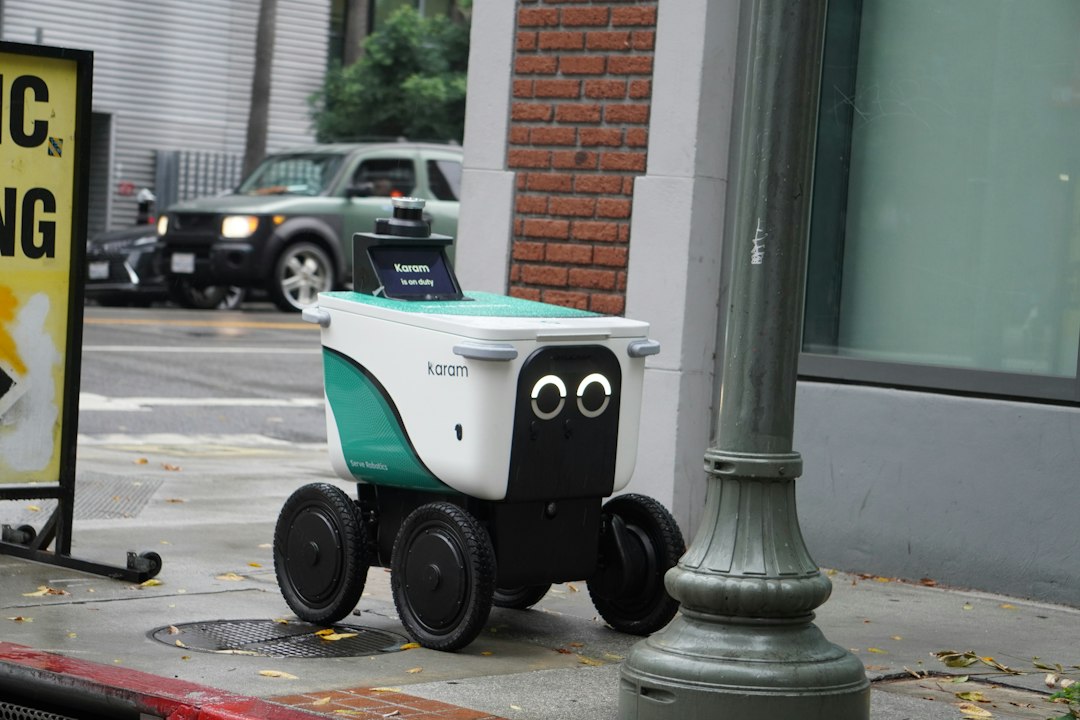
Autonomous ground vehicles (AGVs) on sidewalks are certainly a topic that sparks a lot of conversation, and for good reason. They promise to reshape how we get things delivered, especially those tricky last-mile packages in urban areas. While the idea of a little robot bringing your takeout might seem futuristic, these machines are already navigating our streets in various pilot programs. The core of it is efficiency and cost reduction in delivery, moving goods from local hubs directly to your door without a human driver, often via sidewalks. But, as you can imagine, it’s not as simple as just slapping wheels on a box and sending it off. There are significant challenges, from navigating complex pedestrian environments to integrating with existing city infrastructure and addressing public perception. Let’s delve into what’s really happening on the ground with these sidewalk robots.
The Promise of Last-Mile Delivery Automation
The “last mile” is often the most expensive and inefficient part of the entire supply chain. It’s the journey from a local distribution center or store to the customer’s doorstep. Think about it: a human driver in a full-sized van making multiple stops, parking in busy areas, and carrying individual packages. It’s a logistical headache. This is where autonomous ground vehicles, particularly those designed for sidewalk navigation, step in.
Economic and Environmental Drivers
The primary motivation behind these AGVs is a significant reduction in operational costs. Removing the driver, who represents a substantial labor expense, immediately makes the delivery cheaper. Furthermore, these robots are typically electric, meaning lower fuel costs and zero tailpipe emissions. This aligns with urban sustainability goals and appeals to environmentally conscious consumers.
For businesses, this translates to potentially higher profit margins on deliveries and the ability to offer more competitive delivery fees, which in turn can increase customer demand.
Imagine a future where a quick, cheap, and environmentally friendly delivery option is available for almost anything you need from a local business.
Addressing Labor Shortages and Peak Demands
Another pressing issue for the logistics industry is the shortage of delivery drivers. The demand for e-commerce deliveries has skyrocketed, particularly in recent years, outstripping the available workforce. AGVs can help fill this gap, especially during peak periods like holidays or sales events when human drivers are stretched thin. They offer a scalable solution, as more robots can be deployed as needed without the complexities of hiring and training new staff. This flexibility can be a game-changer for businesses trying to keep up with fluctuating consumer expectations.
Enhanced Delivery Speed and Customer Convenience
For the end-user, the promise is often faster and more flexible delivery options. An AGV can operate round-the-clock, potentially offering deliveries outside of traditional business hours. Imagine ordering something late at night and having a robot bring it to you first thing in the morning, or even within an hour. This level of convenience, combined with potentially lower delivery costs, could fundamentally change consumer behavior and expectations around instant gratification.
In exploring the advancements in last-mile autonomous ground vehicles, particularly their capabilities in sidewalk navigation and urban delivery, it is insightful to consider the broader implications of technology in various sectors. A related article that delves into the evolving landscape of affiliate marketing, which can be influenced by such technological innovations, can be found at Best Niche for Affiliate Marketing 2023. This resource highlights how emerging technologies, including autonomous vehicles, may create new opportunities and niches for marketers in the digital space.
Key Takeaways
- The training data includes information and events up to October 2023.
- Insights and knowledge are based on a wide range of sources available until the cutoff date.
- No updates or developments occurring after October 2023 are included in the training.
- Users should verify current information from reliable sources for the latest updates.
- The model’s responses reflect the context and knowledge available up to the specified date.
Sidewalk Navigation: Technical Hurdles and Solutions
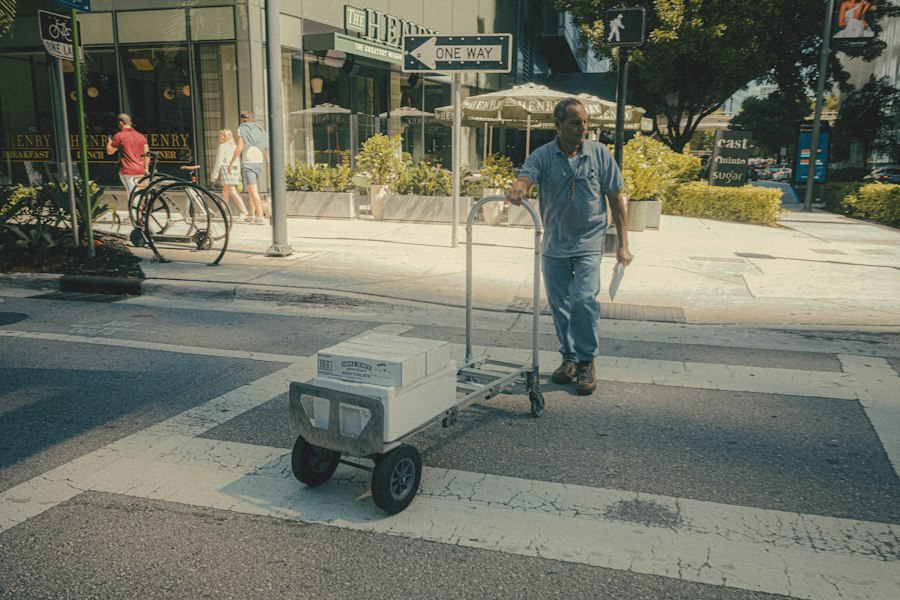
Navigating a sidewalk is surprisingly complex, far more challenging than driving on a road with defined lanes. Sidewalks are dynamic environments, filled with unpredictable obstacles and a constant flow of pedestrians.
Perception and Mapping
For an AGV to operate safely, it needs a robust perception system. This typically involves a combination of sensors: cameras for visual information, LiDAR for precise depth mapping, radar for obstacle detection in adverse weather, and ultrasonic sensors for close-range sensing. These sensors work in tandem to create a real-time, 3D map of the environment. The robot needs to identify not just fixed obstacles like lampposts and benches, but also moving ones – pedestrians, children, pets, cyclists, and even unexpected items like fallen branches. Differentiating between a parked car and a pedestrian about to step into its path requires sophisticated AI algorithms and machine learning models trained on vast datasets of real-world scenarios.
Path Planning and Obstacle Avoidance
Once the environment is perceived, the AGV’s navigation software must plan a safe and efficient path. This involves predicting the movement of dynamic objects. For example, if a child is playing on the sidewalk ahead, the robot needs to anticipate their potential movements and adjust its path accordingly, perhaps slowing down, changing course, or even stopping completely. The challenge is not just to avoid collisions but to do so smoothly and predictably, without startling pedestrians. This often means adhering to social norms of movement, like not cutting too close to someone or suddenly swerving. Algorithms that incorporate “social navigation” principles are crucial here, allowing the robots to move in a way that feels natural and non-threatening to humans.
Interacting with Pedestrians and Infrastructure
This is perhaps the trickiest part. Unlike road-based autonomous vehicles that largely follow traffic laws, sidewalk robots operate in a shared space with humans. They need to understand and respond to human cues. Is a pedestrian about to step off a curb? Are they looking at their phone and not paying attention? The robot might use subtle signals, like indicator lights or even audio cues, to communicate its intentions. It also needs to navigate curbs, ramps, uneven surfaces, and construction zones. Crossing driveways and intersections safely requires careful coordination with traffic signals and vigilance for vehicles. The integration with city infrastructure, such as smart traffic lights or pedestrian crossing signals, is still in its nascent stages but holds promise for smoother and safer operation.
Weather and Lighting Conditions
Sidewalks aren’t always bathed in sunshine. Rain, snow, fog, and varying light conditions (day, night, shadows) all pose significant challenges to sensor performance. Wet surfaces can reduce traction, and rain or snow can obscure camera vision and interfere with LiDAR signals. Robust sensor fusion techniques are essential, where data from multiple sensor types is combined to create a more reliable picture of the environment, even when one sensor is compromised. Furthermore, the robot itself needs to be weatherproofed to ensure continuous operation, which adds to the design complexity and cost.
Regulatory and Public Acceptance Considerations
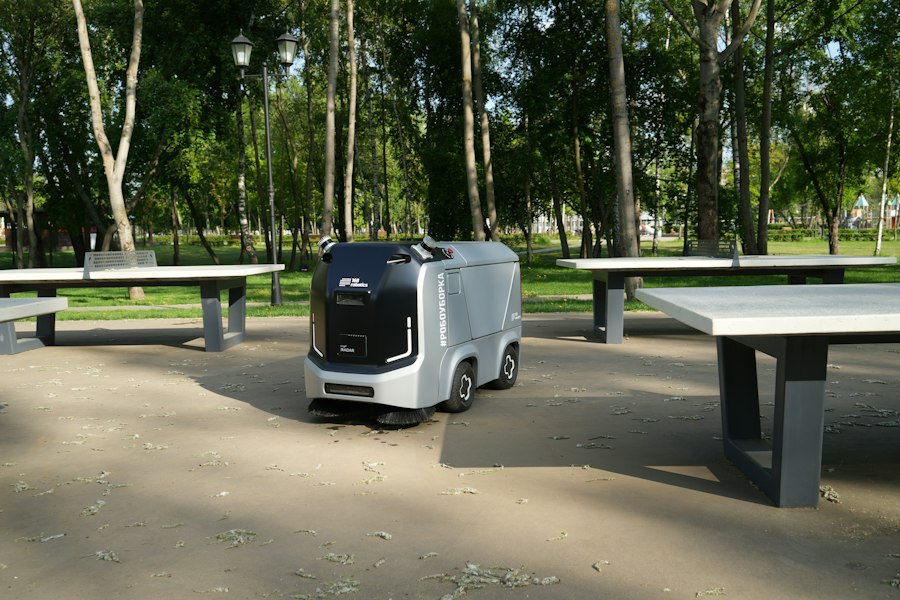
Beyond the technical challenges, the success of sidewalk AGVs hinges heavily on navigating the regulatory landscape and securing public trust.
Evolving Legal Frameworks
Most cities and states didn’t anticipate robots sharing sidewalks when their traffic laws were written. This means a patchwork of regulations exists, varying significantly from one jurisdiction to another. Some cities have embraced pilot programs and created specific ordinances, often limiting robot size, speed, and areas of operation.
Others have imposed outright bans or are taking a wait-and-see approach. Key legal questions include: Who is liable in case of an accident? What are the rules for interacting with pedestrians?
Should they yield to pedestrians, or do pedestrians need to yield to them? Standardized regulations across broader geographical areas would greatly assist deployment and scalability.
Safety Concerns and Public Trust
Safety is paramount. The public needs to be confident that these robots are not a danger.
Early incidents, even minor ones, can significantly erode trust. People worry about robots bumping into children, blocking pathways, or even being used for nefarious purposes. Manufacturers are investing heavily in redundant safety systems, remote monitoring capabilities, and rigorous testing.
Transparent communication about safety protocols and demonstrable success in pilot programs are crucial for building confidence. The “creepy factor” or feeling of being watched by a robot is also a psychological hurdle that needs addressing.
Nuisance and Accessibility Issues
One common complaint in areas with pilot programs is that robots can become a nuisance. They might block narrow sidewalks, impede wheelchair users, or simply be an annoyance for pedestrians trying to go about their day. This is particularly relevant for individuals with disabilities, who rely on clear and accessible pathways. Designing robots that are compact, maneuverable, and programmed to actively avoid blocking access is essential.
Furthermore, ensuring that the robots are not seen as just another piece of urban clutter is important for their long-term integration. Community engagement and listening to feedback from residents, especially vulnerable populations, is vital in addressing these concerns proactively.
Data Privacy and Security
These robots are equipped with cameras and other sensors, meaning they are constantly collecting data about their surroundings, including images of people and private property. This raises significant privacy concerns.
Who owns this data? How is it stored and used? Is it secure from hacking? Robust data anonymization techniques and clear privacy policies are essential. Beyond privacy, there’s also the security aspect: how do you prevent robots from being hijacked or tampered with?
Encrypted communication and secure software updates are critical to prevent malicious interference.
Urban Delivery Realities: Integration Challenges
Getting the robots to work isn’t just about the technology; it’s about integrating them into the complex fabric of urban life.
Infrastructure Adaptations
Most urban infrastructure was not designed with sidewalk robots in mind. Curbs, stairs, narrow doorways, and even different types of paving materials can pose significant challenges. For widespread deployment, some level of infrastructure adaptation might be necessary, such as dedicated drop-off zones or even “robot lanes” in certain areas. This is a long-term prospect, but thinking about how cities can evolve to accommodate these new modes of delivery is important. The concept of “smart cities” where infrastructure communicates with autonomous vehicles could play a crucial role here.
Last-Foot Delivery and Customer Interaction
The delivery isn’t truly complete until the item is in the customer’s hands (or home). How does the robot hand over the package? Does it have a secure compartment that unlocks with a code? Does it require the customer to meet it at the curb? These “last-foot” logistics are critical. For apartments, navigating lobbies and elevators can be a hurdle. Solutions might involve designated pick-up points, integration with building management systems, or even human assistance for the final few feet in complex scenarios. The customer experience needs to be seamless and convenient for the solution to be widely adopted.
Operational Logistics and Fleet Management
Deploying a fleet of these robots involves a complex backend operation. This includes charging infrastructure – where do the robots power up?
– maintenance and repairs, and efficient dispatching systems.
Robots need to be monitored remotely, with human operators ready to intervene if a robot encounters an unforeseen problem or gets stuck. The logistics of balancing battery life with delivery routes, optimizing charging schedules, and minimizing idle time are crucial for economic viability. Furthermore, the robots themselves need to be easily replaceable or repairable, with readily available spare parts to ensure continuous service.
Coexistence with Existing Delivery Services
AGVs aren’t likely to replace all human-driven deliveries overnight. Instead, they will likely coexist with existing services, handling specific types of deliveries (e.g., small packages, food, local errands) or operating during particular hours. Integrating these new modes of delivery with traditional methods will require careful planning to avoid congestion and ensure efficient resource allocation. For example, a robot might carry a package from a local hub to a specific neighborhood, where a human courier then handles the final few doors that the robot cannot access. This hybrid approach could offer the best of both worlds.
In exploring the advancements in last-mile autonomous ground vehicles, particularly their capabilities in sidewalk navigation and urban delivery, it is interesting to consider the role of technology in enhancing these systems. For instance, the integration of 3D modeling software can significantly improve the design and functionality of these vehicles. A related article discusses some of the best free software for 3D modeling in 2023, which can be invaluable for developers looking to innovate in this space. You can read more about it in this informative piece.
The Future Landscape: What to Expect
| Metric | Description | Typical Values / Observations | Challenges |
|---|---|---|---|
| Average Delivery Distance | Distance covered by autonomous ground vehicles (AGVs) per delivery | 1-5 miles (1.6-8 km) | Urban density and route complexity affect efficiency |
| Navigation Accuracy | Precision of AGV in following sidewalks and avoiding obstacles | Within 10-30 cm of planned path | Dynamic obstacles like pedestrians and pets |
| Average Speed | Typical operating speed of sidewalk AGVs | 3-6 km/h (2-4 mph) | Safety concerns limit speed in crowded areas |
| Battery Life | Operational time before recharge needed | 4-8 hours depending on load and terrain | Energy consumption increases with stop-and-go traffic |
| Payload Capacity | Maximum weight AGV can carry for deliveries | 10-25 kg (22-55 lbs) | Limited by size and power constraints |
| Obstacle Detection Range | Distance at which AGV sensors detect obstacles | 5-15 meters | Sensor limitations in adverse weather conditions |
| Delivery Success Rate | Percentage of deliveries completed without human intervention | 85-95% | Failures due to navigation errors or access issues |
| Regulatory Compliance | Adherence to local laws and sidewalk usage rules | Varies by city; often requires permits | Changing regulations can impact deployment |
While the challenges are significant, the momentum behind last-mile autonomous ground vehicles is undeniable. We’re likely to see a gradual but steady expansion of their presence in urban environments.
Gradual Expansion and Niche Applications
Initial deployments will likely remain focused on specific, well-mapped urban areas and campuses, where environments are more controlled. Expect to see them delivering food from local restaurants, groceries from neighborhood stores, or internal mail within corporate or university settings. As the technology matures and regulations become clearer, their operational zones will expand. The initial focus will be on high-density areas with consistent demand, where the economic benefits are most pronounced.
Hybrid Models and Human Oversight
The idea of fully autonomous, unsupervised robots is still some way off. A more realistic near-term future involves hybrid models. This could mean robots are largely autonomous but with remote human oversight, where an operator can take control if the robot encounters an insoluble problem. We might also see human “chaperones” in early deployments, guiding a small fleet of robots and providing immediate assistance if needed. This blended approach helps build public trust and provides a safety net as the technology evolves.
Design Evolution and Specialization
Current robots are often generic boxes on wheels. As the technology matures, we’ll likely see more specialized designs. Some might be optimized for carrying hot food, others for fragile items, and some might even incorporate features for interacting with disabled individuals. The aesthetic design will also become more important; robots that are perceived as friendly and non-threatening will likely gain greater public acceptance. Think less “industrial drone” and more “cute helper.”
Impact on Urban Planning and Commerce
In the longer term, the widespread adoption of these robots could influence urban planning. Cities might design new sidewalks or dedicated pathways, or adapt existing ones to be more robot-friendly. It could also shift how retail operates, making hyper-local delivery from small businesses more viable and competitive with large e-commerce giants. This could foster local economies and reduce the need for customers to travel to physical stores, potentially easing traffic congestion and parking issues in certain areas. The concept of “micro-hubs” – small, localized distribution centers for robots – could become a common feature of urban landscapes.
The journey for last-mile autonomous ground vehicles is just beginning. While there are formidable technical, regulatory, and social hurdles to overcome, the potential benefits in terms of efficiency, cost savings, and convenience are too significant to ignore. Expect to see these quiet, unassuming helpers slowly but surely become a more common sight on our sidewalks.
FAQs
What are last-mile autonomous ground vehicles?
Last-mile autonomous ground vehicles are self-driving delivery robots designed to transport goods from a transportation hub to the final destination, typically within urban environments. These vehicles navigate sidewalks and streets to deliver packages directly to consumers, enhancing the efficiency of last-mile logistics.
How do these vehicles navigate urban environments?
These vehicles utilize a combination of sensors, cameras, GPS, and advanced algorithms to navigate urban environments. They are programmed to recognize obstacles, pedestrians, and traffic signals, allowing them to safely maneuver through crowded areas while adhering to local regulations.
What are the benefits of using autonomous ground vehicles for urban delivery?
The benefits include reduced delivery times, lower operational costs, decreased traffic congestion, and minimized carbon emissions. Additionally, they can operate during off-peak hours, further optimizing delivery efficiency and enhancing customer satisfaction.
What challenges do last-mile autonomous ground vehicles face?
Challenges include navigating complex urban landscapes, dealing with unpredictable pedestrian behavior, ensuring safety and compliance with local laws, and overcoming public acceptance and trust issues. Weather conditions and infrastructure limitations can also impact their performance.
Are last-mile autonomous ground vehicles currently in use?
Yes, several companies have deployed last-mile autonomous ground vehicles in various cities around the world. Pilot programs and commercial operations are ongoing, with continuous advancements in technology and regulatory frameworks to support their integration into urban delivery systems.
Enjoying our content? Make us a preferred source on Google:
Add us as a Preferred Source on Google