

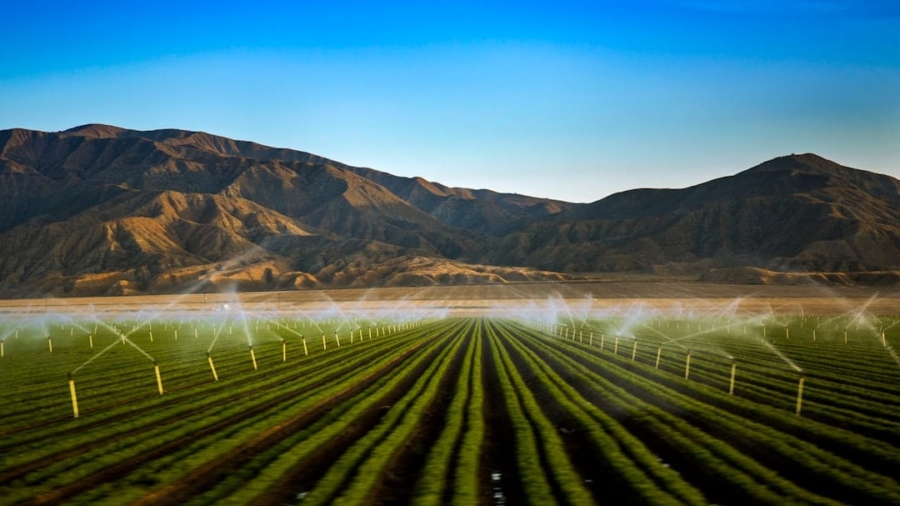
So, you’re wondering how to make your garden a bit smarter with irrigation? Simply put, smart irrigation uses technology to water your plants more efficiently, saving you water, time, and money. It’s about giving your plants exactly what they need, when they need it, without waste. Think of it as a personal, high-tech gardener for your landscape.
Let’s be honest, we all love a lush garden, but traditional watering methods can be a real headache. We often under-water, over-water, or just plain guess. Smart irrigation takes the guesswork out of the equation and offers some pretty compelling benefits.
Water Conservation is Key
This is probably the biggest selling point. With growing concerns about water scarcity and rising utility bills, wasting water isn’t just bad for your wallet, it’s bad for the planet. Smart systems can reduce water usage by 30-50% or even more. That’s a significant drop that can make a real difference, especially in drier climates. It’s like having a water-saving superpower for your garden.
Healthier Plants, Better Growth
Just like humans, plants thrive on consistency. Over-watering can lead to root rot and fungal diseases, while under-watering stunts growth and makes them more susceptible to pests. Smart systems deliver precise amounts of water, promoting stronger root development, healthier foliage, and more vibrant blooms. It’s about creating an optimal environment for your green friends.
Saving Your Precious Time
Imagine not having to drag hoses around, remember to turn sprinklers on and off, or worry about your plants while you’re away. Smart irrigation automates the entire process. Once set up, it largely manages itself. That’s more time for enjoying your garden, pursuing other hobbies, or just relaxing – not to mention less physical labor.
Reducing Your Bills
Less water usage directly translates to lower water bills. And while the initial investment might seem like a jump, the long-term savings often make it a very worthwhile one. Plus, some municipalities offer rebates for installing smart irrigation, so it’s worth checking if you can get some money back.
In the quest for sustainable gardening practices, implementing smart irrigation systems can significantly enhance water efficiency and plant health. For those interested in optimizing their gardening techniques, a related article on effective design tools can provide valuable insights. You can explore this further in the article about discovering the best software for logo design, which emphasizes the importance of creativity and innovation in various fields, including gardening. For more information, visit Discover the Best Software for Logo Design Today.
Key Takeaways
- Clear communication is essential for effective teamwork
- Active listening is crucial for understanding team members’ perspectives
- Setting clear goals and expectations helps to keep the team focused
- Regular feedback and open communication can help address any issues early on
- Celebrating achievements and milestones can boost team morale and motivation
Getting Started: Understanding the Brains of the Operation
Smart irrigation isn’t just one thing; it’s a collection of technologies working together. The core components are what make it “smart.”
Weather-Based Controllers (ET Controllers)
These are arguably the most common and effective type of smart controller. “ET” stands for “Evapotranspiration,” which is the process of water evaporating from the soil and transpiring from plants. These controllers use local weather data to calculate how much water your landscape needs.
How They Work
They connect to a local weather station or retrieve data wirelessly from the internet. This data includes things like temperature, humidity, solar radiation, and wind speed. Based on these factors, the controller adjusts the watering schedule daily. If it’s hot and windy, it might water more. If it’s cool and cloudy, it’ll cut back. If it rains, it’ll skip watering altogether. It’s like having a meteorologist dedicated to your garden’s hydration.
Key Considerations for ET Controllers
- Reliable Weather Data: Ensure the controller can access accurate local weather information. Some use public weather stations, while others can be linked to personal weather stations on your property.
- Zone Customization: Good controllers allow you to set different watering requirements for various zones in your garden (e.g., sunny lawn, shady flower bed, drought-tolerant plants).
- Seasonal Adjustments: They automatically adjust schedules throughout the seasons, something a manual timer can’t do effectively.
Soil Moisture Sensors
These small devices are placed directly in the soil and, as the name suggests, measure the moisture content. When the soil reaches a certain dryness level, the sensor tells the controller to water.
How They Work
There are two main types:
- Volumetric Sensors: These measure the actual percentage of water in the soil. They are generally more accurate but can be pricier.
- Tensiometric Sensors: These measure the tension with which water is held in the soil, indirectly indicating moisture availability to plants.
When the soil moisture drops below a predefined threshold, the sensor signals the irrigation controller to initiate a watering cycle for that zone. Once the soil reaches optimal moisture, it tells the controller to stop.
Key Considerations for Soil Moisture Sensors
- Placement is Crucial: Sensors need to be placed in the root zone of the plants they are monitoring, in a representative area of that zone. Incorrect placement can lead to over or under-watering.
- Sensor Type: Different plants and soil types might benefit from different sensor technologies. Sandy soils drain quickly, while clay soils retain water longer.
- Calibration: Some sensors require initial calibration to match your specific soil type and plant needs.
Hybrid Systems
Many advanced smart irrigation systems combine both weather-based data and soil moisture sensors for the ultimate in precision. The weather data provides a baseline, and the soil sensors fine-tune the watering even further. This is often the most effective approach for truly optimizing water use.
Design and Installation: Making it Happen

Okay, you’re sold on the idea.
Now, how do you actually get this thing running in your garden?
It’s not as complex as it sounds, but some planning goes a long way.
Assessing Your Landscape
Before you buy anything, take a good look at your garden. This step is critical for effective system design.
Mapping Your Zones
Grab a piece of paper and sketch out your garden. Identify different areas based on:
- Sun Exposure: Full sun, partial shade, deep shade.
- Plant Type: Lawn, shrubs, perennial beds, vegetable garden, drought-tolerant plants.
Different plants have different water needs.
- Soil Type: Sandy, loamy, clay. This affects how water is absorbed and retained.
- Slope: Sloping areas often require shorter, more frequent watering to prevent runoff.
These distinct areas will become your irrigation “zones.” Each zone will have its own watering schedule and possibly different types of emitters.
Water Pressure and Flow Rate
This is a technical but important point. Your water source (usually your home’s main water line) has a specific pressure (PSI) and flow rate (gallons per minute, GPM).
This dictates how many sprinkler heads or drip emitters you can run in a single zone without severely impacting performance.
- Test It: You can buy a simple pressure gauge to attach to an outdoor spigot. For flow rate, get a 5-gallon bucket, turn the spigot on full blast, and time how long it takes to fill. Then calculate GPM (e.g., if it fills in 30 seconds, that’s 10 GPM).
- Why It Matters: Overloading a zone with too many emitters will result in poor coverage and inconsistent watering.
Undersized pipes can also be an issue.
Choosing the Right Components
Once you know your zones and water capabilities, you can select the right hardware.
Smart Controllers
As discussed, choose between weather-based, soil moisture-based, or hybrid. Consider features like:
- Wi-Fi Connectivity: Allows remote access and control via a smartphone app. This is key for true “smart” functionality.
- Number of Zones: Make sure the controller has enough zones for your garden.
You might want to get one with a few extra for future expansion.
- Compatibility: If you’re going with sensors, ensure they’re compatible with the controller.
- User Interface: A user-friendly app makes a big difference.
Emitter Types
Different plants and areas need different ways of receiving water.
- Pop-up Sprinklers: Good for lawns and large areas, providing broad coverage. Choose different head types (rotary, spray) based on desired coverage and distance.
- Drip Emitters/Soaker Hoses: Ideal for gardens, flower beds, and individual plants. They deliver water slowly and directly to the root zone, minimizing evaporation.
This is incredibly efficient.
- Micro-Sprays/Bubblers: A good middle ground, often used for groundcovers, shrubs, and dense plantings where drip might be too slow but full sprinklers too broad.
DIY vs. Professional Installation
This is where your comfort level and budget come into play.
- DIY Approach: For smaller gardens or existing manual systems you want to upgrade, a DIY installation of a smart controller and potentially adding some drip lines is very feasible. Many online resources and YouTube tutorials can guide you.
You’ll save on labor costs.
- Professional Help: For larger, more complex landscapes, or if you’re starting from scratch with underground piping, hiring a landscape designer or irrigation specialist is often a wise investment. They can design an efficient system, ensure proper zoning, handle trenching, and correctly connect everything. They can also ensure compliance with local codes.
Fine-Tuning Your Smart System: Ongoing Optimization

Installing the system is just the beginning. The “smart” part comes from continuous learning and adjustment.
Initial Programming and Learning Phase
When you first set up your smart controller, it needs to learn about your garden.
Inputting Plant & Soil Data
Most smart controllers will ask you to input information for each zone:
- Plant Type: Lawn, shrubs, trees, annuals.
- Soil Type: Sand, loam, clay.
- Sun Exposure: Full sun, partial shade.
- Slope: Flat, slight slope, steep slope.
- Emitter Type: Sprinklers, drip, unknown.
This data helps the controller make informed decisions about watering duration and frequency.
Observing and Adjusting
Don’t just set it and forget it immediately. For the first few weeks or months, pay attention to your plants.
- Wilting Plants: If plants are wilting, consider increasing the duration or frequency for that zone.
- Soggy Soil: If the soil is consistently soggy, reduce watering or check for drainage issues.
- Runoff: If water is running off the property, try shorter, more frequent cycles (cycle and soak method).
- Check Sprinkler Coverage: Ensure sprinklers are hitting your plants and not paths or fences. Adjust heads as needed.
Leveraging Advanced Features
Modern smart controllers offer a lot more than just basic scheduling.
Cycle and Soak (Deep Watering)
This is a game-changer for water conservation and plant health, especially on slopes or with dense soils. Instead of watering for 30 minutes straight, the controller might water for 10 minutes, pause for 30-60 minutes to allow infiltration, and then water for another 10 minutes. This prevents runoff and encourages deeper root growth. Many smart controllers can automate this.
Seasonal Adjustments (Automated)
While all smart controllers make seasonal adjustments, some allow you to fine-tune the “aggressiveness” of these changes. You might want less aggressive adjustments for sensitive plants.
Manual Overrides and Rain Delays
Sometimes you need to take control. A manual override lets you water a zone immediately, perhaps after fertilizing or if you see a dry patch. Rain delay features allow you to manually pause watering for a set period if you know heavy rain is coming, even if the sensors haven’t detected it yet.
Water Usage Tracking
Many apps provide detailed reports on how much water your system is using. This data is invaluable for understanding your consumption and identifying areas for further optimization. Seeing your savings in real numbers can be incredibly motivating!
In exploring the benefits of smart technologies in gardening, a related article discusses the importance of choosing the right tools for enhancing your gardening experience. This piece highlights how integrating smart irrigation systems can lead to more sustainable practices, similar to how selecting the best smartphone for gaming can elevate your overall gaming experience. For more insights on this topic, you can read the article