

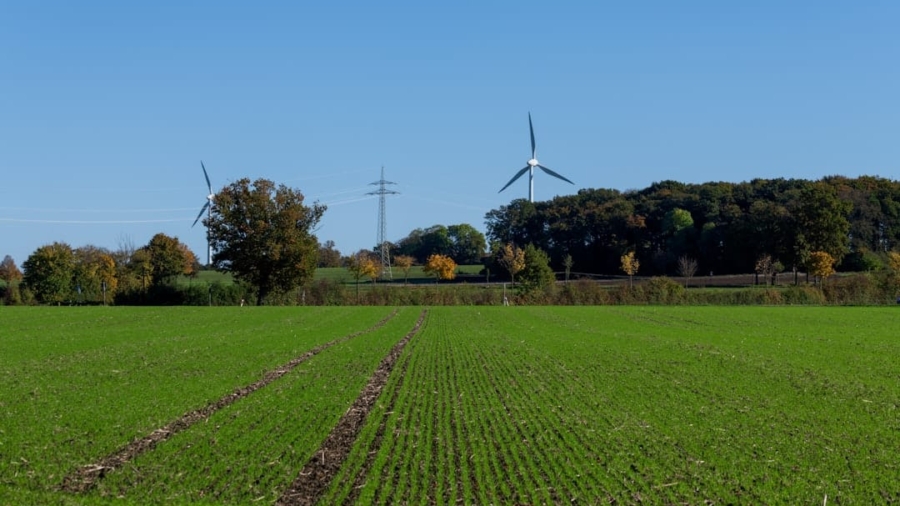
Green tech is changing global supply chains, making them more sustainable, efficient, and resilient. This isn’t just about feeling good; it’s about optimizing operations, reducing costs, and meeting growing consumer and regulatory demands for environmentally responsible practices. Think of it as a major upgrade, moving away from old, resource-intensive ways of doing things to smarter, cleaner approaches.
Transportation is a huge part of any supply chain, and it’s also a major source of emissions. Green tech is stepping in here to dramatically alter how goods get from point A to point B.
Electrifying the Fleet: From Trucks to Ships
The most visible shift is the move towards electric vehicles (EVs). We’re seeing electric trucks increasingly used for last-mile delivery in urban areas, cutting down on air pollution right where people live. But the ambition goes further.
- Long-Haul Electric and Hydrogen Trucks: While still developing, the technology for longer-range electric and hydrogen fuel cell trucks is advancing rapidly. This promises to decarbonize long-distance freight, a historically difficult sector to green. Companies are investing in charging infrastructure and pilot programs to test these vehicles in real-world conditions.
- Electrifying Shipping: The maritime industry, responsible for a significant chunk of global trade, is also exploring cleaner options. Electrically powered ferries and short-sea shipping vessels are becoming more common. For larger vessels, alternative fuels like ammonia and methanol, produced using renewable energy, are being trialed. These fuels offer a path to significantly reduce greenhouse gas emissions from the huge container ships that traverse the oceans.
- Sustainable Aviation Fuels (SAFs): Air cargo is a vital part of many supply chains. SAFs, made from sources like used cooking oil, agricultural waste, and even captured carbon, are a key focus. While currently more expensive than traditional jet fuel, their adoption is being pushed by regulations and airline commitments. This allows for faster transit times without the same environmental penalty.
Optimizing Routes and Loads: Smarter Navigation
Beyond the vehicles themselves, green tech is improving the brains behind the operation. Sophisticated software and AI are making logistics smarter and more efficient.
- AI-Powered Route Optimization: Algorithms can now analyze real-time traffic, weather, and delivery schedules to plot the most fuel-efficient routes. This means less time spent on the road, less fuel burned, and fewer emissions generated. This technology isn’t just about speed; it’s about precision in resource utilization.
- Load Consolidation and Maximization: Software helps companies better consolidate shipments, ensuring that trucks and containers are filled as much as possible. This reduces the number of trips needed, leading to substantial emission reductions and cost savings. Think of it as playing a highly efficient Tetris game with your cargo.
- Real-time Tracking and Visibility: Advanced tracking systems provide granular data on vehicle location and performance. This information can be used to identify inefficiencies, optimize driver behavior, and proactively manage potential delays, all of which contribute to a smoother, more sustainable operation.
In exploring the transformative effects of green technology on global supply chains, it is essential to consider how innovation in various sectors can drive sustainability. A related article that delves into the intersection of technology and creativity is available at this link: AI and analytics are turning this data into actionable insights. The ability to monitor environmental performance in real-time is a game-changer. The integration of green technology into global supply chains is reshaping the way businesses operate, promoting sustainability and efficiency. A related concept that complements this shift is the rise of omnichannel retail strategies, particularly the Buy Online, Pick Up In Store (BOPIS) model. This approach not only enhances customer convenience but also reduces carbon footprints by minimizing delivery emissions. For a deeper understanding of how BOPIS works and its implications for modern retail, you can explore this informative article here. “`html
Real-Time Monitoring and Control
The Economic Case: Cost Savings and Market Opportunities
:</strong> These systems use sensors and automation to control lighting, HVAC (heating, ventilation, and air conditioning), and other energy-consuming equipment. They learn usage patterns and adjust settings to minimize waste. For example, lights turn off in unoccupied areas, and heating/cooling is optimized based on external and internal conditions.</li>
<li><strong>LED Lighting and Natural Light Integration:</strong> Switching to LED lighting is a straightforward but highly effective way to cut energy consumption in warehouses. Many new designs also incorporate more natural light through skylights and intelligent window placement, further reducing the reliance on artificial lighting during daylight hours.</li>
<li><strong>High-Performance Insulation and Building Materials:</strong> Using advanced insulation materials and eco-friendly building supplies can significantly reduce the energy needed to maintain consistent temperatures within the warehouse, whether for temperature-sensitive goods or general climate control.</li>
</ul>
<h3>On-Site Renewable Energy Generation</h3>
<p>Warehouses, with their large roof spaces, are ideal locations for generating their own clean energy.</p>
<ul>
<li><strong>Rooftop Solar Power:</strong> Installing solar panels on warehouse roofs is becoming increasingly common. This provides a renewable energy source for the facility, reduces reliance on the grid, and can even lead to selling excess energy back to the grid, creating an additional revenue stream.</li>
<li><strong>Geothermal and Other Renewable Sources:</strong> In some locations, geothermal heating and cooling systems can be integrated into warehouse design, offering a highly efficient and sustainable way to manage internal temperatures.</li>
</ul>
<h3>Automation for Efficiency and Safety</h3>
<p>While automation can seem energy-intensive, when implemented smartly, it can lead to overall energy savings and improved operational flow.</p>
<ul>
<li><strong>Automated Storage and Retrieval Systems (AS/RS):</strong> These systems can operate more precisely and efficiently than manual labor, often requiring less space. Their optimized movements can also lead to reduced energy consumption for material handling equipment in the long run.</li>
<li><strong>Robotics for Picking and Packing:</strong> Robots can perform repetitive tasks with high accuracy and consistency, reducing errors and the need for rework. Their controlled movements and integrated charging systems can contribute to overall energy efficiency within the picking and packing process.</li>
</ul>
<h2>Smarter Sourcing: Sustainable Materials and Supplier Networks</h2>
<p><picture decoding="async" id="3" style="max-width:100%;display:block;margin-left:auto;margin-right:auto;width:90%;" title="The Impact of Green Tech on Global Supply Chains 1">
<source type="image/webp" srcset="https://enicomp.com/wp-content/uploads/2026/05/abcdhe-167.jpg.webp"/>
<img decoding="async" src="https://enicomp.com/wp-content/uploads/2026/05/abcdhe-167.jpg" alt="Green Tech"/>
</picture>
</p>
<p>The impact of green tech extends upstream to where raw materials come from and who supplies them. It’s about making more responsible choices at the very beginning of the supply chain.</p>
<h3>Embracing Circular Economy Principles</h3>
<p>Moving away from a linear “take-make-dispose” model to a <a href="https://www.ellenmacarthurfoundation.org/circular-economy/what-is-the-circular-economy" target="_blank" rel="noopener">circular one</a> is a key goal.</p>
<ul> </p>
<li><strong>Recycled and Renewable Materials:</strong> Companies are increasingly prioritizing materials that are recycled or derived from renewable sources. This includes recycled plastics, metals, and paper, as well as bio-based materials like bamboo and plant-based composites.
<p>Green tech helps track the origin and recycled content of these materials.</li>
<p> </p>
<li><strong>Biodegradable and Compostable Packaging:</strong> For consumer goods, the shift to biodegradable and compostable packaging is a significant trend. This reduces landfill waste and offers a more environmentally friendly end-of-life for products.</li>
<p> </p>
<li><strong>Designing for Disassembly and Reuse:</strong> Manufacturers are starting to design products with their end-of-life in mind, making them easier to take apart, repair, and reuse components. This requires innovative material choices and production methods.</li>
<p></ul>
<h3>Enhanced Supplier Transparency and Collaboration</h3>
<p>Green tech is crucial for understanding and influencing the environmental practices of suppliers.</p>
<ul> </p>
<li><strong><a href="https://www.ibm.com/topics/blockchain" target="_blank" rel="noopener">Blockchain</a> for Traceability:</strong> Technologies like blockchain can provide an immutable record of a product’s journey from raw material to finished good.
<p>This allows for verified tracking of sustainable sourcing practices, such as ethical labor and eco-friendly production methods.</li>
<p> </p>
<li><strong>Digital Platforms for Supplier Auditing:</strong> Software platforms are emerging that allow companies to digitally audit their suppliers on environmental metrics.<b> These platforms can collect data on energy usage, waste management, water consumption, and emissions, facilitating accountability.</b></li>
<p> </p>
<li><strong>Collaborative Innovation with Suppliers:</strong> Open innovation platforms and digital collaboration tools enable companies to work more closely with their suppliers to develop and implement green solutions, fostering a shared commitment to sustainability.</li>
<p></ul>
<h2>Data-Driven Sustainability: Measurement, Monitoring, and Reporting</h2>
<p><picture decoding="async" id="2" style="max-width:100%;display:block;margin-left:auto;margin-right:auto;width:90%;" title="The Impact of Green Tech on Global Supply Chains 2">
<source type="image/webp" srcset="https://enicomp.com/wp-content/uploads/2026/05/image-350.jpg.webp"/>
<img decoding="async" src="https://enicomp.com/wp-content/uploads/2026/05/image-350.jpg" alt="Photo Green Tech"/>
</picture>
</p>
<p>You can’t manage what you don’t measure. Green tech provides the tools to gather, analyze, and act on environmental data within supply chains.</p>
<h3>Advanced Data Analytics and AI for Insights</h3>
<p>The sheer volume of data generated by modern supply chains can be overwhelming.</p>
<blockquote style=)
| Metrics | Data |
|---|---|
| Reduction in carbon emissions | 20% decrease in CO2 emissions |
| Energy savings | 30% reduction in energy consumption |
| Cost savings | 15% decrease in operational costs |
| Supply chain resilience | 40% improvement in supply chain resilience |
“`
While the environmental benefits are clear, green tech also makes strong economic sense for supply chains.
Reducing Operational Costs
Sustainability efforts often lead to significant cost reductions.
- Energy Savings: Reduced energy consumption through efficiency measures and renewable energy generation directly impacts the bottom line. Less fuel purchased, lower electricity bills, and potential revenue from selling excess energy all contribute to savings.
- Waste Reduction: Minimizing waste throughout the supply chain can lead to lower disposal costs and reduced expenditure on raw materials if recycling and reuse programs are implemented effectively.
- Optimized Resource Utilization: Smarter logistics, efficient warehousing, and better material management mean less waste of resources, translating directly into cost savings.
Enhancing Brand Reputation and Consumer Loyalty
Consumers are increasingly factoring sustainability into their purchasing decisions.
- Meeting Ethical Consumer Demands: Companies that demonstrate a commitment to environmental responsibility and ethical sourcing can attract and retain customers who prioritize these values. This can lead to increased sales and market share.
- Building Trust and Credibility: Transparent and verifiable sustainability practices build trust with consumers and stakeholders. This can differentiate a brand in a crowded marketplace.
- Attracting and Retaining Talent: Employees, particularly younger generations, are often drawn to companies with strong environmental and social values, contributing to better talent acquisition and retention.
Accessing New Markets and Investor Capital
The green economy is growing, and green tech is unlocking new opportunities.
- Green Procurement Policies: Many large organizations and governments have adopted green procurement policies, meaning they will only source goods and services from suppliers with strong sustainability credentials. Green tech adoption is essential to meet these requirements.
- Investor Interest in ESG: Environmental, Social, and Governance (ESG) factors are increasingly important for investors. Companies with robust green tech strategies and demonstrable ESG performance are more attractive to investors, potentially leading to lower cost of capital and increased investment.
- Innovation and Competitive Advantage: Embracing green tech often spurs innovation, leading to the development of new products, services, and business models that can provide a significant competitive advantage.
In conclusion, green tech is not a fringe movement within supply chains; it’s a fundamental reshaping of how goods are produced, moved, and consumed. The drive towards sustainability is fueled by innovation, economic incentives, and growing societal expectations, leading to supply chains that are not only better for the planet but also more robust, efficient, and future-proof.
FAQs
What is green tech?
Green tech, or green technology, refers to the development and application of products, equipment, and systems that are environmentally friendly and sustainable. This includes technologies that aim to reduce the negative impact on the environment and natural resources.
How does green tech impact global supply chains?
Green tech has a significant impact on global supply chains by promoting sustainability and reducing the carbon footprint of production and distribution processes. It encourages the use of renewable energy sources, efficient transportation methods, and eco-friendly packaging, which can lead to more sustainable and responsible supply chain practices.
What are some examples of green tech in supply chains?
Examples of green tech in supply chains include the use of electric vehicles for transportation, renewable energy sources for manufacturing processes, sustainable packaging materials, and the implementation of energy-efficient technologies in warehouses and distribution centers.
What are the benefits of integrating green tech into supply chains?
Integrating green tech into supply chains can lead to various benefits, such as reduced carbon emissions, lower operational costs, improved brand reputation, compliance with environmental regulations, and access to new markets that prioritize sustainability.
What are the challenges of implementing green tech in supply chains?
Challenges of implementing green tech in supply chains include high initial investment costs, limited availability of green technologies in certain regions, the need for specialized expertise, and potential disruptions to existing supply chain processes. However, these challenges can often be overcome with strategic planning and long-term benefits in mind.
Enjoying our content? Make us a preferred source on Google:
Add us as a Preferred Source on Google