

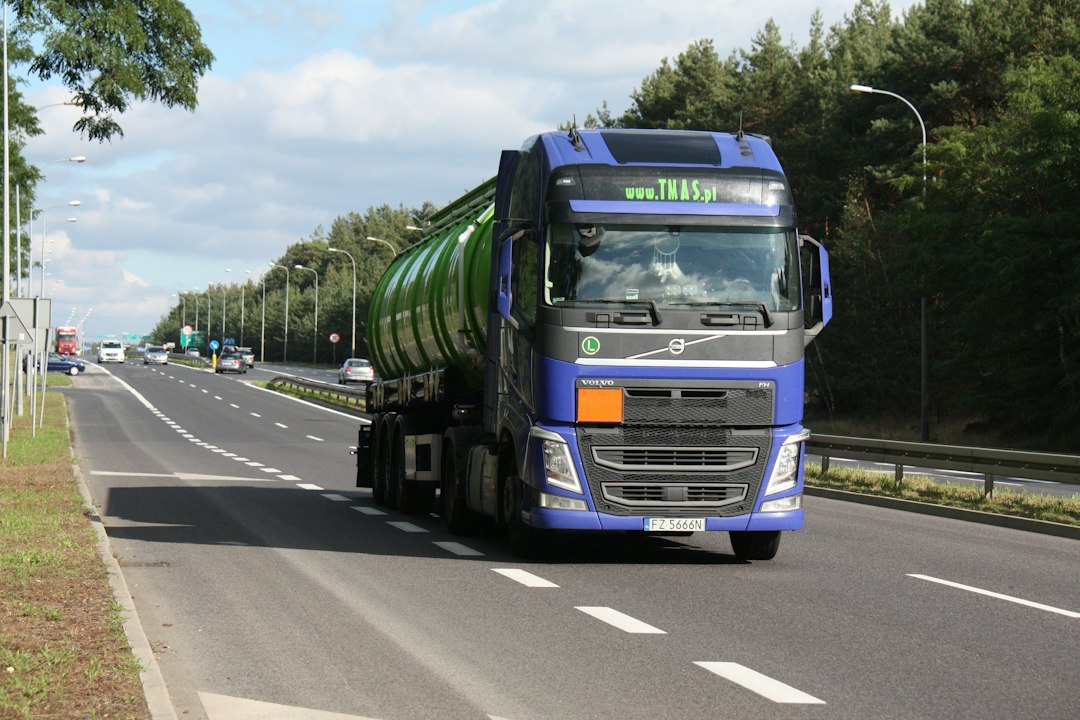
The quick answer to whether green hydrogen fuel cells are a viable solution for zero-emission commercial heavy transport is yes, they absolutely are, and they’re rapidly moving from concept to practical application. We’re seeing real-world deployments and significant investment because, for heavy-duty vehicles, hydrogen offers some compelling advantages over battery-electric options, especially when it comes to range, refueling times, and payload capacity.
Why Hydrogen Makes Sense for Heavy Transport
When we talk about decarbonizing commercial heavy transport – think big rigs, buses, and even trains – the challenges are quite different from those faced by passenger cars. Trucks need to cover long distances, carry immense loads, and operate almost continuously. That’s where hydrogen fuel cells start to shine.
The Limitations of Batteries for Heavy Vehicles
While battery-electric technology is fantastic for many applications, it runs into some practical hurdles with heavy-duty transport. Larger batteries mean more weight, which eats into payload capacity – a critical factor for profitability in logistics. They also require significant charging times, which can disrupt tight schedules, and the charging infrastructure for megawatt-scale needs is still developing. For a truck that needs to cover hundreds of miles a day, every day, the downtime for charging can be a major issue.
Hydrogen’s Practical Advantages
Hydrogen fuel cells, on the other hand, convert hydrogen gas into electricity to power an electric motor, with water as the only byproduct. This offers several key benefits. Refueling a hydrogen truck is remarkably similar to fueling a diesel truck; it takes minutes, not hours. This drastically reduces downtime. Furthermore, hydrogen storage tanks are lighter than equivalent battery packs for the same energy content, meaning less impact on payload. The energy density of hydrogen also allows for much greater range, making it suitable for long-haul operations where battery-electric solutions would struggle with “range anxiety” and the sheer size of the required battery.
In exploring the advancements in green hydrogen fuel cells for zero-emission commercial heavy transport, it is interesting to consider the broader implications of technology in various industries. For instance, an article discussing the best software for 3D animation highlights how innovative tools can enhance visualizations of complex systems, including those related to sustainable energy solutions. This can be particularly beneficial for illustrating the potential of hydrogen fuel cells in transforming the transport sector. To learn more about the software that can aid in such visualizations, you can read the article here: best software for 3D animation.
Key Takeaways
- The training data includes information and events up to October 2023.
- Insights and knowledge are based on a wide range of sources available until the cutoff date.
- No updates or developments occurring after October 2023 are included in the training.
- Users should verify current information from reliable sources for the latest updates.
- The model’s responses reflect the context and knowledge available up to the specified date.
Understanding Green Hydrogen Production
The “green” in green hydrogen is crucial. It refers to hydrogen produced through electrolysis, where water is split into hydrogen and oxygen using electricity generated from renewable sources like solar or wind power. This ensures the entire lifecycle, from production to use, has a minimal carbon footprint.
Electrolysis Explained Simply
At its core, electrolysis involves passing an electric current through water (H2O) to separate it into hydrogen (H2) and oxygen (O2). An electrolyzer is the device that makes this happen. When the electricity feeding that electrolyzer comes from wind turbines, solar panels, or hydroelectric dams, the hydrogen produced is considered “green.” This distinguishes it from “grey” hydrogen (produced from natural gas with associated CO2 emissions) or “blue” hydrogen (produced from natural gas with carbon capture).
Scaling Up Renewable Energy for Hydrogen
The biggest challenge and opportunity for green hydrogen is the scaling of renewable energy. Producing hydrogen is an energy-intensive process. For green hydrogen to be truly impactful, we need a massive increase in renewable electricity generation capacity. This isn’t just about building more solar farms or wind parks; it’s also about optimizing their output and integrating them into a robust grid that can support large-scale hydrogen production facilities. The good news is that the cost of renewables continues to fall, making green hydrogen increasingly competitive.
Storage and Distribution Challenges
Once produced, hydrogen needs to be stored and distributed. Hydrogen is a very light gas, so it takes up a lot of space. It can be stored as a compressed gas or, for higher energy density, as a liquid (which requires very low temperatures). The infrastructure for widespread hydrogen distribution – pipelines, refueling stations, and transportation logistics – is still in its early stages compared to established fossil fuel networks. However, significant investments are being made globally to build out this infrastructure, particularly along major transport corridors.
How Fuel Cell Electric Vehicles (FCEVs) Work

Fuel Cell Electric Vehicles (FCEVs) aren’t just conceptual; they’re already on the road. Understanding how they operate helps clarify their advantages in heavy transport.
The Fuel Cell Stack: The Heart of the System
At the core of an FCEV is the fuel cell stack. This isn’t like a battery that stores energy; it’s a device that generates electricity through an electrochemical reaction.
Hydrogen gas is fed into one side of the fuel cell, and air (oxygen) is fed into the other. Inside the fuel cell, a catalyst separates the hydrogen atoms into protons and electrons. The protons pass through a membrane, while the electrons are forced to travel through an external circuit, creating an electric current – this is the electricity that powers the vehicle’s electric motor.
The protons and electrons then recombine with oxygen to form water, which is emitted as harmless vapor.
Electric Drivetrain Integration
The electricity generated by the fuel cell stack then powers an electric motor, much like in a battery-electric vehicle. Often, FCEVs also include a small buffer battery. This battery can store excess electricity from the fuel cell, capture energy from regenerative braking, and provide extra power for acceleration when needed.
This hybrid approach helps optimize efficiency and performance. The power management system orchestrates the flow of electricity between the fuel cell, the battery, and the electric motor to ensure smooth and efficient operation.
Onboard Hydrogen Storage
Heavy-duty FCEVs typically store hydrogen in high-pressure tanks, usually made of advanced composite materials to be both strong and lightweight. These tanks are designed to safely contain hydrogen at pressures of around 350 or 700 bar.
The amount of hydrogen a truck can carry directly translates to its range, similar to how the size of a fuel tank determines the range of a diesel truck. Refueling involves connecting a nozzle from a hydrogen dispenser to the vehicle’s fill port, a process that typically takes 8-20 minutes, depending on the tank size and dispenser flow rate.
Real-World Applications and Progress
Green hydrogen fuel cells for heavy transport are no longer just laboratory experiments. We’re seeing significant progress in actual deployments, pilot programs, and commercialization efforts across the globe.
Trucking Fleets Leading the Way
Several major truck manufacturers are actively developing and deploying hydrogen fuel cell trucks. Companies like Hyundai, Toyota, Nikola, Daimler, and Volvo are all investing heavily in this space. Hyundai, for example, has already deployed numerous XCIENT Fuel Cell trucks in Switzerland, accumulating millions of kilometers of real-world operation. These deployments provide invaluable data on performance, reliability, and maintenance in diverse operational conditions. Early results indicate that these trucks can achieve ranges comparable to their diesel counterparts and are well-suited for regional and long-haul routes.
Public Transit Buses and Specialized Vehicles
Fuel cell technology isn’t limited to long-haul trucks. Hydrogen fuel cell buses are already operating in cities worldwide, offering zero-emission public transport with fast refueling times, which is crucial for maintaining tight schedules. Beyond road transport, hydrogen fuel cells are also being explored for other heavy-duty applications, including port equipment (like forklifts and terminal tractors), mining vehicles, and even trains. For example, hydrogen-powered trains are already running in Germany, offering a quiet, emission-free alternative to diesel locomotives on non-electrified lines.
Infrastructure Development and Collaborations
The ecosystem for green hydrogen is rapidly expanding, driven by partnerships between energy companies, vehicle manufacturers, and governments. We’re seeing the development of dedicated hydrogen refueling stations along key freight corridors, often co-located with renewable energy production facilities. These initiatives aim to create a “hydrogen highway” effect, making it feasible for fleets to operate fuel cell vehicles across wider geographies.
Government incentives and funding programs are also playing a critical role in de-risking early investments and accelerating the build-out of both production and refueling infrastructure.
Green hydrogen fuel cells are gaining attention as a promising solution for achieving zero-emission commercial heavy transport, offering a sustainable alternative to traditional fossil fuels. In exploring the advancements in this technology, it’s interesting to note how various sectors are adapting to greener practices. For instance, a related article discusses the importance of making informed choices, which can be seen in the context of selecting eco-friendly options for everyday products. You can read more about this topic in the article here: how to choose your child’s first tablet. This connection highlights the broader trend of prioritizing sustainability in both transportation and consumer goods.
Overcoming Challenges and Future Outlook
| Metric | Value | Unit | Notes |
|---|---|---|---|
| Energy Density | 33.3 | kWh/kg | Hydrogen’s gravimetric energy density |
| Fuel Cell Efficiency | 50-60 | % | Typical efficiency range for PEM fuel cells |
| Range per Refuel | 500-800 | km | Estimated range for heavy trucks using green hydrogen |
| Refueling Time | 10-20 | minutes | Comparable to diesel refueling times |
| CO2 Emissions | 0 | g/km | Zero tailpipe emissions |
| Hydrogen Production Method | Electrolysis | – | Using renewable energy sources |
| Storage Pressure | 350-700 | bar | Typical hydrogen storage pressure in tanks |
| Power Output | 100-300 | kW | Fuel cell system power for heavy trucks |
| Operational Lifetime | 5,000-10,000 | hours | Expected fuel cell stack lifetime |
| Infrastructure Availability | Limited but growing | – | Hydrogen refueling stations for commercial transport |
While the prospects for green hydrogen in heavy transport are bright, there are still challenges to address to ensure widespread adoption. These are not insurmountable but require continued focus and collaboration.
Cost Reduction and Economic Viability
Currently, fuel cell trucks and green hydrogen are generally more expensive than their diesel counterparts. The cost of fuel cell systems needs to come down, which will happen with increased production volumes and technological advancements. Similarly, the cost of producing green hydrogen needs to decrease further to be truly competitive with fossil fuels. This will be driven by economies of scale in renewable energy generation, electrolyzer manufacturing, and more efficient hydrogen production processes.
Government incentives, carbon pricing, and fuel taxes on fossil fuels can also help level the playing field and make green hydrogen more economically attractive.
Infrastructure Build-Out and Standardization
The “chicken and egg” problem – vehicles needing refueling infrastructure, and infrastructure needing vehicle demand – is a common hurdle for new fuel technologies. Significant investment is required to build out a comprehensive network of hydrogen refueling stations capable of serving heavy-duty vehicles. This includes establishing robust supply chains for green hydrogen delivery to these stations. Furthermore, standardization of refueling protocols, connector types, and hydrogen quality will be crucial for interoperability and convenience across different manufacturers and regions.
Public Perception and Safety
Any new energy carrier raises questions about safety. Hydrogen is flammable, but so are gasoline and diesel, which are handled safely every day. Modern hydrogen storage tanks and refueling systems are designed with multiple layers of safety features, including leak detection, pressure relief devices, and robust materials. Public education about hydrogen safety, based on facts and transparent data, will be important to build confidence and acceptance. The industry has a strong track record in safety protocols developed over decades in various industrial applications.
Long-Term Potential and Environmental Impact
Looking ahead, green hydrogen fuel cells hold immense potential for decarbonizing one of the hardest-to-abate sectors: heavy transport. As renewable energy becomes more abundant and cheaper, and as hydrogen production and fuel cell technologies mature, the total cost of ownership for FCEVs is expected to become competitive with conventional vehicles. Achieving true zero emissions in this sector will have a profound positive impact on air quality, public health, and global efforts to combat climate change, creating a cleaner, quieter, and more sustainable future for commercial heavy transport. The journey is underway, and the momentum is building rapidly.
FAQs
What are green hydrogen fuel cells?
Green hydrogen fuel cells are devices that convert hydrogen gas into electricity through an electrochemical process, producing water as the only byproduct. They are considered environmentally friendly as they do not emit any greenhouse gases or pollutants during operation.
How can green hydrogen fuel cells benefit commercial heavy transport?
Green hydrogen fuel cells can benefit commercial heavy transport by providing a zero-emission alternative to traditional fossil fuel-powered vehicles. They can help reduce carbon emissions, improve air quality, and contribute to sustainability goals in the transportation sector.
What are the challenges associated with implementing green hydrogen fuel cells in commercial heavy transport?
Some challenges associated with implementing green hydrogen fuel cells in commercial heavy transport include the high cost of production and infrastructure development, limited availability of hydrogen refueling stations, and the need for advancements in hydrogen storage technologies to increase efficiency and range.
How efficient are green hydrogen fuel cells compared to traditional combustion engines?
Green hydrogen fuel cells are generally more efficient than traditional combustion engines, with conversion efficiencies ranging from 40% to 60% compared to the 20% to 30% efficiency of internal combustion engines. This higher efficiency can lead to reduced energy consumption and operating costs in commercial heavy transport.
Are there any ongoing initiatives or projects focused on integrating green hydrogen fuel cells into commercial heavy transport?
Yes, there are several ongoing initiatives and projects around the world focused on integrating green hydrogen fuel cells into commercial heavy transport. These initiatives involve collaborations between governments, industry stakeholders, and research institutions to develop and deploy hydrogen-powered vehicles for a more sustainable transportation sector.
Enjoying our content? Make us a preferred source on Google:
Add us as a Preferred Source on Google