

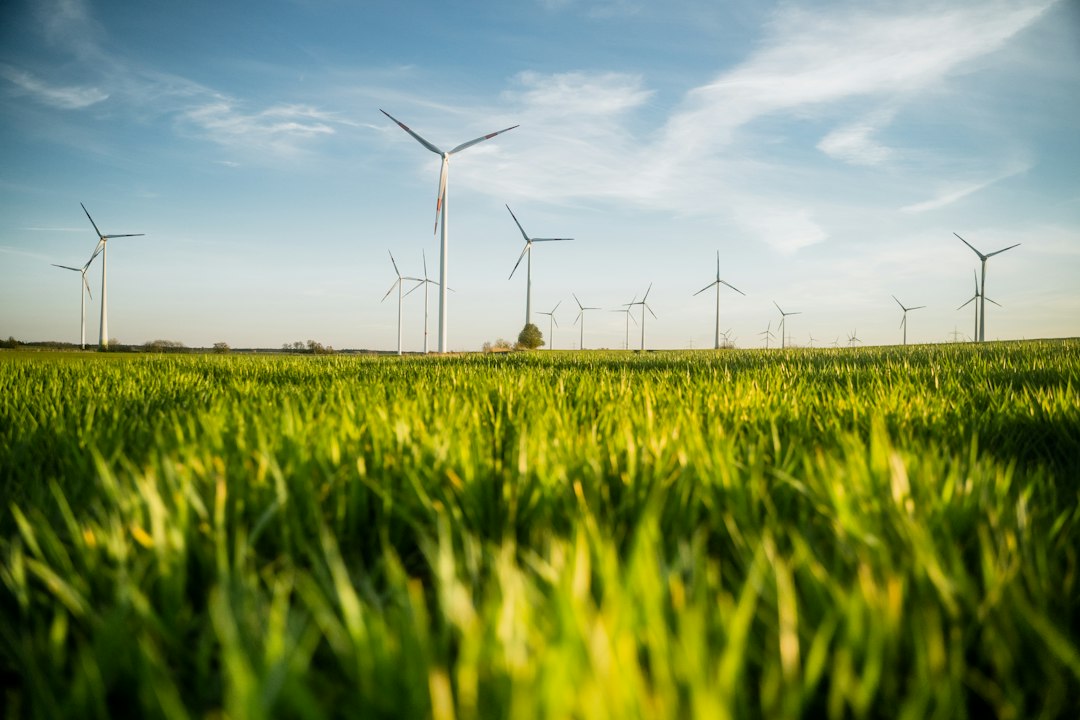
Yes, green hydrogen electrolysis is making significant strides, particularly with advancements in membrane technology and its integration with renewable energy like wind power. These developments are crucial for making hydrogen production truly sustainable and economically viable, moving us closer to a cleaner energy future.
Understanding Green Hydrogen Production
Green hydrogen is produced by splitting water molecules into hydrogen and oxygen using electricity generated from renewable sources. This process, called electrolysis, is considered ‘green’ because it emits no greenhouse gases during production. Contrast this with ‘gray’ hydrogen, which is derived from natural gas and accounts for significant carbon emissions, or ‘blue’ hydrogen, which also uses natural gas but attempts carbon capture. The goal with green hydrogen is to decarbonize industries that are difficult to electrify directly, such as heavy transport, steelmaking, and chemical production.
The Electrolysis Process: A Quick Rundown
At its core, an electrolyzer consists of two electrodes (anode and cathode) separated by an electrolyte, which is often a membrane. When electricity flows through the system, water molecules (H2O) are split. At the anode, water loses electrons and forms oxygen gas (O2) and protons (H+). These protons then travel through the electrolyte to the cathode, where they gain electrons and combine to form hydrogen gas (H2). The efficiency and cost-effectiveness of this process are heavily influenced by the components, especially the membrane and catalyst materials.
Key Types of Electrolyzers
There are primarily three main types of electrolyzers currently in use or under development for green hydrogen production, each with its own set of advantages and challenges.
Alkaline Water Electrolysis (AWE)
AWE is a mature technology, having been around for over a century. It typically uses a liquid alkaline electrolyte, such as potassium hydroxide (KOH), and a porous diaphragm to separate the gases. AWE systems are known for their robustness, long lifespan, and relatively low capital costs. However, they generally operate at lower current densities and pressures compared to newer technologies, making them less compact. They also require careful handling of the corrosive liquid electrolyte and have slower response times to fluctuations in renewable power input, which can be a drawback when directly coupled with intermittent sources like wind.
Proton Exchange Membrane (PEM) Electrolysis
PEM electrolysis utilizes a solid polymer membrane (often Nafion-type materials) as the electrolyte. This membrane is proton-conductive, allowing H+ ions to pass through while blocking the passage of hydrogen and oxygen gases. PEM electrolyzers offer several advantages: high current densities, compact design, fast dynamic response to power fluctuations, and the ability to operate at high pressures, simplifying downstream compression. These characteristics make them particularly attractive for direct integration with renewable energy sources. The primary challenge has historically been the reliance on expensive platinum group metals (PGMs) like platinum and iridium for catalysts, and the cost of the membrane itself.
Anion Exchange Membrane (AEM) Electrolysis
AEM electrolysis is a newer, rapidly developing technology that aims to combine the benefits of both AWE and PEM. It uses an anion-exchange membrane and operates in an alkaline environment, similar to AWE, but with a solid electrolyte like PEM. This allows AEM electrolyzers to potentially avoid the use of expensive PGM catalysts by utilizing more abundant and cheaper materials like nickel and iron. AEMs also offer the possibility of high current densities and good dynamic response. The main hurdles for AEM technology currently lie in improving the long-term stability and conductivity of the anion exchange membranes and catalysts, as well as scaling up manufacturing.
Recent advancements in green hydrogen electrolysis have highlighted the importance of membrane technology and its integration with renewable energy sources like wind power. A related article discusses the latest innovations in hydrogen production methods and their potential impact on sustainable energy systems. For more insights into cutting-edge technology, you can check out this article on the best HP laptops of 2023, which showcases how advancements in technology can drive efficiency across various sectors. For more information, visit here.
Key Takeaways
- The training data includes information and events up to October 2023.
- Insights and knowledge are based on a wide range of sources available until the cutoff date.
- No updates or developments occurring after October 2023 are included in the training.
- Users should verify current information from reliable sources for the latest updates.
- The model’s responses reflect the context and knowledge available up to the specified date.
Membrane Technology: The Heart of the Electrolyzer
The membrane is arguably the most critical component in PEM and AEM electrolyzers, acting as both an electrical insulator and an ion conductor. Its performance directly impacts the efficiency, durability, and cost of green hydrogen production. Significant research and development efforts are focused on improving these membranes.
Advancements in PEM Membranes
Traditional PEM membranes, such as Nafion, are perfluorosulfonic acid (PFSA) polymers. While highly effective, their cost and the presence of per- and polyfluoroalkyl substances (PFAS) raise environmental concerns. Recent advancements aim to address these issues.
Reducing PGM Loading
A major cost driver for PEM electrolyzers is the requirement for platinum and iridium catalysts. Research is exploring new catalyst layer designs and advanced deposition techniques to significantly reduce the amount of PGM needed without sacrificing performance. This includes developing highly porous electrodes, using core-shell nanoparticles, and creating advanced catalyst supports that maximize active surface area.
Non-PFAS Membranes
There’s a strong push to develop high-performance membranes that are free from PFAS. These alternatives often involve hydrocarbon-based polymers or composite membranes. The challenge is to match the chemical stability, proton conductivity, and mechanical strength of PFSAs.
Early results show promising performance for some non-PFAS materials, although long-term durability and industrial scalability are still being rigorously tested.
These new materials are crucial for improving the environmental footprint of PEM electrolyzers and potentially lowering material costs.
High-Temperature PEM Operation
Operating PEM electrolyzers at higher temperatures (e.g., above 80°C) could offer several advantages, including improved kinetics, potentially lower PGM loading, and easier heat rejection. However, traditional PFSA membranes tend to lose proton conductivity at higher temperatures unless they are sufficiently hydrated, which becomes challenging. New membrane designs, including those with advanced hydration management or intrinsically high-temperature stable ion-conductive groups, are being investigated to enable efficient high-temperature operation.
Breakthroughs in AEM Membranes
AEM technology is particularly exciting because it promises the performance benefits of PEM without the PGM catalyst requirement. The challenge lies in the membrane itself, as anion conductivity is generally lower than proton conductivity, and stability in highly alkaline environments can be an issue.
Enhanced Anion Conductivity
Researchers are developing new polymer backbones and functional groups that can achieve higher anion conductivity. This includes synthesizing novel poly(aromatic) polymers with quaternary ammonium, phosphonium, or guanidinium groups. The goal is to create membranes with ionomer structures that facilitate efficient anion transport while maintaining mechanical robustness.
Improved Chemical Stability
The long-term stability of AEMs in the harsh alkaline environment is critical for commercial viability. Degradation can occur through Hofmann elimination or nucleophilic attack. Current research focuses on designing polymers with more stable cation groups and backbones that resist degradation, as well as optimizing membrane cross-linking to improve mechanical and chemical resilience. Silicon-based polymers and highly fluorinated polymers are also being explored for their enhanced stability.
Composite AEMs
Similar to PEMs, composite AEMs, which incorporate inorganic fillers (like metal oxides or layered double hydroxides) into the polymer matrix, are being developed. These fillers can enhance mechanical strength, improve conductivity, and potentially mitigate swelling, leading to more durable and higher-performing membranes. The interface between the polymer and the filler is crucial for optimal performance.
Wind Power Integration: A Perfect Pairing

Integrating green hydrogen production directly with wind power is not just about using renewable electricity; it’s about optimizing the entire energy system. Wind power, while abundant, is intermittent. Electrolyzers, especially PEM and advanced AEM systems, offer an excellent way to balance the grid and produce a valuable energy carrier when wind generation exceeds demand.
Managing Intermittency with Electrolyzers
The variable nature of wind power presents challenges for grid stability.
When wind turbines generate more electricity than the grid can immediately consume, that energy often goes to waste (curtailment). Electrolyzers can act as a flexible load, ramping up or down rapidly in response to wind output.
Fast Dynamic Response
PEM electrolyzers are particularly well-suited for this due to their rapid start-up and shut-down capabilities, and their ability to operate efficiently over a wide range of loads. This fast dynamic response allows them to closely track the fluctuating output of wind farms, converting surplus electricity into storable hydrogen.
Advanced control systems are being developed to optimize this dynamic interaction, minimizing energy losses and maximizing hydrogen production efficiency.
Grid Balancing Services
Beyond simply consuming excess power, electrolyzers can provide valuable grid services. By adjusting their power consumption, they can help maintain grid frequency and voltage stability. This ability to act as a responsive load can earn revenue for hydrogen producers by participating in electricity markets for ancillary services, further improving the economics of green hydrogen.
Direct Coupling vs. Grid Connection
There are two primary approaches to integrating electrolyzers with wind power: direct coupling or grid connection.
Direct Coupling
In a directly coupled system, the electrolyzer is physically connected to the wind turbine(s) with minimal or no connection to the wider electricity grid.
This approach avoids transmission losses and grid charges, potentially lowering the cost of electricity for hydrogen production. However, it requires the electrolyzer to handle the full variability of the wind resource, which demands highly responsive electrolyzer technology and robust control strategies. This model is often explored for remote, off-grid applications or large-scale dedicated hydrogen production facilities.
Grid-Connected Systems
More commonly, electrolyzers are connected to the main electricity grid, even if their primary power source is designated as wind.
This offers greater flexibility. The electrolyzer can draw power from the grid when wind generation is low, or sell excess wind power to the grid when hydrogen demand is low. This hybridization allows for more consistent electrolyzer operation and better utilization of both the wind resource and grid infrastructure.
Smart grid management and energy management systems are crucial for optimizing these complex interactions.
Economic and Environmental Benefits
The integration of advanced membrane electrolyzers with wind power offers a compelling pathway towards a sustainable energy future, bringing both economic and environmental advantages.
Cost Reduction Pathways
While green hydrogen is currently more expensive than hydrogen produced from fossil fuels, the trend is towards significant cost reductions, driven by several factors.
Scaling Up Manufacturing
As demand for electrolyzers grows, manufacturing processes will become more automated and efficient, leading to economies of scale. This will drive down the capital cost of electrolyzer stacks and associated balance-of-plant components. Gigafactories for electrolyzer production are already being planned and built.
Improved Efficiency
Advancements in membrane and catalyst technologies will lead to more efficient electrolyzers that require less electricity per kilogram of hydrogen produced. This directly reduces the operational expenditure, as electricity is the largest cost component in green hydrogen production. Higher current densities also mean more hydrogen from a smaller footprint, reducing overall capital intensity.
Lower Material Costs
The shift towards non-PGM catalysts in PEM and especially in AEM electrolyzers, along with the development of cheaper, high-performance membranes, will significantly reduce material costs. This is a critical pathway for AEM technology to achieve cost competitiveness. Recycling of materials from end-of-life electrolyzers will also play a role in long-term cost management.
Renewable Energy Price Decline
The continuous decline in the levelized cost of electricity (LCOE) from wind power directly translates to cheaper green hydrogen. As wind farms become more efficient, larger, and benefit from better siting, the input cost for electrolysis will continue to fall.
Decarbonization and Emissions Reduction
The primary environmental benefit of green hydrogen is its role in decarbonization, particularly in sectors that are challenging to electrify directly.
Hard-to-Abate Sectors
Industries like steel production (which currently relies heavily on coal), ammonia synthesis for fertilizers, and chemical manufacturing are major emitters. Replacing fossil fuels or fossil-derived hydrogen with green hydrogen can dramatically reduce their carbon footprint. For example, using hydrogen as a reducing agent in direct reduced iron (DRI) processes can nearly eliminate CO2 emissions from steelmaking.
Heavy Transport and Shipping
Batteries are suitable for many electric vehicles, but for heavy-duty trucks, long-distance shipping, and aviation, hydrogen or hydrogen-derived fuels (e-fuels) offer a more viable solution due to energy density requirements. Green hydrogen can power fuel cell vehicles or be synthesized into sustainable aviation fuels and shipping fuels, greatly reducing emissions from these sectors.
Grid Stability and Energy Storage
Green hydrogen acts as a versatile energy storage medium. When wind power production is high and demand is low, excess electricity can be converted to hydrogen and stored. This hydrogen can then be reconverted to electricity during periods of low wind and high demand, or used directly as a fuel. This flexible storage capability enhances grid stability and reduces reliance on fossil fuel peaker plants.
Recent advancements in green hydrogen electrolysis, particularly regarding membrane technology and its integration with wind power, have garnered significant attention in the renewable energy sector. These innovations not only enhance the efficiency of hydrogen production but also align with sustainable energy goals. For a deeper understanding of how technology is transforming various industries, you might find this article on home remodeling software insightful. It highlights the best free tools available today, showcasing the intersection of technology and practical applications in everyday life. You can read more about it here.
Future Outlook and Remaining Challenges
| Metric | Value | Unit | Notes |
|---|---|---|---|
| Electrolyzer Efficiency | 70-80 | % | Based on lower heating value (LHV) of hydrogen |
| Membrane Conductivity | 0.1-0.2 | S/cm | Proton exchange membranes (PEM) at operating temperature |
| Operating Temperature | 50-80 | °C | Typical for PEM electrolyzers |
| Wind Power Capacity | 5-10 | MW | Typical scale for integrated green hydrogen projects |
| Hydrogen Production Rate | 500-1000 | kg/day | Depends on electrolyzer size and wind availability |
| Membrane Durability | 5000-10000 | hours | Operational lifetime before replacement |
| Integration Efficiency | 85-90 | % | Efficiency of coupling wind power with electrolyzer system |
| Hydrogen Purity | 99.99 | % | Typical purity from PEM electrolysis |
While the trajectory for green hydrogen and its integration with wind power is positive, there are still significant challenges to overcome before it reaches widespread commercial maturity.
Scaling Up Production and Infrastructure
One of the biggest hurdles is scaling up hydrogen production from demonstration projects to industrial-scale facilities. This requires massive investments in electrolyzer manufacturing, renewable energy infrastructure, and crucially, the development of hydrogen transportation and distribution networks. Pipelines, liquefaction plants, and ammonia conversion facilities will all be needed.
Standardization and Regulation
The lack of consistent international standards for hydrogen production, quality, safety, and infrastructure can hinder global trade and deployment. Developing harmonized regulations and certification schemes is essential to instill confidence and facilitate market growth. Policy support and incentives from governments will also be crucial in de-risking early projects.
Public Perception and Safety
Hydrogen, being a flammable gas, carries a public perception challenge. Ensuring the highest safety standards in production, storage, and transport, along with effective public education campaigns, will be vital for social acceptance and widespread adoption. The industry has a strong track record of safe handling, but this needs to be communicated effectively.
Continued R&D for Performance and Durability
While current membrane and catalyst technologies are improving, continuous research and development are needed to push performance boundaries further and extend the lifespan of electrolyzer components.
Enhancing Durability and Lifetime
The operational lifetime of electrolyzers, especially PEM and AEM systems, needs to increase to reduce the levelized cost of hydrogen. Research into more robust materials, better understanding of degradation mechanisms, and advanced diagnostics will contribute to longer service intervals and reduced maintenance costs. This includes improving the mechanical and chemical stability of membranes and catalysts under continuous and dynamic operating conditions.
Improving Round-Trip Efficiency
When hydrogen is produced, stored, and then reconverted to electricity, there are efficiency losses at each stage. While direct use of hydrogen (e.g., in industrial processes or fuel cell vehicles) avoids the reconversion loss, improving the overall round-trip efficiency of hydrogen energy systems is a key area for development. This involves optimizing every component, from the electrolyzer to the fuel cell or gas turbine.
Novel Electrolyzer Concepts
Beyond AWE, PEM, and AEM, research continues into other advanced electrolysis technologies, such as solid oxide electrolysis cells (SOECs). SOECs operate at very high temperatures and can utilize waste heat from industrial processes, potentially leading to higher efficiencies. However, they face challenges related to material stability at high temperatures and dynamic operation. Continued exploration of these and other novel concepts could unlock further efficiencies and cost reductions in the long term.
In conclusion, the convergence of advanced membrane technologies in green hydrogen electrolysis with the abundant, clean power from wind represents a powerful synergy. As these technologies mature, costs decrease, and infrastructure expands, green hydrogen is poised to play an indispensable role in decarbonizing our global energy system and building a truly sustainable future.
FAQs
What is green hydrogen electrolysis?
Green hydrogen electrolysis is a process that uses renewable energy sources, such as wind power, to split water into hydrogen and oxygen through electrolysis. This method produces hydrogen without emitting carbon dioxide, making it a sustainable alternative to traditional hydrogen production methods that rely on fossil fuels.
How do membrane advances improve electrolysis efficiency?
Recent advancements in membrane technology have enhanced the efficiency of electrolysis by improving ion conductivity and reducing energy losses. These membranes facilitate the selective transport of ions while preventing gas crossover, leading to higher purity hydrogen production and lower operational costs.
What role does wind power play in green hydrogen production?
Wind power serves as a renewable energy source that can be harnessed to generate electricity for the electrolysis process. By integrating wind power with hydrogen production, it allows for the utilization of excess energy generated during peak wind conditions, thus optimizing energy use and reducing reliance on fossil fuels.
What are the environmental benefits of using green hydrogen?
The use of green hydrogen significantly reduces greenhouse gas emissions compared to conventional hydrogen production methods. It contributes to a cleaner energy system by utilizing renewable resources, thereby helping to combat climate change and reduce air pollution associated with fossil fuel combustion.
What challenges are associated with the integration of electrolysis and wind power?
Challenges include the intermittent nature of wind energy, which can lead to fluctuations in hydrogen production. Additionally, the need for advanced storage solutions and infrastructure to transport and utilize hydrogen effectively poses logistical and economic hurdles that must be addressed for widespread adoption.
Enjoying our content? Make us a preferred source on Google:
Add us as a Preferred Source on Google