

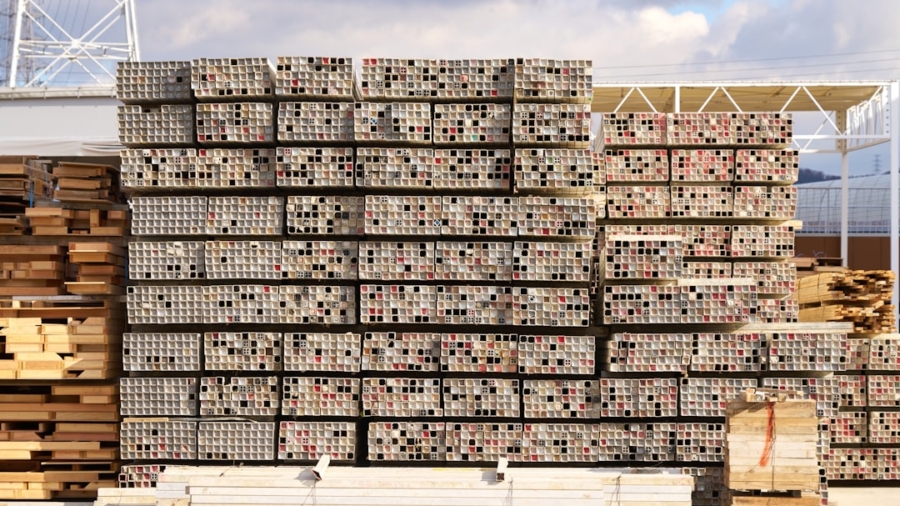
Zero-emission building materials are essentially materials produced and used in construction that result in net-zero greenhouse gas emissions throughout their entire lifecycle. This means considering everything from extraction and manufacturing to
FAQs
What are zero emission building materials?
Zero emission building materials are materials that have a minimal impact on the environment throughout their entire life cycle, from production to disposal. These materials are designed to reduce or eliminate greenhouse gas emissions, pollutants, and other harmful environmental impacts.
How are zero emission building materials developed?
Zero emission building materials are developed through a combination of innovative design, sustainable sourcing of raw materials, and advanced manufacturing processes. These materials are often engineered to be energy-efficient, durable, and recyclable, with a focus on reducing carbon emissions and other pollutants.
What are some examples of zero emission building materials?
Examples of zero emission building materials include recycled steel, bamboo, cork, straw bales, and recycled glass. Additionally, materials such as low-impact concrete, hempcrete, and sustainable wood products are also considered zero emission building materials due to their minimal environmental impact.
What are the benefits of using zero emission building materials?
Using zero emission building materials can lead to a variety of environmental and economic benefits. These materials can help reduce carbon emissions, improve indoor air quality, lower energy consumption, and decrease waste generation. Additionally, using zero emission building materials can contribute to sustainable development and help mitigate the impacts of climate change.
How can zero emission building materials contribute to sustainable construction?
Zero emission building materials can contribute to sustainable construction by promoting the use of renewable resources, reducing energy consumption, and minimizing environmental impact. By incorporating these materials into construction projects, builders and developers can create healthier, more environmentally friendly buildings while also supporting the transition to a low-carbon economy.
Enjoying our content? Make us a preferred source on Google:
Add us as a Preferred Source on Google