Modular consumer tech can absolutely extend product lifespans. The core idea is simple: instead of replacing an entire device when one part fails or becomes outdated, you can swap out individual components.
This not only saves you money but also reduces e-waste, which is a win-win for everyone involved – you, the manufacturer, and the planet.
Think of it like building with LEGOs; you’re not throwing out the whole spaceship if one brick breaks, you just replace that one brick. This approach brings a lot of practical benefits, from easier repairs to staying current with ever-evolving technology.
Planned obsolescence, where products are designed to fail or become outdated quickly, has become a major frustration for consumers. Modular design offers a powerful counter-narrative, promoting longevity and giving users more control over their devices.
What is Modular Design, Really?
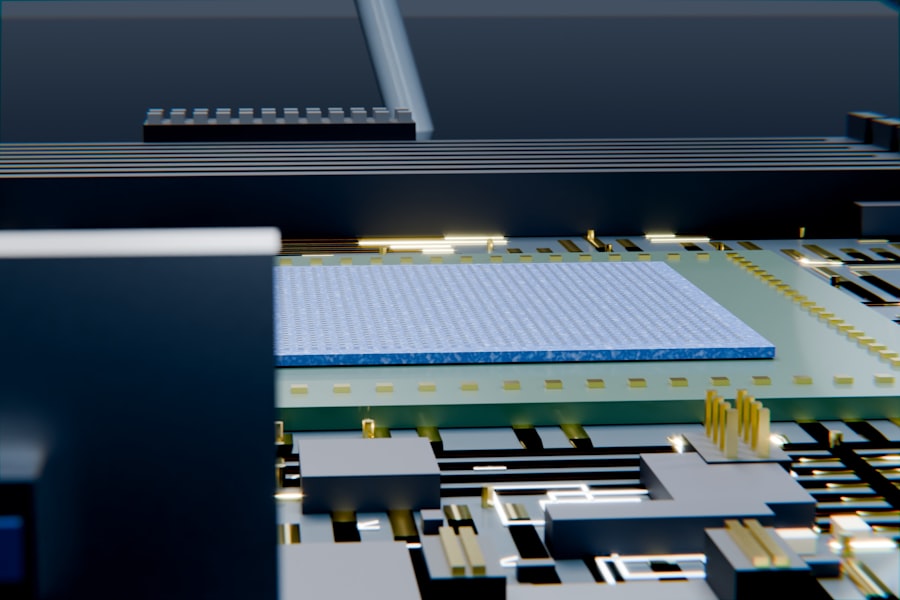
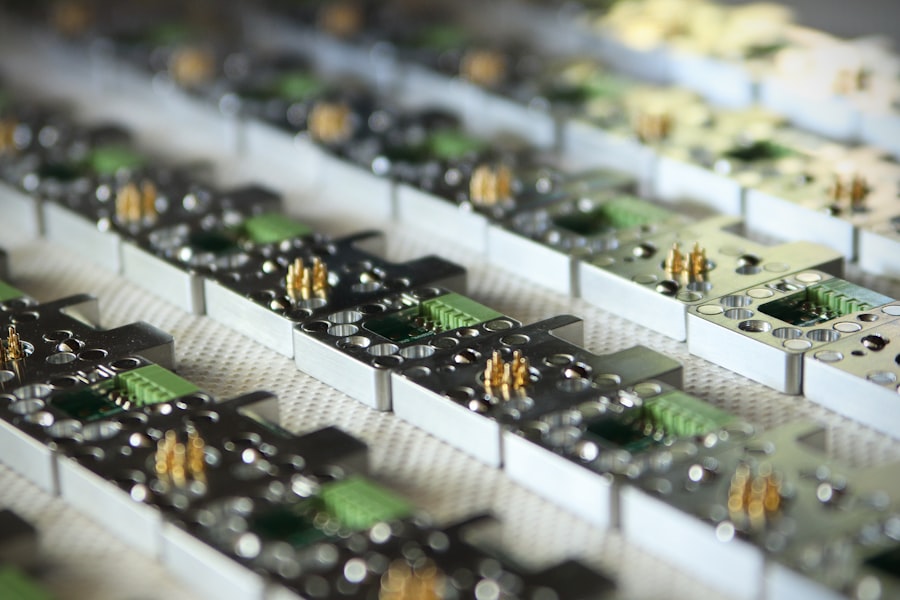
At its heart, modular design is about breaking down a product into discrete, interchangeable units. Each module performs a specific function and can be independently replaced, upgraded, or even customized. We’re not talking about simply taking apart a phone with a screwdriver; it’s about a design where components are intended to be swapped out. This requires careful consideration during the initial design phase, ensuring standardized connectors, accessible interfaces, and clear instructions.
Environmental Benefits: Less Waste, Lower Impact
The amount of electronic waste (e-waste) generated globally is staggering and growing. Modular design directly addresses this by reducing the frequency of full device replacements.
Reducing Landfill Burden
When you upgrade a camera module on your smartphone instead of buying a whole new phone, that old phone doesn’t become e-waste. This significantly cuts down on the volume of discarded electronics ending up in landfills, where they can leach harmful chemicals into the environment.
Conserving Raw Materials and Energy
Manufacturing new devices requires vast amounts of raw materials, many of which are finite, and consumes significant energy. By extending the life of existing products through modularity, we reduce the demand for new manufacturing, thereby conserving precious resources and lowering energy consumption.
Economic Advantages: Saving Money in the Long Run
While the initial cost of a modular device might be slightly higher due to increased design complexity and potentially higher manufacturing tolerances, the long-term savings for consumers can be substantial.
Lower Repair Costs
If your laptop’s battery dies, instead of paying for an expensive repair where a technician has to dismantle the whole device, you could simply order a new battery cartridge and swap it in yourself. This drastically reduces labor costs and often the cost of the part itself, as you’re not paying for proprietary tools or a service center’s markup.
Deferred Upgrade Cycles
Instead of buying a new smartphone every two years to get a better camera or processor, with modularity, you could just upgrade those specific components. This stretches out the useful life of the core device, meaning fewer expensive purchases overall. You invest in a robust frame and update the “guts” as needed.
In the pursuit of sustainable consumer technology, the concept of designing modular products to extend their lifespans is gaining traction.
A related article that explores the importance of user-friendly software in enhancing the overall experience of tech products is available at here.
Accessibility and User-Friendliness
If swapping modules is a convoluted process requiring specialized tools and advanced technical knowledge, most users won’t bother.
Tool-Less or Minimal Tool Design
The ideal scenario is tool-less replacement – think snap-in components or simple latches. If tools are required, they should be standard (like a Phillips head screwdriver) and ideally included with the device or module. The aim is for the average user to be able to perform these upgrades or repairs themselves.
Clear Instructions and Documentation
Comprehensive and easy-to-understand guides, both printed and digital, are essential. Video tutorials showing exactly how to swap components can be incredibly helpful, breaking down any perceived complexity.
Future-Proofing and Longevity Considerations
Modular design inherently aims for longevity, but some specific considerations can enhance this.
Robust Core Components
The non-modular core components (e.g., chassis, display, underlying motherboard that handles communication between modules) need to be exceptionally durable and well-designed. These are the parts you ideally don’t want to replace.
Backward and Forward Compatibility
When designing new modules, ensuring they are compatible with previous generations of the main device, and that future iterations of the main device can accept older modules, maximizes the value of the ecosystem. This isn’t always possible for performance reasons, but where it is, it’s a huge plus.
Challenges and Considerations for Manufacturers
While modularity offers significant advantages, it also presents manufacturers with a unique set of hurdles they need to overcome.
Design Complexity and Manufacturing Costs
Integrating modularity from the ground up adds layers of complexity to the design process.
Engineering for Modularity
Designing a product where every component can be easily removed, replaced, and reconnected without compromising structural integrity or electrical performance is a significant engineering challenge. This often means breaking traditional design paradigms and rethinking how components interact.
Increased Bill of Materials (BOM) and Production Costs
Modular designs might require more individual parts, more complex tooling, and potentially tighter tolerances to ensure proper fit and function across different modules. This can translate to a higher Bill of Materials (BOM) and increased manufacturing costs compared to a more integrated, “monolithic” design.
Business Model Adaptation and Revenue Streams
The traditional tech business model relies heavily on frequent whole-device upgrades.
Modularity disrupts this.
Shifting from Device Sales to Component Sales
Manufacturers would need to shift their focus from selling complete units every few years to selling a core device once, and then generating revenue from component upgrades and replacements over a longer period. This requires a different sales and marketing strategy.
Supporting an Ecosystem of Modules
A successful modular ecosystem needs a steady supply of new and updated modules. This requires ongoing R&D and manufacturing for individual components, which can be different from producing finished devices.
It also opens the door to third-party manufacturers, which could be seen as both an opportunity and a threat.
Consumer Adoption and Education
Even with excellent design, convincing consumers to embrace modularity requires education and trust.
Overcoming Perceived Complexity
Many consumers are used to sealed devices and might perceive modularity as inherently more complicated. Marketing and clear communication are key to demonstrating its advantages and ease of use.
Building Trust in Longevity and Support
Consumers need to trust that manufacturers will continue to supply compatible modules for many years, and that the core device itself is designed to last. This commitment to long-term support is crucial for building confidence.
Real-World Examples and Future Possibilities
While widespread modularity in consumer tech is still somewhat nascent, there are compelling examples and a lot of exciting potential.
Success Stories and Promising Prototypes
We’ve seen pockets of modular success and some ambitious attempts that, while not always reaching mass market, proved the concept.
Fairphone: The Ethical Pioneer
Fairphone is perhaps the most well-known example of a company built around ethical, modular design. Their smartphones are designed to be easily repairable and upgradable, with spare parts and clear instructions readily available. They’ve shown that a commercially viable modular smartphone is possible, even if it targets a niche market.
Framework Laptops: A Modern Blueprint
Framework has taken the concept of modular laptops to a new level. Their laptops are incredibly easy to repair and upgrade, allowing users to swap out memory, storage, Wi-Fi cards, and even entire mainboards to get a new CPU. They also offer swappable port modules, letting users customize their port selection. This is a brilliant demonstration of practical, user-centric modularity.
Project Ara (Google) and Phonebloks: Ambitious but Challenging
While ultimately unsuccessful for various reasons (including complexity and cost challenges), Google’s Project Ara and the independent Phonebloks concept sparked immense interest in truly modular smartphones. They demonstrated the desire for such devices and highlighted the significant technical and logistical hurdles involved.
What Could Be Next? The Vision for Modular Tech
Imagine a future where many of your devices are built to last and adapt.
Modular Smart Home Devices
Instead of replacing an entire smart hub, you might upgrade its processing unit, add a new communication module (like a future wireless standard), or swap out a faulty sensor. This could apply to cameras, thermostats, and even smart appliances.
User-Configurable Wearables
Imagine a smartwatch where you could swap out the display for a lower-power E-Ink version for travel, or change the biometric sensor module for a more advanced one when new health tracking tech emerges. This moves beyond just changing straps to changing core functionality.
Open-Source Hardware and DIY Modularity
Beyond commercially produced modular devices, there’s potential for open-source hardware platforms that encourage community-driven module development. This could lead to niche, highly specialized components and truly customized devices built by enthusiasts.
Modular consumer tech isn’t a silver bullet for all our environmental and economic woes, but it’s a powerful tool in the fight against wasteful consumption. It demands a shift in design philosophy from manufacturers and a change in purchasing habits from consumers, but the long-term benefits – for your wallet and the planet – are well worth the effort. It’s about building a future where your technology evolves with you, instead of forcing you to constantly start fresh.
FAQs
What is modular consumer tech?
Modular consumer tech refers to electronic devices that are designed with interchangeable components, allowing users to easily upgrade or replace specific parts of the device without having to replace the entire product.
How does modular design extend product lifespans?
Modular design extends product lifespans by allowing users to repair, upgrade, or replace specific components of the device, rather than discarding the entire product when a single part becomes outdated or malfunctions. This reduces electronic waste and promotes sustainability.
What are some examples of modular consumer tech products?
Examples of modular consumer tech products include smartphones with replaceable batteries, modular laptops with interchangeable RAM and storage components, and modular cameras with swappable lenses and sensors.
What are the benefits of designing consumer tech with modular features?
Designing consumer tech with modular features offers several benefits, including reduced electronic waste, cost savings for consumers, extended product lifespans, and the ability to customize and upgrade devices according to individual needs and preferences.
Are there any challenges associated with designing modular consumer tech?
Challenges associated with designing modular consumer tech include ensuring compatibility between interchangeable components, maintaining a sleek and user-friendly design, and educating consumers about the benefits and potential of modular devices.
Enjoying our content? Make us a preferred source on Google:
To provide the best experiences, we use technologies like cookies to store and/or access device information. Consenting to these technologies will allow us to process data such as browsing behavior or unique IDs on this site. Not consenting or withdrawing consent, may adversely affect certain features and functions.
Functional
Always active
The technical storage or access is strictly necessary for the legitimate purpose of enabling the use of a specific service explicitly requested by the subscriber or user, or for the sole purpose of carrying out the transmission of a communication over an electronic communications network.
Preferences
The technical storage or access is necessary for the legitimate purpose of storing preferences that are not requested by the subscriber or user.
Statistics
The technical storage or access that is used exclusively for statistical purposes.The technical storage or access that is used exclusively for anonymous statistical purposes. Without a subpoena, voluntary compliance on the part of your Internet Service Provider, or additional records from a third party, information stored or retrieved for this purpose alone cannot usually be used to identify you.
Marketing
The technical storage or access is required to create user profiles to send advertising, or to track the user on a website or across several websites for similar marketing purposes.