

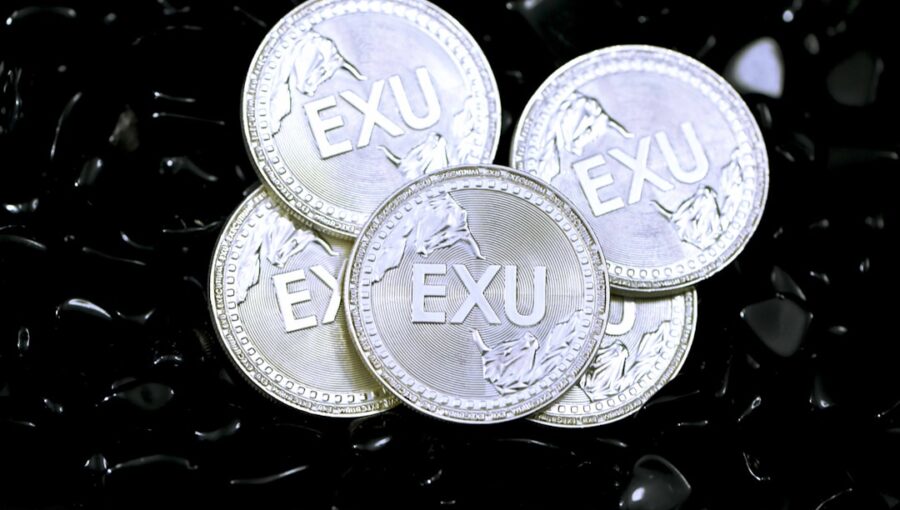
So, you’ve heard about utility tokens, probably in the context of NFTs and digital art. But what if I told you these little digital chits have a much broader potential, particularly in an area as fundamental as digital identity? Forget splashy million-dollar jpegs for a moment. Utility tokens, at their core, are about granting access or enabling specific actions within a decentralized ecosystem. This intrinsic function makes them incredibly well-suited for building robust, user-centric digital identity solutions that go far beyond what we have today.
Our current digital identity landscape is, frankly, a bit of a mess. We rely on centralized third parties – think social media giants, email providers, even our government – to verify who we are. This model comes with a slew of problems.
The Centralization Conundrum
When one entity holds all your identity data, it becomes a single point of failure. A data breach at one company can expose everything about you, leading to identity theft and a huge headache.
Fragmented and Inefficient
Every new service demands you create a new account, often with repeated information. You end up with dozens of digital identities, none of which truly communicate with each other. It’s frustrating, inefficient, and a drain on your time.
Lack of User Control
Who truly owns your identity data? In most cases, it’s not you. You grant permissions to companies, and they often use that data in ways you might not fully understand or approve of. We’re essentially renting our own identities.
Privacy Concerns
Sharing your entire identity just to prove your age or membership can expose more information than necessary. Think about proving you’re over 21 without revealing your exact birthdate or full name to a random cashier. This granular control over data sharing is largely absent today.
In exploring the practical applications of utility tokens beyond the realm of art, a related article that delves into the broader implications of digital identity can be found at Screpy Reviews 2023. This article discusses how utility tokens can enhance digital identity verification processes, providing secure and efficient ways for individuals to manage their online identities while ensuring privacy and security in various digital interactions.
Key Takeaways
- Clear communication is essential for effective teamwork
- Active listening is crucial for understanding team members’ perspectives
- Conflict resolution skills are necessary for managing disagreements
- Trust and respect are the foundation of a successful team
- Collaboration and cooperation are key for achieving common goals
How Utility Tokens Can Transform Identity
Here’s where utility tokens step in. By leveraging their inherent capabilities to grant access, manage permissions, and facilitate verifiable claims, they offer a compelling alternative to traditional digital identity systems.
Decentralized Identifiers (DIDs) and Verifiable Credentials (VCs)
At the heart of this transformation are Decentralized Identifiers (DIDs) and Verifiable Credentials (VCs). Think of a DID as a self-sovereign username – an identifier you fully control, not one assigned by a company. VCs are like digital attestations of attributes about you (e.g., “I am over 21,” “I have a degree in X,” “I am an employee of Y”), cryptographically signed by an issuer.
Tokenizing Access and Permissions
Utility tokens can act as a gatekeeper for these credentials. Imagine a token that represents membership in a professional organization. Holding that token grants you access to specific resources, forums, or even voting rights, without needing a centralized database to verify your status.
Immutable and Transparent Record Keeping
Since most utility tokens reside on a blockchain, their transfer and ownership are recorded immutably and transparently. This means a verifiable audit trail for identity-related actions and permissions, making it harder to forge or manipulate identity data.
Practical Applications Beyond the Hype

Let’s dive into some concrete examples of where utility tokens could make a real difference in digital identity. These aren’t far-fetched ideas; they’re actively being explored and developed.
Secure and Granular Access Control
This is perhaps the most straightforward application. Instead of password-based systems or single sign-on (SSO) services controlled by large corporations, imagine using utility tokens to access specific services or data.
Token-Gated Communities and Resources
A utility token issued by a community could grant access to exclusive Discord channels, member-only content on a website, or even physical events.
The token itself acts as proof of membership.
Enterprise Access Management
Within an organization, tokens could be used to grant employees access to specific software, databases, or even physical locations. This provides a more secure and auditable system than traditional ID badges or login credentials. Each department or project could have its own utility token governing access to relevant resources.
Device Authentication
Imagine your smart home devices or IoT sensors requiring a specific utility token to interact with your personal network.
This adds an extra layer of security and ensures only authorized devices are connected. If a device is compromised, you can revoke its token and sever its access immediately, without affecting other devices.
Self-Sovereign Identity (SSI) Management
This is where utility tokens truly shine in empowering individuals. SSI is about putting individuals in control of their own digital identity.
Verifiable Credentials for Life Events
Think about all the important documents you have: birth certificates, academic degrees, professional licenses, passports.
Utility tokens could represent the verified claims associated with these documents. An educational institution could issue a utility token representing your degree, which you then “present” to a prospective employer who can instantly verify its authenticity on the blockchain.
Controlling Data Disclosure
Instead of sharing your entire driver’s license to prove your age, you could present a token that simply verifiably states, “I am over 21.” This minimizes the personal data you expose, aligning with privacy-by-design principles. You could have a separate token for your full name, another for your address, and only present what’s relevant for the specific interaction.
Reputation and Trust Systems
Utility tokens could represent aspects of your reputation.
For example, a token could signify a verified positive review as a freelancer, or completion of a specific training course. These tokens, accumulated over time, could build a verifiable professional reputation, replacing opaque review systems. Similarly, decentralized autonomous organizations (DAOs) could issue tokens representing voting power or participation history, building a verifiable reputation within the DAO.
Enhancing e-Governance and Civic Engagement
Governments, too, could benefit immensely from robust, token-based identity systems.
Secure Digital Voting
One of the biggest challenges in online voting is ensuring security and preventing fraud.
Utility tokens could represent eligibility to vote, and their use in a voting process could provide a secure, transparent, and auditable record, improving trust in election outcomes. Each eligible citizen could be issued a non-transferable voting token for a specific election.
Citizen Services Access
Imagine accessing government services directly through a digital identity wallet containing your verified citizen tokens. This could streamline processes for applying for permits, renewing licenses, or accessing social benefits, reducing bureaucracy and increasing efficiency.
This eliminates the need for multiple login details for various government portals.
Identity-Backed Social Programs
For social programs that require proof of residency, income, or other eligibility criteria, utility tokens could facilitate secure and transparent verification. This could reduce fraud and ensure benefits reach those who truly qualify. For example, a token could represent eligibility for a specific housing subsidy, verifiable by the service provider.
Intellectual Property Management and Royalties
While not directly “identity” in the personal sense, the principles extend to identifying ownership and managing access to digital assets.
Proving Ownership of Digital Assets
Beyond art, utility tokens can represent ownership of any digital asset, from software licenses to patents.
This provides an immutable record of ownership and makes it easier to track and verify intellectual property rights. A software developer could issue tokens representing licenses for their proprietary code.
Automated Royalty Distribution
For creators, utility tokens can be designed to facilitate automated royalty payments whenever their work is used or resold. This removes the need for intermediaries and ensures creators are fairly compensated, with the token acting as a verifiable claim of creator status.
Imagine a musician receiving micro-payments every time their song is streamed, facilitated by a smart contract triggered by a utility token.
The Road Ahead: Challenges and Considerations

While the promise is significant, it’s important to acknowledge that this isn’t a silver bullet, and there are challenges to overcome.
User Experience and Accessibility
For widespread adoption, these systems need to be as easy, if not easier, to use than current centralized solutions. Complex wallet management or jargon-filled interfaces will hinder uptake. Developers need to prioritize intuitive design.
Regulatory Clarity
The legal and regulatory landscape for utility tokens and decentralized identity is still evolving. Clear guidelines are needed to foster innovation while protecting users. Governments are often slow to adapt to new technologies, and this will be a significant hurdle.
Interoperability Standards
To truly replace fragmented systems, different blockchain platforms and identity solutions need to be able to communicate and interoperate seamlessly. Work on open standards like those by the Decentralized Identity Foundation (DIF) is crucial. Without common standards, we risk creating new identity silos.
Security and Key Management
| Practical Applications | Digital Identity |
|---|---|
| Decentralized Identity Management | Using utility tokens to verify and authenticate digital identities in a decentralized manner. |
| Access Control | Implementing utility tokens to control access to digital resources and services based on identity verification. |
| Secure Data Sharing | Enabling secure and private data sharing through the use of utility tokens for identity validation. |
| Identity Verification | Utilizing utility tokens to verify the authenticity of digital identities in various online interactions. |
Putting users in control of their private keys – the digital “password” to their identity – is empowering but also places a huge responsibility on them. Losses of keys could mean permanent loss of identity or assets. Robust and user-friendly key recovery mechanisms are essential.
Privacy and Data Minimization
While SSI aims to improve privacy, the underlying immutability of blockchains means that careful design is needed to ensure sensitive data is not inadvertently exposed or linked. Zero-knowledge proofs (ZKPs) can play a significant role here, allowing verification without revealing the underlying data.
In exploring the potential of utility tokens beyond the realm of art, one can find intriguing insights into their practical applications in digital identity.
A related article discusses the best tablets for business in 2023, highlighting how these devices can facilitate secure transactions and identity verification in various sectors.
By integrating utility tokens into digital identity frameworks, businesses can enhance security and streamline processes. For more information on the latest technology that supports these advancements, you can read about it here.
Conclusion
Utility tokens have the potential to fundamentally shift how we manage and interact with our digital identities. By empowering individuals with greater control, enhancing security, and fostering more transparent systems, they offer a compelling alternative to the centralized, fragmented models we currently rely on. It’s not just about flashy NFTs; it’s about building a digital future where identity is truly in the hands of the individual, not a corporation or government. As the technology matures and the applications become more refined, we’re likely to see utility tokens play an increasingly pivotal role in shaping a more secure, private, and user-centric digital identity landscape. The revolution won’t be televised; it will be tokenized.
FAQs
What are utility tokens?
Utility tokens are digital assets that provide access to a product or service, often within a specific platform or ecosystem. They are different from security tokens in that they do not represent an ownership stake in a company or project.
How are utility tokens used in digital identity?
Utility tokens can be used in digital identity systems to provide access to identity verification services, data storage, and authentication processes. They can also be used to incentivize users to maintain accurate and up-to-date personal information.
What are some practical applications of utility tokens in digital identity?
Some practical applications of utility tokens in digital identity include decentralized identity verification, secure data storage, and user-controlled access to personal information. Utility tokens can also be used to facilitate secure and efficient identity authentication processes.
How do utility tokens go beyond art in practical applications?
While utility tokens are often associated with the art world, they have practical applications beyond art in digital identity. They can be used to create secure and efficient digital identity systems that empower individuals to control their personal information and access identity-related services.
What are the potential benefits of using utility tokens in digital identity?
Using utility tokens in digital identity can provide benefits such as increased security, user control over personal information, and streamlined identity verification processes. It can also incentivize individuals to maintain accurate and up-to-date personal information.
Enjoying our content? Make us a preferred source on Google:
Add us as a Preferred Source on Google