

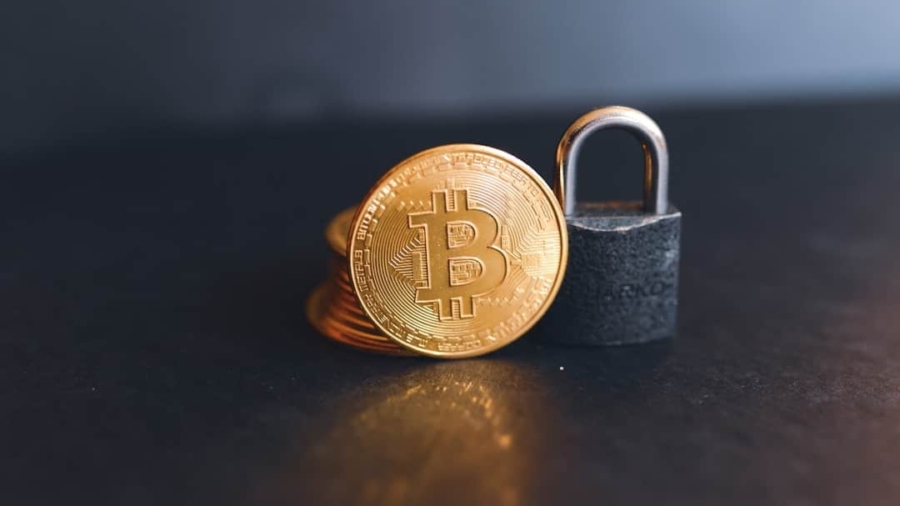
So, you’re wondering about Decentralized Finance (DeFi) security in 2026? Essentially, it’s about making sure your digital money and investments in this new world of finance stay safe from prying eyes and sticky fingers. Think of it like locking your car or encrypting your emails, but for a whole new financial system that operates without traditional banks. It’s a complex topic, but the core idea remains: protecting your assets in a trustless environment.
The Shifting Landscape of DeFi Security
DeFi, at its heart, aims to democratize finance by removing intermediaries. This means more control for you, the user, but it also shifts the responsibility for security squarely onto your shoulders. In 2026, the DeFi space is likely to be even more sophisticated, with new technologies and products emerging constantly. This evolution brings both exciting opportunities and equally evolving threats. Staying ahead means understanding these changes and adapting your security strategies accordingly. It’s not just about knowing the basics; it’s about anticipating what’s next.
In the rapidly evolving landscape of decentralized finance (DeFi), understanding the security measures necessary to protect your digital assets is paramount. A related article that provides valuable insights into safeguarding your investments is titled “Discover the Best Free Software for Home Remodeling Today.” While it focuses on home improvement tools, the principles of careful planning and risk management can be applied to the DeFi space as well. For more information, you can read the article here: Discover the Best Free Software for Home Remodeling Today.
Understanding the Threats in 2026
The types of threats you’ll encounter in DeFi security in 2026 are diverse and constantly evolving. They range from sophisticated hacks targeting smart contracts to more user-level vulnerabilities. It’s crucial to understand these threats to effectively protect yourself.
Smart Contract Vulnerabilities
Smart contracts are the backbone of DeFi. They are self-executing contracts with the terms of the agreement directly written into code. However, code, no matter how well-written, can have bugs or exploits.
Reentrancy Attacks
This is a classic smart contract vulnerability where an attacker can repeatedly call a function before the previous execution is finished, draining funds. Imagine a bank that mistakenly allows you to withdraw money multiple times before it even updates your balance.
Integer Overflow/Underflow Exploits
These occur when a calculation results in a number that is too large or too small to be stored in a variable, potentially leading to unintended consequences, including the theft of funds. Think of a calculator that glitches if you try to multiply numbers too big.
Flash Loan Attacks
Flash loans allow users to borrow massive amounts of cryptocurrency without any collateral, as long as the loan is repaid within the same transaction.
Attackers can use flash loans to manipulate token prices on decentralized exchanges, exploiting price discrepancies for profit.
Oracle Manipulation
Oracles are services that feed real-world data (like asset prices) into smart contracts. If an oracle is compromised or provides incorrect data, it can lead to devastating losses for DeFi protocols.
Price Oracle Exploits
Attackers can artificially manipulate the price of an asset on a low-liquidity exchange and then use that manipulated price through a compromised oracle to borrow or liquidate assets in a DeFi protocol, thereby draining its funds.
Data Feed Integrity
Ensuring the data feed from the oracle is tamper-proof and comes from multiple reputable sources is vital.
Protocol Exploits and Rug Pulls
Beyond smart contract bugs, entire protocols can be designed with malicious intent or fall victim to broader exploits.
Exit Scams or “Rug Pulls”
This happens when the developers of a new DeFi project suddenly abandon the project, taking all the invested funds with them. They create hype, attract investment, and then disappear.
Governance Exploits
As DeFi protocols become more decentralized, governance tokens give holders a say in protocol decisions. Attackers can sometimes acquire enough governance tokens to enact malicious changes that benefit themselves, often to the detriment of other users.
User-Level Threats
It’s not just the protocols that are at risk; individual users are also prime targets.
Phishing Attacks
These are attempts to trick users into revealing their private keys or sensitive information by impersonating legitimate DeFi platforms or individuals.
Malicious DApps and Websites
Fake decentralized applications (dApps) or websites designed to look like legitimate ones can trick users into connecting their wallets and authorizing transactions that drain their funds.
Malware and Keyloggers
These can infect your computer or phone and steal your private keys or passwords when you access your DeFi accounts.
Best Practices for Safeguarding Your Assets
In 2026, robust security in DeFi isn’t a one-time setup; it’s an ongoing commitment.
Secure Your Wallet Like a Fort Knox
Your wallet is your gateway to DeFi. Protecting it is paramount.
Hardware Wallets are Your Best Friend
For significant holdings, a hardware wallet is non-negotiable. These devices store your private keys offline, making them virtually immune to online threats.
- Physical Security: Keep your hardware wallet in a safe place, just like you would cash or important documents.
- Seed Phrase Management: This is critical. Write down your seed phrase (recovery phrase) offline, preferably on multiple durable materials, and store these copies in separate, secure locations. Never store it digitally or share it with anyone. Trezor and Ledger are popular choices.
Software Wallets: A Layered Approach
If you use software wallets (like MetaMask, Rainbow, or Trust Wallet) for smaller amounts or more frequent transactions, take extra precautions.
- Strong, Unique Passwords: Use a password manager to generate and store complex, unique passwords for your wallet.
- Enable Two-Factor Authentication (2FA): If your wallet or the platform you’re using offers 2FA, enable it immediately. This could be via an authenticator app or SMS.
- Regular Updates: Keep your wallet software and your device’s operating system up-to-date to patch known vulnerabilities.
Due Diligence: Research Before You Deploy
Don’t just jump into any new DeFi project because it promises high returns.
Audit Trails Matter
Look for projects that have undergone rigorous smart contract audits by reputable security firms. While audits aren’t foolproof, they significantly reduce the risk of exploits.
- Review Audit Reports: Don’t just assume an audit happened; read the reports. Look for any critical or high-severity issues that were flagged and how they were addressed.
- Understand the Auditors: Who are the auditors? Do they have a good reputation in the security community?
Team and Community Transparency
A transparent and active team is a good sign.
- Team’s Reputation: Research the developers and founders. Do they have a track record in blockchain or security? Are they doxxed (publicly identified)?
- Community Engagement: A vibrant and active community can be a good indicator that the project is legitimate and being actively maintained. Look at their Discord, Telegram, and forum discussions.
Tokenomics and Vesting Schedules
Understand how the project’s tokens are distributed and how they are unlocked.
- Vesting Periods: If a large portion of tokens is held by the team or early investors, ensure there are vesting schedules in place. This prevents them from dumping all their tokens at once, crashing the price.
- Liquidity Locking: Check if the project’s liquidity on decentralized exchanges is locked for a significant period. This makes it harder for developers to drain liquidity pools.
Smart Contract Interaction: A Calculated Risk
Interacting with smart contracts is the essence of DeFi, but it requires careful action.
Understand the Permissions You’re Granting
When you connect your wallet to a dApp and approve transactions, you are essentially giving the smart contract permission to interact with your assets.
- Read Transaction Details: Always carefully review the details of any transaction before approving it in your wallet. What is the contract asking to do with your tokens?
- Approve Sparingly: Avoid granting unlimited approvals to contracts whenever possible. Instead, grant specific token allowances or set transaction limits. Many wallets allow you to revoke approvals later.
Use a “Burner” Wallet for New/Risky Ventures
For testing new protocols or interacting with dApps you’re unsure about, consider using a separate, less-funded wallet.
- Limited Funds: This wallet would only hold a small amount of funds, minimizing potential losses if something goes wrong.
- Isolated Risk: This prevents a compromise in a risky dApp from affecting your main holdings.
Staying Informed: The Dynamic World of DeFi Security
The threat landscape is always evolving, so staying informed is a continuous process.
Follow Reputable Security Researchers and News Sources
Be aware of new exploits and vulnerabilities as they emerge.
- Security Twitter: Many security researchers and auditing firms are active on Twitter, sharing real-time insights and warnings.
- DeFi Security Newsletters/Blogs: Subscribe to newsletters and read blogs from well-known DeFi security companies and analysis platforms.
Understand Common Exploit Patterns
Familiarize yourself with the types of attacks that are currently prevalent.
- Attack Vectors: Knowing how past attacks have happened can help you identify potential risks in new projects.
- Whitepaper Analysis: Look for sections in a project’s whitepaper that discuss their security measures and risk mitigation strategies.
Network Security and Personal Hygiene
Your online environment plays a significant role in your DeFi security.
Secure Your Internet Connection
A compromised internet connection can expose your activities.
- Avoid Public Wi-Fi: Do not access your DeFi wallets or make transactions on unsecured public Wi-Fi networks.
- Use a VPN: A Virtual Private Network (VPN) can encrypt your internet traffic and add a layer of privacy.
Protect Your Devices
Your computer and smartphone are the gateways to your digital assets.
- Antivirus/Anti-Malware: Ensure your devices have up-to-date antivirus and anti-malware software installed.
- Regular Software Updates: As mentioned before, keeping your operating systems and applications updated is crucial for patching security vulnerabilities.
- Physical Security: Be mindful of who has physical access to your devices.
Advanced Security Measures for 2026
As DeFi matures, so too will the security tools and strategies available to users. Expect more sophisticated methods to emerge by 2026.
Multi-Signature Wallets (Multisig)
A multisig wallet requires multiple private keys to authorize a transaction. This is an excellent way to add a robust layer of security, especially for larger sums or for organizations.
How it Works
Instead of requiring just one signature (like a standard wallet), a multisig wallet can be configured to require 2 of 3, 3 of 5, or any other combination of signatures.
Benefits
- Reduces Single Point of Failure: If one of your private keys is compromised, your funds are still safe as long as the required number of other keys remain secure.
- Ideal for Joint Custody: Perfect for couples, businesses, or investment groups managing shared assets.
Considerations
- Complexity: Setting up and managing multisig wallets can be more complex than standard wallets.
- Key Management: You need a secure way to store and manage all the required private keys.
Decentralized Identity (DID) and Zero-Knowledge Proofs (ZKPs)
While these are more nascent technologies, by 2026, they are likely to play a more significant role in DeFi security.
Decentralized Identity
DID solutions aim to give users sovereign control over their digital identities, meaning you wouldn’t need to trust a third party to verify who you are.
- Enhanced Privacy: DIDs can allow you to prove certain attributes about yourself (e.g., you are over 18) without revealing unnecessary personal information.
- Reduced Phishing Risk: A strong DID system could make it much harder for phishing scams to succeed, as you’d have a verifiable means of identifying legitimate platforms.
Zero-Knowledge Proofs
ZKPs allow one party to prove to another that a statement is true, without revealing any information beyond the validity of the statement itself.
- Privacy-Preserving Transactions: Imagine conducting complex DeFi operations while keeping your exact holdings and transaction history private from the public ledger.
- Auditable Transactions with Privacy: ZKPs can enable verifiable transactions that are also private, offering a powerful combination for future DeFi security.
Formal Verification of Smart Contracts
This is a method of mathematically proving that a smart contract behaves exactly as intended, with no bugs or vulnerabilities.
Mathematical Guarantees
Unlike standard audits, which rely on human inspection, formal verification uses mathematical proofs to ensure code correctness.
Increased Trust and Security
While this approach is computationally intensive and complex, it offers a much higher level of assurance for critical smart contracts. Expect to see more protocols adopting formal verification for their core logic.
As the landscape of Decentralized Finance continues to evolve, understanding the importance of security measures is paramount for safeguarding your digital assets in 2026. A related article that provides insights on selecting the right technology for your needs can be found at this link, which emphasizes the significance of making informed choices in a rapidly changing digital environment. By staying informed and adopting best practices, you can enhance your security posture and protect your investments in the DeFi space.
The Role of Decentralization in Security
Paradoxically, decentralization, the very essence of DeFi, can also be a key security feature.
Redundancy and Resilience
In a fully decentralized system, there’s no single point of failure.
- No Central Server to Hack: Unlike traditional finance where a central bank or exchange can be targeted, DeFi protocols are distributed across many nodes. This makes it far harder for attackers to bring down the entire system or steal all the data.
- Censorship Resistance: Decentralization means that no single entity can block or reverse transactions, which inherently adds a layer of security against malicious actors who might try to shut down access.
Community Oversight and Incentives
The decentralized nature fosters a community that has a vested interest in the security of the protocols.
- Bug Bounties: Many DeFi projects offer substantial bug bounty programs to incentivize security researchers to find and report vulnerabilities before they can be exploited by malicious actors.
- Governance as a Security Layer: In well-designed DAOs (Decentralized Autonomous Organizations), the community can vote to rectify issues, upgrade smart contracts, or even penalize malicious actors, acting as a decentralized security council.
Transparency of Code
The open-source nature of most DeFi protocols means that anyone can inspect the code.
- Public Scrutiny: This transparency allows for a broad range of developers and security experts worldwide to review the code, identify potential flaws, and contribute to its improvement.
- Early Detection: The more eyes on the code, the more likely it is that vulnerabilities will be discovered and addressed proactively.
Conclusion: A Proactive Approach to DeFi Security in 2026
DeFi security in 2026 is about vigilance and continuous adaptation. The core principles of owning your keys, conducting thorough research, and understanding the risks remain paramount. As the space evolves, so too will the threats, but advancements in security technologies like multisig wallets, DID, ZKPs, and formal verification will provide more robust defenses.
Ultimately, safeguarding your digital assets in DeFi is a partnership. Protocols are responsible for building secure infrastructure and transparent operations, but individual users must also embrace security best practices. By staying informed, being diligent, and leveraging the available tools, you can navigate the exciting world of decentralized finance with greater confidence, ensuring your digital assets are well-protected. The future of finance is decentralized, and with the right security mindset, you can be a part of it safely.
FAQs
What is Decentralized Finance (DeFi)?
Decentralized Finance (DeFi) refers to a financial system built on public blockchains that allows for the creation and use of financial services without traditional intermediaries such as banks.
What are the security risks associated with Decentralized Finance?
Security risks associated with Decentralized Finance include smart contract vulnerabilities, hacking of decentralized exchanges, and the potential for loss of funds due to human error or phishing attacks.
How can digital assets be safeguarded in Decentralized Finance?
Digital assets in Decentralized Finance can be safeguarded through the use of secure wallets, multi-signature authentication, and thorough due diligence when interacting with DeFi protocols and platforms.
What are the best practices for securing digital assets in Decentralized Finance in 2026?
Best practices for securing digital assets in Decentralized Finance in 2026 include staying informed about the latest security threats, using reputable DeFi platforms, and implementing strong security measures such as hardware wallets and decentralized identity solutions.
What is the future outlook for security in Decentralized Finance?
The future outlook for security in Decentralized Finance involves the development of more robust security protocols, increased regulatory oversight, and the continued evolution of best practices to safeguard digital assets in the DeFi ecosystem.
Enjoying our content? Make us a preferred source on Google:
Add us as a Preferred Source on Google