

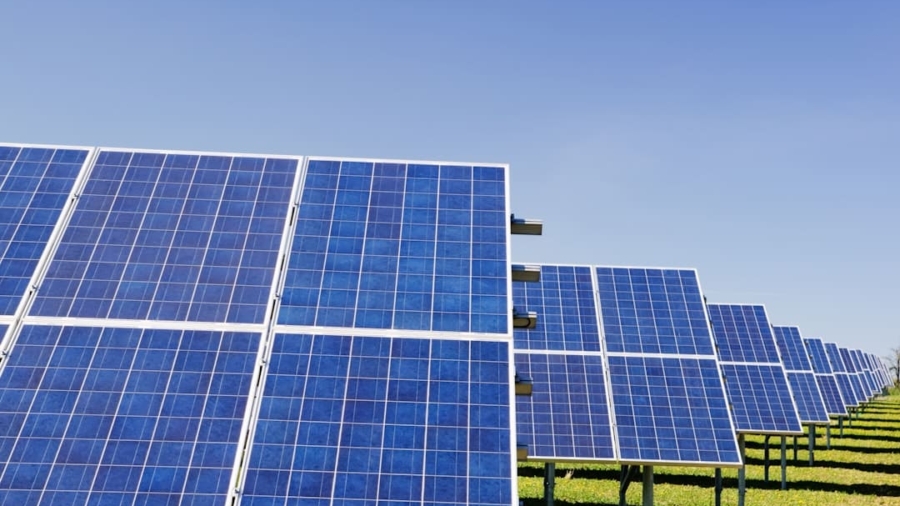
Okay, let’s dive into how these newfangled solar panels are starting to make a real difference in our cities. If you’ve been wondering if solar actually works in a crowded, often shaded urban setting, the short answer is increasingly, yes, it does, and much better than before. We’re seeing some pretty clever advancements that are directly tackling those city-specific challenges.
Cities are, well, complicated. Unlike wide-open fields, urban environments throw a lot of curveballs at traditional solar installations.
Shading is King (and Our Enemy)
Tall buildings, trees, and even rooftop HVAC units cast long, moving shadows throughout the day. A single shaded cell on a conventional panel can dramatically reduce the output of the entire array. This is probably the biggest headache for urban solar.
Limited Space and Odd Shapes
Rooftops are often occupied by vents, air conditioning units, skylights, and more. Walls are rarely perfectly positioned. This means we can’t always lay out a perfect, south-facing grid of panels. We need panels that can adapt to awkward spaces.
Aesthetic Concerns
Let’s be honest, not everyone loves the look of bulky solar panels on historical buildings or sleek new architecture. Cities often have strict aesthetic guidelines, and panels need to blend in or even enhance the visual appeal.
High Temperatures
Dark rooftops in cities can get scorching hot. Solar panels actually become less efficient as their temperature rises. City heat islands don’t do them any favors.
In the quest for sustainable urban living, advancements in solar technology are crucial, particularly in enhancing the efficiency of next-generation solar panels. A related article that delves into the features and capabilities of modern technology, which can complement solar innovations, is available at Exploring the Features of the Samsung Galaxy Chromebook 2. This article highlights how cutting-edge devices can support the integration of renewable energy solutions in urban settings, making them more accessible and efficient for city dwellers.
Key Takeaways
- Clear communication is essential for effective teamwork
- Active listening is crucial for understanding team members’ perspectives
- Setting clear goals and expectations helps to keep the team focused
- Regular feedback and open communication can help address any issues early on
- Celebrating achievements and milestones can boost team morale and motivation
Enter the Next Generation: Smart Solutions for City Sun
This is where the new tech really shines. We’re seeing innovations specifically designed to overcome these urban hurdles.
In the quest for sustainable energy solutions, the advancements in next-gen solar panel efficiency in urban environments are becoming increasingly significant. These innovations not only enhance energy production but also address space constraints commonly found in cities. For those interested in exploring how technology impacts various sectors, a related article on the best laptops for SolidWorks can provide insights into the tools engineers might use to design and implement these solar solutions. You can read more about it here.
Perovskite Panels: A Game Changer in Disguise?
You might not have heard of them yet, but perovskites are a mineral compound that’s showing incredible promise.
Better Low-Light Performance
One of their standout features is how well they perform under cloudy skies or in the early morning/late afternoon. This is a huge advantage for urban settings where direct, intense sunlight can be fleeting.
Thin-Film Flexibility
Perovskites can often be manufactured as thin, flexible films. Imagine solar panels that can conform to curved surfaces or even be integrated into building materials themselves, rather than just bolted on top.
Potential for Transparency
Researchers are even working on semi-transparent perovskite cells. Think windows that generate electricity – that’s a whole new level of urban integration. While not fully commercialized for large-scale building use yet, the potential for building-integrated photovoltaics (BIPV) is immense.
Bifacial Panels: Catching Light from Both Sides
Traditionally, solar panels only capture sunlight from their top surface. Bifacial panels, as the name suggests, capture it from both sides.
Harnessing Reflected Light
In urban areas, light bounces around a lot. From light-colored rooftops, reflective building facades, or even the ground, bifacial panels can capture this scattered light from their underside, boosting overall energy production.
Vertical Installations
This dual-sided capability also makes them more effective for vertical installations, like building facades. If you can mount them slightly off the wall, reflected light from the wall itself can contribute.
Microinverters and Power Optimizers: The Shading Solution
These technologies are, frankly, brilliant for urban solar. They tackle the “one shaded cell ruins the whole panel” problem head-on.
Individual Panel Optimization
Instead of a single inverter for an entire string of panels, microinverters are attached to each individual panel. If one panel gets shaded, only that panel’s output is affected. The others continue to produce at their maximum efficiency.
Real-time Monitoring
Many microinverter systems also allow for panel-level monitoring. This means installers and owners can pinpoint exactly which panels might be underperforming due to shading or other issues, making maintenance much more targeted.
Power Optimizers are a close cousin
These devices also work at the panel level, optimizing the voltage and current before sending it to a central inverter. They achieve similar benefits to microinverters in mitigating shading losses.
Building-Integrated Photovoltaics (BIPV): Solar as a Building Material
This is where solar stops being an add-on and starts becoming an intrinsic part of the building itself.
Solar Tiles and Shingles
Imagine your roof tiles are the solar panels. Companies like Tesla and others are pushing this, creating aesthetically pleasing solutions that replace conventional roofing materials while generating power.
Transparent and Opaque Facade Integration
Solar panels can be integrated into building facades, either as opaque panels that look like part of the wall or as semi-transparent elements that act like windows. This utilizes vertical space that would otherwise go unused.
Solar Canopies and Awnings
Think beyond the roof. Solar canopies over parking lots or awnings over windows can provide shade, reduce building cooling loads, and generate electricity simultaneously. It’s a win-win.
Advanced Materials and Coating Technologies: Squeezing More Out
Beyond the main cell types, ongoing research into materials is quietly improving performance across the board.
Anti-Reflective Coatings
These coatings reduce the amount of sunlight that bounces off the panel’s surface, ensuring more of it is absorbed by the cells. This is particularly useful where sunlight might hit panels at less-than-optimal angles, which is common in urban spaces.
Self-Cleaning Properties
Dust, grime, and bird droppings are a fact of life in cities and can significantly reduce panel efficiency. Hydrophobic (water-repellent) or photocatalytic (breaks down organic matter) coatings are being developed to help panels shed dirt more easily, reducing the need for manual cleaning.
Improved Temperature Coefficient
As mentioned, panels lose efficiency as they get hot. Newer materials and manufacturing processes are leading to panels with better temperature coefficients, meaning they lose less efficiency even on scorching city rooftops. This might sound minor, but it adds up over time.
Beyond the Panels: Smart Energy Management in Cities

It’s not just about how much electricity the panels make, but how efficiently that electricity is used and managed within the urban grid.
Grid Integration and Microgrids
Urban solar often feeds into a complex local grid. Advanced inverters and control systems are crucial for ensuring this power is stable and doesn’t disrupt the existing infrastructure. Microgrids, which can operate independently if the main grid goes down, are becoming more relevant, especially in supporting critical urban facilities.
Energy Storage (Batteries)
Solar power is intermittent – when the sun isn’t shining, there’s no power.
Batteries are the natural partner for urban solar, storing excess energy generated during the day for use in the evening peak demand or during blackouts. This makes solar far more reliable and useful in a city context.
Demand-Side Management
Smart building technologies can communicate with solar installations and battery storage to optimize energy consumption. For example, a building might pre-cool during peak solar output and then reduce AC usage when solar production drops and grid electricity is more expensive.
The Outlook: Brighter Than Ever for Urban Solar

Where does this leave us? The future of solar in urban environments is looking genuinely exciting. We’re moving beyond “Can solar work in cities?” to “How can we best integrate solar into the very fabric of our cities?”
The financial incentives for solar installation, combined with increasing energy costs and a growing environmental consciousness, are pushing these innovations into the mainstream. We’re seeing more projects leveraging combinations of these technologies to maximize output and minimize aesthetic impact.
As these next-gen technologies mature and become more cost-effective, expect to see solar integrated in ways we’re only just beginning to imagine – not just on rooftops, but as an integral, aesthetically pleasing, and highly efficient part of our urban landscapes. It’s not just about generating clean energy; it’s about building smarter, more resilient, and healthier cities.
FAQs
What are next-gen solar panels?
Next-gen solar panels refer to the latest advancements in solar panel technology, which aim to improve efficiency, durability, and cost-effectiveness. These panels often incorporate innovative materials and designs to maximize energy production.
How do next-gen solar panels improve efficiency in urban environments?
Next-gen solar panels are designed to be more efficient in capturing sunlight and converting it into electricity, even in urban environments with limited space and shading. They may utilize advanced tracking systems, bifacial technology, or improved light absorption to enhance performance.
What are the benefits of using next-gen solar panels in urban areas?
Using next-gen solar panels in urban areas can help increase renewable energy production, reduce reliance on traditional power sources, and lower carbon emissions. Additionally, these panels can be integrated into building designs, making them a viable option for urban development.
What challenges do next-gen solar panels face in urban environments?
Next-gen solar panels in urban environments may face challenges such as limited space for installation, shading from surrounding buildings, and aesthetic considerations. Overcoming these obstacles requires innovative designs and technologies tailored to urban settings.
What is the future outlook for next-gen solar panel efficiency in urban environments?
The future outlook for next-gen solar panel efficiency in urban environments is promising, with ongoing research and development focused on addressing urban-specific challenges. As technology continues to advance, next-gen solar panels are expected to play a significant role in urban sustainability and energy production.
Enjoying our content? Make us a preferred source on Google:
Add us as a Preferred Source on Google