

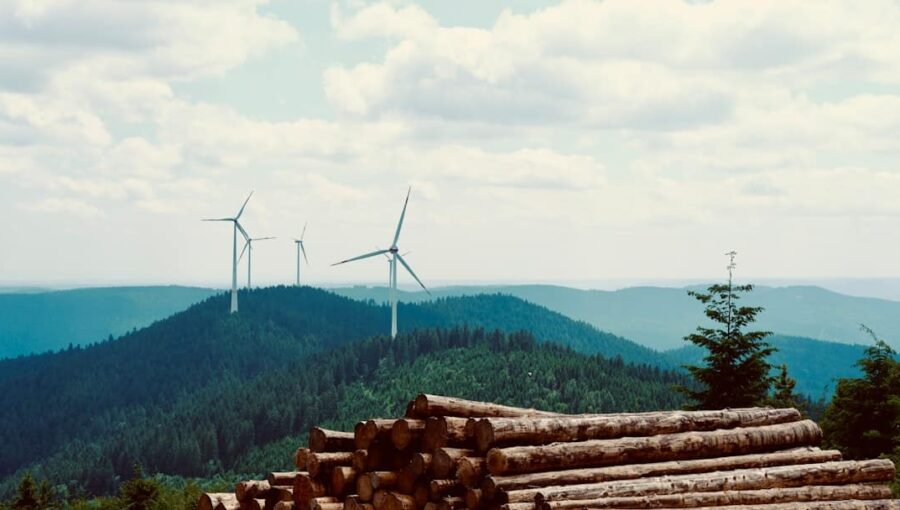
So, you’re curious about what kind of jobs are out there in climate tech, specifically for engineers looking to build a more sustainable future? It’s a great question because the field is booming, and it’s not just about building solar panels (though that’s important too!). Essentially, career opportunities for engineers in climate tech mean tackling climate change head-on through innovation and practical application. You’ll be designing, developing, and deploying solutions that reduce emissions, improve energy efficiency, manage resources better, and adapt to the changes we’re already seeing. Think of it as using your engineering smarts to solve the planet’s biggest puzzle.
Climate tech isn’t just a buzzword; it’s a rapidly expanding sector driven by a global imperative. Governments, corporations, and individuals are all recognizing the urgent need to transition away from fossil fuels and build a more resilient and sustainable world.
This shift creates a massive demand for engineers who can bridge the gap between ambitious climate goals and tangible, real-world solutions.
The Urgency Factor
The science is clear: climate change is happening, and the impacts are becoming more pronounced. This urgency is a major catalyst for investment and innovation in climate solutions. Engineering plays a crucial role in translating this need for change into practical technologies and systems.
Shifting Investment Landscape
We’re seeing a significant redirection of capital towards climate-focused initiatives. Venture capital, government grants, and corporate spending are all flowing into areas like renewable energy, carbon capture, sustainable agriculture, and green transportation. This influx of funding directly translates into more job openings for engineers across various disciplines within climate tech.
Policy and Regulation Driving Growth
Governments worldwide are implementing policies and regulations designed to de-carbonize economies. Think carbon pricing, renewable energy mandates, stricter emissions standards, and incentives for green technologies. These policies create a stable and growing market for climate tech solutions, ensuring long-term career prospects for engineers in this sector.
For those interested in exploring the intersection of technology and sustainability, a related article that delves into essential resources for enhancing technical skills is available at Best Software Testing Books. This resource provides valuable insights into software testing methodologies that can be crucial for developing robust climate tech solutions. By honing these skills, engineers and tech professionals can contribute significantly to creating innovative solutions aimed at addressing climate change and promoting sustainability.
Key Takeaways
- Clear communication is essential for effective teamwork
- Active listening is crucial for understanding team members’ perspectives
- Setting clear goals and expectations helps to keep the team focused
- Regular feedback and open communication can help address any issues early on
- Celebrating achievements and milestones can boost team morale and motivation
Core Engineering Disciplines Thriving in Climate Tech
While many engineering fields can contribute to climate tech, some are experiencing particularly robust growth and demand. Understanding these core areas can help you pinpoint where your skills might best fit.
Mechanical Engineering: Powering the Transition
Mechanical engineers are fundamental to designing, developing, and optimizing systems that generate, store, and use energy efficiently.
Renewable Energy Systems Design
- Wind Turbines: Designing more efficient, robust, and cost-effective wind turbines, including blades, gearboxes, and control systems. This also extends to offshore wind installations and their unique engineering challenges.
- Solar Photovoltaics (PV): Developing improved solar panel designs, manufacturing processes, and integrated systems for both utility-scale and distributed power generation.
- Geothermal Energy: Engineering systems to extract heat from the Earth for power generation and direct heating/cooling applications.
- Hydropower: While much existing infrastructure is in place, mechanical engineers are involved in optimizing turbine performance, developing new small-scale hydro solutions, and managing environmental impacts.
Energy Storage Solutions
- Battery Technologies: Designing and improving mechanical components for large-scale battery storage systems, including thermal management, structural integrity, and safety features for electric vehicles and grid-level storage.
- Mechanical Energy Storage: Developing and refining technologies like pumped hydro, compressed air energy storage (CAES), and flywheels, focusing on efficient energy conversion and long-term reliability.
Efficiency and Thermal Management
- HVAC Systems: Designing ultra-efficient heating, ventilation, and air conditioning systems for buildings, incorporating smart controls and heat recovery technologies.
- Industrial Processes: Optimizing machinery and processes in manufacturing to reduce energy consumption and waste heat generation.
Electrical Engineering: The Heartbeat of the Green Grid
Electrical engineers are essential for designing, building, and managing the electrical infrastructure that powers our sustainable future.
Grid Modernization and Integration
- Smart Grids: Developing and implementing technologies for intelligent power grids that can manage distributed renewable energy sources, balance supply and demand in real-time, and improve resilience. This involves power electronics, control systems, and communication networks.
- Interconnection of Renewables: Engineering solutions to reliably connect intermittent renewable energy sources like solar and wind to the existing grid, requiring expertise in power systems analysis and control.
- Microgrids: Designing and deploying localized electrical grids that can operate independently or connected to the main grid, crucial for resilience and powering remote communities or critical infrastructure.
Power Electronics and Conversion
- Inverters and Converters: Designing efficient power electronics that convert DC power from solar panels or batteries to AC power for the grid, or vice-versa.
- Electric Vehicle (EV) Charging: Developing advanced charging infrastructure, including fast chargers, bidirectional charging, and vehicle-to-grid (V2G) integration.
Energy Management Systems
- Demand Response: Engineering systems that allow consumers to adjust their electricity usage in response to grid signals, helping to stabilize the grid and reduce peak demand.
- Energy Monitoring and Analytics: Developing hardware and software for real-time monitoring of energy consumption and generation, enabling better decision-making and efficiency improvements.
Chemical Engineering: The Building Blocks of Sustainability
Chemical engineers are vital for developing new materials, processes, and fuel sources that reduce environmental impact.
Sustainable Fuels and Energy Carriers
- Hydrogen Technologies: Designing and optimizing electrolyzers for green hydrogen production (using renewable electricity), fuel cells for energy conversion, and infrastructure for hydrogen storage and transport.
- Biofuels and Synthetic Fuels: Developing processes for producing fuels from renewable biomass or captured CO2, focusing on efficiency and scaling.
- Carbon Capture Utilization and Storage (CCUS): Engineering chemical processes to capture CO2 from industrial sources or the atmosphere, and then utilizing it to create valuable products or safely storing it underground.
Advanced Materials for Climate Solutions
- Battery Materials: Researching and developing new electrode materials, electrolytes, and separators for more efficient, longer-lasting, and sustainable batteries.
- Sustainable Polymers and Composites: Designing alternatives to conventional plastics using bio-based feedstocks or improving the recyclability of existing materials.
- Catalysis: Developing new catalysts for more efficient chemical reactions in areas like carbon capture, sustainable fuel production, and industrial process optimization.
Water and Resource Management
- Advanced Water Treatment: Engineering systems for purifying wastewater and desalinating seawater using less energy and fewer chemicals.
- Circular Economy Processes: Designing chemical pathways to recover valuable materials from waste streams, promoting a more circular economy.
Civil and Environmental Engineering: Building a Resilient World
Civil and environmental engineers are at the forefront of designing infrastructure that can withstand climate impacts and minimizing the environmental footprint of development.
Climate-Resilient Infrastructure
- Climate Adaptation: Designing and retrofitting infrastructure (bridges, roads, buildings, sea walls) to withstand extreme weather events, rising sea levels, and changing precipitation patterns.
- Green Infrastructure: Implementing solutions like permeable pavements, green roofs, and bioswales to manage stormwater runoff, reduce urban heat island effects, and improve air quality.
- Sustainable Building Design: Incorporating principles of energy efficiency, material selection, and water conservation into the design and construction of buildings.
Environmental Remediation and Monitoring
- Pollution Control: Designing and implementing systems to reduce air and water pollution from industrial and urban sources.
- Landfill Management and Waste-to-Energy: Developing more sustainable methods for waste disposal and exploring technologies to recover energy from waste.
- Environmental Impact Assessment: Conducting rigorous assessments to understand and mitigate the environmental consequences of new projects.
Software and Computer Engineering: The Intelligence Behind Climate Solutions
The digital realm is crucial for optimizing, monitoring, and controlling climate technologies. Software and computer engineers are the architects of these intelligent systems.
Data Analytics and AI for Climate
- Climate Modeling: Developing sophisticated models to predict climate patterns, assess risks, and inform adaptation strategies.
- Energy Management Software: Creating algorithms and platforms for optimizing energy usage in buildings, factories, and grids.
- Predictive Maintenance: Using AI to forecast equipment failures in renewable energy systems, reducing downtime and maintenance costs.
- Supply Chain Optimization: Developing software to identify and reduce emissions throughout complex supply chains.
IoT and Sensor Networks
- Environmental Monitoring: Designing and deploying networks of sensors to track air and water quality, greenhouse gas emissions, and other environmental parameters.
- Smart Agriculture: Developing sensor-based systems for precision irrigation, nutrient management, and soil health monitoring to reduce resource use.
Digital Twins and Simulation
- Virtual Prototyping: Creating digital replicas of physical systems (e.g., wind farms, smart grids) to test designs, optimize performance, and simulate scenarios before physical implementation.
Emerging and Specialized Areas in Climate Tech Engineering

Beyond the core disciplines, several specialized and rapidly evolving areas offer exciting career paths for engineers.
Carbon Capture, Utilization, and Storage (CCUS)
This is a field focused on directly addressing existing CO2 emissions.
Direct Air Capture (DAC)
- Process Design: Engineering innovative chemical or physical processes to extract CO2 directly from the atmosphere.
- Material Science: Developing novel sorbent materials with high CO2 affinity and longevity.
- System Integration: Designing the complete DAC plant, including energy supply and CO2 purification.
Industrial CCUS
- Post-Combustion Capture: Designing systems to capture CO2 from the flue gas of power plants and industrial facilities.
- Pre-Combustion Capture: Developing processes to remove CO2 before combustion, often in conjunction with gasification.
- CO2 Transport and Storage: Engineering pipelines and injection strategies for the safe and permanent sequestration of CO2 underground.
Carbon Utilization
- CO2 Conversion: Developing chemical or biological processes to convert captured CO2 into valuable products like fuels, plastics, construction materials, or chemicals.
- Biotechnology Integration: Leveraging engineered microorganisms for CO2 conversion.
Sustainable Agriculture and Food Systems
Engineers are needed to make food production more environmentally friendly and resilient.
Precision Agriculture
- Sensor Technology: Developing and deploying sophisticated sensors to monitor soil moisture, nutrient levels, and crop health.
- Automated Systems: Designing robots and automated machinery for planting, harvesting, and weed control, reducing chemical inputs and labor.
- Data Platforms: Creating software that integrates sensor data and provides actionable insights for farmers.
Alternative Proteins and Food Processing
- Fermentation Engineering: Designing and scaling bioreactors for producing alternative proteins through fermentation.
- Food Processing Technology: Developing more energy-efficient and sustainable methods for processing plant-based and cultured meats.
- Waste Valorization: Finding ways to use agricultural byproducts as valuable inputs for other processes.
Circular Economy and Waste-to-Resource Engineering
This area focuses on minimizing waste and maximizing resource utilization.
Advanced Recycling Technologies
- Chemical Recycling: Developing processes that break down complex plastic waste into its chemical building blocks for remanufacturing.
- Material Recovery: Engineering systems to efficiently separate and recover various materials from mixed waste streams.
Product Lifecycle Design
- Design for Disassembly: Engineering products that can be easily taken apart for repair, refurbishment, or material recovery at the end of their life.
- Material Innovation: Developing new materials that are more durable, repairable, or easily recyclable.
Resource Efficiency in Manufacturing
- Process Optimization: Redesigning manufacturing processes to minimize raw material consumption and waste generation.
- Water and Energy Efficiency: Implementing advanced systems for water recycling and energy recovery within industrial settings.
Skills You’ll Need and How to Develop Them

To thrive in climate tech engineering, you’ll want to cultivate a blend of technical prowess and forward-thinking capabilities.
Technical Foundations
- Strong Foundational Engineering Knowledge: A solid understanding of thermodynamics, fluid mechanics, materials science, circuits, or programming (depending on your specialization) is crucial.
- Systems Thinking: The ability to understand how different components and systems interact, especially in complex energy or environmental contexts.
- Data Analysis and Modeling: Proficiency in analyzing data, building simulations, and interpreting results is increasingly important. Tools like Python, R, MATLAB, and specialized simulation software are valuable.
Specialized Climate Tech Skills
- Renewable Energy Technologies: Understanding the principles, economics, and practical implementation of solar, wind, geothermal, or hydro power.
- Energy Storage Systems: Knowledge of battery chemistries, grid-scale storage solutions, and their integration challenges.
- Carbon Accounting and Lifecycle Assessment (LCA): Familiarity with methodologies for quantifying environmental impacts.
- Sustainability Principles: A core understanding of environmental, social, and economic sustainability.
- Policy and Regulatory Awareness: Keeping up with relevant climate policies and their implications for technology development.
Soft Skills for Impact
- Problem-Solving and Innovation: Climate tech is about creating novel solutions. You need to be adaptable and creative.
- Collaboration and Communication: You’ll be working with diverse teams, including scientists, policymakers, and business leaders. Clear communication is key.
- Project Management: Many climate tech projects are large-scale and require effective planning, execution, and oversight.
- Adaptability and Continuous Learning: The field is evolving rapidly, so a commitment to ongoing learning is essential.
How to Gain Experience
| Metrics | Data |
|---|---|
| Number of job openings in climate tech | 5000 |
| Percentage of companies investing in sustainability engineering | 75% |
| Number of engineering graduates specializing in climate tech | 1000 |
| Percentage of companies offering internships in sustainability engineering | 60% |
- University Specializations and Electives: Choose courses that focus on sustainability, renewable energy, or environmental engineering.
- Internships and Co-ops: Seek out opportunities with companies and organizations working directly in climate tech. This is invaluable practical experience.
- Personal Projects and Hackathons: Build your own sustainable projects, participate in climate-focused hackathons, or contribute to open-source climate initiatives.
- Graduate Studies: Consider a Master’s or Ph.D. in a specialized area of climate tech engineering if you’re interested in research or advanced development.
- Professional Development Courses and Certifications: Look for specialized training in areas like carbon accounting, renewable energy project development, or sustainable design.
In exploring the vast landscape of career opportunities in climate tech, one can gain valuable insights from various resources that highlight innovative solutions for sustainability. For instance, an interesting article discusses the new world of possibilities with the Samsung Galaxy Chromebook 2 360, showcasing how technology can play a pivotal role in enhancing productivity and creativity in eco-friendly projects. You can read more about it here. This intersection of technology and sustainability is crucial for aspiring professionals looking to make a meaningful impact in the climate tech sector.
The Future Outlook: A Growing Field with Purpose
The demand for engineers in climate tech is not a temporary trend; it’s a fundamental shift in how industries operate. As the world accelerates its transition to a low-carbon economy, the need for innovative engineering solutions will only intensify.
Long-Term Career Stability
The imperative to address climate change is a multi-decade undertaking. This means that careers built around developing and implementing these solutions offer a high degree of long-term stability and growth potential.
Opportunities for Impact
Beyond financial rewards, a career in climate tech engineering offers the profound satisfaction of contributing to a tangible global good. You’ll be directly involved in building a more sustainable and resilient planet for future generations. Think about the legacy you can create.
Entrepreneurship and Innovation
The climate tech landscape is ripe for entrepreneurial activity. Engineers with innovative ideas are well-positioned to launch startups, develop new technologies, and disrupt existing industries.
Global Reach
Climate change is a global challenge, and so are the solutions. Opportunities in climate tech engineering exist all over the world, often requiring collaboration across borders and diverse cultural contexts.
In essence, if you’re an engineer passionate about making a real difference, climate tech offers an incredibly dynamic and rewarding path forward. It’s a field where your technical skills are not just valuable, but truly essential for shaping a better future.
FAQs
What is climate tech and why is it important?
Climate tech refers to the use of technology to address and mitigate the impacts of climate change. It encompasses a wide range of solutions, from renewable energy and energy efficiency to carbon capture and sustainable agriculture. Climate tech is important because it offers innovative ways to combat climate change and create a more sustainable future for the planet.
What are some career opportunities in climate tech for engineers?
Engineers can pursue various career opportunities in climate tech, including roles in renewable energy development, sustainable infrastructure design, carbon capture and storage, climate modeling, and environmental engineering. These roles involve developing and implementing solutions to address climate change and promote sustainability.
What skills are important for a career in climate tech engineering?
Important skills for a career in climate tech engineering include a strong foundation in engineering principles, knowledge of renewable energy technologies, proficiency in data analysis and modeling, understanding of environmental regulations, and the ability to collaborate with multidisciplinary teams to develop sustainable solutions.
What are the potential impacts of a career in climate tech engineering?
A career in climate tech engineering can have a significant impact on addressing climate change and promoting sustainability. Engineers in this field have the opportunity to contribute to the development of clean energy technologies, sustainable infrastructure, and innovative solutions to reduce greenhouse gas emissions and mitigate the impacts of climate change.
How can individuals prepare for a career in climate tech engineering?
Individuals can prepare for a career in climate tech engineering by pursuing relevant education and training in engineering, environmental science, or related fields. They can also seek out internships or work experience in climate tech companies or research institutions to gain practical skills and knowledge in the field. Additionally, staying informed about the latest developments in climate tech and networking with professionals in the industry can help individuals prepare for a career in this rapidly evolving field.
Enjoying our content? Make us a preferred source on Google:
Add us as a Preferred Source on Google