

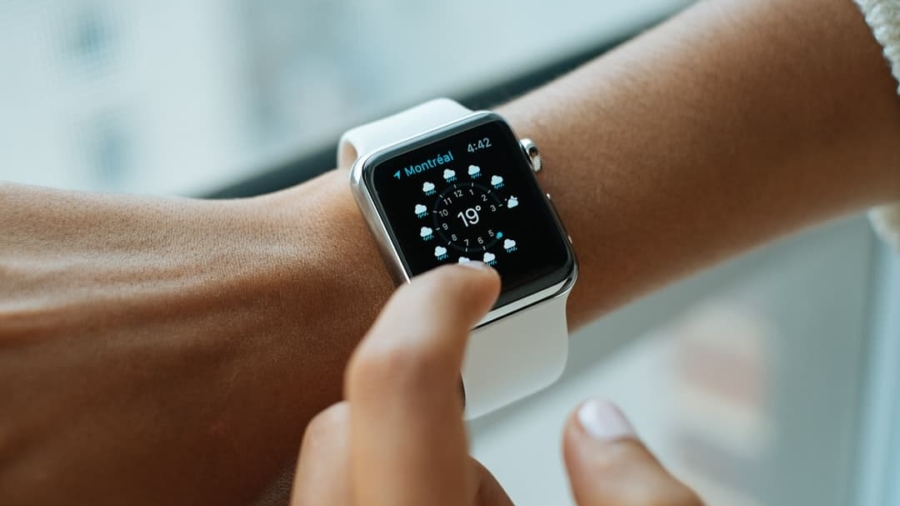
Can your smartwatch help you spot a cold before it even hits? The short answer is yes, and it’s getting more sophisticated by the day. Wearable tech isn’t just about counting steps anymore; it’s starting to become a sophisticated tool for understanding our bodies and potentially catching viral infections in their earliest stages.
The Body’s Subtle Signals
Before we dive into the tech, it’s worth remembering that your body already gives you clues when something’s up. A slight tickle in your throat, feeling a bit more tired than usual, or a subtle shift in your mood can be early whispers of an impending illness. The key is that these signals are often so subtle they can be easily missed or dismissed as just a bad day.
Wearable technology aims to capture these subtle shifts by constantly monitoring a range of physiological data. Think of it as having a dedicated, passive observer of your bodily functions, looking for deviations from your personal baseline. This baseline is crucial because everyone’s “normal” is different. What might be a slight elevation in heart rate for one person could be a significant change for another.
In the realm of health technology, the integration of wearable devices has shown promising potential in detecting early signs of viral infections, as discussed in various research articles. For those interested in the latest advancements in technology that can complement health monitoring, an insightful read is available in the article about the best Apple tablets of 2023. These devices not only enhance productivity but can also serve as platforms for health applications that leverage wearable technology. You can explore more about these innovative tools by visiting this link.
How Wearables Measure Up
So, what exactly are these wearables measuring, and how does it translate to potential infection detection? The main players are devices like smartwatches and fitness trackers, which are packed with sensors.
Heart Rate and Heart Rate Variability (HRV)
This is probably the most talked-about metric. Your resting heart rate is a good indicator of your cardiovascular health, but it’s the changes in heart rate variability (HRV) that are particularly interesting for illness detection.
What is HRV?
HRV refers to the variation in time between consecutive heartbeats. While it sounds counterintuitive, a higher HRV generally indicates a more resilient and adaptable nervous system, which is a sign of good health. Conversely, a decrease in HRV can signal that your body is under stress – and an infection is one of the biggest stressors.
How it Works for Detection
When a virus starts to invade your system, your immune response kicks in. This immune response can affect your autonomic nervous system, leading to a drop in HRV. Smartwatches can track this decline over time. If your HRV suddenly plummets below your usual range, while other metrics are also showing changes, it could be an early warning sign that your body is fighting something off, perhaps a viral infection, even before you feel distinctly unwell.
Practical Applications
Imagine you see a significant dip in your HRV over a couple of days, correlating with a slight uptick in your resting heart rate, and perhaps a minor change in your sleep patterns. This combination of subtle shifts, tracked by your watch, could prompt you to be more mindful, prioritize rest, and maybe even avoid close contact with others, thus potentially slowing the spread of a nascent infection.
Body Temperature
While not all wearables can accurately measure core body temperature, some advanced models are starting to incorporate this capability. A fever is a classic sign of infection, but a slight elevation in body temperature that might not register as a fever by conventional means can still be an indicator of your body mounting an immune response.
The Nuance of Temperature Readings
It’s important to note the limitations here. Wrist-based thermometers are not as accurate as oral or ear thermometers. They measure skin temperature, which can be influenced by external factors like ambient temperature and movement. However, by tracking trends and deviations from your personal baseline throughout the day and night, these devices can still provide valuable data.
Detecting Sub-Feverual Changes
For example, if your wearable consistently reports your skin temperature being a degree or so higher than your average nighttime temperature, especially when combined with other physiological changes, it could be an early signal of your body working harder.
Respiration Rate
Your breathing patterns can also change when you’re unwell. An increased respiration rate, even if it’s just slightly more breaths per minute than usual, can be a sign that your body is trying to get more oxygen, or that your respiratory system is experiencing some stress.
What Your Wearable Tracks
Many fitness trackers and smartwatches can measure your respiration rate during sleep. This is a good time to measure as it’s less likely to be influenced by activity or conscious adjustments to your breathing.
The Significance of Changes
A consistent increase in your resting respiration rate, particularly at night, could indicate that your lungs are working harder, potentially due to inflammation or congestion caused by a viral infection.
Sleep Quality and Patterns
When you’re sick, your sleep often changes. You might have trouble falling asleep, wake up more frequently, or experience less deep and REM sleep. Conversely, sometimes your body craves more sleep when it’s fighting off an infection. Wearables are excellent at tracking these sleep metrics.
Deeper Insights from Sleep Data
By monitoring total sleep time, time spent in different sleep stages (light, deep, REM), and the number of wakeful periods, your wearable can paint a picture of how well you’re resting. A sudden and significant disruption in your typical sleep architecture, even if you feel you slept for a decent duration, could be an indicator of your body’s struggle.
Correlation with Other Metrics
If your sleep quality dips, and you also see changes in your HRV and resting heart rate, it strengthens the possibility of an underlying issue, such as an early-stage infection.
Putting it All Together: The Power of Combined Data
The real power of wearable technology for early infection detection lies not in any single metric, but in the combination and correlation of multiple data points. This is often referred to as looking at your “physiological composite.”
The most sophisticated algorithms in these devices are designed to look for patterns and deviations from your personal baseline across all the metrics they collect.
Establishing Your Baseline
This is the absolute first step. For a wearable to tell you something is different, it needs to know what your normal is. This means wearing your device consistently, day and night, for a period of weeks or even months. This allows the device and its associated app to build a robust profile of your typical heart rate, HRV, sleep patterns, and temperature fluctuations.
Identifying Anomalies and Trends
Once a baseline is established, the wearable can start flagging anomalies. This could be a sustained increase in resting heart rate, a consistent drop in HRV, a noticeable change in sleep quality, or a subtle but persistent rise in skin temperature. The key is that these anomalies are viewed in relation to your personal normal, not just some generic population average.
The “Out-of-Nowness” Score
Some apps and platforms are developing “readiness” or “out-of-nowness” scores. These scores aggregate various physiological signals. A drop in your readiness score, for instance, might suggest your body is under stress and you should take it easy or be more vigilant for symptoms.
Challenges and Limitations
Despite the promise, it’s crucial to understand the current limitations of using wearables for infection detection.
Accuracy and Sensor Quality
As mentioned, not all sensors are created equal. Wrist-based temperature sensing is an example of a technology that is still evolving and can be influenced by external factors. The accuracy of heart rate and HRV can also vary between devices and even within the same device depending on how it’s worn.
Data Interpretation and False Positives
Interpreting the data requires a degree of user understanding, or reliance on sophisticated algorithms. A stressful day at work, a late night, or even a strenuous workout can all temporarily impact your HRV, heart rate, and sleep. The challenge for algorithms is to differentiate between these temporary, normal fluctuations and genuine early signs of illness. False positives can lead to unnecessary anxiety or overcaution.
Lack of Specificity
Wearables can tell you something is different, but they can’t tell you what is different. A change in your metrics could be due to an infection, but it could also be stress, dehydration, lack of sleep, or even the early stages of a chronic condition. A wearable can’t diagnose a specific virus.
Not a Substitute for Medical Advice
It’s vital to reiterate that wearables are tools for information and potential early awareness.
They are not medical diagnostic devices and should never be used as a replacement for consulting a healthcare professional, especially if you are experiencing concerning symptoms.
Recent advancements in wearable technology have opened new avenues for early detection of viral infections, as discussed in the article on the potential of these devices. This innovative approach not only enhances monitoring but also allows for timely interventions. For more insights on how technology can improve efficiency in various fields, you might find the article on streamlining workflows particularly interesting. By integrating such technologies, we can better prepare for health challenges while also optimizing processes in other industries.
The Future of Wearable Infection Detection
The field is rapidly advancing, and future developments hold significant promise.
Enhanced Sensor Technology
We can expect to see more accurate and specialized sensors integrated into wearables. This might include non-invasive ways to monitor markers of inflammation or even the presence of specific pathogens, though this is further down the line.
Machine Learning and AI
The role of artificial intelligence and machine learning will become even more critical.
These technologies will improve the accuracy of anomaly detection, reduce false positives, and potentially even start to correlate specific patterns of physiological change with different types of infections.
Imagine your watch learning to distinguish between the subtle physiological fingerprint of a common cold versus the onset of the flu.
Biomarker Integration
Future wearables might move beyond basic physiological metrics to incorporate the measurement of certain biomarkers. This could involve detecting changes in sweat composition, for example, which can indicate immune system activity or nutrient deficiencies.
Personalized Health Management
Ultimately, wearables are moving towards a future of highly personalized health management. By providing a continuous stream of data about our bodies, they can empower us to take proactive steps to maintain our well-being and potentially nip illnesses in the bud before they take hold.
Using your wearable to detect early signs of viral infections isn’t about turning into a hypochondriac, but rather about becoming more attuned to your body’s signals. By understanding what your device is measuring and what those changes might mean, you can make more informed decisions about your health and well-being, potentially catching a bug before it truly catches you out.
FAQs
What is wearable technology?
Wearable technology refers to electronic devices that can be worn on the body, such as smartwatches, fitness trackers, and other devices with sensors and software that can collect and transmit data.
How can wearable technology detect early signs of viral infections?
Wearable technology can detect early signs of viral infections by monitoring changes in physiological parameters such as body temperature, heart rate, respiratory rate, and even blood oxygen levels. These changes can indicate the presence of an infection before symptoms become apparent.
What are the benefits of using wearable technology for early detection of viral infections?
Using wearable technology for early detection of viral infections can help individuals and healthcare professionals to identify infections at an early stage, allowing for prompt intervention and treatment. This can potentially reduce the spread of the virus and improve health outcomes.
Are there any limitations to using wearable technology for detecting viral infections?
While wearable technology can provide valuable data for early detection of viral infections, it is not a replacement for diagnostic testing. It is important to interpret the data from wearable devices in conjunction with other clinical information and diagnostic tests for an accurate assessment.
What are some examples of wearable technology being used for early detection of viral infections?
Examples of wearable technology being used for early detection of viral infections include smartwatches and wearable patches equipped with sensors to monitor physiological parameters, as well as specialized devices designed specifically for detecting early signs of viral infections.
Enjoying our content? Make us a preferred source on Google:
Add us as a Preferred Source on Google