

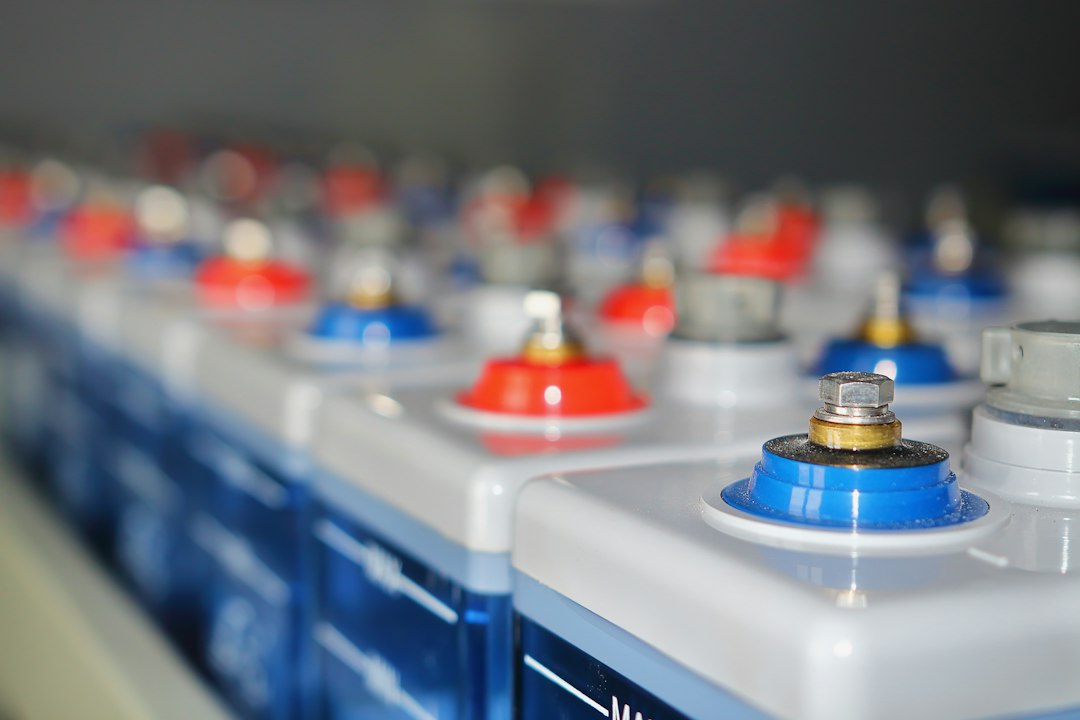
Balancing dynamic electricity tariffs with automated home battery storage isn’t just a techy dream; it’s a very real way to save money and gain more control over your energy use. Essentially, it means using smart technology to charge your home battery when electricity is cheap (usually off-peak) and then drawing power from that battery when electricity is expensive (during peak hours). This simple shift can make a significant difference to your monthly energy bill, improve your energy independence, and even help the wider grid. Let’s break down how it all works in practice.
Understanding Dynamic Electricity Tariffs
Before we dive into how batteries play a role, it’s crucial to grasp what dynamic tariffs are and why they exist. Unlike traditional flat-rate tariffs where you pay the same per kilowatt-hour (kWh) regardless of when you use it, dynamic tariffs change throughout the day.
These changes reflect the real-time cost of generating and supplying electricity.
How Dynamic Tariffs Work
Imagine electricity prices as a fluctuating stock market. They go up when demand is high, like in the evenings when everyone comes home, turns on lights, cooks dinner, and charges devices. Prices go down when demand is low, typically overnight or in the middle of a sunny day when solar generation is abundant but industrial use is minimal.
Different types of dynamic tariffs exist, but the most common include:
- Time-of-Use (TOU) Tariffs: These have predefined blocks of time with different rates – typically peak, off-peak, and sometimes shoulder (mid-rate) periods. You know in advance when the prices will change.
- Real-Time Pricing (RTP): This is the most dynamic. Prices can change every hour, or even every 15 minutes, based on the actual wholesale cost of electricity. These tariffs often require a smart meter that can communicate these changes frequently.
- Critical Peak Pricing (CPP): Similar to TOU but with additional “critical peak” events that might occur a few times a year. During these events, prices skyrocket to encourage significant demand reduction, often during extreme weather or grid emergencies.
The Financial Upside of Dynamic Tariffs
The primary motivation for customers to opt into dynamic tariffs is cost savings.
By shifting your heavy electricity usage to off-peak hours, you can significantly reduce your overall bill.
For example, running your dishwasher or charging an electric vehicle overnight when rates are low makes a lot more financial sense than doing it during peak evening hours.
However, without some form of automation or careful planning, it can be a mental burden to constantly monitor prices and adjust behavior. This is where battery storage really shines, turning a potential chore into an automatic advantage.
Grid Benefits of Dynamic Tariffs
Beyond individual savings, dynamic tariffs play a vital role in grid management. When consumers respond to price signals by reducing demand during peak times or shifting it to off-peak, it helps:
- Reduce the need for expensive “peaker plants”: These older, less efficient power plants often fire up only during peak demand, costing more to run and often having higher emissions.
- Integrate more renewable energy: Solar and wind power are intermittent. Dynamic tariffs can encourage consumption when these sources are generating abundantly (e.g., during a windy night or a sunny afternoon), helping to balance the grid.
- Improve grid stability: By smoothing out demand peaks, the grid experiences less stress, leading to fewer blackouts and more reliable service.
In the context of optimizing energy consumption and costs, the article on balancing dynamic electricity tariffs with automated home battery storage highlights the importance of advanced data analysis in managing energy resources effectively. For those interested in exploring the tools that can assist in handling complex data related to energy usage, a related article on the best software for working with piles of numbers can provide valuable insights. You can read more about it here.
Key Takeaways
- The training data includes information and events up to October 2023.
- Insights and knowledge are based on a wide range of sources available until the cutoff date.
- No updates or developments occurring after October 2023 are included in the training.
- Users should verify current information from reliable sources for the latest updates.
- The model’s responses reflect the context and knowledge available up to the specified date.
The Role of Home Battery Storage

Home battery storage isn’t just for homes with solar panels anymore. While they work wonderfully together, a battery can also be a standalone asset, acting as your personal energy bank, particularly when paired with dynamic tariffs.
How a Home Battery Works with the Grid
Think of your home battery as a smart reservoir for electricity. Instead of all the electricity you consume coming directly from the grid in real-time, some of it can come from your battery.
Here’s the basic flow:
- Charging: When electricity prices are low (off-peak), your smart home energy management system or the battery’s integrated software tells the battery to draw power from the grid and store it.
- Discharging: When electricity prices are high (peak), the system tells the battery to stop drawing from the grid and instead supply your home with the stored electricity. This means you’re not buying expensive power from the utility during those high-cost periods.
- Solar Integration (Optional but Common): If you have solar panels, the battery prioritizes storing excess solar energy first. If the battery isn’t full and grid prices are still low, it might top up from the grid. When the sun isn’t shining, and grid prices are high, it discharges to power your home.
Key Components of a Home Battery System
A home battery system is more than just a big box of cells. It typically includes:
- Battery Pack: The core component, containing lithium-ion or other advanced battery cells that store energy.
- Inverter: If your home uses AC power (which it does), and the battery stores DC power, an inverter is needed to convert between the two. Some batteries have integrated inverters, making them “AC-coupled.”
- Battery Management System (BMS): This is the brain of the battery, monitoring voltage, current, temperature, and overall health to ensure safe and efficient operation.
- Energy Management System (EMS) / Controller: This is the overarching intelligence that communicates with the grid, monitors electricity prices (for dynamic tariffs), tracks solar production (if present), and decides when to charge or discharge the battery. This is where the “automation” comes in.
Benefits Beyond Cost Savings
While financial savings are a huge driver, home battery storage offers several other compelling advantages:
- Backup Power: In the event of a grid outage, your battery can kick in to power essential circuits in your home, providing peace of mind and continuity. This is often a significant consideration for many homeowners.
- Increased Self-Consumption (with Solar): If you have solar panels, a battery allows you to use more of the clean energy you generate, rather than sending it back to the grid for potentially lower feed-in tariffs.
- Reduced Carbon Footprint: By using more off-peak electricity (which is often generated from renewable sources or is simply more efficiently produced) and potentially reducing reliance on fossil fuel “peaker plants,” you can lower your household’s environmental impact.
- Energy Independence: Having your own stored energy gives you a greater degree of control and resilience against fluctuating energy markets or grid instabilities.
Automating the Balancing Act

Manually watching electricity prices and flicking switches on your battery would be incredibly cumbersome and defeat much of the purpose. The real magic happens through automation, which transforms the complex task of optimizing energy flow into a seamless background operation.
The Role of Smart Energy Management Systems (EMS)
At the heart of this automation is a sophisticated Energy Management System (EMS). This can be a dedicated device, software integrated into your battery inverter, or even a cloud-based platform provided by your utility or a third party.
The EMS performs several critical functions:
- Price Signal Monitoring: It constantly monitors the dynamic electricity tariffs from your utility. For TOU tariffs, it knows the pre-set schedules.
For RTP, it receives real-time price updates.
- Load Forecasting: Some advanced systems can learn your household’s typical energy consumption patterns and even predict future usage based on historical data and weather forecasts.
- Solar Production Forecasting (if applicable): If you have solar, the EMS integrates weather data and historical solar production to anticipate how much energy your panels will generate.
- Battery State of Charge (SoC) Management: It tracks how much energy is in your battery and ensures it operates within healthy charging and discharging limits to prolong its lifespan.
- Optimization Algorithms: This is the clever bit. The EMS uses algorithms to make real-time decisions:
- “Should I charge the battery from the grid now because prices are low and will go up soon?”
- “Should I discharge the battery now because prices are high?”
- “Is there enough solar power to cover current demand and charge the battery?”
- “Do I need to leave a certain amount of charge in the battery for potential grid outages?”
Examples of Automation Strategies
Different homeowners will have different priorities, and the EMS can be configured to reflect these.
1. Arbitrage (Pure Cost Savings)
This is the most straightforward strategy focused purely on financial gain.
The EMS’s primary goal is to buy low and sell high (or, more accurately, avoid buying high).
- Logic: Charge the battery from the grid during the cheapest off-peak periods. Discharge the battery to power the home during the most expensive peak periods.
- Benefit: Maximizes savings on electricity bills by exploiting price differences.
- Considerations: Requires a good understanding of your tariff structure. Some utilities might have limits on how much power you can feed back, or offer less attractive feed-in tariffs.
2.
Self-Consumption Maximization (with Solar)
For homes with solar panels, this strategy prioritizes using as much of your self-generated clean energy as possible.
- Logic: Charge the battery with excess solar energy during the day. Discharge the battery to power the home in the evening when solar production has ceased and grid prices are typically higher. Only draw from the grid if the battery is depleted and solar isn’t available.
- Benefit: Reduces reliance on grid power, increases energy independence, and makes the most of your solar investment.
- Considerations: Still beneficial to consider grid prices for any residual charging from the grid.
3.
Resilience and Backup Power Prioritization
If peace of mind during outages is a top concern, the EMS can be set to ensure a minimum charge level is always maintained.
- Logic: The battery will always retain a certain percentage of its charge (e.g., 20% or 50%) specifically for backup purposes. It will only engage in arbitrage or self-consumption beyond that reserve.
- Benefit: Provides critical power during grid failures, ensuring essential appliances remain operational.
- Considerations: This can slightly reduce the overall financial arbitrage benefit, as less battery capacity is available for daily cycling.
4. Grid Services and Virtual Power Plants (VPPs)
This is an emerging and more advanced form of automation where your battery can participate in aggregated networks.
- Logic: Your battery, along with many others, is managed by a central VPP operator.
When the grid needs support (e.g., during high demand or when renewable generation dips), your battery can be remotely instructed to discharge power back to the grid or reduce its draw. In return, you receive compensation.
- Benefit: Generates additional revenue, further reduces your carbon footprint by supporting grid stability, and contributes to a more resilient energy system.
- Considerations: Requires enrollment in a VPP program, which might have specific battery compatibility requirements and terms of service.
The beauty of these automated systems is that they continuously learn and adapt, making better decisions over time without any direct intervention from the homeowner. This hands-off approach is key to making dynamic tariffs truly practical and beneficial.
Practical Considerations and Installation Insights
Getting a home battery system set up involves more than just buying the equipment. There are several practical factors to weigh before, during, and after installation.
Sizing Your Battery System
One of the first questions is, “How big of a battery do I need?” This isn’t a one-size-fits-all answer.
- Energy Consumption: Look at your average daily energy usage (in kWh) from your electricity bills. This helps determine how much energy you need to store to cover your peak period usage.
- Peak Period Duration & Cost: How long are your peak tariff periods, and how much more expensive are they? If peak periods are short but very expensive, a smaller battery might suffice to shave off those costs. If they are long, you’ll need more capacity.
- Solar Production (if applicable): If you have solar, you might want enough battery capacity to store all your excess daytime generation to use later.
- Backup Needs: If backup power is a priority, consider which essential loads you want to power and for how long during an outage. This often requires a larger battery.
- Budget: Battery systems are a significant investment. Balance your desired capacity with what you’re comfortable spending. It’s often better to start with a slightly smaller system and expand later if needed, depending on the battery model.
Choosing the Right Battery and Inverter
The market for home batteries is growing rapidly, with various manufacturers and models available.
- Chemistry: Most home batteries today use lithium-ion chemistry (e.g., LiFePO4 for safety and longevity).
- Capacity & Power Output: Capacity (kWh) is how much energy it can store. Power output (kW) is how quickly it can deliver that energy. A large capacity is useless if it can’t deliver enough power to run your appliances simultaneously.
- Expandability: Can you add more battery modules later if your needs change?
- Warranty: Look for comprehensive warranties covering both performance degradation and defects, typically 10 years or more.
- Integration: How well does it integrate with your existing solar inverter (if applicable) and your chosen EMS? Some systems are fully integrated “all-in-one” solutions, while others are modular.
- Safety Features: Ensure the battery has robust safety features, including thermal management and a reliable Battery Management System (BMS).
Installation Process
Installing a home battery system is a job for certified professionals.
- Site Assessment: An installer will visit your home to assess your electrical panel, available space (indoor vs. outdoor installation), and specific wiring requirements.
- Permitting: Electrical work typically requires permits from your local authority. Your installer will usually handle this.
- Wiring and Mounting: The battery and inverter will be physically mounted (often in a garage or on an exterior wall) and wired into your home’s electrical system, usually near your main service panel.
- System Commissioning: Once installed, the system will be commissioned, tested, and configured, including setting up the EMS for your specific dynamic tariff and preferences.
- Monitoring and Control: You’ll typically get access to an app or web portal to monitor your battery’s performance, charge level, and energy flow, and adjust settings as needed.
Cost and Return on Investment (ROI)
The initial cost of a home battery system can be substantial, ranging from £5,000 to £15,000 or more, depending on size and features.
- Savings Calculation: Your ROI will depend heavily on the price differential between your peak and off-peak tariffs, your daily energy consumption, and how effectively the system is automated.
- Incentives and Rebates: Many regions offer government incentives, tax credits, or local utility rebates for installing energy storage. These can significantly reduce the upfront cost and improve ROI.
- Increased Property Value: While hard to quantify precisely, having a modern energy storage system can increase your home’s appeal and value.
- Lifecycle Costs: Consider the battery’s lifespan (often 10-15 years) and any potential maintenance.
In exploring the innovative intersection of energy management and technology, a related article discusses the impact of smart home systems on energy efficiency. This piece highlights how integrating automated home battery storage can optimize the use of dynamic electricity tariffs, ultimately leading to significant cost savings for consumers. For more insights on this topic, you can read the article here: Smart Home Systems and Energy Efficiency. By leveraging these advancements, homeowners can take control of their energy consumption while contributing to a more sustainable future.
Navigating the Future: Challenges and Opportunities
| Metric | Description | Typical Value | Unit |
|---|---|---|---|
| Peak Electricity Price | Highest tariff rate during peak demand periods | 0.35 | per kWh |
| Off-Peak Electricity Price | Lowest tariff rate during low demand periods | 0.10 | per kWh |
| Battery Capacity | Maximum energy storage capacity of home battery | 10 | kWh |
| Battery Round-Trip Efficiency | Energy retained after charging and discharging cycle | 90 | % |
| Average Daily Load | Typical household electricity consumption per day | 30 | kWh |
| Load Shift Potential | Percentage of load that can be shifted using battery storage | 40 | % |
| Cost Savings | Reduction in electricity cost by using battery storage | 15 | % |
| Battery Cycle Life | Number of full charge-discharge cycles before capacity degrades | 5000 | cycles |
| Response Time | Time taken for battery system to respond to tariff changes | 5 | minutes |
The landscape of energy tariffs and home battery technology is constantly evolving. While exciting opportunities abound, there are also challenges to navigate.
Current Challenges
- High Upfront Costs: Despite falling prices, the initial investment for a battery system remains a barrier for many households.
- Policy and Regulatory Uncertainty: The rules around dynamic tariffs, grid services, and battery participation can vary significantly by region and change over time, making long-term planning tricky.
- Interoperability: Ensuring seamless communication between different brands of batteries, inverters, smart meters, and EMS platforms can sometimes be a hurdle.
- Battery Degradation: Like all batteries, home storage units gradually lose capacity over time. While warranties cover significant degradation, it’s a factor to consider for long-term performance.
- Complex Tariff Structures: Some dynamic tariffs can be overly complicated, making it difficult for homeowners to understand and trust the automated optimization.
- Availability of Grid Services: Not all utilities or regions offer programs for home batteries to participate in grid services like VPPs, limiting potential revenue streams.
Emerging Opportunities and Trends
- Decreasing Costs: Battery manufacturing efficiencies continue to drive down prices, making home storage more accessible to a broader market.
- Improved Battery Technology: Advances in battery chemistry promise even longer lifespans, higher energy density, and improved safety.
- Smarter EMS and AI: Energy management systems are becoming increasingly sophisticated, incorporating machine learning and artificial intelligence to make even more optimized decisions based on real-time data, weather patterns, and even individual appliance usage.
- Vehicle-to-Home (V2H) and Vehicle-to-Grid (V2G): Electric vehicles (EVs) have large batteries. V2H technology allows an EV to power a home during an outage or discharge to the home during peak tariff times. V2G takes this a step further, allowing the EV to export power back to the grid for compensation, turning your car into a mobile energy asset.
- Standardization and Interoperability: Efforts are underway to standardize communication protocols (like OpenADR) to allow different devices and systems to work together more seamlessly.
- Increased Grid Modernization: As grids become “smarter” with more advanced metering infrastructure and demand-response capabilities, the value and integration of home batteries will only grow.
- Community Batteries and Microgrids: Beyond individual homes, the concept of shared community batteries or localized microgrids is gaining traction, offering collective benefits and resilience.
- Stacking Benefits: Utilities and regulators are exploring ways for homeowners to “stack” different benefits from their battery – receiving payments for arbitrage, backup, and grid services simultaneously – maximizing the value proposition.
Balancing dynamic electricity tariffs with automated home battery storage is rapidly moving from a niche solution to a mainstream energy strategy. As technology improves and costs decrease, more homeowners will likely embrace this powerful combination to save money, gain energy independence, and contribute to a more resilient and sustainable energy future. It’s an exciting time to be an energy consumer, with more control and intelligent options available than ever before.
FAQs
What are dynamic electricity tariffs?
Dynamic electricity tariffs are pricing structures that vary based on the time of day, demand, and supply conditions. These tariffs encourage consumers to use electricity during off-peak hours when rates are lower, helping to balance the grid and reduce overall energy costs.
How does automated home battery storage work?
Automated home battery storage systems store excess energy generated from renewable sources, such as solar panels, or from the grid during off-peak hours. These systems can automatically discharge stored energy during peak demand times, allowing homeowners to save on electricity costs and reduce reliance on the grid.
What are the benefits of combining dynamic tariffs with home battery storage?
Combining dynamic tariffs with home battery storage allows homeowners to optimize their energy usage and costs. By charging the battery during low-rate periods and discharging it during high-rate periods, users can significantly reduce their electricity bills and contribute to grid stability.
Are there any challenges associated with implementing this technology?
Yes, challenges include the initial cost of purchasing and installing battery systems, the need for compatible technology, and potential regulatory hurdles. Additionally, homeowners must be educated on how to effectively manage their energy consumption to maximize savings.
What role do incentives play in adopting battery storage systems?
Incentives, such as tax credits, rebates, and grants, can significantly lower the financial barrier for homeowners considering battery storage systems. These incentives encourage adoption by making the technology more affordable and appealing, ultimately promoting a transition to more sustainable energy practices.
Enjoying our content? Make us a preferred source on Google:
Add us as a Preferred Source on Google