

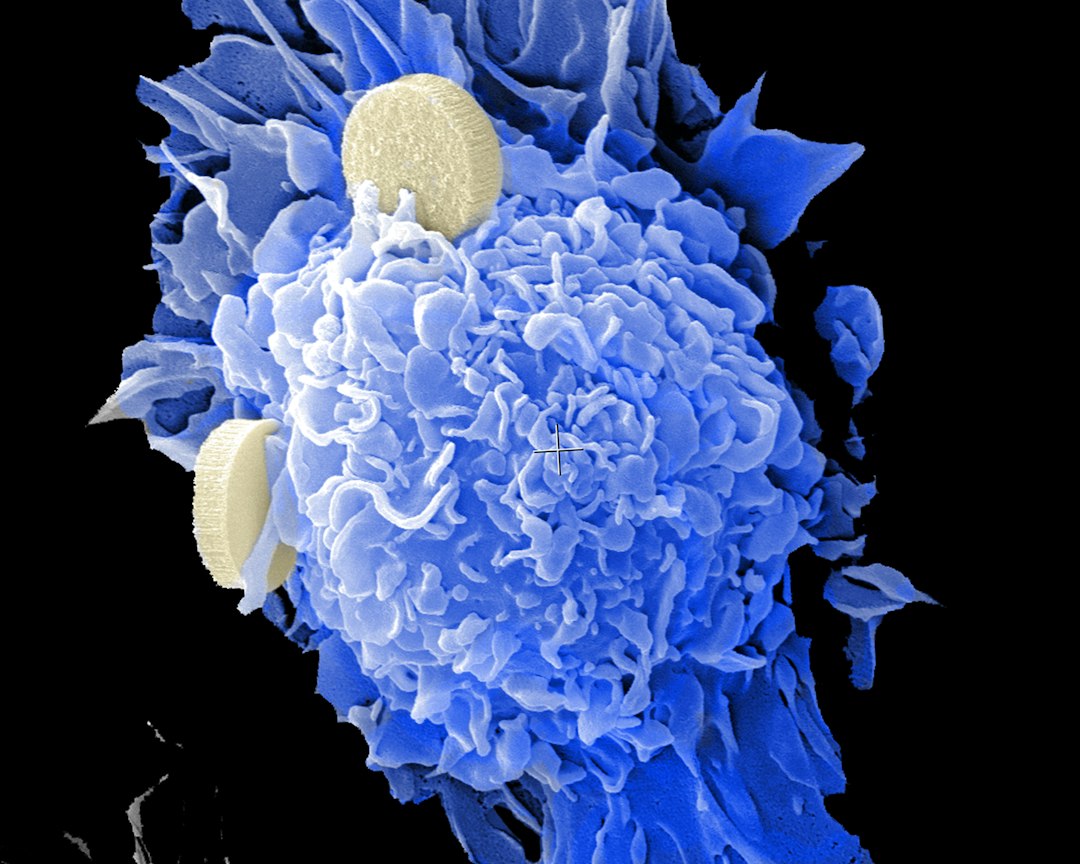
AI-driven early cancer screening, particularly through liquid biopsies and multi-cancer early detection (MCED) tests, is fundamentally changing how we approach cancer diagnosis. Instead of waiting for symptoms to appear, these advanced technologies aim to find cancer at its earliest stages, often before it has spread, which significantly improves treatment outcomes and survival rates. This isn’t just a hopeful future; it’s a rapidly developing reality.
The Power of Early Detection
Detecting cancer early is crucial. The earlier a cancer is found, the simpler the treatment usually is, and the higher the chances of a full recovery. Think about it: a small, localized tumor is much easier to remove or treat effectively than one that has spread throughout the body. Traditional screening methods, like mammograms or colonoscopies, are vital but often target specific cancers in specific populations and at specific ages. While incredibly effective for those particular cancers, they don’t offer a comprehensive look for other potential threats. This is where the new generation of screening tools steps in.
Limitations of Traditional Screening
Current screening programs have done a lot of good, but they also have some inherent limitations. For instance, they might miss cancers that develop quickly between screenings, or they might not be suitable for people outside specific age ranges or risk groups. There’s also the challenge of ‘hard-to-screen’ cancers – those that don’t have well-established, effective early detection methods, like pancreatic or ovarian cancer. These cancers are often diagnosed at advanced stages, making treatment much more difficult.
Furthermore, traditional screening can sometimes lead to ‘over-diagnosis,’ where very slow-growing or non-aggressive cancers are found and treated unnecessarily, leading to anxiety and potential side effects from treatment. While this is less common, it’s a factor in the broader discussion of screening efficacy.
The Vision of Proactive Screening
The goal of AI-driven early detection is to move from reactive symptom-driven diagnosis to proactive, population-level screening. Imagine a world where a simple blood test could tell you, with reasonable accuracy, if you have early signs of cancer, long before you feel unwell. This isn’t about replacing existing effective screening programs, but rather complementing them and expanding the net to catch a wider range of cancers at their most treatable stages. It’s about being smarter and more comprehensive in our approach.
AI-driven early cancer screening is revolutionizing the way we detect various types of cancer, particularly through innovative methods like liquid biopsies and multi-cancer early detection tests.
These advancements not only enhance the accuracy of diagnoses but also enable earlier intervention, significantly improving patient outcomes.
For further insights into cutting-edge technologies and their applications, you can explore a related article that discusses the potential of these innovations in healthcare. Check it out here: Unlock the Possibilities with Galaxy Book2 Pro 360.
Key Takeaways
- The training data includes information and events up to October 2023.
- Insights and knowledge are based on a wide range of sources available until the cutoff date.
- No updates or developments occurring after October 2023 are included in the training.
- Users should verify current information from reliable sources for the latest updates.
- The model’s responses reflect the context and knowledge available up to the specified date.
Liquid Biopsies: A New Window into the Body
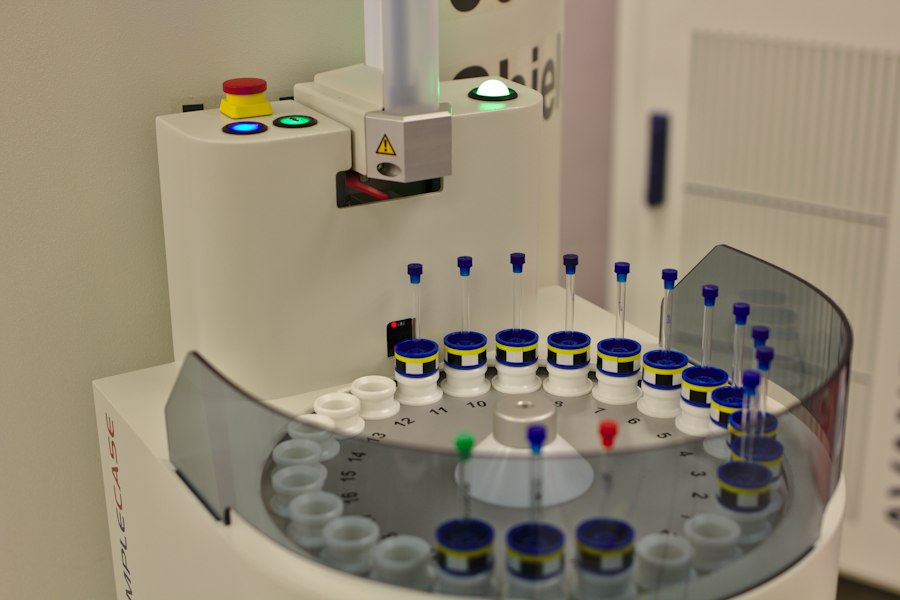
Liquid biopsies are a game-changer. Instead of needing a tissue sample, which often involves an invasive procedure, a liquid biopsy typically uses a blood sample to detect biomarkers shed by tumors. These biomarkers include circulating tumor DNA (ctDNA), circulating tumor cells (CTCs), exosomes, and various proteins. It’s essentially a non-invasive way to get a snapshot of what’s happening with potential tumors throughout the body.
What Makes a Liquid Biopsy Possible?
The fundamental principle behind liquid biopsies is that tumors, even at very early stages, release tiny fragments of their genetic material or whole cells into the bloodstream. These fragments of ctDNA carry the same mutations as the primary tumor. By detecting and analyzing these minute quantities of ctDNA, scientists can infer the presence of cancer, even before it’s visible on imaging scans. This is where AI truly shines, as the amounts of ctDNA can be incredibly small, requiring highly sensitive and sophisticated analytical methods.
Types of Biomarkers Detected
While ctDNA is often highlighted, liquid biopsies can look for several other markers:
- Circulating Tumor Cells (CTCs): These are whole cancer cells that have detached from the primary tumor and entered the bloodstream. Detecting CTCs can not only indicate the presence of cancer but also potentially provide insights into its aggressiveness and metastatic potential.
- Exosomes: These are tiny vesicles released by cells, including cancer cells. They carry proteins, lipids, and nucleic acids (like RNA and DNA) from their parent cells, offering another rich source of information about a tumor’s characteristics.
- Proteins and Metabolites: Tumors can also release specific proteins or alter the metabolic profiles in the blood. AI can analyze complex patterns of these molecules to identify cancer-specific signatures.
Each of these biomarkers offers a different piece of the puzzle, and a comprehensive liquid biopsy approach often combines the analysis of several of them for higher accuracy.
Multi-Cancer Early Detection (MCED) Tests Explained
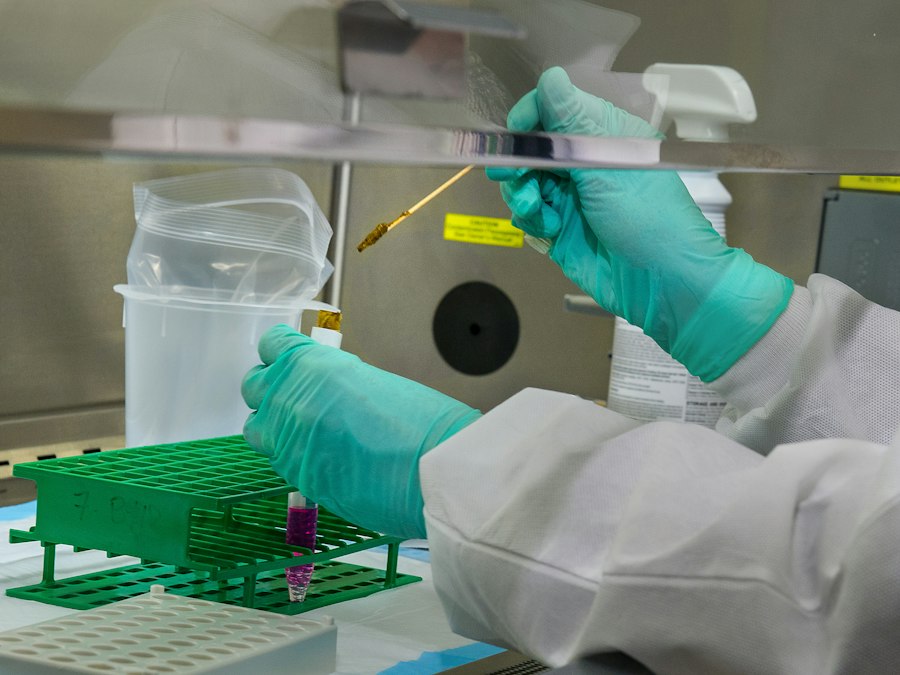
Multi-Cancer Early Detection (MCED) tests leverage the power of liquid biopsies, often combined with AI, to screen for multiple types of cancer simultaneously from a single blood sample. Instead of looking for one specific cancer, these tests are designed to cast a much wider net, aiming to detect a signal for many different cancers at once. This is a significant shift from the current paradigm of single-cancer screening.
How MCED Tests Work
At a high level, MCED tests generally involve:
- Blood Sample Collection: A standard blood draw is all that’s needed.
- Biomarker Extraction and Amplification: The blood sample is processed to extract and enrich the relevant biomarkers, primarily ctDNA.
- Sequencing and Analysis: Advanced next-generation sequencing (NGS) technologies are used to read the genetic sequences of the ctDNA.
This step is critical because it identifies specific cancer-associated mutations, epigenetic changes (like methylation patterns), or chromosomal abnormalities.
- AI-Powered Interpretation: This is where AI truly comes into its own. The vast amount of sequencing data is fed into sophisticated algorithms. These algorithms are trained on massive datasets of known cancer samples and healthy controls to identify subtle patterns that indicate the presence of cancer and, in some cases, even predict the likely tissue of origin.
The ability of AI to sift through petabytes of data, identify minute signals, and correlate them with known cancer signatures is what makes MCED tests feasible.
Without AI, interpreting such complex biological data on a large scale would be practically impossible.
Advantages of MCED Tests
The potential benefits of MCED tests are substantial:
- Early Detection Across Multiple Cancers: The most obvious advantage is the ability to screen for many cancers simultaneously, including those without current standard screening methods. This could dramatically improve outcomes for cancers like pancreatic, ovarian, and esophageal cancer, which are often diagnosed late.
- Reduced Screening Burden: A single blood test could potentially reduce the need for multiple, distinct screening procedures, making screening more convenient and accessible.
- Non-Invasive: Being blood-based, MCED tests avoid the discomfort and risks associated with invasive procedures.
- Potential for Population-Level Screening: Their simplicity and non-invasiveness make them ideal candidates for broader population-level screening programs, potentially saving countless lives.
Challenges and Considerations for MCED Tests
While promising, MCED tests are not without their challenges:
- Sensitivity and Specificity: These are critical metrics. A highly sensitive test catches most cancers but might have more false positives.
A highly specific test has fewer false positives but might miss some cancers. Finding the right balance is crucial.
- False Positives: A false positive result can lead to significant anxiety, further invasive diagnostic procedures (like biopsies and imaging), and unnecessary medical costs.
- False Negatives: A false negative means cancer is present but missed, potentially delaying critical treatment.
- Tissue of Origin Prediction: When a positive signal is detected, the test often tries to predict where the cancer is located (e.g., lung, colon). The accuracy of this prediction is vital for guiding subsequent diagnostic workup.
- Clinical Utility and Follow-up Pathways: If an MCED test is positive, what’s the recommended next step?
Establishing clear, evidence-based follow-up protocols is essential to ensure patients receive appropriate and timely care without undue over-investigation.
- Cost and Accessibility: For these tests to have a real impact, they need to be affordable and accessible to a wide population.
- Ethical Considerations: Discussions around potential over-diagnosis of indolent cancers and the psychological impact of uncertain results are important.
The Role of Artificial Intelligence
AI is not just a supporting player in this field; it’s a central character. Without sophisticated AI algorithms, the sheer volume and complexity of the data generated by liquid biopsies and MCED tests would be unmanageable. AI helps us make sense of the noise and find the signal.
Handling Massive Datasets
Genomic sequencing generates enormous amounts of data. A single liquid biopsy can produce terabytes of raw information. Traditional statistical methods simply can’t process this efficiently or find the subtle patterns that AI can. Machine learning models, particularly deep learning, are adept at recognizing complex correlations and anomalies in these large datasets.
Pattern Recognition and Feature Extraction
AI algorithms are trained to identify specific patterns in ctDNA methylation, fragmentation patterns, or mutation profiles that are indicative of cancer. For example, specific methylation patterns on ctDNA might consistently appear in early-stage pancreatic cancer, and AI can learn to pick these out. It’s not just looking for a single mutation but for a constellation of features that, together, suggest the presence of disease.
Improving Sensitivity and Specificity
By analyzing multiple biomarkers simultaneously and identifying intricate relationships between them, AI can significantly improve the accuracy of these tests. It can weigh different pieces of evidence, reducing false positives while maintaining high sensitivity. For instance, an AI model might learn that a particular ctDNA mutation combined with a specific protein biomarker is a much stronger indicator of cancer than either marker alone.
Tissue of Origin Prediction
One of the most impressive applications of AI in MCED tests is its ability to predict the likely tissue of origin when a cancer signal is detected. This is done by analyzing the specific genetic and epigenetic signatures in the ctDNA, comparing them to known signatures of various cancer types. For example, a particular methylation pattern might be strongly associated with colorectal cancer, while another is linked to lung cancer. This prediction helps clinicians target diagnostic imaging and biopsies more effectively, avoiding a “needle in a haystack” approach.
Continuous Learning and Refinement
AI models are not static; they can learn and improve over time. As more data from clinical trials and real-world use becomes available, the algorithms can be retrained and refined, leading to even greater accuracy and predictive power. This iterative improvement is a key advantage of AI-driven solutions.
AI-driven early cancer screening is revolutionizing the way we detect various types of cancer, particularly through innovative methods like liquid biopsies and multi-cancer early detection tests. These advancements are crucial in identifying cancer at its earliest stages, potentially improving patient outcomes significantly. For a deeper understanding of how technology is shaping the healthcare landscape, you might find this article on tech innovations insightful, as it covers a range of topics in the sector. You can read more about it here.
The Future Landscape and Implementation
| Metric | Description | Value | Unit | Source/Notes |
|---|---|---|---|---|
| Sensitivity | Ability of test to correctly identify cancer cases | 85 | % | Average across multiple cancer types in early detection tests |
| Specificity | Ability of test to correctly identify non-cancer cases | 99 | % | High specificity reduces false positives |
| Lead Time | Average time gained in cancer detection compared to traditional methods | 1.5 | Years | Estimated earlier diagnosis window |
| Sample Volume | Blood volume required for liquid biopsy | 10 | mL | Typical volume for multi-cancer early detection tests |
| Number of Cancer Types Detected | Range of cancers identifiable by multi-cancer early detection tests | 50+ | Types | Includes common and rare cancers |
| False Positive Rate | Percentage of non-cancer cases incorrectly identified as cancer | 1 | % | Inverse of specificity |
| Turnaround Time | Time from sample collection to result delivery | 7 | Days | Typical for commercial liquid biopsy tests |
| AI Model Accuracy | Performance of AI algorithms in interpreting test data | 90 | % | Based on validation studies |
| Cost per Test | Average cost for multi-cancer early detection liquid biopsy | 500 | Units | Varies by provider and region |
The development of AI-driven liquid biopsies and MCED tests is moving rapidly, but their widespread adoption requires careful planning and robust evidence. The journey from laboratory to widespread clinical use is complex, involving rigorous testing, regulatory approval, and integration into existing healthcare systems.
Clinical Trials and Validation
Before these tests become standard, they must undergo extensive clinical trials to demonstrate their effectiveness and safety in large, diverse populations. These trials measure critical parameters like sensitivity (how well the test detects cancer when it’s present), specificity (how well it avoids false positives when cancer isn’t present), and its ability to improve patient outcomes. Long-term studies are also needed to understand the true impact on survival rates and quality of life.
Regulatory Approval and Guidelines
Regulatory bodies like the FDA in the US or EMA in Europe play a crucial role in evaluating these technologies. They assess the scientific evidence, ensure manufacturing quality, and determine appropriate clinical use cases. Clear guidelines for when and how these tests should be used, as well as how to interpret results and what follow-up actions are necessary, will be essential for safe and effective implementation.
Integration into Healthcare Systems
Integrating MCED tests into routine clinical practice will require collaboration among various stakeholders: oncologists, primary care physicians, genetic counselors, pathologists, and even public health officials. Education will be vital for both healthcare providers and the public to understand the benefits, limitations, and implications of these tests. Developing clear care pathways for positive results, ensuring access to necessary diagnostic follow-up, and managing the psychological impact of screening results are all critical considerations.
Ethical, Social, and Economic Considerations
As with any powerful new medical technology, there are broader implications to consider.
- Equity of Access: Ensuring these advanced tests are accessible to all socioeconomic groups and not just a privileged few is important.
- Data Privacy: Protecting the vast amount of sensitive genetic data collected is paramount.
- Counseling and Education: Providing adequate support and information to individuals undergoing these tests, especially regarding potential false positives or uncertain results, will be crucial.
- Economic Impact: The cost-effectiveness of widespread MCED screening compared to traditional methods needs to be carefully evaluated, considering both direct medical costs and the societal benefits of earlier cancer detection.
Despite these challenges, the trajectory is clear: AI-driven liquid biopsies and MCED tests are poised to revolutionize early cancer detection. They hold the promise of shifting the paradigm from late-stage diagnosis to proactive, life-saving intervention, ultimately leading to a future where more cancers are found early and more lives are saved.
FAQs
What are liquid biopsies?
Liquid biopsies are minimally invasive tests that analyze biological fluids, such as blood, to detect cancer-related biomarkers. They can identify circulating tumor DNA (ctDNA), RNA, or other substances shed by tumors into the bloodstream, allowing for early detection and monitoring of cancer without the need for traditional tissue biopsies.
How do multi-cancer early detection tests work?
Multi-cancer early detection tests (MCED) utilize advanced technologies, including artificial intelligence, to analyze genetic material from blood samples. These tests can identify multiple types of cancer by detecting specific patterns of biomarkers associated with various malignancies, enabling earlier diagnosis compared to conventional methods.
What are the benefits of AI in cancer screening?
AI enhances cancer screening by improving the accuracy and efficiency of detecting cancer biomarkers. It can analyze vast amounts of data quickly, identify subtle patterns that may be missed by human analysts, and reduce false positives and negatives, leading to more reliable early detection and better patient outcomes.
Are liquid biopsies and MCED tests approved for clinical use?
As of October 2023, several liquid biopsy and multi-cancer early detection tests have received regulatory approval or are in various stages of clinical validation. However, the availability and acceptance of these tests can vary by region and specific healthcare guidelines, so it is essential to consult healthcare providers for the most current information.
What is the future of AI-driven cancer screening?
The future of AI-driven cancer screening looks promising, with ongoing research aimed at improving the sensitivity and specificity of liquid biopsies and MCED tests. Innovations in machine learning and data analysis are expected to enhance early detection capabilities, potentially leading to earlier interventions and improved survival rates for cancer patients.
Enjoying our content? Make us a preferred source on Google:
Add us as a Preferred Source on Google