


You’re probably wondering what all the fuss is about with “dark warehouses” and how they actually work. Simply put, automated dark warehouses are facilities designed to operate without human presence, utilizing advanced robotics, AI, and automation to handle all logistics functions from receiving to shipping. They’re called “dark” because, without people needing to see, the lights can stay off, saving energy and creating a truly optimized, human-free environment. This isn’t just a futuristic concept; it’s a practical reality already shaping the landscape of modern supply chains.
The Core Concept: Lights-Out Logistics Explained
At its heart, lights-out logistics is about maximizing efficiency and minimizing the variables introduced by human involvement. Think about it: no need for specific lighting levels, heating, air conditioning, or even ergonomic considerations for human workers. This translates directly into operational savings and a completely rethought architectural approach. The fundamental idea is to create a physical space that is perfectly optimized for machines, not people. This doesn’t mean abandoning safety, but rather reframing it for automated systems and the occasional, highly controlled human intervention for maintenance or problem-solving.
Why Go Dark? Key Drivers for Automation
Several compelling factors are pushing businesses towards this fully automated model. First, labor costs are a significant and often escalating expense. By replacing manual labor with machines, companies can drastically reduce these overheads. Second, the demand for faster fulfillment and higher throughput is relentless, driven by e-commerce and rising consumer expectations. Robots can operate 24/7 without breaks, holidays, or sick days, maintaining consistent speed and accuracy.
Third, accuracy and error reduction are paramount. Human error, while inevitable, can lead to costly mistakes, returns, and customer dissatisfaction. Automated systems, when properly programmed and maintained, exhibit extremely high levels of precision. Fourth, space utilization becomes much more efficient. Robots can navigate narrower aisles and reach higher storage locations than human operators, effectively increasing storage density within the same footprint. Finally, the ability to operate in challenging environments – extreme temperatures, low light, or even hazardous conditions – opens up new possibilities for logistics operations where human presence would be impractical or unsafe.
Beyond the Buzzword: A Practical Definition
When we talk about an automated dark warehouse, we’re not just talking about a warehouse with some robots. We’re talking about an integrated ecosystem where every process, from goods inward inspection to outbound dispatch, is performed autonomously. This typically involves:
- Automated Storage and Retrieval Systems (AS/RS): These are the backbone, managing the placement and retrieval of inventory with precision.
- Autonomous Mobile Robots (AMRs) and Automated Guided Vehicles (AGVs): For internal transport of goods between different zones or to pick stations.
- Robotic Picking Arms: For delicate or complex item handling and order fulfillment.
- Automated Sorting and Conveyor Systems: Ensuring efficient movement and sorting of products.
- Machine Vision Systems: For quality control, barcode scanning, and inventory verification.
- Advanced Warehouse Management Systems (WMS) and Warehouse Control Systems (WCS): These are the brains, orchestrating all the automated components and integrating with enterprise-level planning.
It’s a complete paradigm shift, moving from a human-centric design to a machine-centric one, where the architecture itself is an enabler of this advanced automation.
In exploring the innovative landscape of automated logistics, the article “Instagram Adds a Dedicated Spot for Your Pronouns” offers an intriguing perspective on how technology is reshaping user interactions and personal expression in digital spaces. While the focus of the article is on social media advancements, it parallels the evolution seen in automated dark warehouses, as both realms highlight the importance of efficiency and personalization in modern systems. For more insights on this topic, you can read the article here: Instagram Adds a Dedicated Spot for Your Pronouns.
Key Takeaways
- The training data includes information and events up to October 2023.
- Insights and knowledge are based on a wide range of sources available until the cutoff date.
- No updates or developments occurring after October 2023 are included in the training.
- Users should verify current information from reliable sources for the latest updates.
- The model’s responses reflect the context and knowledge available up to the specified date.
Architectural Considerations for a Lights-Out Facility
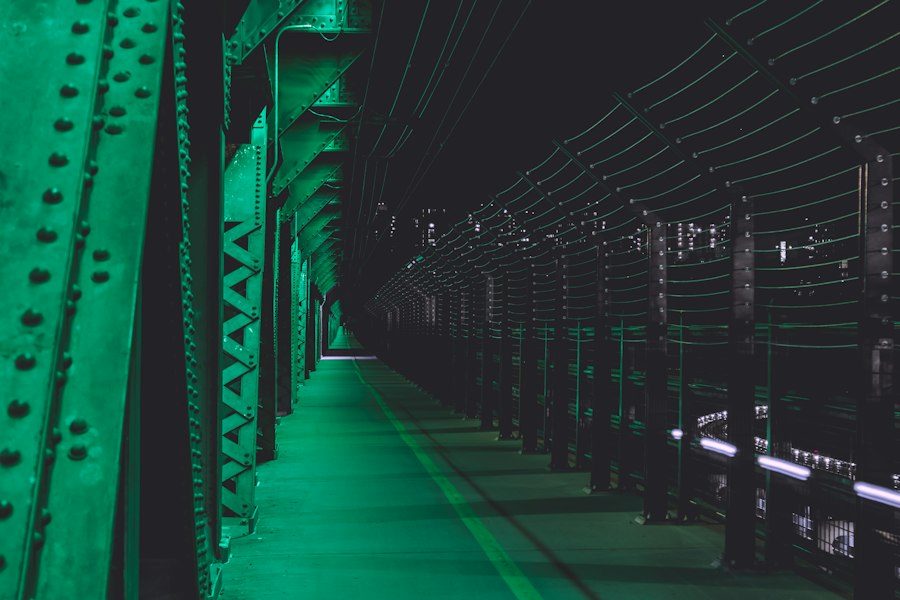
Designing a dark warehouse isn’t simply about taking an existing building and filling it with robots. It requires a fundamental rethinking of the physical space from the ground up. The goal is to create an environment optimized for machine movement, sensor effectiveness, and energy efficiency. Every element, from the floor slab to the roof height, impacts the overall performance and cost-effectiveness of the automated systems.
Floor Slab and Structural Integrity
This might seem basic, but it’s critically important. Automated systems, especially high-bay AS/RS, exert significant point loads on the floor. The slab must be engineered for extreme flatness, levelness, and load-bearing capacity to prevent equipment malfunction and ensure smooth operation. Uneven surfaces can lead to robot navigation issues, increased wear and tear, and even structural fatigue. For very high-bay systems, the AS/RS racking often forms part of the building’s structural support (rack-supported buildings), meaning the foundation and floor design are intertwined with the storage system itself. The precise tolerances required for these floors are far stricter than for conventional warehouses.
Clear Heights and Column Spacing
Without human height limitations, dark warehouses can maximize vertical space. This means designing for much higher clear ceiling heights to accommodate multi-level AS/RS and robotic stacker cranes. The ability to store inventory upwards drastically increases storage density within the same footprint. Similarly, column spacing needs careful consideration. While fewer columns generally offer more flexibility for human operations, for automated systems, it’s about avoiding obstacles. Large spans are often preferred to give AMRs and other robots unimpeded movement paths, and to allow for the installation of large, integrated equipment without structural interference. The layout of the AS/RS and other fixed automation will often dictate column placement rather than vice-versa.
Environmental Control and Energy Efficiency
This is where the “dark” aspect truly shines. No human presence means no need for extensive heating, cooling, or ventilation systems designed for comfort. Lighting can be minimal or absent, relying on sensors and machine vision systems that often use infrared or other non-visible light spectrums. This leads to significant energy savings. However, there still needs to be environmental control for the equipment. Temperature and humidity levels must be maintained within the operational parameters of the robotics, batteries, and control electronics. This typically involves a much tighter range than human comfort, but without the need to ventilate fresh air for people, the energy consumption can be substantially lower. The insulation and building envelope design become even more crucial to maintain these precise internal conditions with minimal energy input.
Integration of Utilities and Data Infrastructure
Robots and automated systems are data hungry. A robust, high-speed network infrastructure, often fiber-optic, is non-negotiable. This includes wired and wireless connectivity for real-time communication between robots, central control systems, and WMS. Power infrastructure must be stable, redundant, and strategically located for charging stations, AS/RS, conveyors, and all other electrical components. Consideration for future expansion and evolving technology is also key, ensuring that the utility backbone can support upgrades without major structural rework. Think about cable trays, power distribution units, and network access points – all needing to be integrated seamlessly into the building’s fabric.
Safety Protocols for a Human-Free Zone
While designed for human absence, occasional human intervention for maintenance or troubleshooting is inevitable. Therefore, sophisticated safety systems are critical. This includes zoned access control, light curtains, emergency stop buttons accessible at strategic points, and clearly defined safety protocols for humans entering an active automated zone. The layout must allow for safe maintenance paths and designated human-only areas, often physically separated from the automated operations. The challenge is to design safety that protects humans when they are present, without hindering the efficiency of the automated systems when they are not.
Key Technologies Powering Dark Warehouses
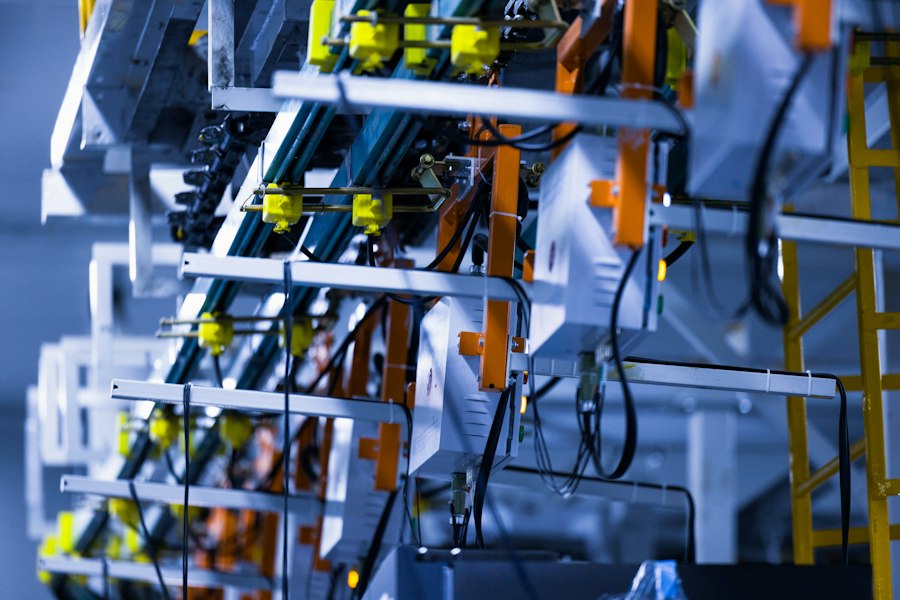
The “lights out” concept isn’t just about turning off the lights; it’s about the sophisticated technology that allows operations to continue flawlessly without human eyes. These technologies work in concert, forming a highly interconnected and intelligent ecosystem.
Automated Storage and Retrieval Systems (AS/RS)
These are the workhorses of dark warehouses. AS/RS come in various forms, from crane-based systems that move vertically and horizontally along fixed rails to retrieve pallets or cartons, to shuttle-based systems that move independently on multiple levels within racks.
They are specifically designed for high-density storage and rapid throughput. Mini-load AS/RS handle smaller items, while unit-load AS/RS manage pallets. These systems are incredibly precise, capable of identifying and retrieving specific SKUs within seconds, often interacting directly with inbound and outbound conveyor systems or robotic picking stations.
Their ability to stack incredibly high and navigate tight spaces is a primary driver of the dark warehouse’s space efficiency.
Autonomous Mobile Robots (AMRs) and AGVs
AMRs and AGVs handle the internal transportation needs. AGVs (Automated Guided Vehicles) follow predefined paths, often marked by wires, magnetic strips, or lasers. They are excellent for repetitive, fixed-route tasks.
AMRs (Autonomous Mobile Robots), on the other hand, are more intelligent. They use sensors (Lidar, cameras, ultrasonic) and onboard mapping capabilities to navigate dynamic environments, avoiding obstacles and finding the most efficient routes. They are crucial for moving goods between different zones, delivering items to robotic picking stations, or transporting finished orders to shipping docks.
Their flexibility allows for rapid reconfiguration of workflows without needing to alter the physical infrastructure. Some AMRs are even equipped with robotic arms for piece picking or case handling.
Robotic Picking and Sortation Systems
For individual item handling, robotic picking arms are essential. These robots utilize advanced vision systems, machine learning, and sophisticated gripping technologies (vacuum, pneumatic, multi-finger grippers) to pick a wide variety of items with high accuracy and speed.
They can handle delicate items, irregular shapes, and rapidly adapt to new product introductions. Once items are picked or received, automated sortation systems, often a combination of high-speed conveyors, diverters, and specialized sorting machines, ensure that products are directed to the correct packing stations, outbound lanes, or storage locations.
This minimizes manual intervention in the most labor-intensive parts of the fulfillment process.
Warehouse Management and Control Systems (WMS/WCS)
These software platforms are the brains of the operation. The WMS handles the overarching logistics functions: inventory management, order processing, labor management (though mostly for machines in a dark warehouse), and shipping.
It optimizes storage locations and picking strategies. The WCS (Warehouse Control System) acts as the real-time orchestrator, translating the WMS’s high-level instructions into concrete actions for each automated piece of equipment. It manages the flow of materials, directs robots, schedules tasks, and monitors the performance of all automated systems, ensuring seamless communication and coordination across the entire facility.
The integration between WMS, WCS, and the enterprise resource planning (ERP) system is crucial for a truly automated and responsive supply chain.
Machine Vision and Sensor Technology
Machine vision systems are the “eyes” of the dark warehouse. They perform tasks like barcode scanning, quality inspection, dimensioning, object recognition for robotic picking, and defect detection. High-resolution cameras, often paired with AI and deep learning algorithms, allow robots to “see” and understand their environment.
Lidar (Light Detection and Ranging) and ultrasonic sensors are vital for robot navigation, collision avoidance, and ensuring safe distances. RFID (Radio-Frequency Identification) technology is often used for rapid inventory tracking and verification without needing line of sight. These sensors provide the continuous stream of data that enables the WMS/WCS to make informed decisions and maintain precise control over every operation.
Operational Benefits and Challenges
Embracing the dark warehouse model comes with a compelling list of advantages, but it’s equally important to understand the complexities and potential hurdles involved in implementation and ongoing management. It’s not a silver bullet, but a strategic investment requiring careful planning.
Significant Operational Advantages
The primary draw of dark warehouses is the substantial improvement in operational efficiency and cost reduction. As mentioned, reduced labor costs are a major factor, as the need for human personnel is drastically minimized. This also means operations are unaffected by labor shortages, strikes, or wage increases.
Increased throughput and 24/7 operation are transformative. Machines don’t need breaks, holidays, or shifts, allowing for continuous processing and fulfillment, which is critical for e-commerce and just-in-time inventory models. The precision and accuracy of automated systems virtually eliminate human error in picking, packing, and inventory management, leading to fewer returns and higher customer satisfaction.
Optimized space utilization is another key benefit. Robots can work in higher, denser storage configurations and narrower aisles than humans, effectively increasing a warehouse’s capacity without expanding its physical footprint. Finally, enhanced safety for human personnel is achieved by removing them from potentially hazardous environments, while also offering the ability to operate in conditions unsuitable for people (e.g., extreme temperatures).
Addressing the Implementation Hurdles
While the benefits are clear, the path to a dark warehouse isn’t without its challenges. The initial capital investment is substantial. The cost of advanced robotics, AS/RS, sophisticated software, and specialized infrastructure can be in the tens of millions, requiring a strong business case and financial commitment.
Technological complexity and integration pose another hurdle. Integrating diverse systems from different vendors (robots, AS/RS, WMS, WCS) to work seamlessly is a complex undertaking, requiring specialized expertise in IT, automation, and project management. There’s also the challenge of system downtime. While robots are reliable, unexpected breakdowns can halt operations. Redundancy planning, preventative maintenance, and rapid response protocols are essential to minimize such disruptions.
Adaptability to change is another consideration. While adaptable, modifying fully integrated automated systems to handle new product lines, packaging changes, or entirely new workflows can be more complex and costly than adjusting manual processes. Finally, cybersecurity becomes paramount. A highly automated and interconnected system is a prime target for cyber threats, necessitating robust security protocols to protect data and operational integrity.
In exploring the innovative concepts behind Automated Dark Warehouses, a fascinating article on selecting the best laptop for architects can provide valuable insights into the technological tools that support modern design and logistics. As architects increasingly rely on advanced software to create efficient layouts for these lights-out facilities, understanding the hardware that complements their work becomes essential. For more information on this topic, you can read the article here.
The Future Trajectory of Lights-Out Logistics
| Metric | Description | Value / Specification | Unit |
|---|---|---|---|
| Warehouse Size | Total floor area of the automated dark warehouse | 50,000 | square meters |
| Storage Capacity | Number of storage bins or pallet positions | 120,000 | units |
| Robotic Fleet Size | Number of autonomous mobile robots (AMRs) operating simultaneously | 300 | robots |
| Picking Speed | Average number of items picked per hour per robot | 600 | items/hour |
| Order Throughput | Number of orders processed per day | 15,000 | orders/day |
| System Uptime | Operational availability of the automated system | 99.8 | % |
| Energy Consumption | Average energy usage per day for warehouse operations | 1,200 | kWh/day |
| Labor Reduction | Percentage reduction in human labor compared to traditional warehouses | 85 | % |
| Inventory Accuracy | Accuracy rate of inventory tracking and management | 99.9 | % |
| Average Order Lead Time | Time from order placement to shipment | 30 | minutes |
The concept of automated dark warehouses is not static; it’s an evolving field with continuous advancements. Looking ahead, several trends are shaping the next generation of these facilities, making them even more intelligent, flexible, and integrated into the broader supply chain ecosystem.
Enhanced AI and Machine Learning
The role of artificial intelligence and machine learning is set to deepen significantly. Currently, AI is used for route optimization, predictive maintenance, and basic vision tasks. In the future, we’ll see AI taking on more complex decision-making, such as dynamic slotting of inventory based on real-time demand fluctuations, sophisticated demand forecasting that directly informs automated picking strategies, and even self-learning robots that adapt their gripping techniques for new, unknown items on the fly. Machine learning will also further refine robot navigation, making AMRs even more adept at operating in highly dynamic and unpredictable environments within the warehouse.
Greater Robot-to-Robot Collaboration
As automation matures, the focus will shift from individual robots performing tasks to highly coordinated fleets working together seamlessly. This includes different types of robots collaborating – for example, an AS/RS retrieving items, an AMR transporting them, and a robotic arm performing piece picking, all orchestrated in real-time. This advanced collaboration will be facilitated by more sophisticated WCS platforms acting as central nervous systems, optimizing the entire workflow rather than just individual robotic movements. The aim is to create a truly fluid, interconnected system where handoffs between different automated components are instantaneous and error-free.
Modular and Scalable Automation Solutions
The high upfront cost of fully dark warehouses can be a barrier. Future trends will likely lean towards more modular and scalable automation solutions. This means businesses can start with a certain level of automation (e.g., specific AS/RS or a fleet of AMRs) and then incrementally add more as their needs grow and as capital becomes available. This “automation as a service” or modular approach will make dark warehouse concepts more accessible to a broader range of companies, allowing for easier expansion, reconfiguration, and technology upgrades without completely overhauling the entire facility. This flexibility will also be crucial for adapting to rapid changes in market demand or product portfolios.
Integration with End-to-End Supply Chain
Dark warehouses won’t operate in isolation. Their future lies in deep integration with the entire end-to-end supply chain. This means real-time data exchange with suppliers, transportation networks, and last-mile delivery services. Imagine a scenario where a dark warehouse automatically adjusts its inbound receiving schedule based on a delayed supplier shipment, or reroutes outbound orders based on real-time traffic conditions. This level of connectivity, powered by IoT (Internet of Things) sensors and advanced analytics across the entire supply chain, will enable unprecedented levels of efficiency, responsiveness, and resilience, turning the dark warehouse into a truly intelligent hub within a connected logistics network.
Sustainability and Energy Optimization
While current dark warehouses already offer energy savings by turning off lights and optimizing climate control, future designs will push sustainability even further. This includes greater reliance on renewable energy sources (solar, wind), more efficient robotic systems that consume less power, and advanced building materials that minimize energy loss. Predictive analytics will optimize energy usage based on predicted workload, adjusting power consumption for various systems. The focus will be on creating not just dark, but also “green” warehouses, further reducing the environmental footprint of logistics operations.
FAQs
What are automated dark warehouses?
Automated dark warehouses are facilities designed for logistics operations that rely heavily on automation and robotics, minimizing or eliminating the need for human presence. These warehouses operate with advanced technologies such as automated storage and retrieval systems, conveyor systems, and artificial intelligence to manage inventory and fulfill orders efficiently, often without any lighting since human workers are not present.
How do automated dark warehouses improve logistics efficiency?
These warehouses enhance logistics efficiency by streamlining operations through automation, which reduces labor costs and minimizes human error. The use of robotics allows for faster processing of orders, optimized space utilization, and improved inventory management. Additionally, automated systems can operate continuously, leading to increased throughput and quicker turnaround times for order fulfillment.
What technologies are commonly used in automated dark warehouses?
Common technologies in automated dark warehouses include automated guided vehicles (AGVs), robotic picking systems, automated storage and retrieval systems (AS/RS), and sophisticated warehouse management software. These technologies work together to facilitate seamless operations, from receiving goods to picking and shipping orders, all while maintaining high levels of accuracy and efficiency.
What are the benefits of using lights-out logistics?
The benefits of lights-out logistics include significant cost savings due to reduced labor expenses, enhanced operational efficiency, and the ability to operate 24/7 without the need for lighting. This approach also minimizes the risk of human error and can lead to improved safety within the warehouse environment, as automated systems can handle hazardous tasks.
What challenges do companies face when implementing automated dark warehouses?
Companies may face several challenges when implementing automated dark warehouses, including high initial capital investment for technology and infrastructure, the need for specialized skills to manage and maintain automated systems, and potential integration issues with existing supply chain processes. Additionally, companies must consider the impact on workforce dynamics and the need for retraining employees for new roles in a more automated environment.
Enjoying our content? Make us a preferred source on Google:
Add us as a Preferred Source on Google