

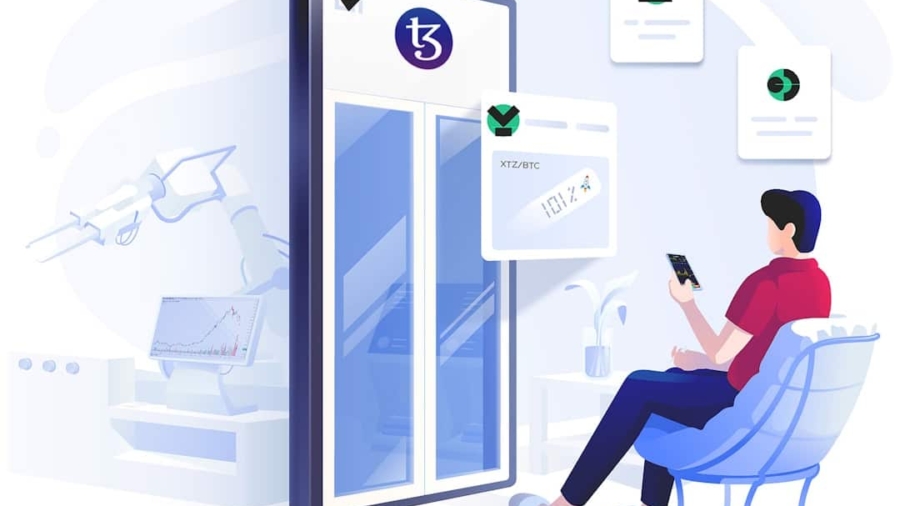
Integrating Web3 into your e-commerce platform isn’t about jumping on a trending bandwagon; it’s about exploring new ways to build customer loyalty, enhance security, and create novel shopping experiences. At its core, Web3 integration for e-commerce means leveraging blockchain technology, decentralization, and token-based economics to fundamentally change how transactions happen, how customers interact with brands, and even how products are owned. Think beyond just accepting crypto – it’s about a deeper, more transformative shift.
Before we dive into the ‘how,’ let’s clarify the ‘why.’ Web3 offers a suite of technologies that can address some long-standing challenges in e-commerce, while also opening doors to entirely new business models. It’s not just about a new payment method; it’s about a new paradigm for ownership, trust, and community.
Moving Beyond Centralized Control
Traditional e-commerce platforms rely heavily on centralized entities to manage data, process payments, and verify identities. This creates single points of failure, raises privacy concerns, and limits innovation. Web3, with its decentralized nature, aims to distribute these functions, giving more control back to users and fostering a more transparent ecosystem. This means less reliance on intermediaries and potentially lower transaction costs and faster dispute resolution.
Enhancing Customer Trust and Data Security
Data breaches are a constant threat in the centralized web. Web3’s cryptographic security and decentralized ledgers offer a more robust way to protect sensitive customer information. When customers feel their data is secure and they have more control over it, their trust in your brand naturally increases. This is a powerful differentiator in a competitive market.
Cultivating Loyalty and Community
Web3 isn’t just about transactions; it’s about building communities around shared values and ownership. Through tokenization, brands can create loyalty programs that offer actual ownership stakes or exclusive access, fostering a deeper connection than traditional discount codes ever could. This moves customers from passive consumers to active participants in your brand’s journey.
As e-commerce platforms increasingly look to enhance their operations and customer experiences, exploring innovative technologies becomes essential.
One related article that delves into the importance of integrating advanced software solutions is “Best Software for Fault Tree Analysis in 2023.” This piece highlights how robust analytical tools can improve decision-making processes and operational efficiencies, which are crucial for successful Web3 integration strategies in e-commerce. For more insights, you can read the article here: Best Software for Fault Tree Analysis in 2023.
Key Takeaways
- Clear communication is essential for effective teamwork
- Active listening is crucial for understanding team members’ perspectives
- Setting clear goals and expectations helps to keep the team focused
- Regular feedback and open communication can help address any issues early on
- Celebrating achievements and milestones can boost team morale and motivation
Core Web3 Integration Strategies
So, what does this actually look like in practice? Here are some concrete strategies you can start exploring. Remember, you don’t have to do everything at once. Start small, experiment, and learn.
Implementing Cryptocurrency Payments
This is often the entry point for many e-commerce businesses dipping their toes into Web3, and for good reason.
Accepting crypto payments offers several immediate benefits, but it also comes with its own set of considerations.
Benefits of Crypto Payments
- Expanded Customer Base: You tap into a growing segment of consumers who prefer to transact in cryptocurrencies. This can include early adopters, tech-savvy individuals, and those living in regions with unstable local currencies.
- Lower Transaction Fees: Depending on the blockchain and the payment processor, crypto transaction fees can sometimes be lower than traditional credit card processing fees, especially for international transactions.
- Faster Settlement Times: Some cryptocurrencies offer near-instant settlement, reducing the time it takes for funds to clear compared to traditional banking systems.
- Reduced Chargebacks: Crypto transactions, once confirmed on the blockchain, are generally irreversible, significantly reducing the risk of chargebacks which plague traditional e-commerce.
Practical Considerations for Crypto Payments
- Choice of Cryptocurrencies: You don’t need to accept every crypto under the sun. Focus on major, stable ones like Bitcoin (BTC), Ethereum (ETH), and stablecoins like USDC or USDT to mitigate volatility risks.
- Payment Gateways: You’ll need a reliable crypto payment gateway. Companies like Coinbase Commerce, BitPay, or Shopify’s native integrations can simplify the process, handling conversions, wallet management, and accounting.
- Volatility Management: This is crucial. If you accept volatile assets like BTC, you need a strategy. Many payment gateways offer instant conversion to fiat currency upon receipt, protecting you from price swings.
- Regulatory Compliance: Understand the tax implications and regulatory requirements for accepting crypto in your jurisdiction. This is a rapidly evolving area, so staying informed is key.
Leveraging NFTs for Product Ownership and Loyalty
Non-Fungible Tokens (NFTs) are perhaps the most exciting Web3 application for e-commerce beyond payments. NFTs can represent unique digital or physical assets, transforming how customers interact with products and loyalty programs.
Digital Collectibles and Enhancements
- Limited Edition Drops: Create exclusive digital collectibles (NFTs) that complement physical products, offering them as bonuses for purchases, or selling them as standalone items. This creates unique value and scarcity.
- Digital Twins and Authenticity: For high-value physical goods (luxury items, art), an NFT can serve as a digital certificate of authenticity, tracking provenance and ownership on the blockchain. This combats counterfeiting and enhances trust.
- Exclusive Content Access: Owning a specific NFT could grant access to exclusive brand content, private events, early product releases, or even metaverse experiences. This builds an exclusive community around your brand.
Token-Gated Experiences and Loyalty Programs
- NFT as a Membership Pass: Instead of traditional loyalty cards, your customers could own an NFT that acts as a digital membership pass. This pass could unlock tiered discounts, VIP customer service, or special product access.
- Gamified Loyalty: Design loyalty programs where customers earn NFTs as they achieve certain milestones (e.g., reaching a spending threshold, referring friends). These NFTs could then be traded, upgraded, or combined for greater rewards.
- Community Governance (DAOs): For highly engaged communities, consider token-gated access to a Decentralized Autonomous Organization (DAO) where NFT holders have a say in product development, marketing campaigns, or charitable initiatives. This gives customers a real stake in your brand’s future.
Building Decentralized Identity and Data Ownership
The current web forces users to create multiple accounts and trust different platforms with their personal data. Web3 aims to give individuals more control over their digital identity and personal information.
Self-Sovereign Identity (SSI)
- Reduced Friction: Instead of creating a new account for every e-commerce site, users could present a verifiable credential from their digital wallet, confirming their identity without sharing all underlying personal data. This streamlines the onboarding process.
- Privacy Enhancement: Customers choose exactly what information they share with your platform. For example, they might prove they are over 18 without revealing their exact birth date. This fosters greater trust.
- Data Portability: With SSI, users own their data. If they decide to leave your platform, they can take their data with them, rather than it remaining siloed in your databases. This respects user autonomy.
Tokenizing Customer Data for Opt-in Rewards
- Ethical Data Monetization: Instead of passively collecting and selling customer data, platforms could offer customers the option to tokenize their data (e.g., browsing history, purchase preferences) and explicitly grant permission for its use in exchange for crypto rewards or exclusive benefits.
- Direct Customer Engagement: This fosters a more transparent and equitable relationship around data. Customers are compensated for their data, and businesses get access to higher-quality, ethically-sourced information for personalization.
Technical Implementation Considerations

Jumping into Web3 isn’t just about setting up a crypto wallet. There are significant technical aspects to consider for a seamless and secure integration.
Choosing the Right Blockchain
Not all blockchains are created equal. Your choice will impact transaction speeds, costs, security, and the developer ecosystem.
Key Blockchain Features to Evaluate
- Scalability: Can the blockchain handle a high volume of transactions without becoming congested or expensive?
(e.g., Solana, Polygon, layer-2 solutions like Arbitrum on Ethereum).
- Security: How robust is the network’s security against attacks? (e.g., established chains like Ethereum, Bitcoin offer high security).
- Cost (Gas Fees): What are the transaction fees? High gas fees can make micropayments or frequent interactions impractical (e.g., Ethereum mainnet can be expensive; Polygon or Avalanche offer lower fees).
- Developer Ecosystem: Is there a strong community and tools available for developers?
(e.g., Ethereum has a vast and mature ecosystem).
- Environmental Impact: For environmentally conscious brands, consider blockchains with a lower carbon footprint (e.g., Proof-of-Stake chains like Ethereum 2.0, Solana, Cardano).
Integrating Wallets and Payment Gateways
This is the glue that connects your platform to the blockchain. Users will need a way to connect their digital wallets and initiate transactions.
Wallet Integration Best Practices
- Support Popular Wallets: Integrate with widely used wallets like MetaMask, WalletConnect, Phantom, etc., to ensure broad accessibility for your users.
- User-Friendly Interface: Make the wallet connection process intuitive. Provide clear instructions and visual cues.
- Security Audits: Ensure any wallet integration code undergoes thorough security audits to prevent vulnerabilities.
Backend Infrastructure and Smart Contracts
- Smart Contract Development: For advanced features like NFTs or token-gated access, you’ll need to develop and deploy smart contracts.
This requires expertise in languages like Solidity (for Ethereum-compatible chains).
- Decentralized Storage: Consider using decentralized storage solutions like IPFS for storing NFT metadata or other relevant data, adding another layer of decentralization and censorship resistance.
- API Integrations: You’ll likely need to integrate with various Web3 APIs (e.g., for real-time blockchain data, NFT marketplaces, or identity solutions) to power your Web3 features.
Marketing and User Experience in Web3 E-commerce

Simply implementing Web3 features isn’t enough. You need to effectively communicate their value to your audience and ensure a smooth user experience.
Educating Your Audience
The Web3 space is still new to many. Don’t assume your customers understand concepts like gas fees, seed phrases, or minting.
Clear Explanations and Onboarding
- Glossaries and FAQs: Create easily accessible resources explaining Web3 terminology, how wallets work, and the benefits of your Web3 features.
- Step-by-Step Guides: Provide clear, concise instructions for connecting wallets, making crypto payments, or acquiring NFTs. Use visuals and videos where appropriate.
- Customer Support: Train your support team to handle Web3-related inquiries. Consider dedicated Web3 support channels.
Designing Intuitive Web3 Experiences
The goal is to make Web3 feel as seamless as traditional e-commerce, not more complex.
Streamlined User Journeys
- Minimal Friction: Reduce the number of steps required for Web3 interactions. If a user needs to connect a wallet, make it a single-click process where possible.
- Feedback and Confirmation: Provide clear visual feedback at every stage of a Web3 transaction (e.g., “Wallet Connected,” “Transaction Pending,” “Payment Confirmed”).
- Error Handling: Clearly explain any errors that occur and guide users on how to resolve them.
- Mobile Responsiveness: Ensure your Web3 integrations work flawlessly on mobile devices, as many users interact with Web3 through mobile apps.
Building Community Around Web3 Initiatives
Web3 thrives on community. Your integration efforts should extend beyond technology to foster engagement.
Engaging with Web3 Communities
- Social Media: Actively participate in Web3 communities on platforms like Twitter, Discord, and Telegram. Share updates, answer questions, and gather feedback.
- Community Events: Host AMAs (Ask Me Anything) sessions, virtual meetups, or live streams to discuss your Web3 initiatives and engage directly with your audience.
- Co-creation: Involve your community in decision-making processes, especially for NFT drops or loyalty program features. This builds a sense of ownership and advocacy.
As e-commerce platforms increasingly look to enhance their user experience and security, exploring effective Web3 integration strategies has become essential. A related article that delves into innovative approaches for leveraging decentralized technologies can be found at best software for house plans. This resource provides valuable insights that can help e-commerce businesses navigate the complexities of adopting blockchain solutions while improving customer engagement and trust.
Risks and Challenges to Consider
| Integration Strategy | Advantages | Challenges |
|---|---|---|
| Decentralized Marketplaces | Increased security, lower fees, access to global customer base | Complexity of integrating with existing systems, potential regulatory issues |
| Blockchain-based Payments | Fast and secure transactions, reduced fraud, lower transaction costs | User adoption, volatility of cryptocurrencies, regulatory uncertainty |
| Smart Contracts for Supply Chain | Transparency, traceability, reduced fraud, automated processes | Integration with existing supply chain systems, standardization of smart contract protocols |
| Decentralized Identity Management | Enhanced security, privacy, reduced identity theft | User adoption, interoperability with existing identity systems |
While the opportunities are significant, ignoring potential pitfalls would be naive. A measured approach involves understanding and mitigating these risks.
Regulatory Uncertainty
The regulatory landscape for cryptocurrencies and NFTs is constantly evolving and varies significantly by jurisdiction.
Staying Informed and Compliant
- Legal Counsel: Engage with legal experts specializing in blockchain and digital asset law to ensure your strategies comply with current and anticipated regulations.
- Geographic Restrictions: Be aware of regions where certain Web3 activities (e.g., specific crypto payments, NFT sales) might be restricted or require special licenses.
- Tax Implications: Understand the tax treatment of crypto payments, NFT sales, and rewards for both your business and your customers.
Security Vulnerabilities
Decentralization doesn’t automatically mean impenetrable security. Smart contracts can have bugs, and users can be vulnerable to phishing.
Proactive Security Measures
- Smart Contract Audits: Before deploying any smart contracts (for NFTs, loyalty tokens, etc.), have them rigorously audited by independent security firms.
- Cold Storage for Funds: For significant crypto holdings, prioritize cold storage solutions (hardware wallets) to protect against online hacks.
- User Education on Scams: Educate your users about common Web3 scams (phishing, fake websites) and emphasize the importance of securing their seed phrases.
- Multi-Factor Authentication: Implement MFA for any platform accounts that interact with your Web3 features.
User Adoption and Education
The biggest hurdle for Web3 adoption is often the complexity for new users.
Bridging the Knowledge Gap
- Simplified Language: Avoid jargon. Explain complex concepts in simple, relatable terms.
- Accessible Tutorials: Provide easy-to-follow guides and videos.
- Dedicated Support: Offer robust customer support for Web3-related queries, acknowledging that many users will be new to the space.
- Pilot Programs: Consider running small pilot programs with early adopters to iron out kinks and gather feedback before a wider rollout.
Integrating Web3 into e-commerce is not a minor tweak; it’s a strategic evolution. It demands careful planning, technical expertise, and a commitment to user education. However, for those willing to navigate the complexities, the potential for enhanced customer engagement, stronger brand loyalty, and innovative business models is truly compelling. Start small, learn continuously, and build the future of e-commerce.
FAQs
What is Web3 Integration?
Web3 integration refers to the process of incorporating decentralized technologies, such as blockchain and smart contracts, into traditional web platforms to enable new functionalities and capabilities.
How can Web3 Integration benefit E-commerce Platforms?
Web3 integration can benefit e-commerce platforms by providing increased security, transparency, and trust through decentralized payment systems, supply chain management, and customer data protection.
What are some Web3 Integration Strategies for E-commerce Platforms?
Some Web3 integration strategies for e-commerce platforms include implementing blockchain-based payment systems, utilizing smart contracts for automated order fulfillment, and leveraging decentralized identity solutions for customer authentication.
What are the Challenges of Web3 Integration for E-commerce Platforms?
Challenges of Web3 integration for e-commerce platforms include scalability issues, regulatory compliance, user adoption of decentralized technologies, and the complexity of integrating existing systems with Web3 solutions.
What are some Examples of Successful Web3 Integration in E-commerce?
Examples of successful Web3 integration in e-commerce include platforms that have implemented blockchain-based loyalty programs, decentralized marketplaces for peer-to-peer transactions, and supply chain management solutions using smart contracts.
Enjoying our content? Make us a preferred source on Google:
Add us as a Preferred Source on Google