

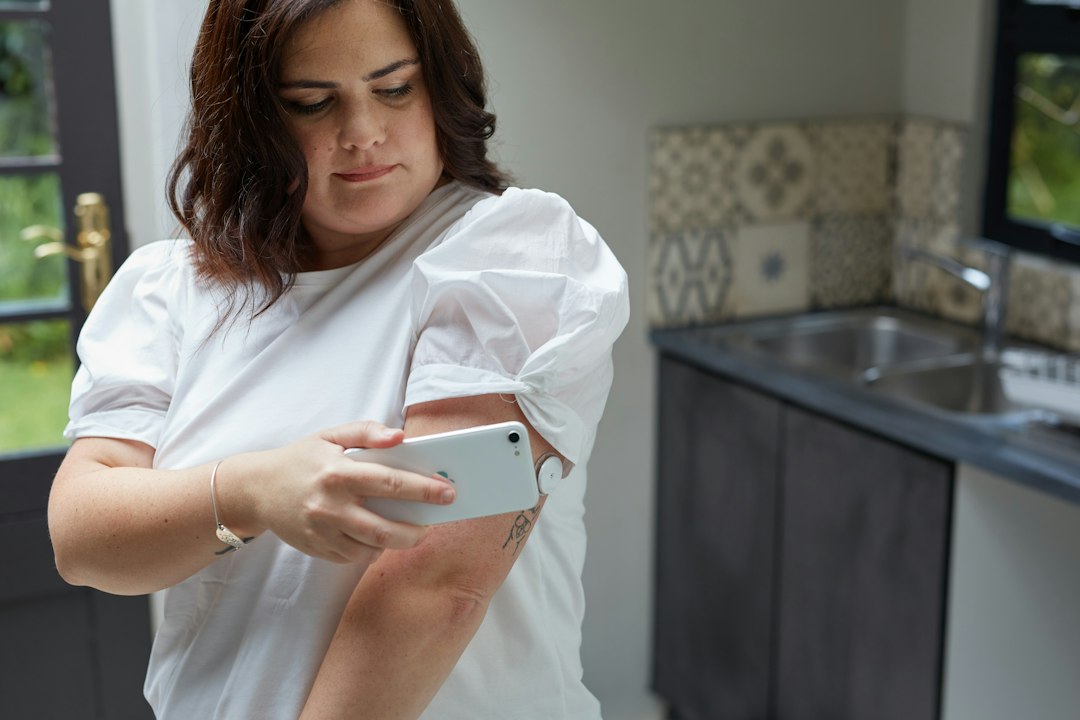
Wearables are fundamentally changing how we approach ‘hospital-at-home’ for chronic illnesses. They provide continuous, real-time data that helps healthcare providers monitor patients outside of traditional clinical settings, often catching potential issues before they become emergencies. This allows for more personalized, proactive care, improving outcomes and patient quality of life while reducing the burden on acute care facilities.
The Foundation of Hospital-at-Home with Wearables
Moving serious medical care from a hospital bed to a patient’s couch might sound futuristic, but it’s becoming a practical reality, especially for managing chronic conditions. The secret sauce? Wearable technology. These aren’t just fancy fitness trackers anymore; they’re sophisticated medical devices capable of gathering a wealth of health data right from a patient’s body.
Imagine a patient with heart failure. Instead of waiting for their next clinic appointment, or worse, an emergency room visit when symptoms worsen, a small patch on their chest could be constantly sending data about their heart rate, rhythm, and even signs of fluid retention. This continuous stream of information allows clinicians to intervene much earlier, adjusting medications or offering advice before the situation escalates.
The core idea here is ‘remote patient monitoring’ (RPM), and wearables are its backbone. They bridge the gap between doctor visits, transforming intermittent snapshots of a patient’s health into a dynamic, ongoing narrative. This shift from reactive to proactive care is what makes hospital-at-home models so appealing and effective for long-term health management. It’s about empowering patients to live fuller lives while still receiving high-quality medical oversight, all from the comfort and familiarity of their own homes.
Understanding Wearable Technology in RPM
When we talk about wearables in RPM, we’re not just referring to smartwatches, though they certainly play a role.
The ecosystem is much broader and more specialized.
Think about devices designed for specific medical purposes:
- Continuous Glucose Monitors (CGMs): These small patches stick to the skin and measure glucose levels in interstitial fluid every few minutes, transmitting data wirelessly. For people with diabetes, this is a game-changer, eliminating multiple daily finger pricks and providing a much clearer picture of blood sugar trends, helping to prevent both hyperglycemic and hypoglycemic events.
- Smart Patches: Beyond CGMs, these adhesive patches can monitor a range of vital signs like ECG (electrocardiogram) for heart rhythm abnormalities, respiratory rate, skin temperature, and even activity levels. They’re often designed to be discreet and comfortable for long-term wear.
- Wearable Blood Pressure Monitors: While traditional cuffs are still used, newer wearable options are emerging that can offer more frequent or even continuous blood pressure readings, providing invaluable data for managing hypertension.
- Pulse Oximeters: Small devices, often clipped to a finger, that measure oxygen saturation in the blood. For conditions like COPD or heart failure, monitoring oxygen levels is crucial. Wearable versions can provide continuous data, alerting caregivers if levels drop.
- Smart Scales and Sleep Trackers: While seemingly basic, these contribute to a holistic view. A smart scale can track weight fluctuations, a key indicator for conditions like heart failure (fluid retention). Sleep trackers can identify patterns that might indicate sleep apnea or other issues impacting overall health.
The key across all these devices is their ability to automatically collect data and transmit it, usually via Bluetooth to a smartphone or a dedicated gateway, which then sends it to a secure cloud platform accessible by the healthcare team. This automation reduces patient burden and increases the frequency and reliability of data collection compared to manual logging.
The Role of Data in Optimizing Protocols
Data is the fuel that powers effective hospital-at-home protocols. Without it, clinicians are flying blind. Wearables provide a constant stream of objective data points that, when analyzed, paint a comprehensive picture of a patient’s physiological state.
Consider a patient managing chronic obstructive pulmonary disease (COPD). A wearable pulse oximeter might show a gradual decline in oxygen saturation overnight, even if the patient feels fine. This subtle change, picked up by the RPM system, could trigger an alert to the care team. They might then proactively reach out, discuss symptoms, or even arrange a tele-visit to adjust medication or recommend breathing exercises, potentially preventing an exacerbation that would have otherwise led to an emergency room visit.
This data allows for:
- Early Detection: Catching subtle physiological changes before they manifest as severe symptoms.
- Personalized Interventions: Tailoring treatment plans based on a patient’s unique and dynamic physiological responses, rather than relying on generalized guidelines or infrequent clinic visits.
- Trend Analysis: Identifying patterns over time that might indicate disease progression, treatment effectiveness, or the need for a protocol adjustment. For instance, consistent small weight gains over a few days could signal fluid retention in a heart failure patient, prompting a diuretic adjustment.
- Patient Engagement: When patients see their own data, they often become more engaged in their care. Understanding how their activity levels or dietary choices impact their glucose readings can motivate them to adhere to treatment plans.
The optimization of hospital-at-home protocols hinges on how effectively this data is collected, transmitted, processed, and acted upon. It’s not just about having the data; it’s about having systems in place that make that data actionable for clinicians and understandable for patients.
In the context of advancing healthcare technologies, the article on Wearables in Remote Patient Monitoring: Optimizing Hospital-at-Home Protocols for Chronic Illness highlights the significant role that wearable devices play in enhancing patient care. For further insights into the integration of technology in healthcare, you may find the related article on the Enicomp website particularly informative. It discusses innovative solutions and strategies for improving patient outcomes through technology. You can read more about it here: Enicomp Article.
Key Takeaways
- The training data includes information and events up to October 2023.
- Insights and knowledge are based on a wide range of sources available until the cutoff date.
- No updates or developments occurring after October 2023 are included in the training.
- Users should verify current information from reliable sources for the latest updates.
- The model’s responses reflect the context and knowledge available up to the specified date.
Designing Effective Hospital-at-Home Protocols
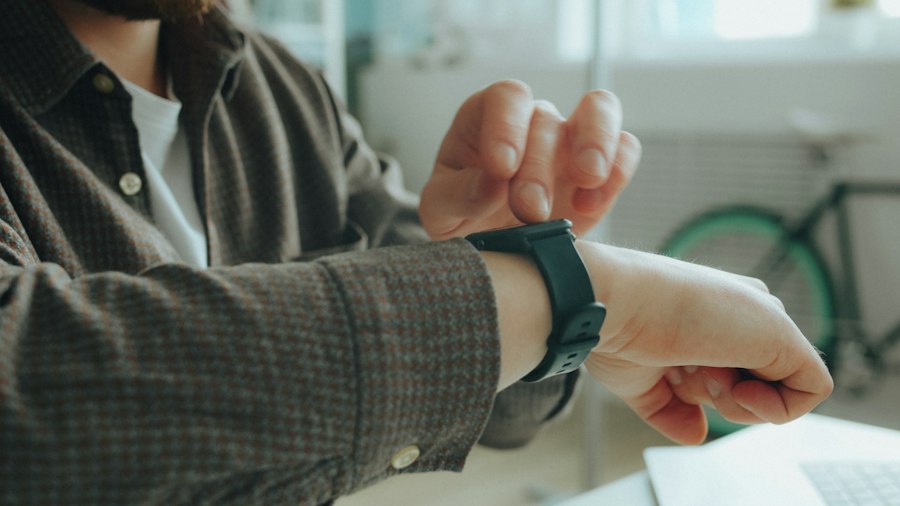
Simply handing a patient a wearable isn’t enough; robust protocols are essential for making hospital-at-home effective and safe. These protocols are the blueprints that guide everything from patient selection to data interpretation and clinical response. Without them, the technology becomes a novelty rather than a life-saving tool.
Effective protocols need to be tailored to specific chronic conditions, as the monitoring needs of someone with diabetes are very different from someone managing heart failure. They also need to be flexible enough to adapt to individual patient needs and evolving clinical evidence. The goal is to create a seamless, supportive environment that mimics the benefits of a hospital stay without the institutional confines.
Patient Selection and Onboarding
Not every patient with a chronic illness is an ideal candidate for a hospital-at-home program, especially one heavily reliant on wearables. Careful selection is crucial for success and safety.
Key considerations for patient selection include:
- Clinical Stability: Patients need to be medically stable enough to be managed outside a high-acuity setting. While the program is for acute care at home, it’s not for critically unstable patients requiring immediate, intensive intervention.
- Cognitive Ability: Patients must have the cognitive capacity to understand instructions, operate the wearable devices (even if simple), and communicate symptoms effectively.
- Social Support: A reliable support system at home (family, friends, caregivers) can be invaluable, especially for older patients or those with some limitations. They can help with device placement, troubleshooting, and communication.
- Access to Technology: While many programs provide necessary devices, patients need to have basic internet access or cellular service where they live for data transmission.
- Motivation and Engagement: Patients who are motivated to participate in their own care and are comfortable with technology tend to do best.
Once selected, the onboarding process is critical.
This is where patients and their caregivers learn how to use the wearable devices, understand what data is being collected, and know what to do if they have questions or concerns.
This typically involves:
- Hands-on Training: Demonstrating how to apply and wear devices, troubleshoot common issues, and understand charging requirements.
- Education on Data: Explaining what information the device collects and how it contributes to their care.
- Clear Communication Pathways: Providing specific contact information for technical support and clinical questions, outlining when and how to reach out.
- Setting Expectations: Clarifying the roles of the patient, caregivers, and the clinical team within the hospital-at-home model.
A well-executed onboarding process significantly boosts patient confidence and adherence, which are crucial for the program’s overall effectiveness.
Data Management and Alert Systems
The sheer volume of data generated by multiple wearables on multiple patients can be overwhelming if not managed properly. An effective data management system is at the heart of any successful RPM program.
This system needs to:
- Securely Collect and Store Data: Adhering to strict privacy regulations (like HIPAA) is non-negotiable. Data must be encrypted both in transit and at rest.
- Integrate Data Sources: Ideally, data from various wearables, patient-reported outcomes, and electronic health records (EHRs) should be consolidated into a single, comprehensive view for clinicians.
- Present Data Intuitively: Clinicians shouldn’t have to wade through raw numbers. Dashboards with clear graphs, trends, and summary statistics are essential for quick interpretation.
- Enable Customization: Different patients will have different baselines and thresholds. The system should allow clinicians to set personalized alerts based on individual patient parameters.
Alert systems are the mechanism by which the data translates into actionable insights. These aren’t just generic alarms; they are sophisticated notifications designed to draw attention to deviations from a patient’s normal physiological range or critical thresholds.
Effective alert systems feature:
- Tiered Alerting: Not all alerts are equally urgent. A tiered system (e.g., low, medium, high priority) helps clinicians prioritize their responses. A slight elevation in heart rate might be a low priority, while a sudden drop in oxygen saturation could be high priority.
- Contextual Information: Alerts should ideally provide context – which device generated the alert, the specific reading, and the trend leading up to it.
- Clear Escalation Pathways: What happens when an alert fires? The protocol needs to define who receives the alert, what action should be taken, and within what timeframe. This might involve a nurse calling the patient, a doctor reviewing the data, or even dispatching emergency services in critical situations.
- Minimizing Alert Fatigue: Too many false alarms can lead to clinicians ignoring alerts. Systems need to be intelligent enough to filter out noise, often through algorithms that consider multiple data points or trends rather than just a single anomalous reading. Machine learning can play a significant role here, learning what constitutes a “real” problem versus a transient fluctuation.
The combination of robust data management and intelligent alert systems ensures that critical information doesn’t get lost in the shuffle and that clinicians can focus their attention where it’s most needed.
Clinical Workflow Integration and Staffing
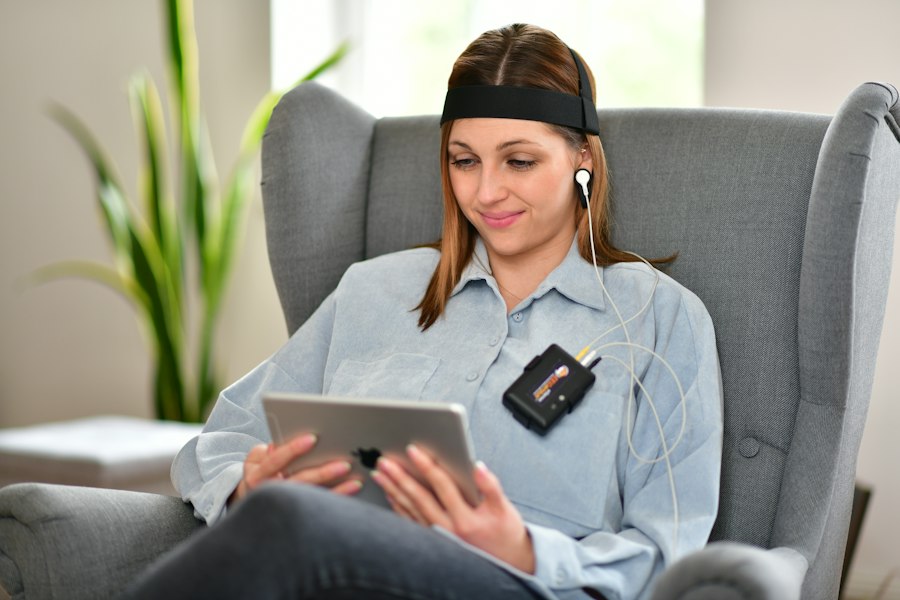
Introducing wearables and remote monitoring into hospital-at-home programs isn’t just about new technology; it fundamentally alters clinical workflows. For these programs to succeed, these changes must be carefully planned and integrated, and the care team must be appropriately staffed and trained. Trying to shoehorn new tech into old processes often leads to frustration and inefficiency.
The aim is to create a seamless, efficient process where clinicians can leverage the data from wearables to provide timely, high-quality care without being overwhelmed or bogged down by administrative tasks.
This requires thinking about how data flows, who acts on it, and what new roles might be needed.
Adapting Clinical Workflows for RPM Data
Traditional clinical workflows are often built around episodic, in-person visits. Remote monitoring flips this, demanding continuous oversight and a more proactive approach. Adapting these workflows involves several key areas:
- Shift from Reactive to Proactive: Instead of waiting for a patient to report symptoms, the workflow starts with reviewing data trends and proactively identifying potential issues.
This might involve daily reviews of patient dashboards by designated nurses or care coordinators.
- Streamlined Data Review: Clinicians need efficient tools to review vast amounts of data. This means intuitive dashboards that highlight deviations, trends, and patient-reported symptoms. The workflow should minimize clicks and maximize useful information at a glance.
- Defined Triage and Response Protocols: What happens when an alert is triggered or a concerning trend is identified? There must be clear, step-by-step protocols for:
- Initial Assessment: Who reviews the alert first?
What information do they gather?
- Patient Contact: When and how should the patient be contacted? Is it a phone call, video visit, or secure message?
- Escalation: At what point does an issue need to be escalated to a physician, and what information is necessary for that escalation?
- Intervention: What are the standard interventions for common issues (e.g., medication adjustment, referral for further testing, in-person visit)?
- Documentation: How is all this documented? The RPM platform should ideally integrate with the EHR to minimize duplicate data entry and ensure all actions and patient communications are recorded appropriately.
- Virtual Consultations: The workflow needs to integrate telehealth capabilities seamlessly.
Many issues identified through RPM can be addressed via video or phone calls, reducing the need for in-person visits.
- Care Coordination: For complex patients, the RPM team needs to coordinate closely with the patient’s primary care physician, specialists, and other home health services to ensure a unified care plan.
The goal is to move from a “wait and see” approach to an “anticipate and act” model, where clinical resources are deployed strategically based on real-time patient data.
Staffing and Training for RPM Success
A successful hospital-at-home program with wearables requires a dedicated, well-trained team. It’s not just about adding technology; it’s about building the human infrastructure to support it.
Key staffing roles often include:
- RPM Nurses/Care Coordinators: These are often the front line. They monitor patient data, respond to alerts, conduct virtual check-ins, provide patient education, and coordinate care.
They need strong clinical assessment skills, comfort with technology, and excellent communication abilities.
- RPM Physicians/Physician Assistants: They provide medical oversight, review complex cases, adjust medication regimens, and make critical decisions based on RPM data. They must be comfortable practicing medicine remotely and interpreting data from wearables.
- Technical Support Staff: To assist patients and clinicians with device setup, connectivity issues, and software troubleshooting. This ensures that technical glitches don’t disrupt patient care.
- Data Analysts/Informaticists: Especially in larger programs, these individuals can help identify trends, optimize alert thresholds, and evaluate program effectiveness, using the aggregated data to continuously improve protocols.
Training is paramount for all staff involved:
- Device Proficiency: All clinical staff need to understand how each wearable device works, its limitations, and common troubleshooting steps.
- Platform Navigation: Comprehensive training on the RPM platform, including data dashboards, alert management, communication tools, and documentation features.
- Clinical Protocol Adherence: Clear and consistent training on all established clinical protocols for responding to different types of alerts and patient presentations.
- Telehealth Etiquette and Skills: For nurses and physicians, training on how to conduct effective virtual consultations, build rapport remotely, and perform remote assessments.
- Patient Education Techniques: Staff need to be adept at teaching patients and caregivers how to use the technology and understand their role in the program.
- Cybersecurity and Data Privacy: Mandatory training on protecting patient information and adhering to all relevant privacy regulations.
Investing in a skilled and supported team is just as important as investing in the technology itself.
Without the right people, even the most advanced wearables won’t deliver on their promise.
Measuring Success and Continuous Improvement
Launching a hospital-at-home program with wearables is just the beginning. To truly optimize these protocols for chronic illness, there needs to be a robust system in place for measuring what’s working (and what’s not) and a commitment to continuous refinement. This isn’t a “set it and forget it” endeavor; it’s an ongoing process of learning and adaptation.
Effective evaluation helps justify the investment, improve patient outcomes, and ensure that resources are being used wisely. It allows programs to evolve from good to great, consistently enhancing the quality and efficiency of care delivered in the home.
Key Performance Indicators (KPIs) for Evaluation
Measuring the success of hospital-at-home RPM programs requires tracking a range of indicators that reflect clinical effectiveness, operational efficiency, and patient satisfaction.
Clinical Outcomes: These are paramount, demonstrating the direct impact on patient health.
- Hospital Readmission Rates: A significant reduction in readmissions for the target chronic condition (e.g., heart failure, COPD) is a primary indicator of success.
- Emergency Department (ED) Visits: Similar to readmissions, fewer ED visits for exacerbations of the chronic condition indicate effective preventive care.
- Disease-Specific Metrics:
- For Diabetes: Improved HbA1c levels, reduced incidence of hypoglycemic or hyperglycemic events.
- For Heart Failure: Reduced fluid retention (monitored by weight), fewer acute decompensations.
- For COPD: Improved oxygen saturation, fewer exacerbations requiring steroids or antibiotics.
- Medication Adherence: Tracking if patients are taking their medications as prescribed, often indirectly through improved health metrics or patient self-report.
- Mortality Rates: While a long-term metric, significant reductions are the ultimate measure of improved care.
Operational Efficiency and Cost-Effectiveness: These metrics assess the program’s impact on resource utilization and financial viability.
- Cost Savings: Comparing the cost of managing patients in the home setting versus traditional hospital care, including reduced readmissions and ED visits.
- Provider Workload: Measuring the efficiency of clinician time spent per patient, including time spent reviewing data and conducting virtual visits.
- Alert-to-Intervention Time: How quickly are alerts responded to, and appropriate interventions initiated?
- Device Adherence Rates: The percentage of time patients consistently wear their devices and transmit data. Low adherence can indicate issues with device usability or patient engagement.
- Resource Utilization: Tracking the number of virtual visits versus in-person visits or home health aide deployments.
Patient and Provider Experience: These qualitative and quantitative measures assess satisfaction and usability.
- Patient Satisfaction Scores: Surveys measuring patient comfort with the technology, perceived quality of care, and overall experience with the program.
- Provider Satisfaction: Surveys assessing clinician ease of use with the RPM platform, perceived effectiveness of the program, and overall job satisfaction.
- Technical Support Requests: Tracking the volume and nature of technical issues, which can highlight areas for device or platform improvement.
By regularly reviewing these KPIs, healthcare organizations can gain a comprehensive understanding of their program’s performance.
Iterative Protocol Refinement
Data from KPIs isn’t just for reporting; it’s the engine for continuous improvement. Protocol refinement is an iterative process, constantly evolving based on real-world experience and evidence.
Steps in iterative protocol refinement include:
- Data Collection and Analysis: Regularly gather all relevant KPI data. Use advanced analytics to identify trends, outliers, and correlations. For example, if a particular wearable device consistently shows low adherence, investigate why. Is it uncomfortable? Is the charging process difficult?
- Identify Areas for Improvement: Based on the data analysis, pinpoint specific aspects of the protocol that could be optimized. This might involve:
- Adjusting Alert Thresholds: If there are too many false alerts, thresholds might be too sensitive. If critical events are being missed, they might be too lenient.
- Revising Communication Pathways: If patients frequently report confusion about who to contact, communication protocols need simplification.
- Optimizing Onboarding: If device adherence is low, the initial training process might need to be enhanced.
- Streamlining Workflows: If clinicians report excessive time spent on documentation or data review, integrate systems or automate tasks.
- Implement Changes: Based on identified areas, make specific, targeted adjustments to the protocols. This could involve updating training materials, modifying software settings, or altering staffing assignments.
- Monitor and Re-evaluate: After implementing changes, continue to monitor the relevant KPIs to see if the adjustments have had the desired effect. This closes the loop and starts the cycle again.
- Pilot New Technologies: The wearable landscape is constantly evolving. Continuously evaluate new devices or software features that could further enhance the program. Pilot these innovations with a small group of patients before broad rollout.
- Gather Feedback: Beyond quantitative data, actively solicit qualitative feedback from patients, caregivers, and clinical staff. Their lived experiences can provide invaluable insights that numbers alone might miss. Regular focus groups or suggestion boxes can be useful.
This cyclical approach ensures that hospital-at-home protocols remain dynamic, responsive, and maximally effective. It’s about building a learning system that continually adapts to deliver the best possible care for patients with chronic illnesses.
In the evolving landscape of healthcare, the integration of wearables in remote patient monitoring is proving essential for optimizing hospital-at-home protocols for chronic illness management. A related article discusses how technology decision-makers can identify the right tools to enhance patient care and streamline operations. For more insights on this topic, you can explore the article on technology decision-making in healthcare. This resource highlights the importance of selecting appropriate technologies to support innovative care models, ultimately improving patient outcomes and operational efficiency.
The Future of Wearables in Home-Based Chronic Care
| Metric | Description | Value / Range | Impact on Hospital-at-Home Protocols |
|---|---|---|---|
| Patient Adherence Rate | Percentage of patients consistently using wearables as prescribed | 85% – 95% | Higher adherence improves data reliability and timely interventions |
| Data Transmission Frequency | How often wearable devices send patient data to healthcare providers | Every 5 to 15 minutes | Enables near real-time monitoring and rapid response to changes |
| Vital Signs Monitored | Key physiological parameters tracked by wearables | Heart rate, blood pressure, oxygen saturation, respiratory rate, glucose levels | Comprehensive monitoring supports early detection of complications |
| Reduction in Hospital Readmissions | Decrease in readmission rates due to remote monitoring | 20% – 40% | Indicates effectiveness of wearables in managing chronic illness remotely |
| Average Response Time to Alerts | Time taken by healthcare team to respond to abnormal readings | Less than 15 minutes | Critical for preventing exacerbations and emergency visits |
| Battery Life of Devices | Duration wearables operate before needing recharge | 3 to 7 days | Longer battery life reduces interruptions in monitoring |
| Patient Satisfaction Score | Patient-reported satisfaction with wearable monitoring experience | 4.2 / 5 (average) | Higher satisfaction correlates with better engagement and outcomes |
| Cost Savings per Patient | Estimated reduction in healthcare costs due to remote monitoring | 15% – 30% | Supports scalability and sustainability of hospital-at-home programs |
The current capabilities of wearables in hospital-at-home programs are impressive, but they’re just scratching the surface. The pace of technological innovation, coupled with a growing demand for personalized, convenient healthcare, suggests a future where these devices become even more integrated, intelligent, and indispensable in managing chronic illness from the comfort of one’s home.
We’re moving towards a paradigm where healthcare isn’t just delivered in episodes but is a continuous, ambient presence, woven into the fabric of daily life through technology. This shift promises not only better health outcomes but also a more dignified and less disruptive experience for those living with long-term conditions.
Advancements in Sensor Technology and AI Integration
The core of any wearable is its sensor technology, and this area is seeing rapid development. We can anticipate wearables becoming:
- More Comprehensive and Miniaturized: Imagine a single, discreet patch or even an implanted micro-sensor that monitors a dozen physiological parameters simultaneously – not just heart rate and oxygen, but hydration levels, inflammation markers, specific biomarkers for disease progression, and even early signs of infection. This “multimodal” sensing will provide a much richer dataset.
- More Accurate and Non-Invasive: While current wearables are good, future sensors will be even more precise, approaching clinical-grade accuracy without the need for cumbersome equipment or invasive procedures. For example, non-invasive continuous blood pressure monitoring or even glucose monitoring without any skin penetration are active areas of research.
- Biochemical Sensing: Beyond physical vital signs, future wearables will increasingly incorporate biochemical sensing. This means devices capable of analyzing sweat, tears, or even exhaled breath to detect metabolic changes, stress hormones, or early signs of disease. For instance, a wearable might detect subtle changes in sweat composition indicative of impending kidney issues or electrolyte imbalances.
- Contextual Awareness: Wearables will not just collect data but also understand the context. Integrating with GPS, calendars, and other smart home devices, they could understand if a heart rate spike is due to exercise, stress, or a potential medical issue.
The real game-changer, however, will be the deeper integration of Artificial Intelligence (AI) and Machine Learning (ML) with this advanced sensor data.
- Predictive Analytics: AI algorithms will move beyond simply identifying anomalies to predicting future health events. For instance, an AI could analyze a patient’s sleep patterns, activity levels, heart rate variability, and historical data to predict a heart failure exacerbation days before symptoms become evident, allowing for proactive intervention.
- Personalized Baselines: AI will learn each patient’s unique physiological baseline and patterns, making alerts incredibly personalized and reducing false positives. What’s normal for one patient might be a cause for concern in another, and AI will be able to distinguish this.
- Automated Insights: Instead of clinicians having to sift through dashboards, AI will generate clear, actionable insights and recommendations. “Patient X shows early signs of fluid retention; consider increasing diuretic by Z mg,” or “Patient Y’s glucose levels indicate a need for dietary review.”
- Closed-Loop Systems: In the more distant future, AI could enable closed-loop systems, where, for example, a wearable CGM integrates with an insulin pump, automatically adjusting insulin delivery based on real-time glucose readings, creating a truly artificial pancreas system.
These advancements will empower hospital-at-home programs to deliver even more precise, preventive, and autonomous care, significantly reducing the burden on patients and healthcare systems alike.
Ethical Considerations and Equity of Access
As wearables become more powerful and integrated into chronic care, important ethical considerations and questions of equity of access must be addressed. It’s crucial to build a future where these technologies benefit everyone, not just a privileged few.
Ethical Considerations:
- Data Privacy and Security: With more sensitive and comprehensive data being collected, the need for robust cybersecurity measures and strict adherence to privacy regulations becomes even more critical. Patients need absolute assurance that their most intimate health data is protected from breaches and misuse.
- Algorithmic Bias: AI systems are only as good as the data they’re trained on. If training data lacks diversity, algorithms can perpetuate or even amplify existing health disparities, leading to biased predictions or recommendations for certain demographic groups. Rigorous testing and diverse datasets are essential.
- Autonomy vs. Surveillance: While continuous monitoring is beneficial, there’s a fine line between care and surveillance. Patients need to feel they are in control of their data and have agency over how and when they are monitored, avoiding a feeling of being constantly watched by their healthcare provider. Clear consent processes and opt-out options are crucial.
- Over-reliance on Technology: Clinicians must guard against becoming overly reliant on technology, potentially losing touch with the human aspect of patient care or missing nuances that only in-person interaction can provide. The technology should augment, not replace, clinical judgment and human empathy.
- Responsibility and Liability: Who is responsible if a wearable or an AI algorithm makes an error that leads to adverse patient outcomes? Clear frameworks for liability will be necessary as these systems become more autonomous.
Equity of Access:
- Cost and Affordability: Advanced wearables and RPM services can be expensive. Ensuring these technologies are covered by insurance and are accessible to patients across all socioeconomic strata is vital to prevent widening health disparities.
- Digital Divide: Not everyone has reliable internet access, smartphones, or the digital literacy required to use these technologies. Programs must address the “digital divide” by providing necessary equipment, training, and support to underserved populations.
- Cultural Competency: Technology and care models need to be designed with cultural considerations in mind, ensuring they are acceptable and understandable across diverse patient populations.
- Language Barriers: Instructions, interfaces, and support services must be available in multiple languages to ensure all patients can participate effectively.
- Accessibility for Disabilities: Devices and platforms must be designed to be accessible for individuals with various disabilities, including visual, hearing, and motor impairments.
Addressing these ethical and equity challenges proactively will be critical for the widespread, responsible, and beneficial adoption of wearables in home-based chronic care. The goal is to leverage technology to create a more inclusive, effective, and human-centered healthcare system, not just a technologically advanced one.
FAQs
What are wearables in the context of remote patient monitoring?
Wearables refer to electronic devices that can be worn on the body, such as smartwatches, fitness trackers, and medical-grade sensors. In remote patient monitoring, these devices collect health data such as heart rate, blood pressure, and activity levels, allowing healthcare providers to monitor patients’ conditions from a distance.
How do wearables improve hospital-at-home protocols for chronic illness?
Wearables enhance hospital-at-home protocols by providing continuous, real-time health data, which helps healthcare providers make informed decisions about patient care. This data can lead to timely interventions, reduce hospital readmissions, and improve overall patient outcomes by allowing for personalized treatment plans based on individual health metrics.
What types of chronic illnesses can benefit from remote monitoring using wearables?
Chronic illnesses such as diabetes, heart disease, hypertension, and respiratory conditions can significantly benefit from remote monitoring using wearables. These devices enable patients to track their symptoms and vital signs, facilitating proactive management of their conditions and reducing the need for in-person visits.
Are there any privacy concerns associated with using wearables for remote patient monitoring?
Yes, privacy concerns exist regarding the collection and transmission of personal health data through wearables. It is crucial for healthcare providers and manufacturers to implement robust data security measures and comply with regulations such as HIPAA to protect patient information and ensure confidentiality.
What role do healthcare providers play in the use of wearables for remote monitoring?
Healthcare providers play a critical role in integrating wearables into patient care by selecting appropriate devices, interpreting the data collected, and adjusting treatment plans accordingly. They also educate patients on how to use these devices effectively and ensure that the data is used to enhance patient engagement and adherence to treatment protocols.
Enjoying our content? Make us a preferred source on Google:
Add us as a Preferred Source on Google