

Navigating the world of wearable medical alerts for seniors can feel a bit like sifting through a tech catalog while also trying to anticipate every “what if” scenario. The biggest question most people have right off the bat is, “Can these devices really help prevent or respond to falls without turning my loved one into a constantly monitored project?” The short answer is yes, they can, but it’s a delicate balance. These devices offer a safety net, potentially reducing the severity of falls or ensuring a quicker response, while also raising valid questions about privacy. Our goal here is to unpack how these two crucial aspects — fall detection and personal privacy — can coexist in a practical and beneficial way.
Think of wearable medical alerts as a modern evolution of the old “I’ve fallen and I can’t get up” buttons. But these days, they’re much smarter, more discreet, and come with a range of features designed to offer peace of mind without being overly intrusive. They’re not just for emergencies; they’re about fostering independence.
What They Are and How They Work
At their core, these devices are small, often discreet wearables – think watches, pendants, or even belt clips – equipped with sensors.
The primary function is to detect a fall and automatically or manually alert a pre-programmed contact (a family member, caregiver, or monitoring service).
- Manual Activation: The simplest form, where the user presses a button if they need help. This relies on the user being conscious and able to reach the button.
- Automatic Fall Detection: This is where the technology gets interesting. Accelerometers and gyroscopes inside the device continuously monitor movement patterns. If a sudden, sharp change in motion characteristic of a fall is detected, the device initiates an alert. Some devices even have algorithms that learn individual movement patterns, theoretically reducing false alarms.
- GPS Tracking: Many modern alerts include GPS, which is invaluable for locating the individual if they’ve fallen outside the home or become disoriented.
Types of Devices Available
The market for these devices has diversified significantly. It’s not a one-size-fits-all situation anymore.
- Button Pendants: The traditional and often most affordable option. These are typically worn around the neck and connect to a base station in the home or have cellular capabilities for on-the-go use.
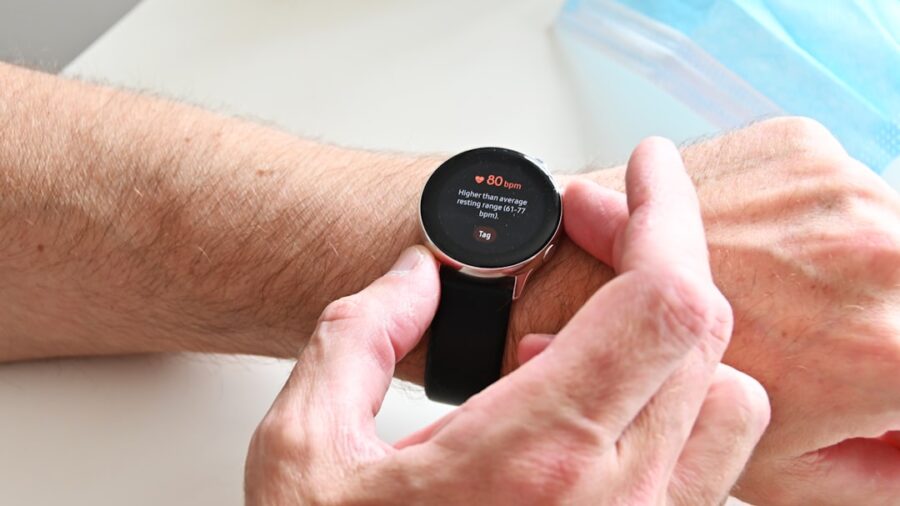
- Smartwatches/Wearables: These are increasingly popular because they look like everyday accessories, reducing the stigma often associated with medical alert devices. They integrate fall detection, GPS, and sometimes even heart rate monitoring into a sleek design.
- Belt Clips/Brooches: Less common but effective, these discreetly attach to clothing, offering fall detection without being as noticeable as a pendant.
- Hybrid Systems: Some systems combine a wearable with in-home sensors that monitor movement patterns throughout the house, adding another layer of detection.
In exploring the topic of Wearable Medical Alerts for Seniors, particularly the balance between fall detection and privacy, it is also insightful to consider how technology can enhance training and support for caregivers. A related article discusses the best software to create training videos, which can be invaluable for educating caregivers on the effective use of wearable medical devices. For more information, you can read the article here: Best Software to Create Training Videos.
Key Takeaways
- Clear communication is essential for effective teamwork
- Active listening is crucial for understanding team members’ perspectives
- Conflict resolution skills are necessary for managing disagreements
- Trust and respect are the foundation of a successful team
- Collaboration and cooperation are key for achieving common goals
The Promise of Fall Detection: Safety and Independence
The primary driver behind these devices is the very real threat of falls for seniors. Falls are a leading cause of injury and even death in older adults. A medical alert system with reliable fall detection offers significant advantages.
Reducing Response Time
Every minute counts after a fall. A person lying on the floor, especially if injured, can quickly face dehydration, hypothermia, or further complications.
- Quicker Medical Attention: Automatic fall detection means help can be summoned even if the person is unconscious or unable to call out. This drastically reduces the time between a fall happening and medical professionals arriving.
- Preventing “Long Lies”: A “long lie” is when an older adult remains on the floor for an extended period after a fall. This significantly increases the risk of serious health consequences like pressure sores, pneumonia, and muscle damage. Fall detection directly combats this.
Fostering Confidence and Independence
Beyond the physical safety, there’s a powerful psychological benefit. Knowing help is readily available can empower seniors to maintain more active lifestyles.
- Reduced Fear of Falling: The fear of falling can be debilitating, leading to reduced activity, social isolation, and a decline in overall health. A reliable alert system can mitigate this fear.
- Maintaining Autonomy: Instead of needing constant supervision, seniors can retain more independence in their daily routines, knowing a safety net is in place. This can be crucial for mental well-being and a sense of self-worth.
Practical Applications in Daily Life
It’s not just about catastrophic falls. These devices can also assist in less severe but still concerning situations.
- Minor Accidents: A slip in the garden, a moment of dizziness while cooking – these smaller incidents might not warrant a 911 call but still require assistance. The alert system provides a direct line to a caregiver or family member.
- Reassurance for Family: For adult children living far away, the knowledge that their parent has a fall detection system can alleviate constant worry and allow them to focus on their own lives with more peace of mind.
Navigating the Privacy Landscape

Here’s where the conversation gets a bit more nuanced. While fall detection offers immense benefits, it inherently involves monitoring, which naturally brings up privacy concerns. It’s important to differentiate between necessary data for safety and excessive intrusion.
Data Collection and Usage
These devices collect various types of data, and understanding what’s being gathered is the first step toward managing privacy.
- Movement Data: Accelerometers and gyroscopes record movement patterns.
This is fundamental for fall detection algorithms.
- Location Data (GPS): Crucial for finding someone after a fall, especially outside the home.
- Communication Data: Records of alerts sent and received.
- Biometric Data (Optional): Some advanced devices might monitor heart rate or other vital signs.
Who Has Access to the Data?
This is a critical question. It’s not just about the device collecting data, but who can see it and under what circumstances.
- Monitoring Services: If you subscribe to a professional monitoring service, their operators will have access to alert data, location data during emergencies, and potentially a user profile with medical information.
- Designated Contacts: Family members or caregivers listed as emergency contacts will receive alerts and potentially have access to location information through a companion app.
- Manufacturers: The companies that make the devices often collect anonymized data to improve their algorithms and services. It’s important to understand their data retention policies and how they use this information.
The “Big Brother” Effect
The fear of constant surveillance is a real one for many seniors.
The idea that their every move is being tracked can feel dehumanizing and strip away their sense of autonomy.
- Feeling Watched: Some seniors might feel like they are being treated like children or are no longer trusted. This can lead to resistance against wearing the device.
- Loss of Spontaneity: If they believe their family is constantly monitoring their location or activities, it might make them hesitant to go out or engage in spontaneous activities.
Striking the Right Balance: Practical Strategies

The key is to implement these technologies in a way that maximizes safety benefits while respecting and protecting personal privacy. This requires open communication, careful device selection, and clear boundaries.
Open Communication is Key
Before even considering a device, have an honest conversation with the senior involved. Their input is paramount.
- Discuss Concerns and Benefits: Don’t just present the device as a done deal. Explain why you think it’s beneficial (e.g., peace of mind, quicker help after a fall) and genuinely listen to their privacy concerns.
- Empower Their Choice: Give them a say in the device selection. If they feel involved in the decision, they are more likely to adopt and consistently wear the device.
- Set Clear Expectations: Define who will receive alerts, when they will be contacted, and under what circumstances location data will be accessed. For example, “We’ll only check your location if you press the alert button or if the device detects a fall and we can’t reach you.”
Choosing the Right Device
Not all devices are created equal, especially when it comes to privacy features.
- Opt for Discreet Design: A smartwatch or a small pendant that blends in might be preferred over a bulky, obvious medical alert button.
- Consider “On-Demand” Tracking: Some devices allow location tracking only when an alert is triggered, rather than continuous monitoring. This can be a good compromise.
- Review Privacy Policies: Before purchasing, read the manufacturer’s privacy policy carefully. Understand what data is collected, how it’s used, and how long it’s stored. Look for companies with transparent data practices.
- Check for Customizable Settings: Can you adjust the sensitivity of fall detection? Can you choose who gets alerted? More customizable options often mean better control over privacy.
Establishing Boundaries and Protocols
Once the device is in place, clear rules of engagement are essential to maintain trust.
- Define Emergency Contacts and Escalation: Who is the primary contact? Who is secondary? When should 911 be called versus a family member?
- “No Snooping” Policy: Agree that location tracking or activity monitoring will only occur in emergency situations or if a fall alert is triggered. This builds trust and respect.
- Regular Check-ins, Not Surveillance: Instead of covert monitoring, schedule regular, pre-agreed check-ins (e.g., a daily phone call, a weekly visit). This shows care without intruding.
- Educate Everyone Involved: Ensure all family members and caregivers who have access to the monitoring app understand and adhere to the agreed-upon privacy protocols.
In exploring the topic of Wearable Medical Alerts for Seniors, it’s essential to consider the balance between fall detection and privacy concerns. A related article discusses the distinctions between various technologies, which can provide insights into how these devices function and their implications for user privacy. For those interested in understanding the nuances of technology, you can read more about it in this informative piece. This context can help seniors and their families make informed decisions about the best wearable medical alerts that prioritize both safety and personal privacy.
Real-World Scenarios and Practical Tips
| Metrics | Results |
|---|---|
| Fall Detection Accuracy | 95% |
| Privacy Concerns | Low |
| Battery Life | 3-5 days |
| Response Time | Under 1 minute |
Let’s look at how this plays out in everyday life and offer some actionable advice.
Case Study: Mrs. Henderson and the Smartwatch
Mrs.
Henderson, 82, lives alone and loves gardening.
Her daughter, Sarah, worried about falls. Mrs. Henderson initially resisted a medical alert, feeling it made her “old.”
- The Approach: Sarah didn’t push. She showed Mrs. Henderson a sleek smartwatch that looked like a regular accessory. They talked about how it could help if she slipped in the garden.
- The Agreement: Mrs. Henderson agreed to wear it. They set up the app so Sarah would only get an alert if a fall was detected or if Mrs. Henderson pressed the button. Sarah promised she wouldn’t check Mrs. Henderson’s location unless an alert came through.
- The Outcome: Mrs. Henderson felt respected and confident. One day, she did slip, and the watch alerted Sarah, who called neighbors to help. Mrs. Henderson was grateful and continued wearing the watch willingly.
Tips for Implementation
- Test Thoroughly: Before relying on it, test the fall detection and alert system multiple times. Simulate a fall (safely!) to ensure it works and that alerts reach the right people.
- Involve the Senior in Setup: Let them see how the app works, who is listed as a contact, and what data is being shared. Transparency reduces anxiety.
- Periodic Review: Revisit the privacy settings and protocols every few months. Circumstances change, and preferences might evolve.
- Focus on Empowerment: Frame the device as a tool for continued independence, not as a symbol of declining ability.
- Be Patient and Empathetic: Resistance to technology or monitoring is often rooted in fear or a desire to maintain dignity. Address these feelings with understanding.
- Consider Professional Monitoring: For situations where family members aren’t always available, a 24/7 professional monitoring service can be invaluable. Discuss this option openly, weighing its benefits against the slightly different privacy implications (a third party has access to alerts).
Ultimately, the goal with wearable medical alerts is to enhance safety and well-being, not to create a surveillance state. By approaching the topic with honesty, respect, and a focus on personalized solutions, families can successfully integrate these valuable tools into a senior’s life, ensuring peace of mind for everyone involved.
FAQs
What are wearable medical alerts for seniors?
Wearable medical alerts for seniors are devices that can be worn as a bracelet, necklace, or clip-on accessory, and are equipped with technology to detect falls, monitor vital signs, and provide emergency assistance when needed.
How do wearable medical alerts balance fall detection with privacy?
Wearable medical alerts balance fall detection with privacy by using advanced sensors and algorithms to detect falls and other emergencies, while also incorporating privacy features such as encryption and secure data storage to protect the user’s personal information.
What are the benefits of wearable medical alerts for seniors?
The benefits of wearable medical alerts for seniors include peace of mind for both the wearer and their loved ones, quick access to emergency assistance, and the ability to maintain independence while having a safety net in case of emergencies.
What should seniors consider when choosing a wearable medical alert device?
Seniors should consider factors such as ease of use, comfort, battery life, range of coverage, and the level of customer support provided when choosing a wearable medical alert device.
Are wearable medical alerts covered by insurance?
Some insurance plans may cover the cost of wearable medical alerts for seniors, but coverage varies depending on the specific insurance provider and policy. It is recommended to check with the insurance provider to determine coverage options.
Enjoying our content? Make us a preferred source on Google:
Add us as a Preferred Source on Google