

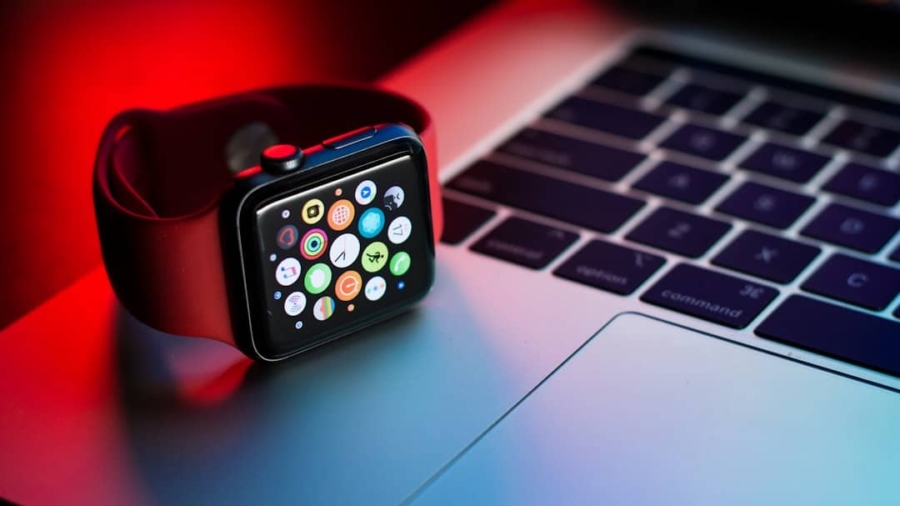
Staying hydrated impacts everything from your focus to your athletic performance. Wearable devices designed for real-time hydration and sweat analysis offer a practical way to keep tabs on your fluid levels and electrolyte balance, giving you the heads-up you need to drink when it counts. Instead of guessing, these gadgets provide data-driven insights, helping you optimize your hydration strategy, whether you’re working out, working an intense job, or just trying to feel your best throughout the day.
You know that feeling when you’re a bit sluggish, maybe a headache creeping in? Often, it’s mild dehydration. But beyond those noticeable signs, even small fluid deficits can affect your cognitive function, physical endurance, and overall well-being. Waiting until you’re thirsty means you’re already behind. Real-time monitoring helps you prevent that dip by providing timely data.
Beyond the Water Bottle
While carrying a water bottle is a great start, it doesn’t tell you how much water you actually need, especially if you’re active or in a hot environment. Factors like your individual sweat rate, activity intensity, duration, and even local humidity all play a part. A simple “drink more water” isn’t always the most precise or personalized advice.
Supporting Performance and Health
For athletes, optimizing hydration is crucial for peak performance and preventing heat-related illnesses. For everyday individuals, staying properly hydrated can boost energy levels, improve concentration, and even support healthy skin and digestion. These devices make that optimization less of a chore and more of an informed process.
In recent advancements in wearable technology, a fascinating article discusses the implications of real-time hydration and sweat analysis through innovative devices. These wearables not only monitor hydration levels but also provide insights into electrolyte balance, which is crucial for athletes and fitness enthusiasts. For further reading on the intersection of technology and real-time data analysis, you can check out this related article on Tesla’s response to Elon Musk’s timeline on full self-driving capabilities at Tesla Refutes Elon Musk’s Timeline on Full Self-Driving.
Key Takeaways
- Clear communication is essential for effective teamwork
- Active listening is crucial for understanding team members’ perspectives
- Setting clear goals and expectations helps to keep the team focused
- Regular feedback and open communication can help address any issues early on
- Celebrating achievements and milestones can boost team morale and motivation
How Wearable Hydration Monitors Work
The technology behind these devices varies, but they generally fall into a few categories, each with its own way of estimating or directly measuring your hydration status.
Sweat Analysis Sensors
These are among the most direct methods. Sensors, often worn like a patch or integrated into a wristband, collect and analyze your sweat.
Electrolyte Concentration
Sweat isn’t just water; it also contains electrolytes like sodium and potassium. The concentration of these electrolytes can indicate how much fluid your body is holding onto. Higher concentrations might suggest you’re losing more fluid than you’re taking in, or simply that you’re a “salty sweater.” These sensors can measure these levels in real-time.
Sweat Rate Volume
Some patches or devices can also estimate your sweat rate – how much you’re sweating per hour. This is vital for understanding your fluid loss and tailoring your intake to match. Knowing you’re losing, say, 1.5 liters of fluid per hour during a run helps you plan your rehydration strategy much more effectively than just guessing.
Bio-Impedance Analysis (BIA)
BIA is a technique that uses a small electrical current to estimate body composition, including total body water. While not typically real-time in the same way a sweat patch is, some wearables use BIA to estimate changes in hydration over time.
How it Works
Electrodes on the device send a tiny, harmless electrical current through your body. Different tissues (fat, muscle, water) conduct electricity differently. By measuring the resistance to this current, the device can estimate the amount of water in your body. It’s important to note that BIA can be influenced by factors like skin temperature, recent food intake, and even your position.
Practical Application
While BIA isn’t typically for moment-by-moment hydration alerts in the middle of a workout, it can be useful for tracking overall hydration trends or assessing morning hydration status. Some smart scales incorporate BIA, giving you a daily snapshot.
Optical Sensors
These sensors often leverage technology similar to what you find in optical heart rate monitors, but they’re looking for different cues.
Skin Properties
Some research devices and prototypes explore using optical changes in the skin – things like skin turgor (elasticity) or blood flow – as indirect indicators of hydration. As your hydration status changes, so do these properties. This is still a developing area for commercially available wearables.
Urine Color (Indirect)
While not a direct internal measurement, some apps and devices help you track your urine color, which is a surprisingly good, albeit basic, indicator of hydration. You simply input the color, and the app gives you feedback. It’s a simple, low-tech way to integrate with a high-tech platform.
Key Features to Look For in a Device

When considering a wearable for hydration, it’s not just about what it measures, but how it presents that information and how easy it is to use.
Real-Time Feedback and Alerts
The biggest advantage of these wearables is the ability to get immediate feedback. Look for devices that offer:
Customizable Hydration Goals
You shouldn’t aim for the same hydration everyone else does. A good device allows you to set personalized goals based on your activity level, body weight, and even environmental factors.
Timely Reminders
It’s easy to get absorbed in what you’re doing and forget to drink.
Devices that provide vibrations, app notifications, or screen alerts when it’s time to take a sip can make a big difference.
Clear Data Visualization
A jumble of numbers isn’t helpful. Look for apps that present your hydration data clearly, with graphs, charts, and simple “you’re good” or “you need to drink” indicators.
Comfort and Practicality
If it’s not comfortable or convenient, you won’t wear it.
Discreet Design
Some devices are sleek wristbands, while others are patches. Consider what fits your lifestyle and activity best.
If you’re using it during sports, make sure it won’t interfere.
Ease of Application/Wear
Patches should be easy to apply and remove, and stay put during activity. Wrist-worn devices should be lightweight and not too bulky.
Battery Life
Real-time monitoring means continuous operation. Check the battery life and how often it needs charging or if patches are single-use.
Integration and Analytics
How does the device fit into your broader health and fitness ecosystem?
Smartphone App Compatibility
Almost all these devices rely on a companion app.
Make sure it’s compatible with your smartphone and operating system.
Data Export and Sharing
If you work with a coach or healthcare professional, the ability to export data can be very useful. Integration with other fitness platforms (like Apple Health, Google Fit, Garmin Connect) can provide a more holistic view of your health.
Long-Term Trend Analysis
Beyond real-time alerts, the ability to see your hydration patterns over days, weeks, or months can help you understand your body better and make lasting behavioral changes.
Who Can Benefit Most?

While anyone can benefit from better hydration, certain groups stand to gain significant advantages from real-time monitoring.
Athletes and Fitness Enthusiasts
Whether you’re a marathon runner, a tennis player, a weightlifter, or just someone who enjoys intense workouts, sweat loss is a major concern.
Endurance Sports
Long-distance runners, cyclists, and triathletes lose significant amounts of fluid and electrolytes. Maintaining optimal hydration is critical for preventing cramps, bonking, and heat exhaustion. These devices help fine-tune ingesting the right amount and type of fluids.
High-Intensity Intervals & Team Sports
Even shorter, high-intensity activities like HIIT or team sports can lead to rapid dehydration. Knowing your sweat rate can help with pre-hydration and rehydration strategies during breaks.
Hot Environments
Exercising in hot or humid conditions drastically increases sweat rates. Real-time monitoring provides an essential safety net and performance boost.
Individuals in Physically Demanding Occupations
People whose jobs involve physical exertion, high temperatures, or both, are at increased risk of dehydration.
Construction Workers
Working outdoors in the heat often means significant fluid loss, which can impair decision-making and lead to heat stress.
Manufacturing and Industrial Workers
Many industrial environments involve high temperatures, leading to constant sweating. Maintaining hydration helps with focus and reduces fatigue.
First Responders & Military Personnel
These roles often involve intense physical activity in unpredictable and sometimes extreme conditions. Accurate hydration monitoring is crucial for operational effectiveness and personal safety.
People with Specific Health Considerations
Doctors might recommend closer hydration monitoring for certain health conditions.
Elderly Individuals
The elderly often have a reduced sense of thirst, making them more prone to dehydration. Wearables can provide timely reminders.
Individuals with Kidney Issues (under medical guidance)
In some cases, people with kidney concerns might need to manage their fluid intake very carefully. These devices, alongside medical advice, could assist. Always consult a healthcare professional for medical advice.
People Prone to Heatstroke
For individuals who have experienced heat-related illnesses before, or those with underlying conditions that make them vulnerable, proactive hydration management is key.
Recent advancements in wearable devices have opened new avenues for real-time hydration and sweat analysis, providing users with valuable insights into their hydration levels and overall health. For those interested in the intersection of technology and health, a related article discusses the latest marketing technologies that are shaping the industry in 2023. You can explore this further in the article found at