

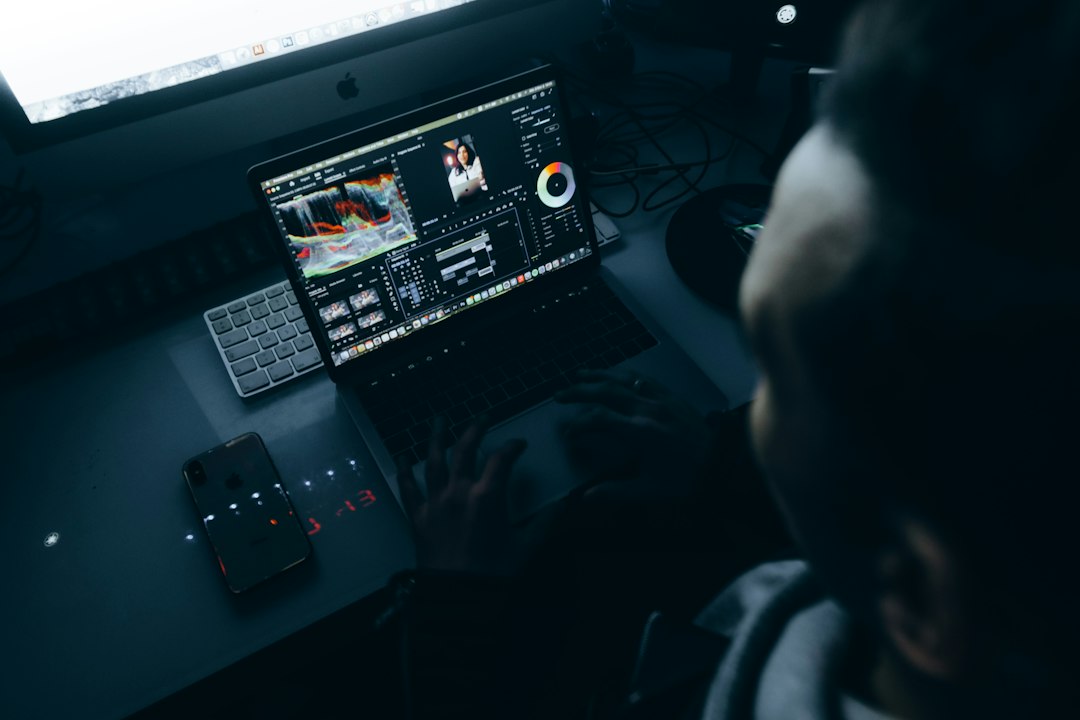
Hey there! Ever wondered if those fancy virtual reality flight simulators are just for games or if they actually help people get real jobs? The short answer is a resounding “yes.” VR and other technical simulators are becoming incredibly important for vocational training, especially in fields like aviation, heavy equipment operation, and specialized technical roles. They’re not just cool tech; they’re genuinely cost-effective tools that help bridge the gap between classroom theory and real-world skills, making trainees job-ready without breaking the bank or putting anyone at unnecessary risk.
The Real Cost-Benefit of Simulation in Training
When we talk about vocational training, particularly in high-stakes fields, the traditional methods often involve significant expenses. Think about pilot training: you need actual aircraft, fuel, maintenance, certified instructors, and airport access. That’s a huge upfront and ongoing cost. Similarly, training heavy equipment operators on real machinery involves fuel, potential damage to expensive equipment, and ensuring safety in a live environment. This is where simulation steps in as a game-changer.
Reducing Operational Expenses
One of the most obvious benefits of using simulators is the direct reduction in operational costs. For instance, a flight simulator doesn’t consume jet fuel. It doesn’t require expensive pre-flight checks or post-flight maintenance on an actual airframe. The “wear and tear” is on computer components and controls, which are significantly cheaper to replace or repair than parts of an aircraft. This principle extends to almost any field where large, expensive, or dangerous equipment is involved. Imagine training welders with virtual reality welding equipment – no expensive materials wasted, no consumables, and no specialized ventilation needed in the initial stages. The savings on materials alone can be substantial.
Mitigating Risk and Enhancing Safety
Safety is paramount in vocational training, especially when dealing with powerful machinery, hazardous materials, or complex systems. Training in a real aircraft carries inherent risks. Operating a crane for the first time on a busy construction site could lead to accidents. Simulators provide a safe, controlled environment where trainees can make mistakes without real-world consequences. They can practice emergency procedures, handle critical failures, and operate under extreme conditions that would be far too dangerous or impractical to replicate with live equipment. This not only protects the trainees but also the equipment and anyone else in the vicinity. By building muscle memory and decision-making skills in a risk-free setting, trainees are much better prepared and safer when they transition to actual equipment.
Accelerating Learning and Skill Acquisition
Simulators often allow for more intensive and focused training sessions. Unlike real-world scenarios where weather, time constraints, or equipment availability might limit practice, simulators can run continuously. Instructors can reset scenarios instantly, allowing trainees to repeat difficult tasks or procedures until mastered. This iterative practice, combined with immediate feedback, accelerates the learning curve. Trainees can explore “what-if” scenarios, experiment with different approaches, and receive data-driven insights into their performance in ways that are simply not possible with traditional methods. This efficiency means trainees can reach proficiency faster, reducing the overall time and cost associated with their training program.
In the realm of vocational training, the integration of virtual reality flight and technical simulators has proven to be a cost-effective solution for aspiring pilots and technicians. A related article discusses how innovative devices, such as the Samsung Galaxy Chromebook, can enhance the learning experience by providing powerful tools for simulation and training. For more insights on how technology is revolutionizing education, you can read the article here: Unlock a New World of Possibilities with the Samsung Galaxy Chromebook.
Key Takeaways
- The training data includes information and events up to October 2023.
- Insights and knowledge are based on a wide range of sources available until the cutoff date.
- No updates or developments occurring after October 2023 are included in the training.
- Users should verify current information from reliable sources for the latest updates.
- The model’s responses reflect the context and knowledge available up to the specified date.
Beyond the Obvious: Deeper Economic Advantages
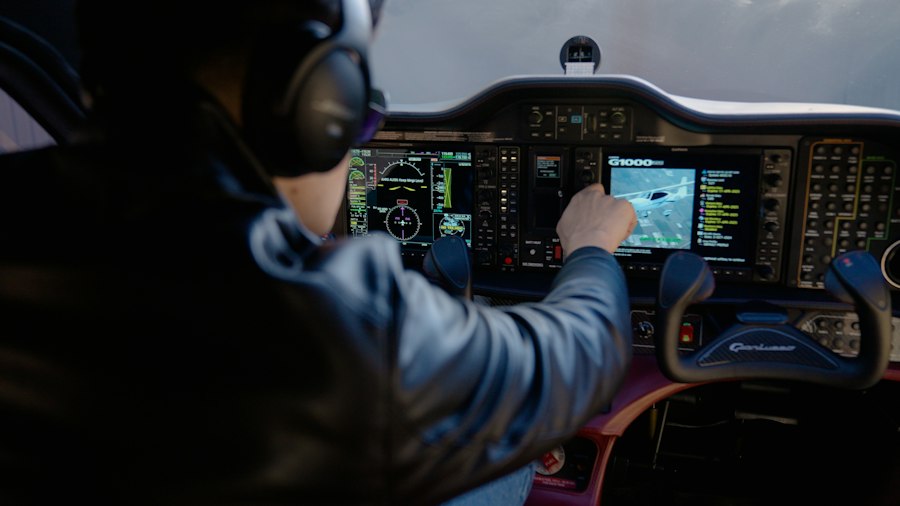
While the direct cost savings and safety aspects are compelling, the economic benefits of virtual reality and technical simulators run deeper, impacting long-term organizational efficiency, recruitment, and even national competitiveness.
Standardized and Consistent Training
One of the challenges with traditional, instructor-led, real-world training is variability. Different instructors might emphasize different aspects, and real-world conditions are rarely identical. Simulators, particularly those with sophisticated programming, offer a highly standardized training environment. Every trainee experiences the same scenarios, conditions, and performance metrics. This consistency ensures a uniform skill level across the workforce, which is crucial for safety and operational efficiency, especially in regulated industries. It also simplifies assessment, as performance can be objectively measured against predefined benchmarks.
Attracting and Retaining Talent
In an increasingly tech-savvy world, vocational training programs that incorporate advanced simulators are often more attractive to prospective students. Younger generations, accustomed to digital interfaces and immersive experiences, may find simulator-based training more engaging and relevant than purely theoretical or outdated practical methods. Furthermore, providing access to cutting-edge technology demonstrates a commitment to innovation and professional development, which can aid in employee retention. Workers who feel their skills are continuously being updated with the latest tools are generally more satisfied and less likely to seek opportunities elsewhere.
Bridging the Skills Gap Efficiently
Many industries face significant skills gaps, with a shortage of qualified professionals in highly specialized roles. Developing these skills through traditional means can be slow and expensive. Simulators offer a powerful tool to rapidly upskill or reskill workers. For example, a veteran mechanic looking to transition to electric vehicle repair might use a VR simulator to learn complex diagnostic procedures without needing access to actual, expensive EV components initially. This agility in training is vital for industries undergoing rapid technological change, allowing them to adapt their workforce more quickly and cost-effectively to meet evolving demands.
Practical Applications Across Diverse Vocations
The utility of VR and technical simulators extends far beyond just aviation, touching numerous sectors where hands-on experience is critical but real-world practice is difficult or expensive.
Aviation: The Gold Standard
Aviation has arguably been at the forefront of simulation technology for decades. Full-motion flight simulators are incredibly sophisticated, replicating cockpit environments, visual cues, and even the G-forces pilots experience.
Pilot Training and Certification
These simulators are indispensable for initial pilot training, instrument rating, type conversions (learning to fly a new aircraft model), and recurrent training. Pilots can practice landings in various weather conditions, navigate complex airspaces, and execute emergency procedures like engine failures or hydraulic system malfunctions—scenarios that would be extremely dangerous to practice in a real aircraft.
Regulators often credit simulator hours towards actual flight time requirements, making training more affordable and accessible.
Air Traffic Control Training
Beyond the cockpit, simulators are crucial for training air traffic controllers. These systems recreate radar screens, radio communications, and visual tower views, allowing controllers to manage complex airspace, handle heavy traffic flows, and respond to emergencies in a safe, controlled environment. This builds critical decision-making skills and stress management without endangering real aircraft or passengers.
Heavy Equipment and Construction
The construction industry utilizes massive, expensive, and potentially dangerous equipment.
Simulators offer a safe and cost-effective way to train operators.
Crane and Excavator Operation
Operators can learn to manipulate controls, understand load capacities, and practice precision movements for cranes, excavators, bulldozers, and other heavy machinery. These simulators often include haptic feedback to mimic the feel of operating the equipment, enhancing realism. This not only reduces fuel costs and wear-and-tear on real machines but also significantly lowers the risk of accidents on active construction sites.
Trainees can practice in a variety of virtual environments, from open fields to crowded urban construction zones.
Mining and Logistics
In mining, simulators train operators for specialized vehicles and drilling equipment, often in underground or hazardous conditions. For logistics, forklift and warehouse equipment simulators teach efficient loading, stacking, and maneuvering in various warehouse layouts, improving safety and productivity.
Healthcare and Medical Procedures
While not traditionally vocational in the same way as aviation, medical training benefits immensely from simulation, equipping professionals with practical skills.
Surgical Simulators
Surgeons can practice complex procedures, from laparoscopic surgery to delicate neurosurgery, on high-fidelity simulators. These systems often provide haptic feedback, allowing trainees to “feel” tissue resistance and instrument interaction. This reduces errors, improves patient outcomes, and allows for extensive practice without risk to real patients.
Emergency Medical Training
Paramedics and emergency responders use simulators to practice triage, patient assessment, intubation, and other life-saving procedures in realistic virtual scenarios, including mass casualty incidents.
This prepares them for high-stress situations without endangering real people.
Industrial and Technical Skills
From welding to advanced manufacturing, simulators are transforming how technical skills are taught.
Welding and Fabrication
VR welding simulators allow trainees to learn proper arc control, bead formation, and joint preparation without consuming expensive welding rods, gas, or metal plates.
They also eliminate exposure to fumes and UV radiation during initial training, making the learning environment safer and more sustainable.
Maintenance and Troubleshooting
For complex machinery in manufacturing plants or power generation facilities, simulators allow technicians to practice diagnostic procedures, component replacement, and system troubleshooting. This reduces downtime on real equipment and ensures technicians are proficient before working on live systems. They can explore intricate schematics and virtually manipulate parts, gaining a deep understanding of mechanical and electrical systems.
The Evolution and Future of Simulation Training
Simulation technology isn’t standing still. It’s constantly evolving, becoming more realistic, more accessible, and more integrated into holistic training ecosystems.
Advancements in Hardware and Software
The fidelity of VR headsets is increasing rapidly, offering higher resolutions and wider fields of view, making virtual environments almost indistinguishable from reality. Haptic feedback devices are becoming more sophisticated, allowing trainees to not just see and hear but also feel the virtual world. Software is leveraging artificial intelligence (AI) to create more dynamic and responsive scenarios, even adapting to a trainee’s performance to provide personalized challenges. Cloud-based simulation platforms are also emerging, making high-fidelity training more accessible without the need for expensive on-site hardware.
Integration with Learning Management Systems (LMS)
Modern simulators are increasingly integrated with Learning Management Systems (LMS). This allows for comprehensive tracking of trainee progress, detailed performance analytics, and automated reporting. Instructors can remotely monitor sessions, provide feedback, and tailor future training modules based on individual strengths and weaknesses. This data-driven approach optimizes the learning process and ensures that training is targeted and effective.
Collaborative and Remote Training Opportunities
VR and simulation are opening up new possibilities for collaborative training. Multiple trainees in different locations can interact within the same virtual environment, practicing teamwork and communication skills. For instance, a pilot and co-pilot can train together in a simulated cockpit from different continents. This is particularly valuable for organizations with geographically dispersed teams, reducing travel costs and increasing training flexibility. Remote access to simulators also means that training isn’t restricted by physical location or equipment availability, democratizing access to high-quality vocational education.
Addressing Scalability and Accessibility
Traditional vocational training often struggles with scalability. Getting enough equipment and instructors for a large number of trainees can be a bottleneck. Simulators offer a highly scalable solution. Once developed, a simulation program can be replicated and deployed to many users with relative ease. This makes it possible to train a larger workforce more quickly and efficiently, addressing widespread skills shortages. Furthermore, as VR hardware becomes more affordable, high-quality vocational training could become accessible to a much broader audience, including individuals in remote areas or those with limited financial resources for traditional training methods.
Virtual reality flight and technical simulators are revolutionizing vocational training by providing cost-effective and immersive learning experiences. For those interested in exploring how technology can enhance various fields, a related article discusses the best Android health management watches, which highlights the growing intersection of technology and personal well-being. You can read more about it in this insightful piece on Android health management watches. This connection underscores the importance of innovative tools in both aviation training and personal health management, showcasing the potential of technology to improve skills and lifestyles.
Final Thoughts: A Smart Investment
| Metric | Traditional Flight Simulators | Virtual Reality Flight Simulators | Technical Simulators (VR-based) |
|---|---|---|---|
| Initial Setup Cost | 150,000 – 500,000 | 20,000 – 80,000 | 15,000 – 60,000 |
| Maintenance Cost (Annual) | 20,000 – 50,000 | 5,000 – 15,000 | 3,000 – 10,000 |
| Training Hours per Year | 1,000 – 2,000 | 1,200 – 2,500 | 1,000 – 2,000 |
| Cost per Training Hour | 75 – 275 | 10 – 50 | 8 – 40 |
| Portability | Low | High | High |
| Realism and Immersion | High | Moderate to High | Moderate to High |
| Customization for Vocational Training | Limited | High | High |
| Space Requirements | Large | Small to Medium | Small to Medium |
In wrapping things up, it’s clear that virtual reality and technical simulators are far more than just technological novelties. They represent a pragmatic and highly effective approach to vocational training. From the obvious financial savings on fuel and maintenance to the invaluable benefits of enhanced safety, accelerated learning, and standardized instruction, the return on investment is significant. As industries continue to evolve and demand increasingly specialized skills, simulators will play an even more crucial role in preparing a competent, confident, and safe workforce. For any organization or educational institution looking to provide cutting-edge, cost-effective training, investing in simulation technology isn’t just a good idea—it’s quickly becoming a necessity.
FAQs
What are virtual reality flight simulators?
Virtual reality flight simulators are immersive training tools that use VR technology to replicate the experience of flying an aircraft. They provide realistic environments and scenarios, allowing trainees to practice flying skills and procedures without the risks associated with actual flight.
How do technical simulators contribute to vocational training?
Technical simulators enhance vocational training by providing hands-on experience in a controlled environment. They allow learners to engage with complex systems and processes, improving their understanding and skills in fields such as aviation, engineering, and healthcare without the high costs of real-world training.
What are the cost benefits of using VR simulators for training?
Using VR simulators for training can significantly reduce costs associated with traditional training methods. They eliminate expenses related to fuel, maintenance, and wear and tear on actual equipment. Additionally, VR training can be conducted in shorter time frames, leading to faster skill acquisition and reduced downtime.
Are virtual reality flight simulators effective for pilot training?
Yes, virtual reality flight simulators are considered effective for pilot training. They provide realistic flight experiences and can simulate various flight conditions and emergencies. Studies have shown that VR training can enhance pilot skills and retention of knowledge, making it a valuable tool in aviation education.
What industries benefit from technical simulators besides aviation?
Besides aviation, technical simulators benefit various industries including healthcare, where they are used for surgical training; automotive, for vehicle operation and maintenance; and military, for tactical training. These simulators help professionals in diverse fields develop critical skills in a safe and cost-effective manner.
Enjoying our content? Make us a preferred source on Google:
Add us as a Preferred Source on Google