

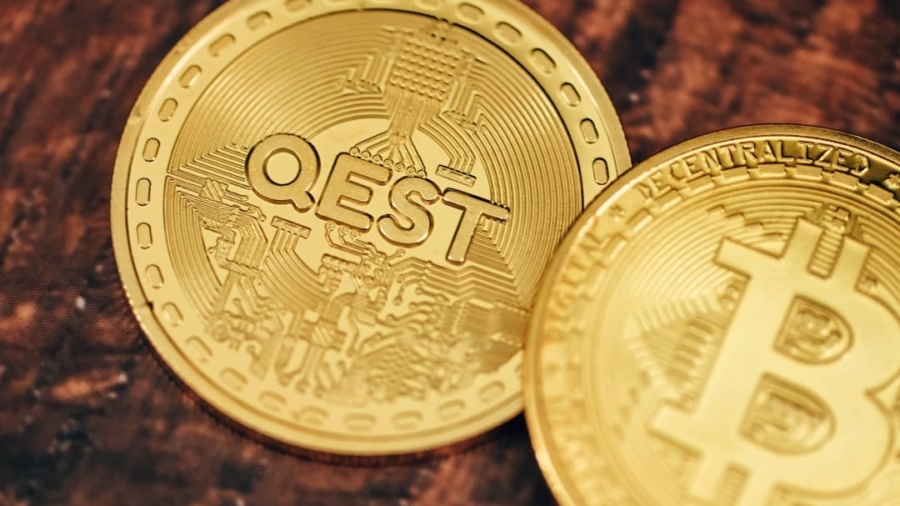
So, what’s the deal with virtual economies and owning digital assets? Essentially, it’s about how we’re creating and trading “stuff” in online worlds, and the idea that you can actually own that stuff, not just borrow it. Think of it like building a digital collectibles empire or earning real money from your in-game achievements. It’s a rapidly evolving space, and understanding it can be pretty useful, even if you’re not a hardcore gamer or crypto enthusiast.
We spend a significant chunk of our lives online these days. From how we communicate and work to how we entertain ourselves, the digital world is deeply intertwined with our reality. This growing digital presence naturally leads to the creation of digital “things” – items, characters, services, and even entire virtual environments.
More Than Just Pixels
It’s easy to dismiss digital assets as just code. However, their value stems from scarcity, utility, and the time, effort, or creativity invested in them. When you spend hours customizing a character in a game or acquire a rare in-game item, those pixels represent something tangible to you.
From Simple Collectibles to Sophisticated Markets
Early online games had in-game currencies and items, but they were largely confined within the game’s ecosystem. Today, we’re seeing much more sophisticated systems where digital assets can have real-world value and even be traded outside of their original platforms.
In exploring the fascinating realm of virtual economies and digital asset ownership, one can gain valuable insights from related discussions on the impact of technology in creative industries. For instance, the article on the best software for 2D animation highlights how digital tools are transforming artistic expression and enabling creators to monetize their work in virtual spaces. This intersection of technology and creativity is pivotal in understanding the broader implications of digital asset ownership. To read more about the software that empowers artists in this evolving landscape, visit this article.
Key Takeaways
- Clear communication is essential for effective teamwork
- Active listening is crucial for understanding team members’ perspectives
- Setting clear goals and expectations helps to keep the team focused
- Regular feedback and open communication can help address any issues early on
- Celebrating achievements and milestones can boost team morale and motivation
What Exactly Are Digital Assets in Virtual Economies?
Digital assets are the building blocks of these virtual economies. They’re the items, currencies, or other forms of digital property that have value within a specific digital environment or across multiple environments.
Tangible Digital Goods
This includes things like:
- In-game items: Think rare weapons, cosmetic skins, unique mounts, or powerful artifacts in video games. Historically, you “owned” these only as long as you played that game.
- Virtual land: In many metaverse-style platforms, you can purchase plots of digital land. This can be for building, showcasing art, or hosting events.
- Digital collectibles: These range from trading cards (like NBA Top Shot) to unique digital art pieces (NFTs).
Intangible Digital Value
Beyond purchasable items, digital assets also encompass:
- Virtual currencies: Game gold, diamond, or whatever the in-game currency is. While often used for in-game transactions, some can be exchanged for real money.
- Intellectual Property: This can include things like the rights to a character, a piece of digital music within a game, or even a unique design for a virtual object.
The Spectrum of Ownership
The level of ownership can vary greatly. In older models, you were essentially renting most digital items from the game developer. With newer technologies, particularly blockchain, the concept of true ownership is becoming more prevalent.
The “Ownership” Conundrum: Where Does It Stand?

This is where things get interesting and sometimes a little confusing. Historically, when you bought something in a game, you didn’t truly own it. You had a license to use it within that game.
If the game shut down, or your account was banned, your “property” vanished.
The Traditional Game Model: A License to Use
In traditional online games, developers hold the keys. They dictate what you can do with your in-game items. Selling or trading items outside the game was often against the terms of service.
Terms of Service: The Hidden Contract
These lengthy documents are crucial.
They outline what you are agreeing to, and often, what you are not actually owning. Understanding these terms is the first step to understanding your rights within a digital space.
Centralized Control: One Boss for All
The developer has complete control. They can change item stats, remove items, or even repossess them.
This creates a dependency on the platform.
Blockchain and True Digital Ownership
This is where blockchain technology, and specifically Non-Fungible Tokens (NFTs), have shaken things up. NFTs represent unique digital assets on a blockchain, making them verifiable, transferable, and in many cases, truly owned by the individual.
The Power of the Blockchain
A blockchain is a decentralized, distributed ledger that records transactions. Once a transaction is recorded, it’s extremely difficult to alter or remove.
This immutability is key to establishing verifiable ownership.
NFTs: Uniqueness Proven
An NFT is a unique identifier recorded on a blockchain that certifies ownership of a specific digital asset. This could be an image, a video clip, a piece of music, or a virtual item. Because each NFT is unique, it can represent ownership of something singular.
Decentralization: No Single Point of Failure
Unlike traditional systems where a single company controls everything, blockchain-based systems are decentralized.
This means ownership isn’t tied to a single company’s servers or policies.
How Virtual Economies Generate Value and Opportunity

Virtual economies can generate value in several ways, creating opportunities for both players and developers.
Play-to-Earn (P2E) Models
This is a major development. In P2E games, players can earn cryptocurrency or NFTs by playing. These can then be traded for real-world money.
Earning Through Skill and Time
Your gaming skills or the time you invest in acquiring rare items directly translate into tangible rewards. This gamifies the earning process.
The Rise of Digital Labor
For some, playing these games has become a legitimate way to earn income, especially in regions where traditional job opportunities might be scarce.
Creator Economies within Virtual Worlds
Beyond P2E, virtual economies are fostering creator businesses.
Designers and Artists Flourishing
Individuals with design or artistic skills can create and sell digital assets – clothing for avatars, custom buildings, unique artwork – within virtual platforms.
Developers as Entrepreneurs
Developers can create entire experiences or services within a virtual world and monetize them, building businesses from scratch in a digital landscape.
Investment and Speculation in Digital Assets
Just like in the real world, digital assets can be bought and sold with the expectation that their value will increase.
Digital Real Estate
Buying and holding virtual land with the hope of developing it or selling it later for a profit.
Collectible Markets
Acquiring rare in-game items or digital art NFTs with the intention of reselling them later.
In the evolving landscape of virtual economies and digital asset ownership, understanding the latest trends is crucial for staying ahead. A related article that explores these developments can be found at Top Trends on LinkedIn 2023, which highlights how professionals are leveraging digital platforms to engage with emerging technologies. This resource provides valuable insights into how virtual assets are reshaping industries and influencing consumer behavior, making it essential reading for anyone interested in the future of digital economies.
Challenges and Considerations for Digital Asset Ownership
| Metrics | Data |
|---|---|
| Number of virtual economies | Over 100 virtual economies exist in various online games and platforms |
| Virtual goods market size | Estimated to be worth over 50 billion globally |
| Ownership of digital assets | Millions of users own digital assets such as virtual real estate, in-game items, and digital art |
| Virtual currency exchange volume | Exchanges facilitate billions of dollars worth of virtual currency transactions annually |
While exciting, the world of virtual economies and digital asset ownership isn’t without its hurdles. It’s important to be aware of these.
Security and Scams
The allure of potential profit unfortunately attracts bad actors.
Phishing and Fake Platforms
Scammers often create fake websites or social media accounts to trick people into giving up their digital assets or private keys. Be extremely cautious about where you click and what information you share.
Rug Pulls and Exit Scams
In some blockchain projects, developers might suddenly abandon the project and take investors’ money with them.
Researching the team behind a project is crucial.
Volatility and Market Fluctuations
The value of digital assets, especially cryptocurrencies and NFTs, can be incredibly volatile. Prices can skyrocket and plummet rapidly.
Unpredictable Value
What’s worth a lot today might be worth very little tomorrow. This makes it a risky area for investment if you’re not prepared for significant swings.
Regulatory Uncertainty
Governments worldwide are still figuring out how to regulate digital assets and virtual economies. New laws could impact ownership, taxation, and trading.
Interoperability: The Siloed World
Currently, many digital assets are locked within specific platforms or games.
Blockchain’s Promise, Reality’s Lag
While blockchain offers the potential for assets to move between different platforms, the reality is that most are still confined. An item you own in one game might be useless in another.
The Quest for Universality
The dream is for a digital asset to be usable across multiple virtual worlds. This is a complex technical and business challenge.
Environmental Impact
Some blockchain technologies, particularly those using proof-of-work, consume significant amounts of energy. While newer, more energy-efficient methods are emerging, it’s still a point of concern.
Proof-of-Work vs. Proof-of-Stake
Understanding the underlying technology of a blockchain can give you insight into its energy consumption. Proof-of-stake, for example, is generally much more energy-efficient.
The Evolving Landscape
The industry is actively working on solutions to mitigate environmental concerns.
In the rapidly evolving landscape of virtual economies and digital asset ownership, understanding the implications of technology on consumer behavior is crucial. A related article that explores the intersection of technology and personal choices can be found at how to choose a smartphone for your girlfriend, which highlights the importance of making informed decisions in a digital age. This connection emphasizes how digital assets are becoming increasingly significant in our daily lives, influencing not only financial transactions but also personal relationships and gifting choices.
The Future of Virtual Economies and You
So, where is all this headed? Virtual economies and digital asset ownership are likely to become even more integrated into our lives.
The Metaverse: A Potential Epicenter
The concept of the “metaverse” envisions interconnected virtual worlds where people can socialize, work, play, and conduct commerce. Digital assets will be the backbone of these spaces.
Blurring Lines Between Work and Play
Imagine attending a business meeting in a virtual office, then heading to a virtual concert with friends. Digital assets will facilitate these transitions.
Digital Identity and Personalization
Your digital assets will become an extension of your identity, allowing for deep personalization of your virtual self and spaces.
Mainstream Adoption and Accessibility
As the technology matures and becomes more user-friendly, it will likely move beyond niche communities.
Simpler Interfaces
Expect to see more intuitive and accessible ways to interact with virtual economies and manage digital assets.
Broader Applications
Beyond gaming, we might see digital assets used for ticketing, membership, loyalty programs, and even things we haven’t imagined yet.
Ownership as a Fundamental Right?
The trend towards true digital ownership could fundamentally change our relationship with online content and services. It shifts power from platforms to individuals.
Empowering Creators and Consumers
This could lead to more equitable distribution of value and greater autonomy for users.
A New Paradigm for Value Creation
We’re still in the early days, but the concepts of virtual economies and digital asset ownership are here to stay and will continue to evolve, offering both exciting possibilities and new challenges. Understanding them is becoming less of a technical curiosity and more of a practical necessity in our increasingly digital world.
FAQs
What are virtual economies?
Virtual economies are online environments where goods and services are bought, sold, and traded using virtual currency. These economies exist within virtual worlds, online games, and other digital platforms.
What is digital asset ownership?
Digital asset ownership refers to the rights and control that individuals have over virtual goods, currencies, and other digital assets within virtual economies. This ownership can include items such as virtual real estate, in-game items, and digital currencies.
How do virtual economies and digital asset ownership impact the real world?
Virtual economies and digital asset ownership have real-world implications, as they can involve real money transactions, legal disputes, and economic impacts. Additionally, virtual economies can influence consumer behavior and have implications for intellectual property rights.
What are some examples of virtual economies and digital asset ownership?
Examples of virtual economies and digital asset ownership include in-game marketplaces in popular online games like World of Warcraft and Second Life, as well as the trading of digital currencies such as Bitcoin and Ethereum.
What are the challenges and risks associated with virtual economies and digital asset ownership?
Challenges and risks associated with virtual economies and digital asset ownership include security concerns, fraud, regulatory issues, and the potential for economic instability within virtual economies. Additionally, disputes over ownership and control of digital assets can lead to legal and ethical dilemmas.
Enjoying our content? Make us a preferred source on Google:
Add us as a Preferred Source on Google