

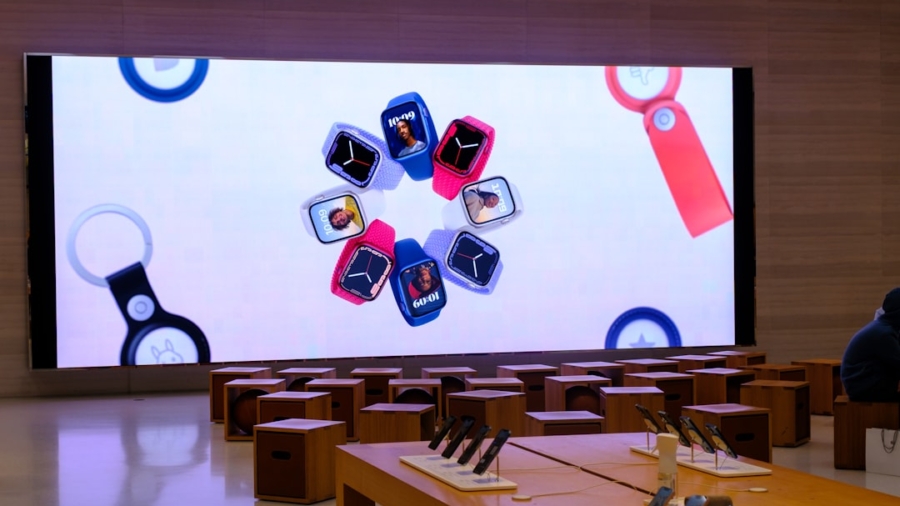
Wearable tech, the kind you wear on your wrist or tucked into clothing, has a lot of potential when it comes to understanding how students are focusing and feeling. Simply put, it can give us a peek into their stress levels, attention spans, and overall well-being by tracking things like heart rate, sleep patterns, and even how much they’re moving. This isn’t about constant surveillance, but rather about gathering data that, when used thoughtfully, can help educators and parents better support students.
So, what exactly are we talking about when we say “wearable technology”? Think devices like smartwatches, fitness trackers, and even some smart clothing. These aren’t just fancy gadgets for telling time or steps anymore. They’re packed with sensors that gather a surprising amount of data about our bodies and environments.
The Sensors Doing the Work
Most wearables rely on a suite of tiny sensors to collect information. It’s these tiny components that make all the useful data possible.
- Photoplethysmography (PPG) Sensors: These are often used for heart rate tracking. They shine a light (usually green) into your skin and measure the changes in light absorption as blood flows through your capillaries. The pattern of these changes tells us about your pulse.
- Accelerometers and Gyroscopes: These are the movement trackers. Accelerometers measure changes in velocity, helping to count steps and detect different types of activity (running, walking, standing still). Gyroscopes measure orientation and angular velocity, providing even more detail about movement and position.
- Electrocardiogram (ECG) Sensors (in some advanced devices): Unlike PPG, ECG sensors measure the electrical activity of your heart directly. This provides a more precise reading of heart rhythm and can detect certain cardiac conditions, though in student monitoring contexts, it’s primarily for more accurate heart rate variability.
- Temperature Sensors: Some wearables include skin temperature sensors. While not always directly linked to focus, significant changes can indicate stress responses or illness, both of which impact wellbeing.
- Ambient Light Sensors: These aren’t directly tracking the student but can provide context about their environment, which might indirectly influence sleep patterns or eye strain.
Data Collection and Interpretation
Once these sensors collect the raw data – thousands of data points per second – the wearable’s internal software, often coupled with a companion app on a smartphone, processes it. This raw data is then translated into more understandable metrics like beats per minute (BPM) for heart rate, steps for activity, or sleep stages (light, deep, REM). The interpretation of this data is where the real potential for understanding student focus and wellbeing comes in. Sophisticated algorithms are constantly working in the background to make sense of all these numbers.
In exploring the innovative applications of wearable technology in educational settings, it is essential to consider how these devices can enhance student focus and wellbeing. A related article that delves into the broader implications of technology in various sectors is available at The Best Shared Hosting Services in 2023. While this article primarily focuses on web hosting solutions, it underscores the importance of reliable technology infrastructure, which is crucial for supporting the integration of wearable devices in classrooms.
Key Takeaways
- Clear communication is essential for effective teamwork
- Active listening is crucial for understanding team members’ perspectives
- Setting clear goals and expectations helps to keep the team focused
- Regular feedback and open communication can help address any issues early on
- Celebrating achievements and milestones can boost team morale and motivation
Monitoring Focus: Beyond Just Sitting Still
Focus isn’t just about how long a student can sit in one place. It’s a complex cognitive state influenced by many factors. Wearable technology offers some interesting avenues for gaining insights here.
Heart Rate and Heart Rate Variability (HRV)
Your heart rate isn’t just about how hard you’re exercising. It’s a barometer of your body’s physiological state.
- Elevated Heart Rate: While a high heart rate during a test could indicate stress, consistent elevation during learning activities might suggest engagement… or anxiety. The context is key here. If a student’s heart rate consistently stays higher than their baseline during challenging tasks, it’s worth investigating if it’s productive engagement or a sign of being overwhelmed.
- Heart Rate Variability (HRV): This is a more nuanced metric. HRV measures the variation in time between each heartbeat. A higher HRV generally indicates a more relaxed and adaptable nervous system, while a lower HRV can be a sign of stress, fatigue, or illness. In a learning environment, a sudden drop in HRV might signal mental fatigue or increased cognitive load, potentially indicating a waning focus. Conversely, a stable or slightly elevated HRV during focused work could suggest efficient cognitive processing.
Skin Conductance (Electrodermal Activity – EDA)
Some advanced wearables include EDA sensors. These measure changes in the electrical conductivity of the skin, which is influenced by sweat gland activity.
- Emotional Arousal: Our sweat glands respond to emotional stimuli, even subtle ones. An increase in skin conductance can indicate emotional arousal, which can be positive (excitement, intense focus) or negative (anxiety, frustration). When students are deeply engaged in a problem-solving task, you might see small, sustained increases in EDA. Conversely, sudden spikes during a lecture could hint at surprise, confusion, or a brief moment of anxiety. It’s not a direct measure of “focus” but rather an indicator of emotional shifts that often precede or accompany changes in attention.
Movement and Restlessness
While this might seem like a basic metric, how a student moves (or doesn’t move) can offer insights.
- Excessive Fidgeting/Restlessness: Accelerometer data can pick up on subtle movements. If a student, who typically sits still, starts showing a pattern of increased fidgeting or restlessness during a challenging task, it could signal frustration, boredom, or a struggle to maintain attention.
- Prolonged Immobility (inappropriate contexts): Conversely, if a student is unusually still during an interactive group activity where movement is expected, it might suggest disengagement or social discomfort. Observing patterns over time can help differentiate between sustained focus and zoning out.
Understanding Wellbeing: Beyond Just Physical Health

Wellbeing isn’t just about not being sick; it encompasses mental, emotional, and social health. Wearables can offer valuable, albeit indirect, glimpses into these areas.
Sleep Quality and Quantity
Sleep is foundational to everything, especially for students. Poor sleep directly impacts focus, mood, and the ability to learn.
- Sleep Stages and Duration: Wearables can track how long a student sleeps, and often categorize sleep into light, deep, and REM stages.
Consistently disrupted sleep patterns, insufficient deep sleep, or very irregular bedtimes can severely undermine a student’s academic performance and emotional resilience.
- Sleep Disturbances: Frequent awakenings, or long periods of wakefulness during the night, picked up by movement sensors, can indicate restless sleep that isn’t restorative. This information can be a flag for underlying stress or lifestyle issues.
Physical Activity Levels
Physical activity plays a crucial role in both physical and mental health.
- Sedentary Behavior: Wearables can highlight prolonged periods of inactivity. For students, especially those involved in demanding academic schedules, it’s easy to slip into highly sedentary routines.
Recognizing this can prompt interventions like scheduled breaks or encouraging more active commuting.
- Consistent Activity: Conversely, a healthy level of daily physical activity, as tracked by a wearable, often correlates with better mood, reduced stress, and improved cognitive function. If a student’s activity suddenly drops off significantly without explanation, it could be a subtle sign of declining well-being or withdrawal.
Stress Indicators
Beyond just heart rate, wearables are beginning to offer more targeted stress insights.
- HRV Fluctuations: As mentioned earlier, persistent low HRV can be a strong indicator of chronic stress. This isn’t about acute stress from a pop quiz, but rather a sustained physiological response that might be impacting a student’s overall resilience.
- Sleep-Wake Cycles and Rest/Activity Patterns: Irregular sleep patterns combined with unusually high or low activity levels can sometimes be algorithms used by wearables to infer higher stress levels over time.
The body’s inability to settle into a predictable rhythm often reflects an underlying physiological stress response.
- Combined Metrics: Increasingly, wearable algorithms combine various data points – heart rate, HRV, skin temperature, and sleep data – to provide a more holistic “stress score” or “body battery” assessment. While these are interpretations and not definitive diagnoses, they can be useful alerts.
Practical Applications in Educational Settings

How can we actually use this information in a school? The goal isn’t to grade students on their heart rate or punish them for restlessness, but to provide timely support.
Identifying Students Needing Support
This is perhaps the most immediate and impactful application.
- Early Warning System: Consistent low HRV, poor sleep, or sustained high heart rates (in non-physical contexts) could flag students who might be silently struggling with academic pressure, social issues, or personal challenges. This isn’t about diagnosing, but about identifying who might benefit from a check-in with a counselor or teacher.
- Targeted Interventions: If data suggests a particular student consistently struggles with focus during certain types of tasks, it might lead to exploring different teaching methods, adjusting their learning environment, or providing strategies for managing attention.
Optimizing Learning Environments
Data aggregated across a group of students, anonymized and analyzed, can offer insights into the learning environment itself.
- Classroom Design: Are certain classroom setups leading to more restlessness or stress? Could lighting or noise levels be affecting focus? Data trends could inform adjustments to physical spaces.
- Curriculum Pacing: If a large number of students show signs of overwhelming stress or fatigue during a particular unit, it might indicate that the content is too dense, the pacing is too fast, or the support offered is insufficient.
- Break Schedules: Evidence from wearables might suggest optimal timing and duration for breaks to maximize focus and minimize fatigue throughout the day. Are students hitting a wall mid-morning? Could a short mindfulness break improve afternoon engagement?
Empowering Students with Self-Awareness
One of the most valuable aspects of wearable tech isn’t just for educators, but for the students themselves.
- Understanding Personal Patterns: By seeing their own data (e.g., how a late night affects their focus, or how exercise improves their sleep), students can develop greater self-awareness about their physiological responses to stress, sleep, and activity.
- Developing Coping Strategies: This awareness can empower them to take proactive steps to improve their wellbeing. For example, if a student notices their HRV drops significantly before tests, they might be encouraged to try specific relaxation techniques or improve their study habits earlier.
- Mindfulness and Stress Management: Many wearables now offer guided breathing exercises or mindfulness prompts. These can be particularly useful for students to learn to self-regulate and manage acute stress.
In the quest to enhance educational outcomes, the integration of wearable technology has emerged as a promising approach to monitor student focus and wellbeing. A related article discusses the innovative features of the Samsung Galaxy Chromebook 2, which can complement such initiatives by providing a versatile platform for learning and engagement. By leveraging devices like these, educators can create a more interactive environment that fosters both academic success and personal growth.
For more insights on this topic, you can read the article
5G Innovations (13) Wireless Communication Trends (13) Article (343) Augmented Reality & Virtual Reality (898)
- Metaverse (264)
- Virtual Workplaces (35)
- VR & AR Games (34)
Cybersecurity & Tech Ethics (806)
- Cyber Threats & Solutions (3)
- Ethics in AI (33)
- Privacy Protection (32)
Drones, Robotics & Automation (487)
- Automation in Industry (33)
- Consumer Drones (33)
- Industrial Robotics (33)
EdTech & Educational Innovations (345)
- EdTech Tools (18)
- Online Learning Platforms (4)
- Virtual Classrooms (34)
Emerging Technologies (1,986) FinTech & Digital Finance (449) Frontpage Article (1) Gaming & Interactive Entertainment (383) Health & Biotech Innovations (713)
- AI in Healthcare (3)
- Biotech Trends (4)
- Wearable Health Devices (507)
News (97) Reviews (129) Smart Home & IoT (448)
- Connected Devices (3)
- Home Automation (4)
- Robotics for Home (33)
- SmartPhone (48)
Space & Aerospace Technologies (345)
- Aerospace Innovations (4)
- Commercial Spaceflight (3)
- Space Exploration (62)
Sustainable Technology (782) Tech Careers & Jobs (340) Tech Guides & Tutorials (1,144)
- DIY Tech Projects (3)
- Getting Started with Tech (60)
- Laptop & PC (58)
- Productivity & Everyday Tech Tips (325)
- Social Media (64)
- Software (322)
- Software How-to (3)
Uncategorized (146)