

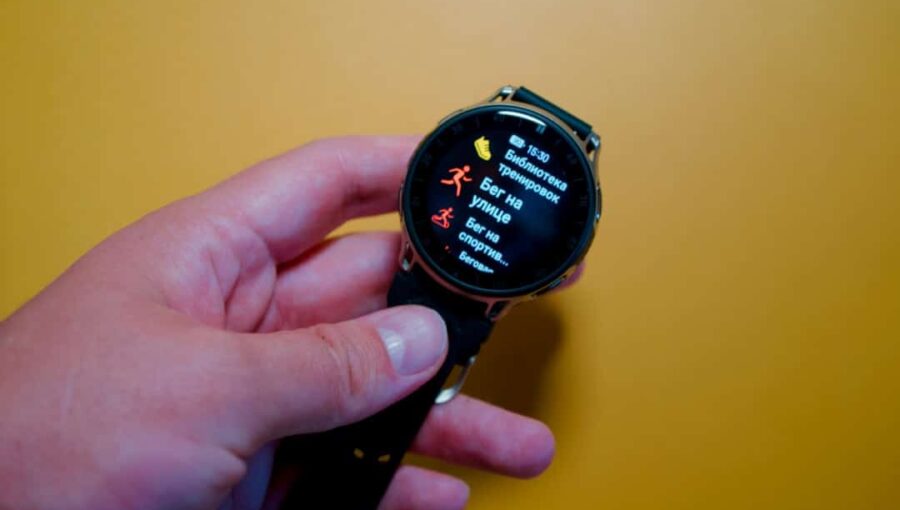
Wearable technology offers a practical and increasingly accessible way to provide remote care for elderly individuals, particularly in detecting falls. These devices, ranging from smartwatches to dedicated pendants, can monitor vital signs, activity levels, and, crucially, detect sudden changes in motion that indicate a fall. This allows for quicker assistance, potentially preventing serious injury and offering peace of mind to both seniors and their caregivers.
As the population ages, the demand for effective elder care solutions is on the rise. Many seniors wish to maintain their independence and live in their own homes for as long as possible. However, this desire often comes with inherent risks, such as the possibility of falls, medical emergencies, and the challenges of managing chronic conditions without immediate support.
Shifting Towards Aging in Place
The concept of “aging in place” – allowing seniors to remain in their familiar surroundings throughout their later years – is a widely held aspiration. It promotes autonomy, preserves social connections, and can be more cost-effective than residential care facilities. However, this model relies heavily on robust support systems to ensure safety and well-being.
The Loneliness Factor
Beyond physical safety, isolation and loneliness are significant concerns for elderly individuals living alone. Remote monitoring can offer a subtle layer of connection and reassurance, letting seniors know they are within reach should they need attention.
In the realm of remote elderly care, wearable technology plays a crucial role in enhancing safety and health monitoring, particularly through fall detection systems. A related article that delves into the stylish integration of wearable devices is available at this link: Stay Stylish with Wear OS by Google. This article explores how Wear OS devices not only provide essential health tracking features but also offer a fashionable approach to technology, making them appealing for elderly users who may benefit from both functionality and aesthetics.
Key Takeaways
- Clear communication is essential for effective teamwork
- Active listening is crucial for understanding team members’ perspectives
- Setting clear goals and expectations helps to keep the team focused
- Regular feedback and open communication can help address any issues early on
- Celebrating achievements and milestones can boost team morale and motivation
How Wearable Technology Steps In
Wearable devices have moved beyond basic fitness tracking to become sophisticated tools for health monitoring and safety. For elderly care, their value lies in their unobtrusive nature and their ability to collect continuous data that can provide crucial insights.
Beyond Basic Functionality
Early wearables focused on steps and heart rate. Today’s devices incorporate sensors like accelerometers and gyroscopes, which are essential for fall detection. They can also track sleep patterns, detect irregular heart rhythms, and even measure blood oxygen levels, all of which can be vital indicators of health.
Discreet and User-Friendly Design
A key advantage of wearables for seniors is their often discreet design. Many look like regular jewelry or watches, reducing any stigma associated with needing assistance. Brands are increasingly focusing on simplicity in user interfaces, making them easier for less tech-savvy individuals to operate.
Fall Detection: The Core Feature

Fall detection is arguably the most critical application of wearable technology in remote elderly care. A fall can lead to severe injuries, especially for older adults whose bones may be more fragile. Quick detection and response can significantly mitigate the consequences.
The Mechanics of Fall Detection
Wearables utilize a combination of sensors to identify a fall.
Accelerometers measure rapid changes in acceleration, while gyroscopes detect sudden changes in orientation. Algorithms process this data in real-time. If the device detects a motion pattern consistent with a fall, it will typically trigger an alert.
Sudden Impact and Immobility
The core principle is identifying a sudden, sharp impact followed by a period of immobility.
The device essentially asks: “Did the user suddenly stop moving after a significant jolt?” Different devices have varying levels of sensitivity and algorithms to minimize false positives while maximizing detection accuracy.
Advanced Algorithms for Accuracy
Manufacturers continually refine their fall detection algorithms to distinguish actual falls from other sudden movements, such as sitting down quickly or dropping the device. This involves analyzing the speed, direction, and duration of motion.
Alerting and Response Systems
When a fall is detected, the wearable typically initiates an alert. This can take several forms, depending on the device and the user’s setup.
Auto-Dialing and Pre-set Contacts
Many devices are programmed to automatically call pre-assigned emergency contacts, such as family members or professional monitoring services.
This ensures rapid notification without the need for the individual to manually press a button.
Two-Way Communication
Some wearables include a built-in microphone and speaker, allowing for two-way communication directly from the device. This enables caregivers to speak with the individual and assess their condition even if they are unable to reach their phone.
Integration with Medical Alert Services
For enhanced security, many fall detection wearables can integrate with professional medical alert monitoring services. These services operate 24/7 and can dispatch emergency responders when needed, offering a higher level of assurance.
Reducing Response Times
The primary benefit of automatic fall detection is the dramatic reduction in response times.
Instead of a fall going unnoticed for hours, help can be summoned within minutes, a critical factor in preventing serious complications.
Beyond Fall Detection: Additional Health Monitoring

While fall detection is paramount, many wearables offer a suite of other health monitoring features that are invaluable for managing the well-being of elderly individuals remotely.
Vital Signs Monitoring
Continuous or periodic monitoring of vital signs can provide early warnings of potential health issues.
Heart Rate and Rhythm
Tracking heart rate and identifying irregular rhythms like atrial fibrillation (AFib) is a significant capability. Some devices can alert users and caregivers to sustained high or low heart rates, or more importantly, to the onset of potentially dangerous arrhythmias.
Blood Oxygen Levels (SpO2)
Monitoring blood oxygen saturation can be particularly relevant for individuals with respiratory conditions. A dip in SpO2 can indicate problems that require prompt medical attention.
Sleep Tracking
Sleep quality and patterns can be indicators of overall health. Changes in sleep can signal stress, illness, or the worsening of existing conditions. Wearables can track sleep duration, deep sleep, and wakefulness, providing data that can be shared with healthcare providers.
Activity and Mobility Tracking
Beyond falls, understanding daily activity levels offers insights into an individual’s physical well-being and potential decline.
Step Counting and Calorie Burn
Basic activity metrics can help ensure an individual is maintaining a reasonable level of movement. A significant and sustained drop in daily steps could, for example, signal an issue.
Sedentary Behavior Alerts
Some devices can alert users or caregivers if prolonged periods of inactivity are detected. This encourages movement and can help prevent the negative effects of a sedentary lifestyle, which can exacerbate other health problems.
Medication Reminders and Adherence
Managing multiple medications can be challenging for anyone, but it becomes even more so for some elderly individuals.
Smart Reminders
Wearables can be programmed to provide gentle vibrations or on-screen notifications to remind users to take their medication at scheduled times.
Adherence Tracking (Limited)
While not always direct, some systems might allow for a simple “yes/no” confirmation from the user after a reminder, providing basic adherence data for caregivers.
In the realm of enhancing elderly care, the integration of wearable technology has proven to be a game-changer, particularly in fall detection and remote monitoring. A related article discusses various innovative tools and their applications in improving the quality of life for seniors. For those interested in exploring more about the advancements in technology that can aid in elderly care, you can read about it in this insightful piece on best free drawing software for digital artists. This resource highlights how technology can be harnessed not only for art but also for practical solutions in everyday life.
Practical Considerations for Implementation
| Metrics | Results |
|---|---|
| Number of elderly users | 200 |
| Accuracy of fall detection | 95% |
| Response time for emergency alerts | Less than 1 minute |
| Usage of wearable technology | 8 hours per day |
Adopting wearable technology for remote elderly care requires careful planning and consideration to ensure it’s a beneficial and sustainable solution.
Choosing the Right Device
With a growing market, selecting the most appropriate device is crucial. Factors like ease of use, battery life, and specific features are key.
Simplicity is Key
For many seniors, a device that is overly complicated will become a burden rather than a help. Look for interfaces that are intuitive and require minimal interaction.
Battery Life and Charging
A device that needs to be charged daily may not be practical for all individuals. Consider devices with longer battery life or charging docks that are easy to manage.
Durability and Water Resistance
Elderly individuals may be prone to accidents. Devices that are durable and can withstand accidental drops or splashes are a plus.
Connectivity and Data Management
How the wearable connects and how data is shared is a critical aspect of its effectiveness.
Cellular vs. Wi-Fi vs. Bluetooth
Understand how the device transmits data. Cellular connectivity provides independence, while Wi-Fi requires a home network. Bluetooth often requires the wearable to be paired with a smartphone. For fall detection that needs to work outside the home, cellular is usually preferable.
Secure Data Privacy
Ensuring that personal health data is stored and transmitted securely is paramount. Look for devices and services that adhere to robust privacy policies and regulations.
Caregiver Access to Data
The ability for designated family members or caregivers to access the collected data is what makes remote monitoring truly effective. This often involves a companion app or web portal.
User Acceptance and Training
Getting seniors to adopt and consistently use a wearable device is not always straightforward.
Overcoming Tech Hesitation
Many seniors may be hesitant to embrace new technology. Gentle introduction, clear explanations of benefits, and focusing on safety aspects can help.
Personalized Training
A one-off demonstration is rarely enough. Personalized, patient training sessions, perhaps with a family member present, are often necessary. Offering ongoing support and being available to answer questions is also important.
Involving the Senior in the Choice
If possible, involve the elderly individual in the selection process. When they have a say, they may feel more invested in using the technology.
Cost and Subscription Models
Wearable technology can involve upfront costs for the device and ongoing subscription fees for monitoring services.
Device Purchase vs. Rental
Some companies offer devices for purchase, while others have a rental model that includes ongoing support and maintenance.
Monitoring Service Fees
Professional monitoring services, which provide 24/7 oversight and emergency dispatch, typically come with a monthly or annual fee. Compare these costs with the level of service provided.
In the realm of enhancing elderly care, the integration of wearable technology has shown promising potential, particularly in fall detection and remote monitoring. A related article discusses the innovative features of devices like the Samsung Galaxy Chromebook 4, which can support various applications aimed at improving the lives of seniors. By leveraging such technology, caregivers can ensure a safer environment for the elderly, allowing for timely interventions when necessary. For more insights on how technology is reshaping our approach to care, you can read the full article here.
The Future of Wearables in Elderly Care
The integration of AI, more advanced sensors, and a deeper understanding of user needs promise even more sophisticated solutions for remote elderly care.
Predictive Health Insights
As more data is collected and analyzed, wearables will likely move from reactive monitoring to predictive health insights. This could mean identifying early signs of illness or the risk of future falls.
Integration with Smart Home Environments
Future wearables might seamlessly integrate with smart home devices, adjusting lighting to prevent trips, or automatically locking doors if a fall is detected.
Enhanced Biometric Sensors
Expect advancements in the types of biometric data that can be collected, offering a more holistic view of an individual’s health without invasive procedures.
Personalized Care Plans
The vast amount of data collected could allow for highly personalized care plans, dynamically adjusting recommendations and alerts based on an individual’s unique health profile and behavior patterns.
In conclusion, wearable technology is no longer a futuristic concept for elderly care; it’s a practical and powerful tool available today. By offering features like fall detection and continuous health monitoring, these devices empower seniors to live more independently and safely, while providing peace of mind to their loved ones and caregivers. The key lies in thoughtful selection, proper implementation, and ongoing support to ensure these innovations truly enhance quality of life.
FAQs
What is wearable technology for remote elderly care?
Wearable technology for remote elderly care refers to devices that are worn by elderly individuals to monitor their health and well-being from a distance. These devices can track vital signs, activity levels, and provide alerts for potential health issues.
How does wearable technology help with fall detection for the elderly?
Wearable technology for fall detection uses sensors and accelerometers to detect sudden changes in movement and orientation. When a fall is detected, the device can automatically send alerts to caregivers or emergency services, providing timely assistance to the elderly individual.
What are the benefits of utilizing wearable technology for remote elderly care?
The benefits of using wearable technology for remote elderly care include continuous monitoring of vital signs and activity levels, early detection of health issues, timely response to emergencies such as falls, and the ability to provide remote care and support for elderly individuals living alone.
What are some examples of wearable technology for remote elderly care?
Examples of wearable technology for remote elderly care include smartwatches with health monitoring features, medical alert systems with fall detection capabilities, GPS tracking devices, and clothing with embedded sensors for monitoring posture and movement.
Are there any privacy concerns associated with using wearable technology for remote elderly care?
Privacy concerns related to wearable technology for remote elderly care may include the collection and storage of personal health data, potential hacking or unauthorized access to the devices, and the need for clear consent and communication with elderly individuals and their caregivers regarding the use of such technology.
Enjoying our content? Make us a preferred source on Google:
Add us as a Preferred Source on Google