

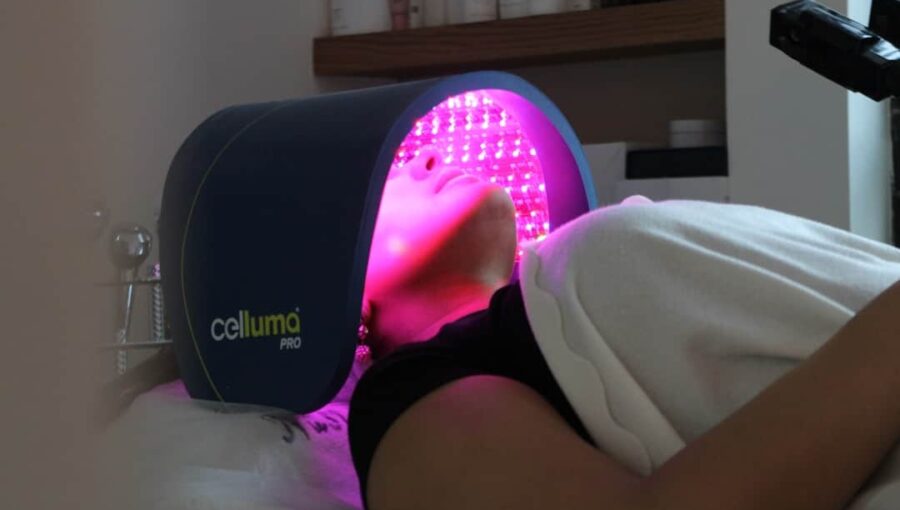
Exosome therapy is essentially a cutting-edge approach that aims to boost the body’s natural healing and regenerative processes by utilizing exosomes, which are tiny vesicles released by cells. Think of them as miniature messengers, carrying important information like proteins, lipids, and genetic material (RNA) from one cell to another. When these exosomes come from healthy, potent cells, they can communicate with damaged or aging cells, encouraging them to repair themselves, reduce inflammation, and generally function better. This isn’t about introducing foreign agents to take over, but rather prompting your existing cells to get back to their optimal performance.
So, what exactly are these exosomes we’re talking about? They’re minuscule, even smaller than a cell – we’re talking nanometers. Practically every cell in your body releases them, and they’re crucial for cell-to-cell communication.
What are Exosomes and How Do They Work?
Imagine sending a text message. That’s essentially what an exosome does. A “sender” cell packages up specific information into these little bubbles and releases them. A “receiver” cell then picks up these exosomes, and the information inside influences the receiver cell’s behavior. This can mean telling a cell to grow, to differentiate into a different cell type, to repair itself, or even to die off if it’s damaged beyond repair. This natural messaging system is incredibly complex and vital for maintaining health.
The Role of Exosomes in Cellular Regeneration
Cellular regeneration is the process of replacing or repairing damaged or diseased cells. Exosomes play a significant role here by delivering growth factors, anti-inflammatory molecules, and genetic material that can reprogram recipient cells to adopt a more regenerative state. For instance, exosomes from stem cells are particularly powerful because stem cells are inherently regenerative. Their exosomes carry potent instructions that can kickstart repair mechanisms in damaged tissues.
In exploring the innovative applications of exosome therapy for promoting cellular regeneration, it is interesting to consider how advancements in technology can enhance our understanding of biological processes. A related article that discusses the latest advancements in technology, particularly in the realm of consumer electronics, is available at this link: The Best Apple Tablets of 2023. While the focus of this article is on tablets, the underlying technological innovations can also play a crucial role in the development and application of therapies like exosome treatment, highlighting the intersection of technology and healthcare.
Key Takeaways
- Clear communication is essential for effective teamwork
- Active listening is crucial for understanding team members’ perspectives
- Setting clear goals and expectations helps to keep the team focused
- Regular feedback and open communication can help address any issues early on
- Celebrating achievements and milestones can boost team morale and motivation
Sources and Preparation of Exosomes for Therapy
Not all exosomes are created equal. The source of the exosomes significantly impacts their therapeutic potential.
Mesenchymal Stem Cell (MSC)-Derived Exosomes
Currently, the most common and well-researched source for therapeutic exosomes is mesenchymal stem cells (MSCs). MSCs are “adult” stem cells found in various tissues, like bone marrow, fat, and umbilical cord tissue. They are known for their ability to differentiate into multiple cell types and, more importantly for our discussion, their potent immunomodulatory and regenerative properties.
Isolation and Purification Processes
Once MSCs are cultured, they release exosomes into the surrounding medium. The trick then is to collect these exosomes and separate them from other cellular debris or culture components. This involves sophisticated techniques like ultracentrifugation, ultrafiltration, and size exclusion chromatography. The goal is to obtain a highly pure and concentrated solution of therapeutic exosomes. The purity is crucial because any contaminants could potentially trigger an unwanted immune response or dilute the therapeutic effect.
Quality Control and Characterization
Before any exosomes can be considered for therapy, they undergo rigorous quality control. This includes verifying their size, concentration, and the presence of specific markers to confirm they are indeed exosomes and not other vesicles. Furthermore, their cargo – the proteins, lipids, and RNA they carry – is analyzed to ensure they possess the desired therapeutic properties. This meticulous process ensures the safety and efficacy of the exosome product.
Applications of Exosome Therapy in Regenerative Medicine

The potential applications of exosome therapy are vast and continually expanding as research progresses.
Musculoskeletal Conditions
One of the most promising areas is in treating musculoskeletal issues. Think about conditions like osteoarthritis, tendonitis, or even recovery from muscle injuries.
Osteoarthritis and Cartilage Repair
In osteoarthritis, the cartilage in joints breaks down, leading to pain and stiffness. Exosomes can deliver anti-inflammatory factors and growth factors that help reduce inflammation in the joint, potentially promote chondrocyte (cartilage cell) proliferation and matrix production, and slow down cartilage degradation.
This could offer a less invasive alternative or complement to current treatments.
Tendon and Ligament Injuries
Tendons and ligaments have poor blood supply, making them slow to heal. Exosomes can introduce factors that enhance blood vessel formation (angiogenesis) and stimulate the repair of collagen fibers, which are the main components of these tissues. This can accelerate healing and improve the strength of the repaired tissue, helping athletes and individuals with these debilitating injuries.
Neurological Disorders
The brain and central nervous system are complex, and damage often leads to permanent deficits.
Exosomes offer a fascinating pathway for delivering therapeutic cargo across the blood-brain barrier.
Stroke and Traumatic Brain Injury
After a stroke or TBI, brain cells die, and inflammation can cause further damage. Exosomes can carry neuroprotective molecules that help reduce neuronal cell death, decrease inflammation in the brain, and potentially promote the formation of new neural connections and neurogenesis (the birth of new neurons). Early studies show promise in improving functional recovery.
Neurodegenerative Diseases (e.g., Alzheimer’s, Parkinson’s)
These diseases involve progressive loss of neurons.
Exosomes could potentially deliver factors that protect existing neurons from degeneration, clear toxic protein aggregates (a hallmark of these diseases), and modulate the immune response in the brain, which contributes to disease progression.
This is an area of very active research, with the hope of slowing down or even halting the progression of these devastating conditions.
Skin Rejuvenation and Wound Healing
Our skin is constantly exposed to environmental stressors and naturally ages. Exosomes hold significant promise for skin health.
Anti-Aging and Aesthetic Applications
In aesthetics, exosomes can be used to promote collagen and elastin production, which are crucial for skin firmness and elasticity. They can also reduce inflammation, improve skin tone and texture, and decrease the appearance of fine lines and wrinkles.
This is achieved by stimulating fibroblasts, the cells responsible for producing these vital skin components, and by delivering antioxidants.
Chronic Wounds and Burns
Chronic wounds, like diabetic ulcers, often struggle to heal due to poor circulation and persistent inflammation. Exosomes can deliver pro-angiogenic factors to improve blood supply, anti-inflammatory molecules to reduce chronic inflammation, and growth factors to stimulate cell proliferation and tissue remodeling, thereby accelerating wound closure and improving healing quality.
Cardiovascular Health
Heart disease remains a leading cause of mortality. Exosomes show potential in repairing damaged heart tissue after events like a heart attack.
Myocardial Infarction (Heart Attack) Recovery
Following a heart attack, part of the heart muscle dies, leading to scar tissue formation and impaired heart function.
Exosomes can deliver factors that reduce the size of the infarct (dead tissue), promote the formation of new blood vessels (angiogenesis) to supply oxygen to the damaged area, and protect remaining heart muscle cells from further damage. They can also modulate the immune response to reduce detrimental inflammation and promote beneficial remodeling.
Administration Methods and Safety Considerations

How are these exosomes actually delivered, and what should you know about their safety?
Delivery Methods
The method of administration depends on the condition being treated.
Localized Injections
For musculoskeletal conditions or skin rejuvenation, localized injections directly into the affected area are common. This ensures a high concentration of exosomes reaches the target tissue. Examples include intra-articular injections for joints or intradermal injections for skin.
Intravenous (IV) Infusions
For systemic conditions or when targeting multiple organs, intravenous (IV) infusions can be used. This allows the exosomes to circulate throughout the bloodstream and reach various tissues, including organs like the brain, heart, or lungs.
Other Methods (e.g., Topical, Nebulization)
Exosomes can also be formulated into topical creams or serums for skin application, particularly in aesthetic and dermatological contexts. For lung conditions, nebulized exosomes can be inhaled to deliver them directly to the respiratory tract. Research is also exploring oral delivery, though this presents challenges due to the digestive system.
Potential Side Effects and Risks
While exosome therapy is generally considered to have a favorable safety profile compared to cell-based therapies, it’s not without potential considerations.
Immune Response
Even though exosomes are less immunogenic (less likely to cause an immune reaction) than whole cells, there’s still a theoretical possibility of an immune response, especially if the exosomes contain residual cellular components or are not adequately purified. This is why strict quality control is paramount.
Purity and Contamination Concerns
As mentioned, ensuring the purity of the exosome preparation is critical.
Contaminants, whether from the culture medium or residual cellular debris, could lead to adverse reactions or reduced efficacy.
Regulatory bodies are increasingly focused on establishing stringent guidelines for manufacturing and testing.
Recent advancements in exosome therapy have shown promising potential in promoting cellular regeneration, as highlighted in the article on the topic. This innovative approach leverages the natural properties of exosomes to enhance healing processes and tissue repair. For further insights into the evolving landscape of technology and its implications for healthcare, you can read more in this article from The Next Web. The intersection of these fields continues to inspire new research and applications, paving the way for breakthroughs in regenerative medicine. To explore more about these developments, visit this article.
The Future Landscape of Exosome Therapy
| Cellular Regeneration Metrics | Exosome Therapy Applications |
|---|---|
| Cell proliferation | Stimulates cell growth and division |
| Tissue repair | Promotes healing and regeneration of damaged tissues |
| Anti-inflammatory effects | Reduces inflammation and promotes tissue recovery |
| Wound healing | Accelerates the healing process of wounds and injuries |
| Stem cell activation | Activates endogenous stem cells for tissue repair |
Exosome therapy is still a relatively young field, but the pace of research and development is accelerating.
Ongoing Clinical Trials and Research
Numerous clinical trials are currently underway globally, investigating exosome therapy for a wide range of conditions, from heart disease and kidney injury to neurological disorders and autoimmune diseases. These trials are crucial for establishing efficacy, optimal dosing, and long-term safety.
Regulatory Challenges and Standards
One of the biggest hurdles is the regulatory landscape. Because exosomes are biological products and not simple chemicals, their regulation is complex. Agencies like the FDA are working to establish clear guidelines for manufacturing, testing, and approval, which will help ensure patient safety and facilitate wider adoption.
Personalized Exosome Therapy
Looking ahead, we might see the emergence of personalized exosome therapy. This could involve using a patient’s own cells to produce exosomes, or engineering exosomes to carry specific therapeutic cargo tailored to an individual’s particular disease or genetic makeup. This level of precision medicine holds immense promise for maximizing therapeutic outcomes.
In conclusion, exosome therapy represents a fascinating and powerful frontier in regenerative medicine. By harnessing the body’s own communication system, it offers a novel way to encourage healing and regeneration without the complexities often associated with whole-cell therapies. While much research is still needed, the early results are very encouraging, paving the way for revolutionary treatments in a wide array of medical conditions.
FAQs
What is exosome therapy?
Exosome therapy is a regenerative medicine treatment that utilizes exosomes, which are small vesicles containing proteins, lipids, and nucleic acids, to promote cellular regeneration and repair damaged tissues.
How does exosome therapy work?
Exosome therapy works by delivering exosomes to target cells, where they can transfer their cargo of growth factors, microRNAs, and other signaling molecules to promote tissue repair, reduce inflammation, and stimulate cellular regeneration.
What are the potential applications of exosome therapy?
Exosome therapy has potential applications in treating various medical conditions, including orthopedic injuries, neurodegenerative diseases, autoimmune disorders, and skin rejuvenation.
Is exosome therapy safe and effective?
Exosome therapy is considered safe and well-tolerated, as exosomes are naturally occurring extracellular vesicles. Research has shown promising results in preclinical and clinical studies, but more research is needed to fully understand its effectiveness.
What are the current challenges and future prospects of exosome therapy?
Challenges in exosome therapy include standardizing exosome isolation and characterization methods, as well as regulatory considerations. However, the future prospects of exosome therapy are promising, with ongoing research focused on optimizing exosome production, delivery methods, and expanding its therapeutic applications.
Enjoying our content? Make us a preferred source on Google:
Add us as a Preferred Source on Google