

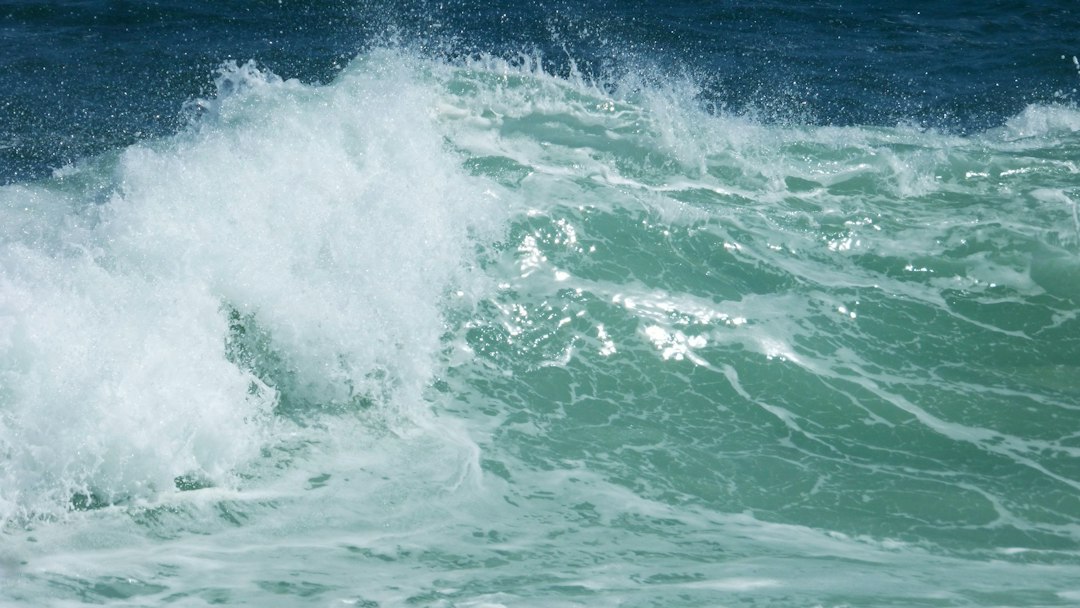
Tidal and wave energy converters are essentially ingenious machines designed to capture the natural, rhythmic movement of the ocean – the rise and fall of tides and the relentless crash of waves – and turn that raw kinetic energy into usable electricity for our coastal communities. Think of it as plugging into a giant, predictable battery that’s always in motion right off our shores. This article will dive into how these technologies work, their current standing, and what we can expect from them as we look to build more resilient and sustainable power grids.
Understanding Tidal Energy: Leveraging the Moon’s Pull
Tidal energy harnesses the power of the tides, which are primarily driven by the gravitational pull of the moon and sun on Earth’s oceans. It’s an incredibly predictable source of energy, as the timing and magnitude of tides can be forecast years in advance. This predictability offers a significant advantage over intermittent renewable sources like solar or wind.
Barrage Systems: The Tried and Tested Approach
Tidal barrages are the most established form of tidal energy generation, often likened to hydroelectric dams. They involve building a substantial wall or dam across an estuary or bay, creating a basin behind it. Sluice gates within the barrage allow water to flow into the basin during high tide and then hold it there. When the tide outside drops sufficiently, the trapped water is released through turbines embedded in the barrage, generating electricity.
How Barrages Work: Filling and Emptying Cycles
During the incoming tide (flood tide), the sluice gates open, letting water fill the basin. Once the tide peaks, the gates close, impounding the water. As the tide recedes (ebb tide), a significant head of water develops between the basin and the ocean side of the barrage. This difference in water level creates potential energy. When this head is sufficient, the gates controlling the turbines open, and the water flows from the basin through the turbines, spinning them and generating power. This is known as ebb generation. Some barrages are designed for flood generation, where power is generated as water flows into the basin. Bidirectional systems can generate power during both flood and ebb tides, optimizing energy capture.
Environmental Considerations of Barrages
While effective, tidal barrages come with considerable environmental impacts. The construction itself is a major undertaking, altering the natural hydrology of an estuary. This can disrupt delicate ecosystems, affecting fish migration routes (though fish-friendly turbines and passages are being developed), sediment transport, and water quality. Changes in tidal range within the basin can impact intertidal habitats, which are crucial for many species. These concerns have led to a focus on less intrusive tidal energy technologies.
Tidal Stream Converters: Unlocking Underwater Currents
Tidal stream converters (TSCs) are a newer and generally more environmentally friendly approach to harnessing tidal energy. Instead of building a large dam, TSCs operate much like underwater wind turbines, capturing the kinetic energy of flowing tidal currents. They are typically placed in areas with strong, consistent tidal flows, such as narrow channels or straits.
Types of Tidal Stream Converters: From Turbines to Kites
There’s a variety of designs for TSCs, but the most common are horizontal-axis turbines, which look very similar to wind turbines but are designed for denser water environments. These can be seabed-mounted or floating platforms anchored to the seabed. Vertical-axis turbines are another design, often favored for their ability to capture flow from any direction without needing to yaw. Beyond turbines, more innovative designs include oscillating hydrofoils and even “tidal kites” that sweep through the water column, generating power as they move. Each design has its own advantages in terms of efficiency, survivability in harsh conditions, and maintainability.
Deployment and Grid Integration
Deploying TSCs involves careful site selection to ensure strong, predictable currents and suitable seabed conditions for anchoring or mounting. Once installed, the electricity generated by these devices needs to be transmitted to shore via subsea cables and integrated into the existing grid infrastructure. This involves converters to match the grid’s voltage and frequency, and often requires robust control systems to manage the output, especially from array deployments. As individual devices, their environmental impact is generally lower than barrages, but careful monitoring of marine life interactions and acoustic noise is crucial for array deployments.
In exploring the innovative potential of marine energy, the article on Tidal and Wave Energy Converters: Harnessing Marine Power for Coastal Grids highlights the advancements in renewable energy technologies. For those interested in enhancing their productivity and organization while studying these developments, you might find inspiration in this resource: The Ultimate Collection of 2023’s Best Notion Templates for Students. This article provides valuable tools that can help students manage their projects and research effectively, making it easier to delve into the complexities of marine power solutions.
Key Takeaways
- The training data includes information and events up to October 2023.
- Insights and knowledge are based on a wide range of sources available until the cutoff date.
- No updates or developments occurring after October 2023 are included in the training.
- Users should verify current information from reliable sources for the latest updates.
- The model’s responses reflect the context and knowledge available up to the specified date.
Exploring Wave Energy Converters: Riding the Ocean’s Swell
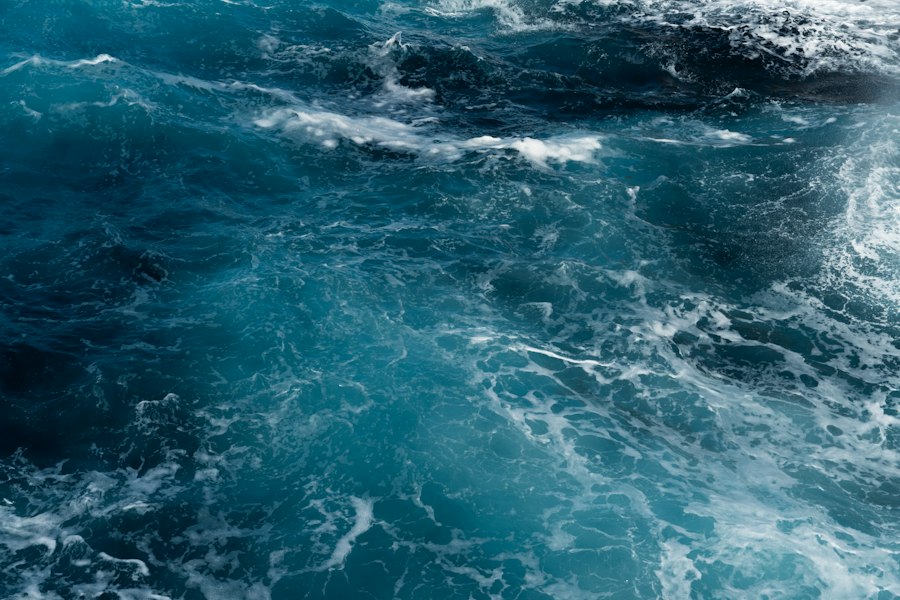
Wave energy converters (WECs) aim to capture the energy present in ocean waves, which are primarily generated by wind blowing over the surface of the water. Unlike tides, waves are more variable, but they represent an immense, untapped energy resource, particularly in stormy seas and exposed coastlines.
Point Absorbers: Buoys That Bob and Generate
Point absorbers are one of the most common types of WECs. They are typically small, floating buoys or platforms that absorb energy from all directions as they bob up and down with the passing waves.
The relative motion between different parts of the device, or between the device and a fixed reference point (like the seabed), is used to drive a power take-off (PTO) system.
How Point Absorbers Extract Energy
A common point absorber design consists of a floating buoy connected to a spar or platform that extends deeper into the water. As a wave passes, the buoy moves vertically relative to the spar. This motion is then converted into electricity through various mechanisms. These can include hydraulic pistons that pump fluid through a turbine, linear generators where magnets move through coils, or even direct drive systems. The key is to efficiently capture and convert the oscillating motion into a continuous electrical output.
Design Variations and Power Take-Off Mechanisms
Variations in point absorber design include those that use internal water columns, pressure differences, or even articulated structures. The PTO system is a critical component, and engineers are exploring a range of options to improve efficiency and reliability in the harsh marine environment. Magnetic linear generators, hydraulic systems, and even air turbines are being developed. The challenge lies in designing a system that can withstand constant motion, saltwater corrosion, and extreme weather events while maintaining high efficiency.
Oscillating Water Columns (OWCs): Trapping Air and Turning Turbines
Oscillating water columns (OWCs) are fixed or floating structures that capture wave energy by trapping a column of air above an internal water surface. As waves rise and fall, they push the water column up and down, compressing and decompressing the air above it. This movement of air drives a turbine, typically a Wells turbine, which can rotate in the same direction regardless of the airflow direction, making it highly suitable for the oscillating nature of OWCs.
Operating Principle: Air Compression and Expansion
When a wave trough passes, the water level inside the OWC drops, drawing air in through the turbine. When a wave crest passes, the water level rises, pushing air out through the turbine. This continuous back-and-forth movement of air through the turbine spins it, generating electricity. The Wells turbine’s unique aerodynamic design ensures that it always rotates in the same direction, simplifying the generator connection.
Shore-Based vs. Offshore OWCs
OWCs can be built directly into coastal structures like breakwaters (shore-based OWCs), or they can be designed as floating offshore platforms. Shore-based OWCs offer easier access for maintenance and grid connection but are limited to specific coastal geographies. Offshore OWCs can access larger wave resources but face greater engineering challenges in terms of mooring, survivability, and grid connection. Both types offer robust, relatively simple designs with fewer moving parts directly exposed to the corrosive seawater.
Overtopping Devices: Capturing and Releasing Wave Energy
Overtopping devices capture wave energy by allowing waves to spill over a ramp or barrier into a raised reservoir. Once the water is collected in the reservoir, its potential energy is then converted into electricity as it flows back to the ocean through conventional low-head turbines, similar to a small hydroelectric plant.
Mechanism of Energy Conversion
As waves approach an overtopping device, they are channeled and directed up a ramp. The design aims to maximize the amount of water that spills over the top into a reservoir located above sea level. This elevated water creates a hydrostatic head. When a sufficient volume of water has accumulated, it is released through turbines back into the sea, generating electricity. Some designs feature multiple ramps at different heights to capture energy from a wider range of wave conditions.
Benefits and Challenges of Overtopping Designs
A key benefit of overtopping devices is their use of well-established turbine technology for power generation, which can simplify the PTO system compared to other WECs. They also benefit from having fewer moving parts directly in the harsh marine environment. However, they require significant structural integrity to withstand powerful waves and accumulate sufficient water for efficient generation. Site selection is crucial, favoring locations with consistent, relatively large waves to ensure adequate overtopping.
Powering Coastal Grids: Integration and Infrastructure
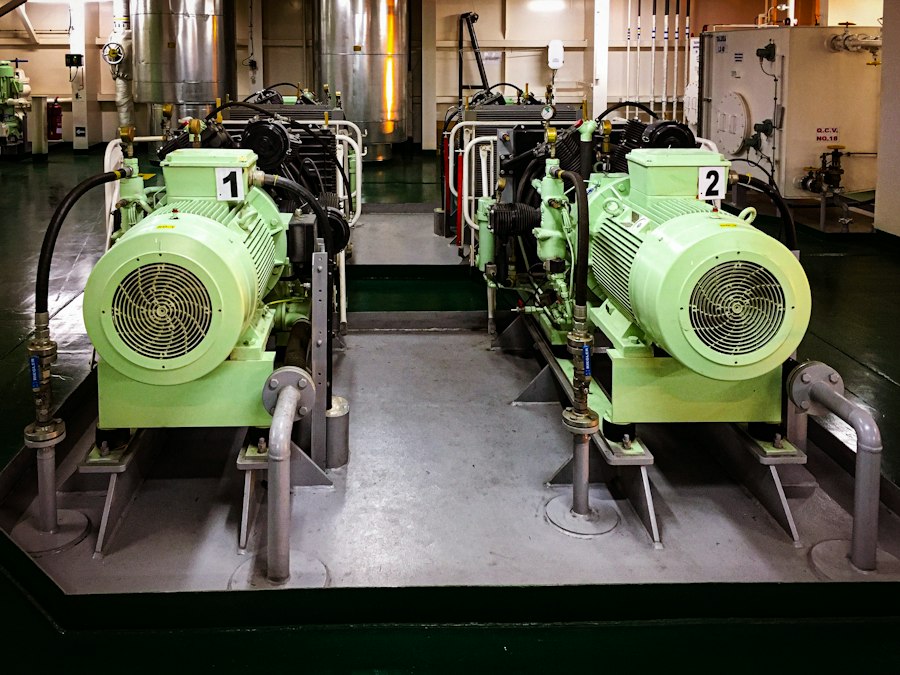
Integrating marine energy into existing coastal grids isn’t just about making electricity; it’s about seamlessly delivering it to homes and businesses. This involves a complex interplay of subsea infrastructure, grid management, and regulatory frameworks.
Subsea Cables and Transmission Challenges
Once electricity is generated by a tidal or wave energy converter, it needs to be brought ashore. This typically involves subsea export cables.
These cables are engineered to withstand the harsh marine environment, including high pressures, corrosive saltwater, and potential damage from marine activity or extreme weather. Laying and maintaining these cables is a significant undertaking, requiring specialized vessels and expertise. Protecting them from damage, especially in areas with significant fishing or shipping traffic, is paramount.
The length of these cables can be substantial, leading to transmission losses and requiring efficient voltage conversion at both the generation site and the onshore grid connection point.
Grid Integration and Stability
Integrating marine energy into the grid requires careful planning to ensure grid stability. Unlike some traditional power plants, the output from marine energy devices, especially wave energy, can fluctuate. Advanced grid management systems are needed to forecast generation, balance supply and demand, and manage voltage and frequency stability.
This often involves smart grid technologies, energy storage solutions (like batteries), and sophisticated control algorithms. For coastal grids, which might already be constrained, adding significant new generation capacity requires upgrades to existing transmission and distribution infrastructure.
Permitting and Regulatory Frameworks
Developing marine energy projects involves navigating a complex web of permits and regulations. This includes environmental impact assessments, marine spatial planning, navigation and shipping considerations, fishing rights, and national and international maritime laws.
The permitting process can be lengthy and challenging, often requiring extensive stakeholder engagement and public consultation. Clear, streamlined regulatory frameworks are essential to accelerate the deployment of these technologies, providing certainty for developers and investors.
Environmental Considerations and Sustainability
While marine energy offers a clean alternative to fossil fuels, its deployment requires careful consideration of potential environmental impacts to ensure true sustainability. It’s not a zero-impact technology, and understanding and mitigating these effects is a critical part of its development.
Impact on Marine Life: Acoustics and Habitat Alteration
One of the primary environmental concerns is the potential impact on marine life. Tidal and wave energy converters can generate underwater noise during operation, which could potentially disturb marine mammals and fish that rely on sound for communication, navigation, and foraging. The physical presence of devices and associated infrastructure (moorings, cables) can also alter habitats, creating artificial reefs or, conversely, interfering with natural sediment transport. There’s also the risk of marine animals interacting directly with moving parts of the devices, though designs are being developed to minimize this risk. Rigorous baseline studies and ongoing monitoring are essential to understand and mitigate these impacts.
Ecosystem-Level Effects: Sediment and Water Flow
Large-scale deployments, particularly tidal barrages, can significantly alter the hydrodynamics of an estuary or coastal area. This can change tidal ranges, current speeds, and sediment transport patterns, which in turn can impact intertidal zones, seabed communities, and coastal morphology. While tidal stream and wave energy devices generally have localized impacts, large arrays could cumulatively influence these broader ecosystem processes. Thorough modeling and environmental impact assessments are crucial to predict and manage these potential changes.
Mitigation Strategies and Monitoring
Developers are actively working on mitigation strategies to minimize environmental impacts. This includes using quieter designs for turbines and generators, implementing acoustic deterrents or ‘safe passage’ routes for marine animals, selecting sites away from sensitive habitats, and burying subsea cables. Extensive environmental monitoring programs are deployed both before and after installation to track changes in marine life populations, behavior, and habitat conditions. This data is vital for adaptive management and for continually improving the environmental performance of marine energy technologies.
In exploring the potential of renewable energy sources, the article on Tidal and Wave Energy Converters highlights innovative ways to harness marine power for coastal grids. This technology not only offers a sustainable alternative to fossil fuels but also addresses the growing energy demands of coastal communities. For those interested in broader trends and developments, a related article discusses the impact of social media on various industries, which can be found here. By understanding these trends, we can better appreciate how advancements in technology and media influence the adoption of renewable energy solutions.
The Future Outlook for Marine Energy
| Metric | Tidal Energy Converters | Wave Energy Converters | Notes |
|---|---|---|---|
| Average Power Output (MW) | 1 – 10 | 0.5 – 5 | Depends on site and technology |
| Capacity Factor (%) | 30 – 40 | 25 – 35 | Reflects variability of marine conditions |
| Typical Installation Depth (meters) | 20 – 50 | 5 – 30 | Shallow coastal waters preferred |
| Operational Lifespan (years) | 20 – 25 | 15 – 20 | Maintenance impacts lifespan |
| Environmental Impact | Moderate (marine life disruption) | Low to Moderate (noise and habitat) | Site-specific assessments required |
| Grid Integration | High potential for coastal grids | Moderate potential, requires smoothing | Energy storage may be needed |
| Typical Efficiency (%) | 35 – 45 | 20 – 30 | Conversion efficiency varies by design |
The marine energy sector is still relatively nascent compared to other renewables, but it holds immense promise. As technologies mature and costs come down, we can expect to see significant growth and an increasing contribution to our energy mix.
Technological Advancements and Cost Reduction
Ongoing research and development are focused on improving the efficiency, reliability, and survivability of tidal and wave energy converters. This includes exploring new materials, refining control systems, and optimizing hydrodynamic designs.
Crucially, efforts are concentrated on driving down the levelized cost of energy (LCOE) through economies of scale, standardized components, and improved installation and maintenance procedures.
As more devices are deployed, valuable operational data will inform further innovations, leading to more robust and cost-effective solutions. Learning from the wind industry’s journey, which saw dramatic cost reductions, provides an optimistic roadmap.
Global Potential and Market Growth
The global potential for tidal and wave energy is enormous. Many coastal nations, particularly those with strong tidal ranges or exposed coastlines, could significantly benefit from these resources. While Europe has been a leader in piloting these technologies, interest is growing rapidly in North America, Asia, and other regions. As governments commit to decarbonization targets and seek diverse renewable energy portfolios, marine energy is poised for substantial market growth. This will be driven by supportive policies, targeted funding programs, and a growing understanding of the benefits of predictable, high-capacity-factor generation.
Role in a Diversified Renewable Energy Mix
Marine energy isn’t expected to be a silver bullet, but rather a vital component of a diverse and resilient renewable energy mix. Its inherent predictability (for tidal) and density (for both tidal and wave) can complement intermittent sources like solar and wind, providing a more stable and dispatchable power supply. For islands and remote coastal communities, marine energy can offer greater energy independence, reduced reliance on expensive fossil fuel imports, and enhanced energy security. The path forward involves continued collaboration between researchers, industry, governments, and local communities to unlock the full potential of our oceans’ power.
FAQs
What are tidal energy converters?
Tidal energy converters are devices designed to capture the kinetic and potential energy generated by the movement of tides. They typically use turbines or other mechanisms to convert this energy into electricity, which can then be fed into the power grid.
How do wave energy converters work?
Wave energy converters harness the energy produced by surface waves on the ocean. These devices can take various forms, such as oscillating water columns or point absorbers, and they convert the mechanical energy of waves into electrical energy through hydraulic or mechanical systems.
What are the advantages of using marine power for coastal grids?
Marine power offers several advantages for coastal grids, including a reliable and consistent energy source due to predictable tidal patterns and wave activity. Additionally, it has a lower environmental impact compared to fossil fuels and can contribute to energy independence and sustainability for coastal communities.
What challenges do tidal and wave energy converters face?
Challenges for tidal and wave energy converters include high initial capital costs, technological development and efficiency improvements, environmental impacts on marine ecosystems, and the need for robust infrastructure to withstand harsh marine conditions.
Are tidal and wave energy technologies commercially viable?
While tidal and wave energy technologies have made significant advancements, their commercial viability varies by region and depends on factors such as local energy demand, resource availability, and government policies. Ongoing research and development are aimed at reducing costs and improving efficiency to enhance their market competitiveness.
Enjoying our content? Make us a preferred source on Google:
Add us as a Preferred Source on Google