

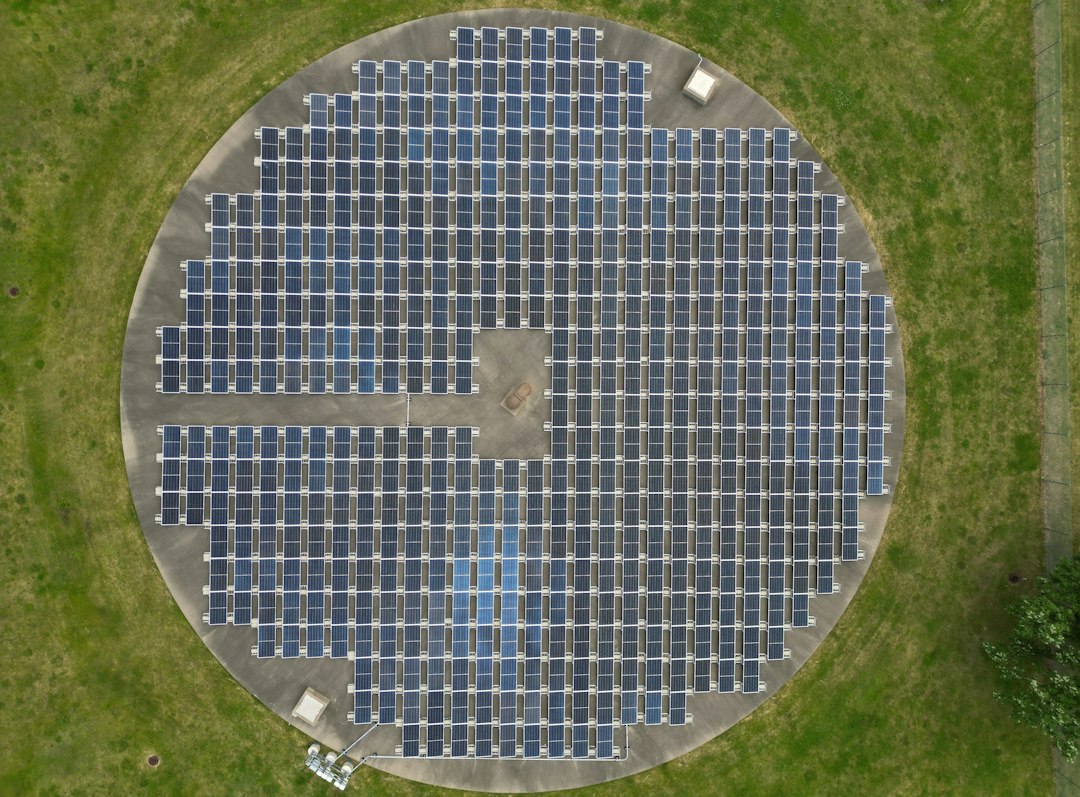
Thermal energy storage systems (TESS) play a crucial role in managing the inherent variability of solar power, helping to stabilize the electricity grid by storing excess energy when the sun shines and releasing it when needed. This article will delve into how TESS achieve this balance, exploring the various technologies and their practical applications in solar farms.
The Sunny Problem: Why Solar Needs Storage
Solar energy is fantastic for producing clean electricity, but it comes with a built-in challenge: the sun doesn’t shine all the time. Clouds pass, day turns to night, and seasonal changes impact sunlight intensity. This creates a fluctuating output that the electrical grid, which needs a constant and reliable supply, isn’t always keen on. Without storage, solar farms often have to curtail their output during peak production hours to avoid overwhelming the grid, or rely on less efficient “peaker” plants powered by fossil fuels to fill in the gaps when the sun isn’t out. This is where thermal energy storage steps in as a valuable solution. Instead of sending all the electricity directly to the grid the moment it’s generated, a portion can be converted into heat and stored, ready for later use.
The Grid’s Demand for Stability
Electricity grids are delicate balancing acts. Supply must constantly match demand. Any significant imbalance can lead to voltage fluctuations, frequency deviations, and even blackouts. Traditional power plants (like coal or nuclear) offer a high degree of dispatchability – meaning their output can be controlled to match demand. Solar, being intermittent, doesn’t offer that same level of control on its own. Integrating large amounts of solar power without effective storage can put a strain on grid operators, forcing them to find other ways to maintain stability, often at a higher cost or with less environmentally friendly options. TESS offers a way to “smooth out” the solar output, making it more dispatchable and grid-friendly.
Curtailment and Its Economic Impact
When a solar farm generates more electricity than the grid can handle or absorb at a given moment, that excess energy often has to be curtailed. This means the solar panels are instructed to produce less than their full potential.
From an economic perspective, curtailment is essentially wasted energy and lost revenue for the solar farm operator.
It also means that the initial investment in those panels isn’t being fully utilized. TESS can significantly reduce curtailment by providing an outlet for this excess energy, turning a potential loss into a valuable stored resource. This improves the overall economic viability of solar projects and accelerates the transition to renewable energy.
Thermal Energy Storage Systems play a crucial role in balancing grid fluctuations in solar farms, ensuring a stable and reliable energy supply. For those interested in exploring related technologies and innovations, a fascinating article on the latest advancements in energy-efficient devices can be found at The Best Apple Laptops 2023. This article highlights how modern computing solutions can contribute to energy efficiency, complementing the efforts of thermal energy storage in optimizing renewable energy sources.
Key Takeaways
- The training data includes information and events up to October 2023.
- Insights and knowledge are based on a wide range of sources available until the cutoff date.
- No updates or developments occurring after October 2023 are included in the training.
- Users should verify current information from reliable sources for the latest updates.
- The model’s responses reflect the context and knowledge available up to the specified date.
How Thermal Energy Storage Works
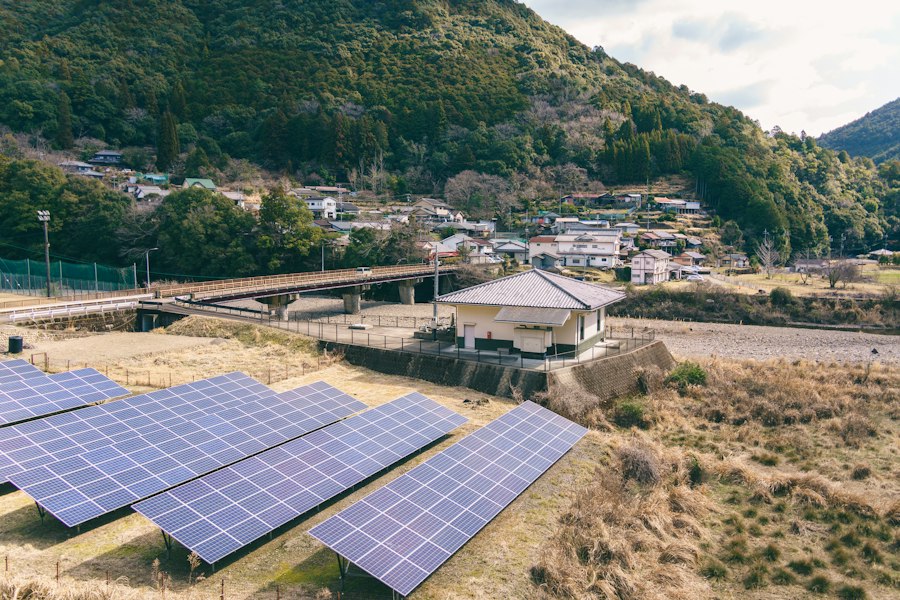
At its core, thermal energy storage involves converting electrical energy into heat, storing that heat, and then converting it back into electricity when it’s needed. This process leverages the principles of thermodynamics to manage energy flow over time. The “medium” for storing this heat varies widely, from common materials like water and molten salt to more advanced phase-change materials and even solid materials like concrete or rocks. The choice of storage medium and the overall system design depend heavily on factors like desired storage duration, temperature requirements, and cost.
The Basic Cycle of TESS
The TESS cycle typically involves three main stages:
- Charging: During periods of high solar insolation and low grid demand, excess electricity generated by the solar farm is used to heat a storage medium. This can be done directly by electrical resistance heaters or, more commonly in Concentrated Solar Power (CSP) plants, by transferring heat from the solar receivers to the storage medium.
- Storage: The heated medium is then kept in an insulated container, minimizing heat loss. The duration of storage can range from a few hours to several days, depending on the system’s capacity and design.
- Discharging: When the sun sets, clouds roll in, or grid demand peaks, the stored heat is extracted from the medium. This heat is then used to generate steam, which drives a turbine connected to a generator, producing electricity. This electricity can then be fed into the grid, effectively extending the solar farm’s operational hours and providing power when it’s most valuable.
Key Components of a TESS System
A typical TESS system, especially one integrated with a CSP plant, includes several critical components:
- Heat Transfer Fluid (HTF) Circuit: This circuit collects heat from the solar receivers (e.g., parabolic troughs or central towers) and transfers it to the storage medium or directly to the power block to generate electricity.
- Storage Tanks: These are large, insulated containers designed to hold the heated storage medium. For molten salt systems, a two-tank configuration is common: one tank for “hot” salt and one for “cold” salt.
- Heat Exchangers: These devices facilitate the transfer of heat between different fluids or materials within the system, such as from the HTF to the storage medium during charging, or from the storage medium to water to produce steam during discharging.
- Power Block (Steam Turbine and Generator): This is the conventional part of the power plant where steam, generated from the stored heat, drives a turbine to produce electricity.
- Control System: An advanced control system is essential to manage the charging and discharging cycles, monitor temperatures and pressures, and ensure efficient operation of the entire TESS and CSP plant.
Types of Thermal Energy Storage Technologies
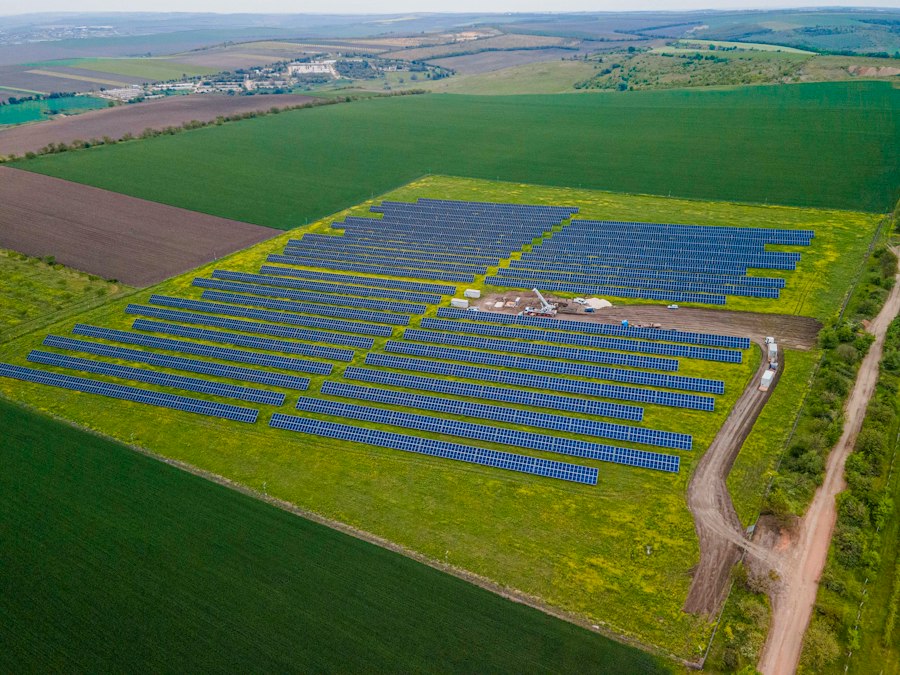
The world of thermal energy storage isn’t a one-size-fits-all scenario. Different technologies are suited for different applications, primarily based on the temperature range required, the storage duration needed, and the overall system’s economic parameters. These technologies broadly fall into categories based on the type of material used to store the heat: sensible heat, latent heat, and thermochemical storage.
Sensible Heat Storage
This is the most common and mature form of thermal energy storage.
It works by simply raising the temperature of a storage medium. The amount of energy stored is directly proportional to the mass of the material, its specific heat capacity, and the temperature difference it undergoes.
Molten Salt Systems
Molten salt is arguably the most prevalent and commercially proven sensible heat storage medium, especially for utility-scale Concentrated Solar Power (CSP) plants. A mixture of salts (often sodium nitrate and potassium nitrate) is heated to very high temperatures, typically between 290°C and 565°C (554°F and 1050°F).
- Advantages: High energy density (can store a lot of heat in a relatively small volume), good thermal stability at high temperatures, low vapor pressure, and non-flammable.
It’s also relatively inexpensive and widely available. Molten salt can act as both the heat transfer fluid and the storage medium, simplifying system design in some CSP configurations.
- Disadvantages: Requires significant insulation to prevent heat loss, can freeze at lower temperatures (around 220°C or 428°F), requiring trace heating during shutdowns.
- Application: Widely used in CSP plants globally, providing several hours of dispatchable power after sunset or during cloudy periods. Projects like the Crescent Dunes Solar Energy Project in Nevada famously demonstrated the 24/7 operation capabilities of molten salt TESS.
Oil and Synthetic Oil
Before molten salt became dominant, thermal oils were used as heat transfer fluids in CSP plants.
They can also be used as a storage medium, typically in a two-tank system similar to molten salt.
- Advantages: Good thermal stability up to around 390°C (734°F), lower freezing points than molten salt.
- Disadvantages: Lower operating temperatures limit efficiency compared to molten salt, and they can be flammable at very high temperatures.
- Application: More common in older CSP plants or smaller-scale applications where lower temperatures are sufficient.
Concrete and Rocks
Solid materials like concrete, rocks, or ceramics can also store heat as sensible heat. These materials are heated, often by air or another fluid passing through channels within them.
- Advantages: Very low cost, abundant materials, non-toxic, and can withstand high temperatures.
- Disadvantages: Lower specific heat capacity per unit volume compared to molten salt, meaning larger volumes are needed for the same energy storage. Heat transfer rates can also be slower.
- Application: Often explored for lower-temperature industrial process heat applications or as a backup storage for some CSP designs, but less common for direct grid-scale electricity generation due to efficiency concerns.
Latent Heat Storage (Phase Change Materials – PCMs)
Latent heat storage utilizes materials that absorb or release large amounts of heat when they change phase (e.g., from solid to liquid) at a constant temperature.
This “latent heat” of fusion (or vaporization) stores much more energy per unit mass than sensible heat storage over a small temperature range.
- How it works: When a PCM melts, it absorbs a significant amount of heat without changing its temperature. When it solidifies, it releases that same amount of heat.
- Advantages: High energy density at a specific temperature, allowing for more compact storage systems. This makes them attractive for applications where space is limited.
- Disadvantages: PCMs can be more expensive than sensible heat materials.
They also face challenges with thermal cycling stability (degradation over time), encapsulation to prevent leakage, and slow heat transfer rates during solidification.
- Examples: Paraffin waxes, salt hydrates, and fatty acids. There’s ongoing research into higher-temperature PCMs for CSP applications.
- Application: While widely used in building heating/cooling and small-scale applications, large-scale, high-temperature PCMs for grid-scale solar energy storage are still mostly in the research and development phase, facing challenges in scalability and long-term performance.
Thermochemical Energy Storage (TCES)
TCES stores energy by breaking and forming chemical bonds in reversible chemical reactions. When energy is available, an endothermic reaction (absorbing heat) drives the dissociation of a chemical compound.
When energy is needed, the reverse exothermic reaction (releasing heat) is triggered by recombining the products.
- How it works: Heat is used to drive a reversible chemical reaction, splitting a reactant into two or more products. These products are then stored separately. To release the heat, the products are brought back together, and they react to form the original compound, releasing the stored energy.
- Advantages: Extremely high energy density (potentially 5-10 times higher than sensible or latent heat), very low heat losses during storage (since the energy is stored chemically, not as heat), and potential for very long-duration storage.
- Disadvantages: High complexity, challenging reaction kinetics (ensuring fast and efficient forward and reverse reactions), material degradation over cycles, and high capital costs.
- Examples: Reactions involving metal hydrides, ammonia decomposition/synthesis, and various salt hydrates.
- Application: TCES is largely in the early research and demonstration stages for large-scale solar applications.
Its potential for long-duration storage makes it a promising future technology for addressing seasonal energy storage needs, but it’s not yet commercially viable for grid-scale solar farm integration.
Integration with Concentrated Solar Power (CSP)
While thermal energy storage can technically be coupled with photovoltaic (PV) solar farms (by converting PV electricity to heat via electric heaters), its most natural and efficient integration is with Concentrated Solar Power (CSP) plants. CSP technology inherently produces heat, making the direct transfer of that heat to a storage medium much more streamlined and cost-effective.
CSP’s Direct Heat Production
Unlike PV, which directly converts sunlight into electricity, CSP systems concentrate sunlight onto a receiver to generate high-temperature heat. This heat is then used to produce steam, which drives a conventional turbine-generator set, much like a fossil fuel power plant. This direct production of heat is the key to CSP’s advantage in thermal energy storage.
Parabolic Trough Systems
Parabolic trough systems are the most commercially mature CSP technology. Large, curved mirrors focus sunlight onto a receiver tube running along the focal line of each trough. A heat transfer fluid (often synthetic oil or molten salt) flows through these tubes, absorbing the concentrated heat. This heated fluid then goes through a heat exchanger to produce steam for the turbine, or it can be diverted to a thermal energy storage system.
- Storage Integration: In a parabolic trough plant with storage, the hot heat transfer fluid can directly transfer its heat to a molten salt storage system during periods of excess solar generation. When power is needed, the heat is retrieved from the molten salt and used to generate steam.
Solar Tower Systems (Central Receiver Systems)
Solar tower systems use a field of flat, sun-tracking mirrors called heliostats to concentrate sunlight onto a receiver mounted atop a central tower. This receiver heats a fluid (often molten salt or even air) to very high temperatures, sometimes exceeding 600°C (1112°F).
- Storage Integration: Solar tower systems are particularly well-suited for molten salt storage because molten salt can function as both the heat transfer fluid in the receiver and the storage medium. The hot salt directly flows from the receiver to the hot storage tank. When power is needed, it flows from the hot tank, through a heat exchanger to make steam, and then to a cold storage tank, ready to be reheated. This direct integration streamlines the system and maximizes efficiency.
Benefits of TESS for CSP Plants
Integrating TESS with CSP plants offers several significant advantages:
- Dispatchable Renewable Power: The most crucial benefit is the ability to provide power on demand, even after the sun has set or during cloudy weather. This transforms intermittent solar energy into a firm, reliable power source that can compete with conventional baseload power plants.
- Increased Capacity Factor: TESS allows the CSP plant to operate for longer hours each day, significantly increasing its capacity factor (the ratio of actual energy output over a period to the maximum possible output). A higher capacity factor means a better return on investment for the plant owner.
- Enhanced Grid Stability: By providing dispatchable power, TESS-enabled CSP plants can help balance grid fluctuations, reducing the need for fossil-fuel-based peaker plants and offering essential grid services like frequency regulation and ramp rate control.
- Reduced Curtailment: Excess solar energy, instead of being curtailed, can be stored and sold when prices are higher or demand is greater, maximizing revenue.
- Value Stacking: TESS allows CSP plants to sell electricity during peak demand hours, when electricity prices are often highest, further improving economic viability.
Thermal Energy Storage Systems play a crucial role in balancing grid fluctuations in solar farms, ensuring a stable and reliable energy supply. For those interested in exploring innovative technologies that enhance energy efficiency, a related article discusses how advancements in portable computing can support energy management solutions. This article highlights the potential of devices like the Samsung Galaxy Book2 Pro in optimizing energy consumption and facilitating real-time monitoring of energy systems. You can read more about it here.
Challenges and Future Outlook
| Metric | Value | Unit | Description |
|---|---|---|---|
| Storage Capacity | 500 | kWh | Amount of thermal energy stored in the system |
| Charge Efficiency | 85 | % | Efficiency of converting electrical energy to thermal energy |
| Discharge Efficiency | 80 | % | Efficiency of converting stored thermal energy back to electrical energy |
| Response Time | 5 | minutes | Time taken to start delivering stored energy to the grid |
| Cycle Life | 10,000 | cycles | Number of charge-discharge cycles before performance degradation |
| Grid Fluctuation Reduction | 30 | % | Percentage reduction in grid power variability due to TES |
| Operating Temperature Range | 200 – 600 | °C | Temperature range within which the TES operates efficiently |
| Thermal Loss Rate | 2 | % per day | Percentage of stored energy lost daily due to thermal dissipation |
While thermal energy storage offers immense potential for balancing solar grid fluctuations, it’s not without its challenges. Addressing these hurdles is crucial for wider adoption and continued innovation. However, the future outlook remains largely positive, driven by technological advancements and increasing demand for grid flexibility.
Current Challenges
High Capital Costs
The initial investment for TESS, especially molten salt systems, can be substantial. Building large storage tanks, acquiring the molten salt (or other storage media), and integrating complex heat exchange and control systems adds significantly to the overall project cost compared to a PV plant without storage. This can sometimes make TESS projects less competitive against other forms of generation in certain markets, though the value of dispatchability is increasingly recognized.
Round-Trip Efficiency
Converting electricity to heat, storing it, and then converting it back to electricity always involves energy losses. The round-trip efficiency of TESS systems, particularly those using an indirect conversion from electricity (e.g., PV + electric heater + TESS), can be lower than some battery storage systems. For CSP, the process is more direct heat-to-heat storage, leading to better efficiency compared to electric heating. Optimizing insulation, heat exchanger design, and turbine efficiency is critical to improving this metric.
Material Degradation and Lifetime
The materials used in TESS systems, especially at high temperatures, can experience degradation over time due to thermal cycling, corrosion, or chemical reactions. For instance, molten salts can become corrosive to containment materials if not properly managed. Phase-change materials can lose their effectiveness over many melt/freeze cycles. Ensuring long component lifetimes and minimal maintenance is essential for economic viability.
Operational Complexity
Operating a large-scale TESS system involves managing high temperatures, corrosive fluids (in some cases), and complex control strategies to optimize charging and discharging cycles based on solar availability, grid demand, and electricity prices. This requires skilled operators and sophisticated automation.
Land Footprint
Large-scale thermal energy storage systems, particularly those using sensible heat materials like molten salt, require a significant land footprint for storage tanks and associated infrastructure. This can be a limiting factor in areas with high land costs or availability constraints.
Advancements and Research Directions
Despite the challenges, significant research and development efforts are underway to enhance TESS performance and reduce costs.
Next-Generation Materials
Researchers are exploring new and improved materials for all types of TESS. For sensible heat, this includes investigating alternative molten salt mixtures, more durable ceramics, and advanced concrete formulations that can withstand higher temperatures and offer better thermal properties. For latent heat, the focus is on developing PCMs with higher energy density, better thermal cycling stability, and improved heat transfer characteristics. In thermochemical storage, the search is for reversible reactions with faster kinetics, higher energy density, and lower material costs.
System Optimization and Integration
Improving the overall system design, from receiver efficiency in CSP plants to the design of heat exchangers and power blocks, is a continuous effort. Better integration of TESS with smart grid technologies and advanced forecasting methods allows for more intelligent dispatch and market participation, maximizing the value of stored energy. Efforts are also being made to develop modular TESS solutions that can be more easily scaled and deployed.
Hybrid Systems
Combining TESS with other storage technologies (e.g., batteries) or with other renewable energy sources (e.g., wind) is another promising area.
A hybrid system could leverage the strengths of each technology – for example, batteries for short-duration, rapid response, and TESS for longer-duration bulk energy storage.
This allows for a more versatile and robust energy supply.
Cost Reduction Strategies
Economies of scale, improved manufacturing processes, and supply chain optimization are continuously driving down the cost of TESS components. Research into cheaper and more abundant storage materials also plays a crucial role. Government incentives, carbon pricing, and increasing recognition of the value of dispatchable clean power are also helping to make TESS more economically attractive.
The Role of TESS in Future Grids
Looking ahead, thermal energy storage systems are poised to play an increasingly vital role in future electricity grids dominated by renewable energy. As more intermittent solar and wind power come online, the need for flexible, long-duration energy storage will only grow. TESS, particularly when integrated with CSP, offers a unique combination of scale, dispatchability, and cost-effectiveness for bulk energy storage that can fill this gap. It will be instrumental in enabling a high penetration of renewables, ensuring grid stability, and ultimately achieving a fully decarbonized energy system. The ability of TESS to provide power for hours after sunset, or even through multiple days, distinguishes it from many shorter-duration storage solutions and positions it as a key technology for grid balancing and energy security in the transition to a sustainable future.
Enjoying our content? Make us a preferred source on Google:
Add us as a Preferred Source on Google