


The short answer to whether automated indoor air quality (IAQ) management with VOC and particulate scrubbing is a game-changer is a resounding yes. It moves us beyond simple filtration to a proactive, intelligent system that actively purifies and maintains a healthier indoor environment. This isn’t just about turning on an air purifier when things get stuffy; it’s about a sophisticated network of sensors and purification technologies working together to ensure the air you breathe indoors is consistently clean, without you having to lift a finger.
Why Automated IAQ is More Than Just an Air Purifier
Traditional air purification often involves standalone units that you switch on and off, perhaps with a timer. While these have their place, automated IAQ management takes a much more comprehensive and intelligent approach. It’s about creating a truly responsive system that understands and reacts to the dynamic nature of indoor air pollutants. Think of it less like a single appliance and more like a central nervous system for your building’s air.
The Limitations of Manual Control
Relying on manual control for air purification is inherently reactive and often inefficient. How often do you remember to turn on the air purifier after cooking, or when pollen counts are high? Even if you do, are you setting it to the optimal level? Most people don’t have a real-time understanding of their indoor air quality. We rely on visible dust, unpleasant odors, or even allergy symptoms to signal a problem, by which point we’ve likely been exposed to elevated pollutant levels for some time. This approach also leads to over-filtering when it’s not needed, wasting energy, or under-filtering when it is, failing to protect occupants.
The Power of Continuous Monitoring
The foundation of any effective automated IAQ system is continuous, real-time monitoring. This involves an array of sophisticated sensors strategically placed throughout a building. These aren’t just measuring temperature and humidity; they’re actively detecting the specific pollutants that impact health and comfort. This constant stream of data provides an accurate snapshot of the indoor environment at any given moment, enabling the system to make informed decisions about when and how to activate purification. Without this monitoring, the “automated” aspect is severely limited, effectively making it an expensive timer-based system.
Responsive Purification on Demand
With continuous monitoring feeding data into a central control unit, the system can then trigger purification mechanisms precisely when needed. Imagine a scenario where cooking generates elevated levels of volatile organic compounds (VOCs) and particulates. Instead of waiting for you to notice the smell, the sensors detect these changes and automatically ramp up the filtration and scrubbing systems in that zone. Once the air quality returns to acceptable levels, the system can dial down, saving energy. This intelligent response ensures efficient operation and consistent air quality.
In the realm of improving indoor environments, the article on Automated Indoor Air Quality Management with VOC and Particulate Scrubbing highlights innovative technologies that enhance air quality in residential and commercial spaces. For those interested in exploring related advancements in technology, you might find the article on the best tablets with SIM card slots particularly insightful, as it discusses devices that can facilitate remote monitoring and control of air quality systems. You can read more about it here: best tablets with SIM card slots.
Key Takeaways
- The training data includes information and events up to October 2023.
- Insights and knowledge are based on a wide range of sources available until the cutoff date.
- No updates or developments occurring after October 2023 are included in the training.
- Users should verify current information from reliable sources for the latest updates.
- The model’s responses reflect the context and knowledge available up to the specified date.
Understanding the Core Pollutants: VOCs and Particulates
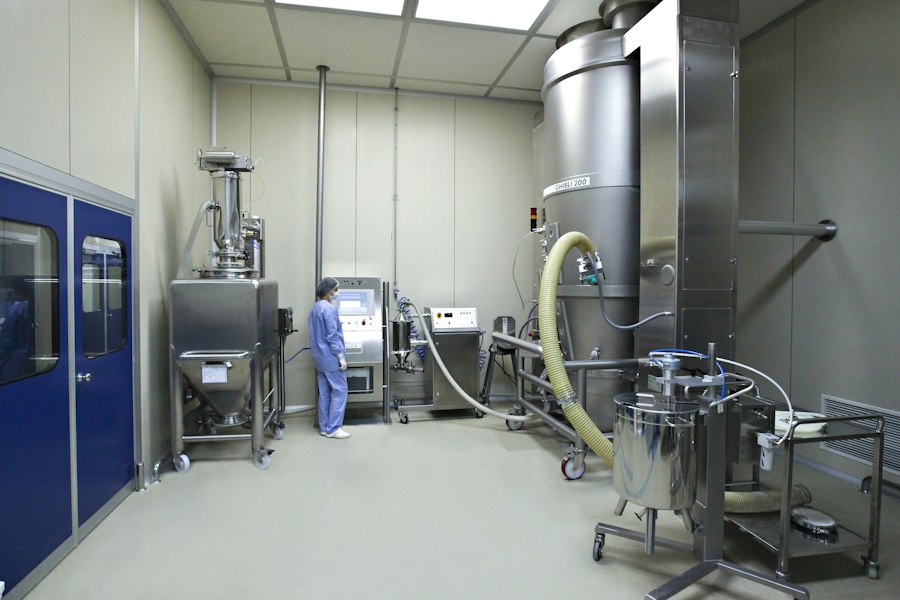
To truly appreciate automated IAQ management, it’s crucial to understand the primary targets: Volatile Organic Compounds (VOCs) and particulates. These are not just generic “bad air”; they represent distinct categories of pollutants with different origins and health impacts, requiring specific mitigation strategies.
What are Volatile Organic Compounds (VOCs)?
VOCs are a broad group of carbon-containing chemicals that readily evaporate at room temperature. They are ubiquitous in indoor environments and can originate from a surprisingly wide range of sources. The “volatile” part means they easily become gases, which is how we often smell them, though many have no odor but are still harmful.
Common Sources of VOCs
The list of VOC sources indoors is extensive. Think about the “new car smell” or the scent of fresh paint – those are VOCs. Common culprits include:
- Building materials and furnishings: Adhesives, sealants, paints, varnishes, carpets, particleboard, and upholstery can off-gas VOCs for extended periods. Formaldehyde is a well-known example.
- Cleaning products: Disinfectants, air fresheners, furniture polish, and detergents often contain various VOCs.
- Personal care products: Cosmetics, perfumes, hair sprays, and nail polish removers contribute to the indoor VOC load.
- Office equipment: Printers, copiers, and even certain types of markers can release VOCs.
- Hobbies and crafts: Glues, paints, solvents, and other materials used in hobbies.
- Cooking and combustion: Burning candles, gas stoves, and even some cooking processes can release VOCs.
- Outdoor air infiltration: VOCs from traffic, industrial emissions, or agricultural activities can enter buildings.
Health Impacts of VOCs
Exposure to VOCs can have a range of health effects, depending on the specific compound, concentration, and duration of exposure. Short-term effects often include:
- Eye, nose, and throat irritation
- Headaches
- Nausea
- Dizziness
- Allergic skin reactions
- Exacerbation of asthma symptoms
Long-term or chronic exposure to certain VOCs has been linked to more serious health concerns, including:
- Damage to the liver, kidney, and central nervous system
- Some VOCs are known or suspected carcinogens (e.g., benzene, formaldehyde).
Understanding the presence and sources of VOCs is critical, as they often contribute to “sick building syndrome” and can significantly impact occupant well-being and productivity.
What are Particulates (Particulate Matter)?
Particulate matter, often abbreviated as PM, refers to a mixture of solid particles and liquid droplets suspended in the air. Unlike VOCs, which are gases, particulates are physical bits of material. They vary widely in size and composition, and their size is a crucial factor in determining their health impact.
Classifying Particulates by Size
The most common classifications for indoor air quality purposes are based on particle diameter:
- PM10: Inhalable particles with diameters generally 10 micrometers and smaller. These can include dust, pollen, mold spores, and some smoke particles. They can get into the lungs but are often filtered out in the upper respiratory tract.
- PM2.5: Fine inhalable particles with diameters generally 2.5 micrometers and smaller. These are particularly concerning because their small size allows them to travel deep into the lungs and even enter the bloodstream. Sources include combustion particles from vehicles, industrial processes, cooking, candles, and wildfires.
- Ultrafine Particles (UFP): Particles smaller than 0.1 micrometers. These are the most dangerous as they can easily penetrate biological membranes and are associated with significant health risks. Sources are similar to PM2.5, often from combustion processes.
Common Sources of Particulates
Particulates can originate from both indoor and outdoor sources:
- Indoor sources:
- Cooking: Frying, grilling, and even baking can release significant amounts of PM2.5 and UFPs.
- Candles and fireplaces: Burning biomass or candles releases soot and other combustion byproducts.
- Smoking: Tobacco smoke is a major source of PM.
- Dust mites, pet dander, mold spores, pollen: These biological particles are common allergens.
- Skin flakes: Human skin cells are a component of household dust.
- Cleaning activities: Vacuuming, sweeping, and dusting can stir up settled particles.
- Outdoor sources:
- Traffic emissions: Exhaust from vehicles is a major contributor, especially PM2.5 and UFPs.
- Industrial emissions: Factories and power plants.
- Wildfires and agricultural burning: Smoke can travel long distances.
- Dust from construction or natural erosion: Wind-blown soil.
Health Impacts of Particulates
The health effects of particulate matter are well-documented and can be severe, especially for PM2.5 and UFPs:
- Respiratory issues: Irritation of airways, coughing, wheezing, shortness of breath.
- Cardiovascular problems: Increased risk of heart attacks and strokes, irregular heartbeats.
- Exacerbation of existing conditions: Worsening of asthma, chronic obstructive pulmonary disease (COPD), and bronchitis.
- Reduced lung function: Especially in children and the elderly.
- Increased susceptibility to infections: Impaired immune response.
- Premature death: Long-term exposure to high levels of PM2.5 is a leading cause of premature mortality globally.
Understanding the distinct characteristics of VOCs and particulates highlights why a comprehensive automated IAQ system needs to address both effectively, using tailored scrubbing and filtration techniques.
The Technologies Behind the Scrubbing Process
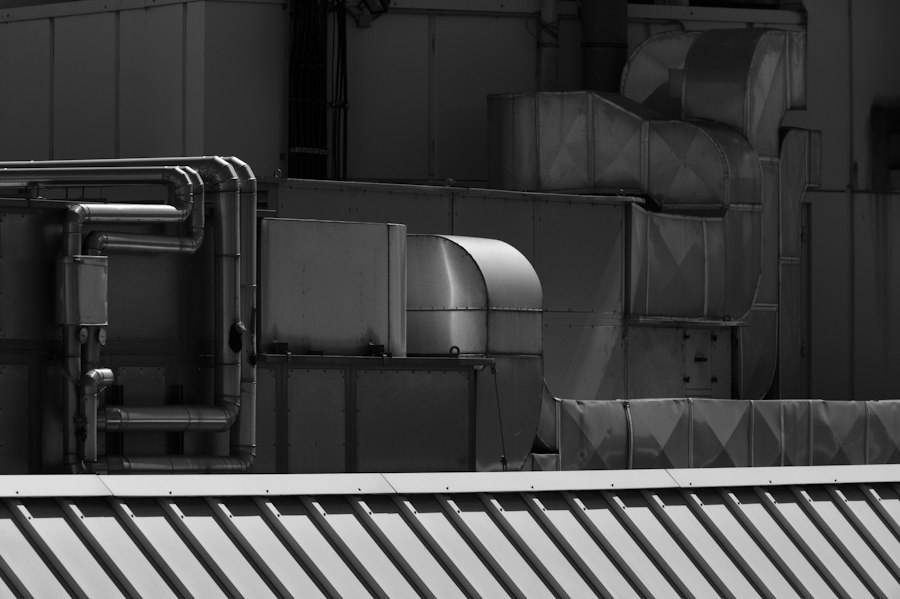
Automated IAQ management isn’t just about detection; it’s about active remediation. The “scrubbing” process for VOCs and particulates involves a combination of advanced filtration and purification technologies designed to remove these pollutants from the air. This isn’t a one-size-fits-all solution; different pollutants require different approaches.
Particulate Scrubbing: Advanced Filtration
Removing particulate matter primarily relies on sophisticated filtration systems.
While a basic furnace filter might catch large dust bunnies, effective IAQ management requires much finer filtration.
HEPA Filtration
High-Efficiency Particulate Air (HEPA filters) are the gold standard for particulate removal. A true HEPA filter is designed to capture 99.97% of particles that are 0.3 micrometers in diameter. While 0.3 micrometers is often cited, HEPA filters are actually even more efficient at capturing particles both larger and smaller than this specific size.
They work by a combination of impaction, interception, and diffusion, effectively trapping even very fine particles like PM2.5, pollen, mold spores, pet dander, and some bacteria and viruses. In automated systems, HEPA filters are typically integrated into HVAC systems or dedicated air purification units, with sensors monitoring airflow and pressure to indicate when filter replacement is due.
MERV Ratings and Their Importance
Minimum Efficiency Reporting Value (MERV) ratings indicate a filter’s ability to capture larger particles between 0.3 and 10 micrometers. The higher the MERV rating (scale typically 1-20), the more efficient the filter.
For general residential use, MERV 8-11 is often sufficient for basic protection, but for enhanced IAQ, MERV 13-16 is often recommended as it can capture finer particles and some larger bacteria. Automated systems can integrate higher MERV filters, ensuring a higher baseline of particulate removal throughout the building, complementing HEPA filters for targeted, higher-grade purification. However, it’s important to balance MERV rating with airflow, as very high MERV filters can restrict air movement if the HVAC system isn’t designed for it.
Electrostatic Precipitators
Electrostatic precipitators (ESPs) work by electrically charging particulate matter as it passes through the unit.
These charged particles are then attracted to oppositely charged collection plates, effectively removing them from the airstream. ESPs can be highly effective at removing very fine particles, including smoke and some ultrafine particles, without significant airflow restriction. They can be cleaned and reused, which can reduce replacement costs compared to disposable filters.
However, they can produce ozone (a lung irritant) as a byproduct if not properly designed and maintained, and their efficiency can decrease if the collection plates become heavily soiled. Automated systems can monitor ozone levels and collection plate cleanliness to ensure optimal performance.
VOC Scrubbing: Advanced Air Purification
Removing gaseous VOCs requires different technologies than filtering solid particulates. This is where chemical and molecular approaches come into play.
Activated Carbon Filters
Activated carbon (also known as activated charcoal) is a highly porous material that excels at adsorbing VOCs and odors.
Adsorption is a process where gas molecules stick to the surface of the carbon rather than being absorbed into it. The vast surface area within activated carbon makes it incredibly effective at trapping a wide range of gaseous pollutants. Automated systems integrate large beds of activated carbon, often in conjunction with particulate filters.
The system can monitor VOC levels and even estimate the saturation of the carbon filter based on detected VOC loads, signaling when it’s time for replacement. The effectiveness varies depending on the type and amount of carbon, and the specific VOCs present.
Photocatalytic Oxidation (PCO)
PCO technology uses ultraviolet (UV) light in conjunction with a titanium dioxide (TiO2) catalyst. When UV light hits the TiO2 surface, it creates highly reactive hydroxyl radicals and super-oxide ions.
These powerful oxidizers then break down VOCs at a molecular level, converting them into harmless substances like carbon dioxide and water vapor. PCO is effective at destroying a broad spectrum of VOCs rather than just trapping them. However, it’s crucial that PCO systems are properly engineered, as incomplete oxidation can sometimes produce undesirable byproducts (like formaldehyde or ozone) if not managed correctly.
Modern automated systems often incorporate safeguards and intelligent control to optimize the PCO process and monitor for such byproducts.
Other Chemical Adsorbents
Beyond activated carbon, other specialized chemical adsorbents can be used to target specific VOCs. For example, some materials are impregnated with chemicals designed to react with and neutralize particular harmful gases, such as formaldehyde or sulfur dioxide. These can be used in conjunction with activated carbon or as standalone solutions for specific industrial or highly contaminated environments.
The selection of these adsorbents in an automated system would be based on the specific anticipated pollutant profile of the indoor space.
By combining these diverse technologies – advanced particulate filtration for solids and specialized chemical or oxidative processes for gases – automated IAQ management systems provide a multi-pronged defense against a wide array of indoor air pollutants, ensuring a truly scrubbed and clean environment.
The Automation Layer: Sensors, Software, and Control
The “automated” aspect is what truly elevates these systems beyond simple purification units. It’s the intelligent integration of sensors, sophisticated software, and responsive control mechanisms that allow for proactive, efficient, and tailored air quality management.
The Role of Smart Sensors
Sensors are the eyes and ears of an automated IAQ system. Without accurate, real-time data, the system cannot make informed decisions. Modern IAQ sensors are far more advanced than basic temperature and humidity probes.
Multi-Pollutant Sensing
Effective automated systems employ multi-pollutant sensors capable of detecting various contaminants simultaneously. This typically includes:
- VOC sensors: These detect total VOCs (tVOCs) or can sometimes be calibrated for specific common VOCs like formaldehyde. They provide an overall indicator of chemical pollutant load.
- Particulate matter sensors: Often capable of distinguishing between PM10, PM2.5, and sometimes even ultrafine particles, giving a precise measure of airborne solid and liquid particles.
- Carbon Dioxide (CO2) sensors: While CO2 itself isn’t a primary pollutant in small concentrations, high levels indicate poor ventilation and can lead to drowsiness and cognitive impairment. It also serves as a good proxy for human occupancy and other bio-effluents.
- Temperature and Humidity sensors: These are essential for comfort and can also influence the off-gassing rates of some VOCs and the growth of mold.
- Other specialized sensors: Depending on the environment, systems might include sensors for carbon monoxide (CO), ozone (O3), nitrogen dioxide (NO2), or specific industrial chemicals.
Placement and Calibration
Sensor placement is critical. A single sensor in a large open-plan office won’t provide an accurate picture. Automated systems often deploy a network of sensors strategically across different zones, rooms, or even within individual HVAC ducts. This allows for localized monitoring and targeted intervention. Regular calibration is also vital to ensure the sensors remain accurate over time, preventing false readings that could lead to inefficient operation or insufficient purification. Automated systems can often detect sensor drift and flag maintenance requirements.
The Brain: Software and Algorithms
The raw data from the sensors is meaningless without intelligent software to interpret it and make decisions. This is where the advanced algorithms come into play.
Data Aggregation and Analysis
All sensor data is collected and aggregated by a central control unit or a cloud-based platform.
The software analyzes this data in real-time, looking for trends, anomalies, and exceedances of predefined thresholds.
For example, it can identify if VOC levels are consistently high in a particular area during certain hours, or if PM2.5 spikes after a specific activity. This deep analysis allows for a much more nuanced understanding of indoor air quality dynamics than simple instantaneous readings.
Predictive Modeling and Machine Learning
More sophisticated systems can incorporate predictive modeling and machine learning. By analyzing historical data, the system can learn patterns – for instance, knowing that cooking in the staff kitchen often leads to PM2.
5 spikes, or that meeting rooms see elevated CO2 levels during peak hours.
This allows the system to anticipate potential air quality issues and proactively adjust ventilation or purification BEFORE pollutant levels become problematic, rather than merely reacting. For example, it might pre-purge a meeting room before a large gathering.
User Interface and Reporting
A user-friendly interface is crucial for monitoring and control. This can be a central touchscreen, a web dashboard, or a mobile app. It provides occupants or facility managers with a clear overview of current air quality, historical data, and system status. Comprehensive reporting capabilities allow for long-term analysis, demonstrating compliance with IAQ standards, identifying persistent problem areas, and validating the system’s effectiveness and ROI.
Intelligent Control and Optimization
This is where the automation truly shines, translating data and analysis into actionable commands.
Variable Speed Fan Control
One of the most common control mechanisms is variable speed fan control. When sensors detect elevated pollutant levels, the system can automatically increase the fan speed of HVAC systems or dedicated air purifiers to boost air circulation and purification rates. Conversely, when air quality is good, fan speeds can be reduced, saving energy. This dynamic adjustment is far more efficient than constant high-speed operation.
Zoned Purification
With a network of sensors, automated systems can implement zoned purification. If VOCs spike in a specific conference room, the system can increase purification in that zone only, without over-filtering other areas where air quality is fine. This targeted approach maximizes efficiency and minimizes energy waste.
Integration with HVAC and Building Management Systems (BMS)
True automation involves seamless integration with a building’s existing HVAC and broader Building Management Systems. This allows for a holistic approach where the IAQ system can coordinate with ventilation, heating, and cooling. For example, if CO2 levels are high, the system can signal the HVAC to increase fresh air intake. If outdoor air quality is poor (e.g., high pollen or pollution), the system can reduce fresh air intake and rely more heavily on indoor recirculation with enhanced filtration. This integrated control ensures that all building systems work in concert to achieve optimal indoor environmental conditions.
Automated Maintenance Alerts
The system can monitor the operational status of filters, UV lamps, and other components. Based on usage, detected pollutant loads, or pressure differentials, it can automatically alert facility managers when filters need changing, UV lamps need replacing, or other maintenance is required. This proactive approach ensures the system continues to operate at peak efficiency and avoids costly downtime or diminished performance.
In exploring the advancements in Automated Indoor Air Quality Management, particularly with VOC and particulate scrubbing technologies, one can gain further insights from a related article that discusses the importance of optimizing indoor environments for health and productivity. For those interested in enhancing their understanding of these technologies, the article provides valuable information on how effective air quality management can significantly impact overall well-being. You can read more about it in this informative piece.
The Benefits of a Proactive Approach to IAQ
| Metric | Description | Typical Range | Unit | Target Value |
|---|---|---|---|---|
| VOC Concentration | Volatile Organic Compounds level in indoor air | 0.1 – 5 | ppm | < 0.5 |
| Particulate Matter (PM2.5) | Fine particulate matter concentration | 5 – 150 | µg/m³ | < 12 |
| Air Exchange Rate | Number of air changes per hour | 0.5 – 5 | ACH | 2 – 4 |
| Scrubber Efficiency (VOC) | Percentage of VOCs removed by scrubbing system | 70 – 99 | % | > 90 |
| Scrubber Efficiency (PM2.5) | Percentage of particulate matter removed by scrubbing system | 80 – 99 | % | > 95 |
| CO2 Concentration | Carbon dioxide level as indicator of ventilation | 400 – 2000 | ppm | < 1000 |
| Relative Humidity | Indoor air moisture content | 20 – 70 | % | 30 – 50 |
| System Response Time | Time to reduce VOC or PM levels after detection | 1 – 10 | minutes | < 5 |
Implementing an automated indoor air quality management system with VOC and particulate scrubbing offers a multitude of advantages that go far beyond just “cleaner air.” It represents a strategic investment in health, efficiency, and overall well-being.
Enhanced Health and Well-being for Occupants
This is arguably the most significant benefit. Continuously clean air directly translates to a healthier environment for everyone inside the building.
Reduction in Respiratory Issues and Allergies
By actively scrubbing particulates like pollen, dust mites, pet dander, mold spores, and fine airborne particles (PM2.5), automated systems significantly reduce triggers for allergies, asthma, and other respiratory conditions. For individuals prone to these issues, this can mean fewer symptoms, reduced reliance on medication, and an overall improvement in quality of life. Even for healthy individuals, reduced exposure to irritants lessens the burden on the respiratory system.
Mitigation of “Sick Building Syndrome” Symptoms
Many common, non-specific symptoms associated with “sick building syndrome” – headaches, fatigue, dizziness, eye/nose/throat irritation – are often linked to elevated levels of VOCs. By continuously monitoring and removing these gaseous pollutants, automated systems can drastically reduce the occurrence and severity of these symptoms, leading to a more comfortable and productive indoor environment.
Improved Cognitive Function and Productivity
Studies have shown a direct link between good indoor air quality (especially lower CO2 and VOC levels) and improved cognitive function, decision-making, and productivity. When the air is clean, occupants experience less mental fog, fewer distractions from irritants, and higher energy levels. In workplaces, this can translate into fewer errors, increased output, and a more engaged workforce. In educational settings, it can lead to better learning outcomes.
Decreased Spread of Airborne Pathogens
While not their primary function, high-efficiency particulate filters (like HEPA or MERV 13+) can capture airborne bacteria and viruses, contributing to a reduction in the spread of infectious diseases. This is particularly relevant in shared spaces and during flu seasons, adding an extra layer of protection for occupants.
Energy Efficiency and Cost Savings
While there’s an initial investment, automated IAQ systems are designed to operate intelligently, leading to significant long-term energy and cost savings.
Optimized Filter Lifespan
Instead of scheduled, often premature, filter changes, automated systems can monitor filter saturation (e.g., via pressure differential sensors). This means filters are only replaced when truly spent, maximizing their lifespan and reducing material waste and replacement costs. Conversely, it ensures filters aren’t overused and losing efficiency.
Reduced HVAC Load and Energy Consumption
By ensuring cleaner indoor air, the system can potentially reduce the need for excessive fresh air intake when outdoor air quality is poor. Instead, it can rely on efficient indoor recirculation and scrubbing. This reduces the energy needed to heat, cool, or dehumidify large volumes of outdoor air, which is often a major energy consumer in buildings. Furthermore, variable fan speed control ensures that purification is only intensified when necessary, preventing constant, high-power operation.
Lower Maintenance and Operational Costs
Automated alerts for maintenance needs ensure that system components (like UV lamps, sensors, or specific adsorbent media) are serviced or replaced precisely when required, preventing catastrophic failures or prolonged periods of inefficient operation. This proactive maintenance can reduce emergency repairs and extend the overall lifespan of the system.
Compliance and Reputation
In an increasingly health-conscious world, demonstrating a commitment to superior IAQ can have significant reputational and compliance benefits.
Meeting and Exceeding IAQ Standards
Automated systems provide continuous data logging and reporting, making it easier to demonstrate compliance with existing IAQ standards (e.g., ASHRAE 62.1) and internal health protocols. This data-driven approach offers verifiable proof of a healthy indoor environment.
Enhanced Brand Image and Tenant/Employee Satisfaction
Buildings that prioritize and visibly demonstrate excellent indoor air quality gain a competitive edge. For commercial properties, this can attract and retain tenants. For businesses, it enhances employee satisfaction, morale, and can be a key differentiator in attracting top talent. It signals a company or landlord that truly cares about the well-being of its people.
Future-Proofing for Regulations
As understanding of indoor air pollutants and their health impacts grows, it’s likely that IAQ regulations will become stricter. Investing in a robust automated system today can help future-proof a building against these evolving standards, avoiding costly retrofits down the line.
In essence, automated IAQ management with VOC and particulate scrubbing isn’t just a luxury; it’s a smart, sustainable, and responsible investment that pays dividends in health, efficiency, and reputation.
Enjoying our content? Make us a preferred source on Google:
Add us as a Preferred Source on Google