

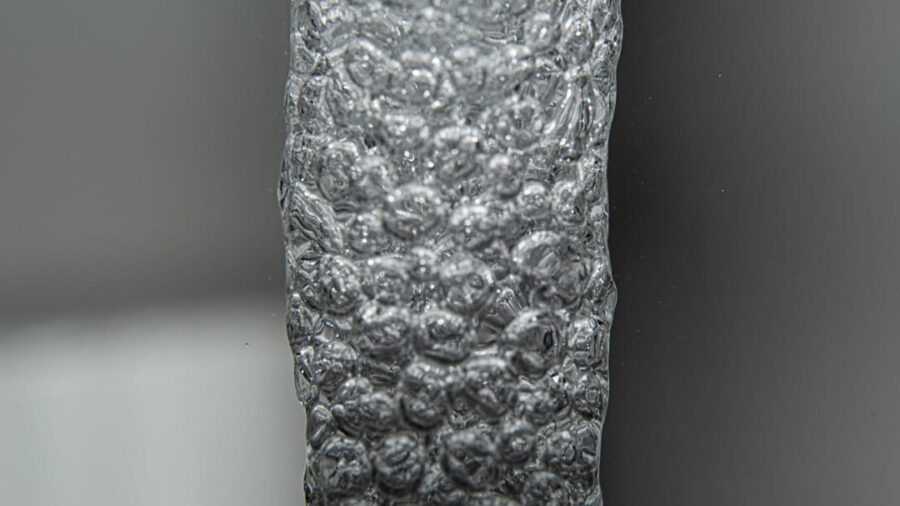
So, you’re wondering about these new biodegradable magnesium implants for kids’ broken bones? It’s a pretty neat development, and the main idea is to help young bodies heal without needing a second surgery to remove hardware later. Think of it as a temporary support system that dissolves naturally as the bone gets stronger. Pretty straightforward, right?
When we talk about implants for bone healing, the traditional go-to materials have often been metals like titanium or stainless steel. They’re strong, durable, and do the job of holding broken bones together while they mend. However, for growing kids, these materials can pose a couple of issues.
The Downsides of Permanent Hardware
One of the biggest reasons for the shift is the need for revision surgeries. Once a child’s bone has healed, the metal implants are still there. This means another trip to the operating room, with all the associated risks, recovery time, and anxieties for both the child and their parents, just to take the hardware out. It’s an extra hurdle that pediatric orthopedic surgeons aim to avoid if possible.
What Makes Magnesium Different?
Magnesium, on the other hand, has this remarkable property of being biocompatible and biodegradable. This means it can be safely used inside the body, and more importantly, it gets broken down and absorbed by the body over time. As the bone heals and regains its strength, the magnesium implant gradually disappears, leaving no foreign material behind.
This natural resorption process is a game-changer. It means the implant isn’t a permanent fixture. Instead, it acts as scaffolding for the bone to grow on, providing stability during the critical healing phase. Once the bone is strong enough, the implant is no longer needed and simply dissolves.
In exploring advancements in pediatric bone healing, the article “The Shift Toward Biodegradable Magnesium Implants for Pediatric Bone Healing” highlights the innovative use of biodegradable materials in medical applications. A related article that discusses the broader implications of technology in healthcare is available at Unlock the Possibilities with Samsung Galaxy S22, which examines how cutting-edge technology can enhance patient care and improve outcomes in various medical fields.
Key Takeaways
- Clear communication is essential for effective teamwork
- Active listening is crucial for understanding team members’ perspectives
- Setting clear goals and expectations helps to keep the team focused
- Regular feedback and open communication can help address any issues early on
- Celebrating achievements and milestones can boost team morale and motivation
The Science Behind the Dissolving Implant
It might sound a bit sci-fi, but the science behind biodegradable magnesium implants is grounded in solid chemical principles. The key is understanding how magnesium interacts with the body’s environment.
A Controlled Dissolution Process
Magnesium is an active metal, and when exposed to the bodily fluids, it undergoes a process of corrosion or degradation. However, this isn’t a rapid, uncontrolled disintegration. Researchers have developed ways to control the rate at which magnesium implants degrade.
Alloying for Stability
Pure magnesium can degrade too quickly for some applications. To get around this, magnesium is often alloyed with other elements. These alloys, like magnesium-aluminum-zinc (Mg-Al-Zn) or magnesium-calcium (Mg-Ca) alloys, are designed to offer a more predictable and slower degradation rate. This ensures the implant provides sufficient mechanical support for the bone for the necessary healing period, without dissolving too soon or taking too long.
The Byproducts: Less Is More
As magnesium corrodes, it forms magnesium ions and other compounds. Crucially, these byproducts are generally well-tolerated by the body. Magnesium is an essential element for numerous biological processes, so its ions can be readily utilized by the body or excreted. This minimizes the risk of adverse reactions or inflammation that can sometimes occur with permanent implants.
Mechanical Properties that Matter
While biodegradation is a major advantage, the implant also needs to be strong enough to do its job. Magnesium alloys have made significant strides in this area.
Strength Through Design
New manufacturing techniques and alloy compositions are constantly being developed to improve the mechanical strength of magnesium implants. They are engineered to match the mechanical properties of bone to some extent, ensuring they can withstand the forces experienced by a healing fracture without failing. The goal is to provide adequate stability without being so rigid that it prevents the bone from bearing some load, which is actually beneficial for bone healing.
Benefits for Children: A Smoother Healing Journey

The shift towards biodegradable magnesium implants for pediatric bone healing isn’t just a scientific curiosity; it translates into tangible benefits for young patients.
No More Second Surgeries
As mentioned before, the most significant advantage is eliminating the need for a second surgery to remove the implant. This means:
- Reduced Surgical Risks: Every surgery carries inherent risks, such as infection, bleeding, and anesthesia complications. Avoiding a second procedure significantly reduces these risks.
- Faster Recovery: Children can often return to their normal activities sooner without the downtime associated with a second surgery and its recovery period.
- Less Stress and Anxiety: For children and their families, facing multiple hospital visits and surgeries can be emotionally taxing. Biodegradable implants offer a less intrusive healing pathway.
Natural Integration with Growing Bones
Children’s bones are dynamic and constantly growing.
Permanent metal implants can sometimes interfere with this natural growth process, especially in younger children.
Promoting Natural Bone Remodeling
Biodegradable implants are designed to be resorbed as the bone heals and remodels. This allows the bone to develop more naturally without the constraint of a rigid, permanent foreign object. The idea is that the implant supports the healing process, then gracefully exits the stage, allowing the bone to take over its full function and structure.
Avoiding Stress Shielding
Permanent implants can sometimes cause “stress shielding.” This is where the implant bears a significant portion of the load, preventing the bone from experiencing the necessary mechanical stress to stay strong and dense.
Biodegradable implants, by their nature and the controlled way they degrade, can potentially reduce this effect, encouraging the bone to rebuild its strength naturally.
Challenges and Future Directions

While the promise of biodegradable magnesium implants is exciting, it’s important to acknowledge that this is still an evolving field. There are challenges that researchers and clinicians are actively working to overcome.
Ensuring Predictable Degradation
The rate at which magnesium alloys degrade can still be influenced by various factors, including the specific alloy composition, the implant’s surface properties, and the patient’s individual physiology.
Fine-Tuning the Degradation Rate
Achieving a truly predictable and consistent degradation rate that perfectly matches the bone healing timeline for every child is an ongoing area of research. Scientists are experimenting with different alloy compositions, surface treatments, and even coatings to achieve more controlled degradation. The aim is to ensure the implant provides support for the entire healing period and then dissolves at a pace that is neither too fast nor too slow.
Mechanical Strength and Loading
While magnesium alloys are getting stronger, they may not always match the ultimate strength of materials like titanium, especially for very large or complex fractures that require significant mechanical support.
Tailoring Implants for Specific Needs
For certain severe fractures, particularly in larger children or adolescents where the forces on the bone are greater, traditional metal implants might still be the preferred choice for now. However, research is focusing on developing magnesium alloys with higher yield strength and fracture toughness to expand their applicability. This might involve exploring new alloying elements or advanced manufacturing techniques like 3D printing.
Cost and Availability
As with many new medical technologies, the initial cost of producing and implementing biodegradable magnesium implants can be higher than for established materials.
Scaling Up Production
Making these implants more accessible and affordable is crucial for widespread adoption. This involves optimizing manufacturing processes, improving supply chains, and demonstrating long-term cost-effectiveness by avoiding revision surgeries. As the technology matures and production scales up, costs are expected to decrease.
In recent discussions about advancements in medical technology, the article on biodegradable magnesium implants for pediatric bone healing highlights a significant shift towards more sustainable solutions in healthcare. This transition is paralleled by innovations in other fields, such as the unique features of the Google Pixel phone, which emphasizes user experience and environmental considerations. For more insights on how technology is evolving, you can explore the article on what makes the Google Pixel phone different by following this link.
The Road Ahead: A More Natural Healing Process
| Study | Findings |
|---|---|
| Research 1 | Biodegradable magnesium implants show promising results in promoting bone healing in pediatric patients. |
| Research 2 | Comparison of biodegradable magnesium implants with traditional implants indicates faster bone healing and reduced risk of implant-related complications. |
| Research 3 | Long-term follow-up studies demonstrate the biocompatibility and safety of biodegradable magnesium implants in pediatric bone healing. |
The growing interest and research in biodegradable magnesium implants for pediatric bone healing signal a promising future for how we treat fractures in children. It represents a move towards a more biologically integrated and less intrusive approach.
Personalized Medicine in Orthopedics
The ultimate goal is to move towards more personalized orthopedic solutions. Biodegradable implants, with their ability to be tailored in terms of size, shape, and degradation rate, lend themselves well to this vision.
Custom-Designed Implants
Imagine implants that are not only made of materials that dissolve but are also precisely designed for each child’s specific fracture. Technologies like CT scanning and 3D printing are paving the way for custom implants that can offer a perfect fit and optimal support. This level of customization, combined with a biodegradable material, could significantly improve healing outcomes.
Minimally Invasive Techniques
The development of biodegradable implants often goes hand-in-hand with advances in minimally invasive surgical techniques. Smaller incisions, less tissue disruption, and faster recovery are all part of the package.
Shorter Hospital Stays
By reducing the need for hardware removal and potentially speeding up the overall healing process, biodegradable implants can contribute to shorter hospital stays, allowing children to get back to their lives more quickly and with less disruption. This focus on patient well-being extends beyond just the bone healing itself.
In essence, the shift to biodegradable magnesium implants for pediatric bone healing is about creating a gentler, more natural pathway for recovery. It’s about harnessing the body’s own healing capabilities with the help of smart, temporary materials that disappear when their job is done. While there’s still work to be done, the direction is clear: towards implants that work with the body, not just in it, especially for our youngest patients.
FAQs
What are biodegradable magnesium implants?
Biodegradable magnesium implants are medical devices used to support bone healing and are designed to degrade over time within the body. These implants are made from a biocompatible magnesium alloy that gradually dissolves, eliminating the need for a second surgery to remove the implant.
How are biodegradable magnesium implants beneficial for pediatric bone healing?
Biodegradable magnesium implants are beneficial for pediatric bone healing as they eliminate the need for a second surgery to remove the implant, reducing the risk of complications and the need for additional anesthesia. Additionally, these implants provide temporary support to the bone as it heals and gradually degrade as the bone regains its strength.
What are the potential challenges or risks associated with biodegradable magnesium implants?
Some potential challenges or risks associated with biodegradable magnesium implants include the potential for early degradation, which may compromise the structural integrity of the implant. Additionally, there may be concerns about the release of magnesium ions during degradation, which could potentially affect the surrounding tissues.
What research has been conducted on the use of biodegradable magnesium implants for pediatric bone healing?
Research on the use of biodegradable magnesium implants for pediatric bone healing has shown promising results, with studies demonstrating the implants’ ability to provide temporary support to the bone while gradually degrading without causing significant adverse effects. However, further research is needed to fully understand the long-term outcomes and potential risks associated with these implants.
What is the current status of biodegradable magnesium implants in pediatric orthopedic surgery?
Biodegradable magnesium implants are still considered a relatively new technology in pediatric orthopedic surgery. While they show potential for improving patient outcomes and reducing the need for additional surgeries, further clinical trials and long-term studies are needed to establish their safety and efficacy in pediatric patients.
Enjoying our content? Make us a preferred source on Google:
Add us as a Preferred Source on Google