

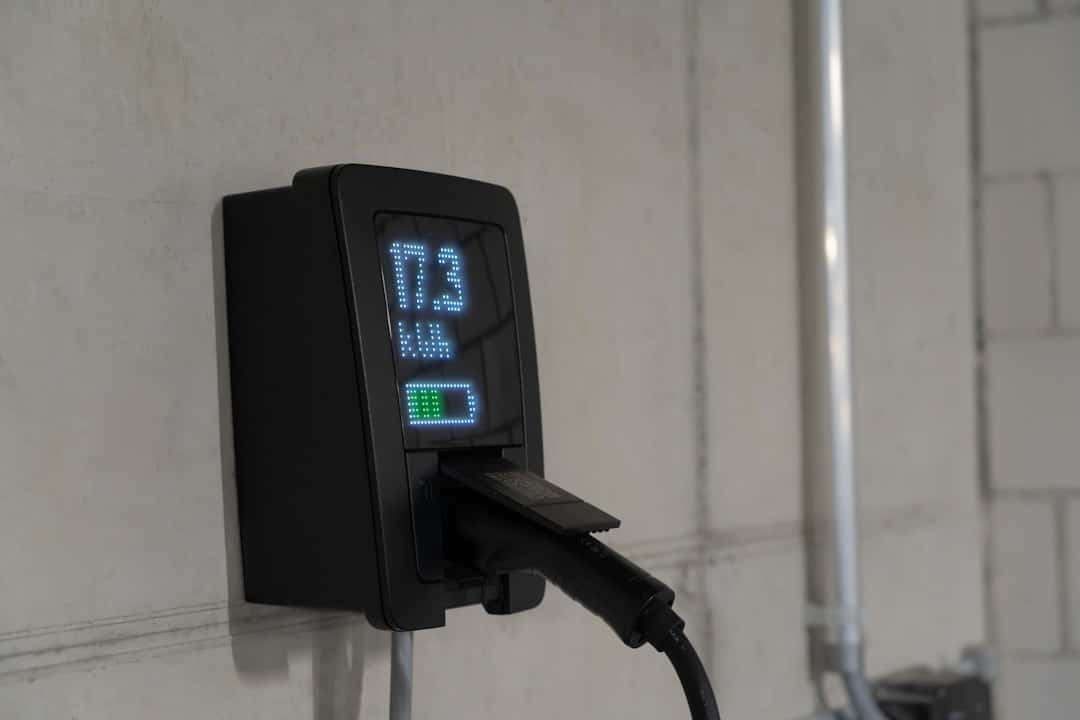
The electrical panel, once a silent, often overlooked component of a building’s infrastructure, is undergoing a significant transformation. This evolutionary leap is giving rise to the smart electrical panel, a connected device designed to do more than simply distribute power. It is becoming the central nervous system for intelligent energy management, offering consumers and businesses unprecedented control, visibility, and efficiency over their electricity consumption. This shift is not merely an incremental upgrade; it represents a fundamental reimagining of how we interact with and manage our energy at the point of use.
For decades, the electrical panel, often referred to as a breaker box or fuse box, has performed a singular, albeit crucial, function: to safeguard electrical circuits from overloads and short circuits. Inside its metal enclosure, a series of switches, known as circuit breakers, act as vigilant guardians. When an electrical fault occurs, drawing too much current, these breakers automatically “trip,” interrupting the flow of electricity to prevent damage to appliances and wiring, and crucially, to mitigate fire hazards.
Evolution from Fuses to Circuit Breakers
The earliest homes relied on fuses, glass tubes containing a thin wire that would melt and break the circuit when overloaded. While effective, fuses were a single-use item, requiring replacement after each fault. The invention of the circuit breaker offered a more convenient and resilient solution. These mechanical switches, when tripped, can be reset manually, restoring power after the fault has been addressed. This innovation significantly improved electrical safety and convenience for households.
Limitations of Conventional Panels
Despite their vital safety role, traditional electrical panels operate with a degree of blind ignorance. They react to faults but possess no inherent ability to monitor ongoing energy usage, identify inefficiencies, or adapt to changing demand. The information they provide is binary: power is either flowing, or it is not. This lack of granular insight means that building occupants have historically had to rely on utility meter readings for a general overview of consumption, often with a significant time lag and without the ability to pinpoint specific energy drains within their own premises. The panel, in essence, was a silent sentinel, fulfilling its duty but offering no proactive intelligence.
In exploring the advancements in energy management, the article on The Rise of Smart Electrical Panels for Energy Management highlights how these innovative systems are transforming the way we consume and monitor energy. By integrating smart technology into electrical panels, homeowners and businesses can gain real-time insights into their energy usage, leading to more efficient consumption and cost savings. This shift not only promotes sustainability but also empowers users to make informed decisions about their energy habits.
The Emergence of the Smart Electrical Panel
The concept of a “smart” device has permeated numerous aspects of our lives, from thermostats to refrigerators. The smart electrical panel is the logical extension of this trend into the core of our electrical systems. At its heart, a smart panel is a traditional electrical panel augmented with electronic sensors, communication capabilities, and embedded processing power. This technological infusion transforms it from a passive distributor into an active participant in energy management.
Core Components and Functionality
At the foundation of a smart panel’s intelligence are sophisticated sensors that constantly monitor the flow of electricity to individual circuits. These sensors can measure voltage, current, and power consumption with a high degree of accuracy. This data is then processed by an onboard microchip, which can analyze consumption patterns, identify anomalies, and communicate this information wirelessly to a connected app or cloud-based platform.
Connectivity and Communication Protocols
Smart panels utilize various communication protocols to transmit data. Wi-Fi and Ethernet are common for local network connectivity, allowing the panel to communicate with home routers and be accessed via home networks. For broader connectivity and remote access, cellular modems or integration with smart home hubs that use protocols like Zigbee or Z-Wave are also employed. This ensures that users can monitor and control their energy usage from anywhere with an internet connection, much like checking the weather forecast from a different continent.
Differentiation from Basic Load Centers
It is important to distinguish smart electrical panels from their more basic predecessors, often referred to as load centers. While a load center houses circuit breakers, it lacks the integrated sensing, processing, and communication capabilities that define a smart panel. Think of it like comparing a simple light switch to a smart light bulb; one only performs a basic function, while the other offers a spectrum of control and monitoring.
Key Features and Capabilities of Smart Electrical Panels
The intelligence embedded within smart electrical panels unlocks a suite of features designed to empower users with greater oversight and control over their energy consumption. These capabilities go far beyond the basic on-off function of traditional breakers, venturing into the realm of proactive energy optimization.
Real-time Energy Monitoring
One of the most significant advantages of a smart panel is its ability to provide real-time data on energy consumption. Users can access dashboards on their smartphones or computers that display how much electricity is being used at any given moment, often broken down by individual circuits. This granular visibility allows for the identification of energy-hungry appliances and pinpointing periods of high usage. Imagine having a detailed bill from your electricity provider, but updated every second and showing which devices are contributing the most to that cost.
Individual Circuit Monitoring
Beyond overall consumption, smart panels can monitor each individual circuit. This means you can see exactly how much power your refrigerator, television, oven, or electric vehicle charger is drawing. This level of detail is invaluable for understanding energy habits and identifying potential problems, such as an appliance drawing more power than it should, which could indicate an inefficiency or an impending failure.
Load Balancing and Demand Response
Smart panels are instrumental in implementing sophisticated load balancing strategies. By understanding the real-time demand across all circuits, the panel can intelligently manage power distribution. In the event of peak demand, it can automatically shed non-essential loads, preventing costly demand charges from utilities, particularly for commercial and industrial users. Furthermore, smart panels can participate in demand response programs offered by utilities. When the grid is under stress, the utility can signal the smart panel to temporarily reduce consumption, often in exchange for incentives. This acts as a collective agreement to ease the strain on the grid, akin to a community effort to conserve water during a drought.
Overload Protection and Predictive Maintenance
While traditional panels offer overload protection, smart panels enhance this functionality. They can detect not only immediate overloads but also gradual increases in current draw, which might signal an approaching problem with an appliance or wiring. This predictive capability allows for proactive maintenance, preventing system failures and costly repairs before they occur. The panel can alert users to potential issues, allowing them to address them before a complete outage happens, much like warning signs on a road that indicate a coming hazard.
Integration with Renewable Energy Sources
The advent of solar panels and battery energy storage systems has created a new layer of complexity in home energy management. Smart electrical panels are designed to seamlessly integrate with these technologies. They can monitor energy generated by solar arrays, track the charge status of batteries, and intelligently decide whether to draw power from the grid, use stored solar energy, or send excess solar power back to the grid. This integration allows for a more optimized and self-sufficient energy ecosystem within a building.
Remote Control and Automation
Through connected apps, users can remotely control individual circuits, turning appliances on or off as needed. This offers convenience and can also be used for energy-saving purposes, such as ensuring that appliances that consume significant power when idle are switched off when not in use. Automation capabilities allow for pre-programmed schedules, such as turning off all non-essential circuits at night or during working hours.
Benefits of Adopting Smart Electrical Panels
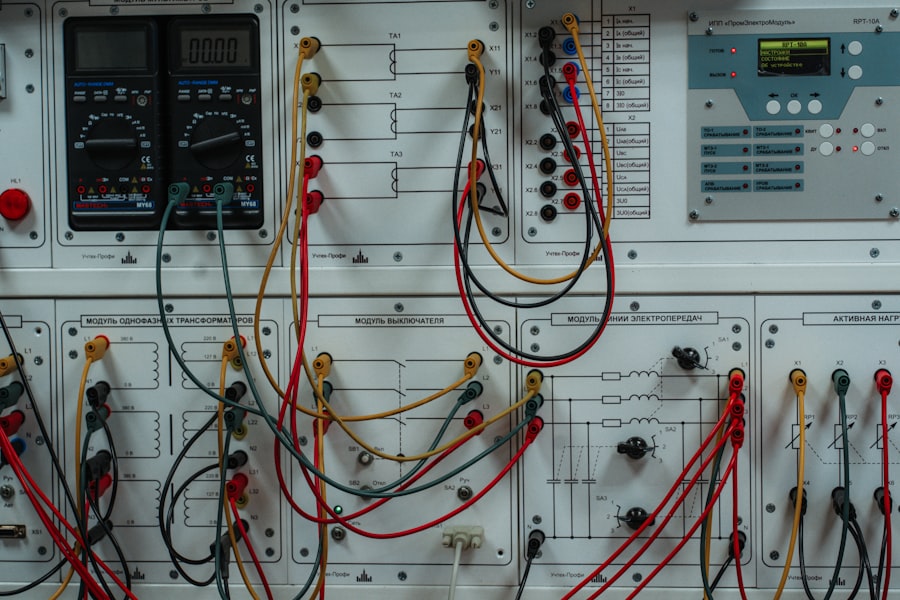
The shift towards smart electrical panels offers a compelling suite of advantages for a wide range of users, from homeowners seeking to reduce their energy bills to businesses aiming for operational efficiency and sustainability. These benefits extend beyond mere convenience, impacting financial savings, environmental responsibility, and overall electrical system reliability.
Enhanced Energy Efficiency and Cost Savings
The granular visibility and control provided by smart panels directly translate into improved energy efficiency. By identifying energy vampires – appliances that consume power even when turned off – and optimizing usage patterns, users can significantly reduce their electricity consumption. This reduction in consumption leads to tangible cost savings on monthly utility bills. For businesses, these savings can be substantial, impacting their bottom line. The ability to participate in demand response programs can also lead to further financial incentives. Imagine a finely tuned engine that burns only the fuel it needs, rather than a sputtering one that wastes energy.
Improved Home and Business Safety
Smart panels offer advanced safety features beyond traditional circuit breakers. Their ability to monitor current trends and detect anomalies can prevent electrical fires and equipment damage before they happen. Predictive maintenance alerts can also help identify potential hazards in the wiring or connected appliances, allowing for timely repairs and mitigating risks. This proactive approach to safety provides a greater sense of security for building occupants.
Increased Grid Stability and Sustainability
By enabling demand response and facilitating the integration of renewable energy sources, smart panels play a vital role in modernizing the electrical grid. Their ability to shed non-essential loads during peak demand helps alleviate stress on the grid, preventing blackouts and brownouts. The optimized use of solar and battery storage reduces reliance on fossil-fuel-based power generation, contributing to a more sustainable energy future. This collective action by numerous smart panels can help stabilize the grid, much like individual trees contributing to the strength of a forest canopy.
Convenience and Peace of Mind
| Metric | Description | Value / Trend | Source / Year |
|---|---|---|---|
| Market Growth Rate | Annual growth rate of smart electrical panels market | 15% CAGR | Industry Report, 2023 |
| Energy Savings | Average reduction in energy consumption using smart panels | 10-20% | Energy Management Studies, 2022 |
| Installation Base | Number of smart electrical panels installed worldwide | Over 2 million units | Market Analysis, 2023 |
| Peak Load Reduction | Reduction in peak electricity demand through smart panel management | Up to 25% | Utility Case Studies, 2023 |
| Integration with Renewable Energy | Percentage of smart panels supporting solar/wind integration | 70% | Technology Survey, 2023 |
| Average Payback Period | Time to recover investment through energy savings | 3-5 years | Financial Analysis, 2022 |
| Remote Monitoring Capability | Percentage of smart panels with IoT-enabled remote monitoring | 85% | Product Specifications, 2023 |
| Customer Satisfaction Rate | Percentage of users satisfied with smart panel performance | 90% | Customer Surveys, 2023 |
The ability to monitor and control energy usage remotely, coupled with the assurance of enhanced safety and predictive maintenance, offers significant convenience and peace of mind. Users can be alerted to potential issues while away from home or business and can take immediate action. This level of control and awareness alleviates the anxiety associated with unexpected power outages or equipment failures.
Support for Electric Vehicle Charging and Home Energy Management Systems
As electric vehicles become more prevalent, smart electrical panels are essential for managing their charging needs. They can intelligently schedule EV charging to off-peak hours or when solar energy is abundant, optimizing energy use and reducing costs. Furthermore, smart panels are often the linchpin in broader home energy management systems, connecting with smart thermostats, lighting controls, and other connected devices to create a truly integrated and intelligent home environment.
As the demand for efficient energy management solutions continues to grow, the emergence of smart electrical panels is revolutionizing how we consume and monitor energy in our homes. These advanced systems not only enhance energy efficiency but also provide homeowners with valuable insights into their energy usage patterns. For those interested in optimizing their technology choices, a related article on selecting the best smartphone for gaming can offer useful tips on how to integrate smart devices into a connected lifestyle. To explore more about this topic, you can read the article here.
Challenges and Future Outlook of Smart Electrical Panels
While the advantages of smart electrical panels are clear, their widespread adoption is not without its hurdles. Addressing these challenges will be crucial for realizing the full potential of this technology and shaping the future of energy management.
Installation Costs and Complexity
The initial cost of a smart electrical panel can be higher than that of a traditional panel. This is due to the integrated electronics, sensors, and communication modules. Furthermore, installation may require a qualified electrician with expertise in smart home technologies, which can add to the overall expense. However, as production scales and technology advances, these costs are expected to decrease, making them more accessible. This is a common trajectory for new technologies, much like early smartphones were expensive novelties.
Interoperability and Standardization
A significant challenge in the smart home and energy management sector has been the lack of universal standards and interoperability between different devices and platforms. While progress is being made, ensuring that smart panels can seamlessly communicate with a wide range of other smart home devices and utility systems remains an ongoing effort. This can be likened to a collection of puzzle pieces that don’t always fit together perfectly, hindering the creation of a complete picture.
Cybersecurity Concerns
With increased connectivity comes increased vulnerability to cyber threats. Ensuring the security of smart electrical panels and the data they collect is paramount. Robust cybersecurity measures must be implemented to protect against unauthorized access and malicious attacks that could compromise system functionality or data privacy. This requires constant vigilance, akin to an ever-present security guard protecting a valuable asset.
Consumer Education and Awareness
Many consumers are still unaware of the capabilities and benefits of smart electrical panels. Educating the public about this technology and its potential to improve energy efficiency, reduce costs, and enhance safety is vital for driving adoption. Demonstrating the tangible benefits through case studies and clear communication will be key.
Future Trends and Innovations
The evolution of smart electrical panels is far from over. Future innovations are likely to include even more advanced AI-driven energy optimization algorithms, enhanced integration with grid-edge devices, and advanced diagnostic capabilities. We may also see the emergence of self-healing electrical systems that can automatically reroute power in the event of localized failures. The potential for integration with autonomous vehicles and decentralized energy grids is also a significant area of development. The trajectory suggests a future where our electrical infrastructure becomes increasingly intelligent, proactive, and responsive to our needs.
FAQs
What is a smart electrical panel?
A smart electrical panel is an advanced electrical distribution board equipped with digital technology that allows for real-time monitoring, control, and management of energy usage within a building.
How do smart electrical panels help with energy management?
Smart electrical panels provide detailed insights into energy consumption, enable remote control of circuits, and can optimize energy use by identifying inefficiencies, thus helping to reduce energy costs and improve overall energy efficiency.
Are smart electrical panels compatible with renewable energy sources?
Yes, many smart electrical panels are designed to integrate seamlessly with renewable energy systems such as solar panels, allowing for better management of energy generation and consumption.
Can smart electrical panels improve home safety?
Yes, smart electrical panels often include features like circuit monitoring, fault detection, and automatic shutoff capabilities, which can enhance electrical safety by preventing overloads and potential fire hazards.
What are the installation requirements for smart electrical panels?
Installation typically requires a licensed electrician, as it involves replacing or upgrading the existing electrical panel. Compatibility with the current electrical system and adherence to local electrical codes are important considerations.