

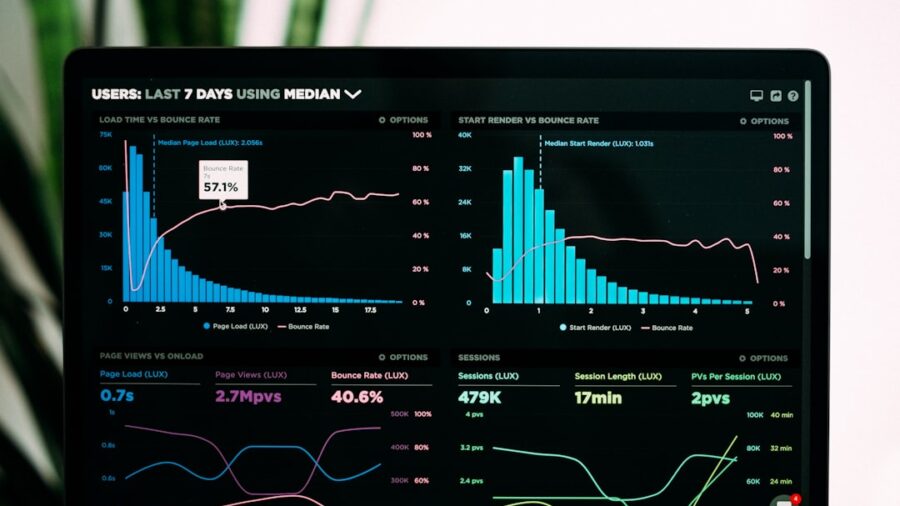
Data engineering has changed a lot, and one of the biggest shifts is moving past the old Extract, Transform, Load (ETL) ways to embrace real-time streaming. This move isn’t just a trend; it’s a response to the massive amounts of data we’re dealing with today and the need for immediate insights.
Basically, we’ve gone from batch processing data periodically to continuously flowing data that’s analyzed as it arrives.
Before we dive into the new stuff, it’s helpful to remember where we came from. ETL was the workhorse of data warehousing for decades, and it still has its place.
What is ETL, Really?
ETL stands for Extract, Transform, Load. It’s a three-step process designed to move data from various sources into a data warehouse or another destination for analysis.
- Extract: This is about pulling data from different systems – think databases, CRM platforms, ERP systems, or even flat files. The goal is to get a raw copy of the data.
- Transform: This is where the magic happens. Data gets cleaned, standardized, aggregated, filtered, and generally prepared for its new home. This might involve converting data types, removing duplicates, joining different datasets, or applying business rules.
- Load: Finally, the transformed data is loaded into the target system, often a data warehouse, where it can be queried and analyzed.
The Strengths of ETL
ETL, for a long time, was the go-to solution for good reason.
- Data Quality and Consistency: The transformation step is crucial for ensuring data is clean and consistent before it hits the data warehouse, which is vital for reliable reporting.
- Historical Data Analysis: ETL is excellent for building historical archives. You can track changes over time and analyze trends without worrying about real-time fluctuations.
- Resource Efficiency (in some cases): Running ETL jobs in off-peak hours meant you weren’t competing with transactional systems for resources. It could be scheduled to minimize impact.
- Well-Established Tools and Practices: There’s a mature ecosystem of tools and a wealth of expertise around traditional ETL, making it relatively straightforward to implement for well-understood problems.
Where ETL Showed its Limits
While robust, ETL had some inherent drawbacks that became more pronounced as data volumes exploded and the demand for speed increased.
- Batch Latency: This is the big one. ETL operates in batches, meaning data is only processed and loaded periodically – hourly, daily, or even weekly. This introduces a significant delay between an event happening and it being available for analysis.
- Scalability Challenges: As data sources and volumes grew, the transformation step in particular could become a bottleneck. Processing massive batches required significant computational resources and often lengthy execution times.
- Complexity with Diverse Data: Handling a wide variety of data types, especially unstructured or semi-structured data, within a rigid ETL framework could be cumbersome and required a lot of custom coding.
- Difficulty with Real-time Decisions: If you need to make decisions based on the most current information – like fraud detection, personalized recommendations, or monitoring system health – traditional ETL simply wasn’t fast enough.
In exploring the advancements in data engineering, it’s essential to consider the broader implications of technology on various fields. A related article that delves into the intersection of creativity and technology is titled “Best Software for 2D Animation.” This piece highlights how modern tools are transforming the animation industry, much like how real-time streaming is revolutionizing data processing. For further insights, you can read the article here: Best Software for 2D Animation.
Key Takeaways
- Clear communication is essential for effective teamwork
- Active listening is crucial for understanding team members’ perspectives
- Conflict resolution skills are necessary for managing disagreements
- Trust and respect are the foundation of a successful team
- Collaboration and cooperation are key for achieving common goals
The Rise of Streaming: A New Paradigm
The world sped up, and so did the need for data. This paved the way for streaming architectures.
What is Data Streaming?
Data streaming is about processing data continuously as it’s generated, rather than waiting for batches to accumulate. Think of it like a river: data flows constantly, and you can tap into that flow at any point to analyze or react to events as they happen.
Key Characteristics of Streaming Data
Understanding these characteristics helps explain why streaming is so different from batch processing.
- Continuous Flow: Data arrives in a constant stream, often in small, individual events or micro-batches.
- Low Latency: The primary goal is to process and make data available for analysis with minimal delay, often in milliseconds or seconds.
- Event-Driven: Streaming systems are often built around the concept of “events” – a user click, a sensor reading, a financial transaction, an API call. Each event is processed individually or in very small groups.
- Immutable Data: Once an event occurs and is recorded in a stream, it’s generally considered immutable. Changes are handled by new events, not by altering past data. This simplifies processing and ensures data integrity.
Why Streaming Became Necessary
The limitations of ETL directly led to the need for streaming.
- Real-time Insights and Actions: Businesses needed to react instantly to changing conditions, customer behavior, or system anomalies. Fraud detection, dynamic pricing, and immediate personalized experiences are impossible with batch processing.
- Increased Data Velocity: The sheer speed at which data is generated by sensors, IoT devices, social media, and web applications overwhelmed traditional batch windows.
- Handling Unpredictable Data Volumes: Streaming architectures are inherently more adaptable to fluctuating data volumes, as they process data continuously rather than waiting for a fixed batch size.
- Microservices Architectures: The rise of microservices, where applications are broken down into smaller, independently deployable services, naturally lends itself to event-driven communication and streaming data pipelines.
From ETL to ELT: A Stepping Stone

Before jumping fully into streaming, many organizations first adopted ELT, which is a hybrid approach.
Understanding ELT
ELT stands for Extract, Load, Transform. The key difference from ETL is the order of operations.
- Extract: Same as ETL, data is pulled from sources.
- Load: The raw, extracted data is loaded directly into a target system, typically a cloud data warehouse or data lake, without significant pre-transformation. These modern data platforms are designed to handle large volumes of raw data efficiently.
- Transform: The transformations happen after the data is loaded into the target system.
This is often done using SQL queries within the data warehouse itself.
The Advantages of ELT
ELT capitalized on the capabilities of modern data platforms.
- Leveraging Cloud Data Warehouse Power: Cloud data warehouses (like Snowflake, BigQuery, Redshift) are incredibly powerful for processing massive datasets. ELT lets you use their compute resources for transformations, often leading to faster processing than traditional on-prem ETL tools.
- Data Flexibility: Since raw data is loaded first, you don’t have to decide all your transformation rules upfront. You can keep the raw data for future use cases or different types of analysis.
This “schema-on-read” approach offers great flexibility.
- Simpler Ingest Pipelines: The initial ingest pipeline becomes simpler as it’s just focused on moving raw data, reducing the complexity of the “E” and “L” steps.
- Improved Agility: Data analysts and scientists can transform data themselves using SQL directly in the data warehouse, making them more self-sufficient and reducing reliance on data engineering teams for every data request.
When ELT Still Falls Short
While better than pure ETL for many scenarios, ELT still has its limits.
- Batch-Oriented: Most ELT implementations are still inherently batch-oriented, albeit with smaller, more frequent batches. You’re still dealing with periodic loads into the data warehouse.
- Latency for Real-time: While faster than traditional ETL, ELT doesn’t provide true real-time insights. There’s still a delay between data generation and its availability for analysis, often minutes or even hours.
- Cost of Storing Raw Data: Storing all raw data, even if not immediately used, can incur significant storage costs in cloud environments.
- Complex Transformation Logic: For very complex, multi-stage transformations or those involving non-SQL operations, ELT might push the complexity onto the data warehouse, potentially impacting query performance or requiring advanced SQL skills.
The Era of Real-Time Streaming Architectures

This is where data engineering truly shines in the modern landscape. We’re talking about processing data as it literally happens.
Core Components of a Streaming Architecture
Building a real-time streaming system involves several specialized components working together.
- Stream Ingestion/Messaging Queues: These are the backbone for receiving and queuing data events reliably. Technologies like Apache Kafka, Amazon Kinesis, and Google Cloud Pub/Sub are central here. They ensure data isn’t lost and can be consumed by multiple downstream applications.
- Stream Processing Engines: These are the brains that perform computations and transformations on the incoming data streams. Apache Flink, Spark Streaming, Kafka Streams, and Google Cloud Dataflow are common examples. They can filter, aggregate, enrich, and join data in real-time.
- Real-time Data Stores/Databases: For storing processed streaming data that needs to be queried quickly, specialized databases are used. This includes NoSQL databases (Cassandra, MongoDB, DynamoDB), time-series databases (InfluxDB), or even specialized analytical databases designed for low-latency queries.
- Monitoring and Alerting: Essential for any real-time system, these components track the health and performance of the streaming pipeline and trigger alerts if anomalies or failures occur.
Benefits of Going Real-Time
The advantages of real-time streaming are transformative for businesses.
- Immediate Business Insights: Get answers to questions as they unfold. Understand customer behavior, system performance, or market trends now, not hours later.
- Proactive Decision Making: Move from reactive problem-solving to proactive intervention. Detect fraud as it happens, personalize offers in the moment, or prevent system outages before they occur.
- Enhanced Customer Experience: Deliver highly personalized and contextually relevant experiences. Think real-time recommendations, dynamic content, or immediate customer support responses.
- Operational Efficiency: Monitor IoT devices, manufacturing processes, or logistics in real-time to optimize operations and reduce waste.
- Competitive Advantage: The ability to leverage the freshest data often translates into a significant edge over competitors relying on slower, batch-oriented systems.
Challenges of Real-Time Streaming
While powerful, streaming isn’t a silver bullet and comes with its own set of complexities.
- Increased Complexity: Designing, building, and maintaining real-time streaming pipelines is significantly more complex than traditional ETL. It requires specialized skills and a deep understanding of distributed systems.
- Data Consistency and Exactly-Once Processing: Ensuring data is processed exactly once, without duplicates or missed events, is a major challenge in distributed streaming environments. This requires careful consideration of fault tolerance and transaction semantics.
- Debugging and Monitoring: Diagnosing issues in a continuously flowing, distributed system can be difficult. Robust monitoring and logging are critical.
- Cost of Infrastructure: Running real-time systems often requires more always-on compute resources, which can be more expensive than batch-scheduled jobs.
- Data Quality in Motion: Cleaning and transforming data as it streams can be challenging. You often need to design robust schema validation and error handling into the pipeline.
- State Management: Many real-time transformations require maintaining “state” (e.g., counting unique users over a window). Managing this state reliably in a distributed, fault-tolerant way is a non-trivial problem.
In the context of modern data engineering, the shift from traditional ETL processes to real-time streaming is crucial for businesses aiming to harness the full potential of their data. This evolution not only enhances data processing efficiency but also allows for more timely decision-making. For those interested in exploring how cutting-edge technology can further enhance user experiences, a related article discusses the innovative features of the Samsung Galaxy S22, which showcases how advancements in technology can unlock new possibilities. You can read more about it here.
The Future: A Hybrid Data Landscape
| Year | Traditional ETL | Real-Time Streaming |
|---|---|---|
| 2010 | Batch processing | Introduction of Apache Kafka |
| 2015 | Rise of Hadoop and MapReduce | Apache Flink and Spark Streaming |
| 2020 | ETL tools dominate | Streaming analytics platforms gain traction |
It’s important to recognize that it’s rarely an “either/or” situation. The future of data engineering is a blend.
Coexistence of Batch and Streaming
Most organizations will continue to use both batch and streaming approaches, each for its strengths.
- Batch for Historical Context: For long-term historical analysis, complex aggregations over vast datasets, and reporting that doesn’t require immediate freshness, batch processing (often via ELT into a data warehouse) remains highly effective and often more cost-efficient.
- Streaming for Real-time Responsiveness: For immediate insights, operational monitoring, and event-driven applications, streaming is indispensable.
- Lambda and Kappa Architectures: These architectural patterns explicitly combine batch and streaming. Lambda architectures process data through both a batch layer (for comprehensive, accurate historical views) and a speed layer (for real-time, approximate views). Kappa architectures simplify this by aiming to process all data through a single streaming pipeline, using the stream itself as the definitive source of truth for both real-time and historical queries.
Emerging Trends and Tools
The field continues to evolve rapidly.
- Unified Batch and Streaming APIs: Tools like Apache Spark and Apache Flink are increasingly offering unified APIs that allow developers to write code once and run it seamlessly on both batch and streaming data, reducing complexity.
- Managed Streaming Services: Cloud providers offer fully managed streaming platforms (e.g., AWS Kinesis, Google Cloud Dataflow, Azure Stream Analytics) that abstract away much of the operational burden, making real-time processing more accessible.
- Data Mesh and Data Products: This organizational and architectural paradigm focuses on decentralizing data ownership and treating data as products, with streaming becoming a key mechanism for data product delivery.
- Real-time Analytics Databases: Databases specifically designed for low-latency queries on streaming data are gaining traction, allowing for immediate analytical insights directly on operational data.
- AI/ML Integration: Integrating real-time machine learning models directly into streaming pipelines for immediate predictions, anomaly detection, and personalized actions.
In essence, data engineering has matured from a world of scheduled, heavy-lifting batch jobs to a dynamic, continuous flow of information. While traditional methods still hold value, the demand for immediate insights has pushed us firmly into the era of real-time streaming, creating more complex but incredibly powerful data architectures. The challenge now is to master this hybrid landscape, choosing the right tool and approach for each specific data problem.
FAQs
What is data engineering?
Data engineering is the process of designing, building, and managing the infrastructure that enables the generation, storage, and analysis of data. It involves the development of systems and processes to extract, transform, and load (ETL) data from various sources into a format that can be easily analyzed.
What is traditional ETL?
Traditional ETL (extract, transform, load) is a batch-oriented process that involves extracting data from various sources, transforming it into a consistent format, and loading it into a data warehouse for analysis. This process typically runs on a scheduled basis, such as nightly or weekly, and is not well-suited for real-time data processing.
What is real-time streaming in data engineering?
Real-time streaming in data engineering involves processing and analyzing data as it is generated, rather than in batch mode. This allows for immediate insights and actions to be taken based on the most up-to-date information. Real-time streaming is often used in applications such as fraud detection, IoT (Internet of Things) data processing, and monitoring systems.
How is data engineering evolving beyond traditional ETL to real-time streaming?
Data engineering is evolving beyond traditional ETL to real-time streaming by leveraging technologies such as Apache Kafka, Apache Flink, and Apache Spark Streaming. These technologies enable data engineers to process and analyze data in real time, allowing for faster insights and more immediate actions based on the data.
What are the benefits of moving beyond traditional ETL to real-time streaming in data engineering?
Moving beyond traditional ETL to real-time streaming in data engineering offers several benefits, including faster insights, more immediate actions based on data, the ability to detect and respond to events in real time, and the ability to handle large volumes of data with low latency. This approach also enables organizations to stay competitive in today’s fast-paced, data-driven business environment.
Enjoying our content? Make us a preferred source on Google:
Add us as a Preferred Source on Google