

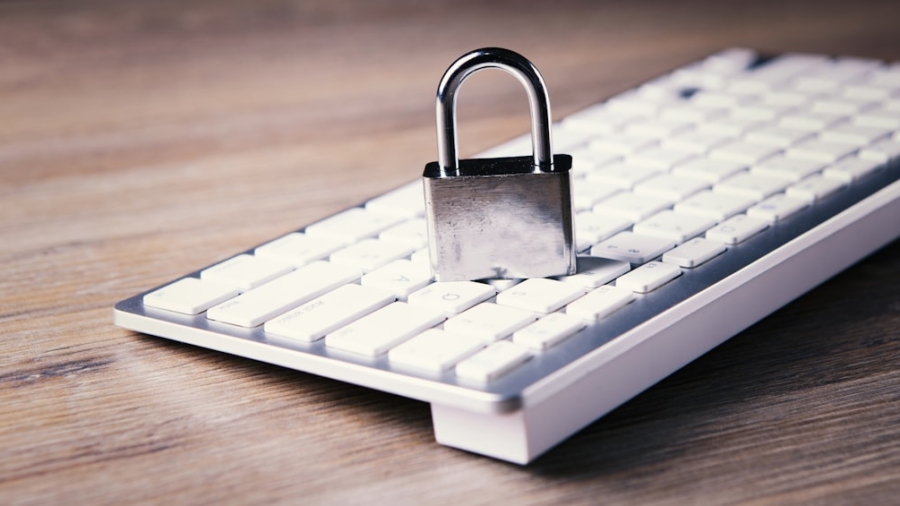
Navigating the digital landscape in schools is a constant balancing act. We want to leverage amazing technology to enhance learning, but we also have a serious responsibility to protect our students’ personal information. So, how do we tackle those data privacy risks that come hand-in-hand with school tech? The good news is, it’s very manageable with a thoughtful approach. It boils down to being informed, implementing clear policies, and making sure everyone involved understands their role. Let’s break down some practical strategies to keep student data safe.
Before we can protect data, we need to know what kind of data we’re dealing with and why it’s so important. Schools collect a lot of sensitive information, and it’s not just about names and addresses anymore.
The Sheer Volume of Student Data
Think about everything a school now uses technology for: enrollment systems, learning management systems (LMS), digital textbooks, educational apps, communication platforms, student information systems (SIS), even attendance trackers and health records. Each of these platforms holds a piece of the puzzle that, when put together, creates a detailed profile of a student. This includes not only academic performance but also potentially disciplinary actions, medical history, and even behavioral patterns observed through online interactions. This aggregation makes the data incredibly valuable, and thus, a prime target for breaches.
Different Types of Sensitive Data
- Personally Identifiable Information (PII): This is your standard stuff – name, date of birth, social security number (though less common directly in school systems, it might be linked), home address, phone numbers. Basic, but crucial for identification.
- Educational Records: Grades, test scores, attendance records, special education plans (IEPs), gifted program information. This tells the story of a student’s academic journey.
- Health Information: Immunization records, allergies, medical conditions that might require accommodations. This is especially sensitive and protected by regulations like HIPAA.
- Biometric Data: Increasingly, schools are using fingerprints for attendance or security. This is a highly sensitive category of data that, if compromised, cannot be changed.
- Student Activity Data: What websites a student visits on school devices, what they do within educational apps, their browsing history, search queries. This can reveal a lot about interests, research topics, and even potential vulnerabilities.
Why Protection is Paramount
Beyond just legal requirements, there are fundamental ethical reasons for safeguarding student data. A data breach can lead to identity theft, reputational damage, and even emotional distress for students and their families.
For minors, the consequences can be particularly severe, as they may not fully understand the implications or have the means to rectify the damage.
Furthermore, a school’s reputation and the trust placed in it by the community hinge on its ability to protect its students, including their digital information.
In the context of enhancing data privacy in educational settings, it is essential to explore various technological tools that can aid in this endeavor. A related article that discusses the capabilities of modern devices in supporting educational needs while maintaining security is available at Experience the Power of Samsung Galaxy Tab S8: The Ultimate Tablet. This article highlights how advanced tablets like the Samsung Galaxy Tab S8 can be utilized in schools, providing insights into their features that help mitigate data privacy risks while fostering an effective learning environment.
Key Takeaways
- Clear communication is essential for effective teamwork
- Active listening is crucial for understanding team members’ perspectives
- Setting clear goals and expectations helps to keep the team focused
- Regular feedback and open communication can help address any issues early on
- Celebrating achievements and milestones can boost team morale and motivation
Policy is King (and Queen!): Setting the Ground Rules
You can’t manage something as complex as data privacy without clear, comprehensive policies. These aren’t just things to stick in a drawer; they need to be actively used and understood by everyone.
Developing a Robust Data Privacy Policy
This goes beyond a simple statement of intent. A good policy needs to be specific and actionable.
- Scope and Applicability: Clearly define what data is covered, which systems it applies to, and who within the school community the policy binds (staff, students, parents, third-party vendors).
- Data Collection and Usage: Outline why specific data is collected, how it will be used, and for how long it will be retained. Transparency is key here. Consent mechanisms should be clearly defined.
- Data Security Measures: Detail the technical and organizational safeguards in place to protect data from unauthorized access, disclosure, alteration, and destruction.
- Third-Party Vendor Management: If you use external platforms or services, the policy must address how you vet these vendors for their privacy and security practices and what contractual obligations they have.
- Breach Notification Procedures: What happens if a breach occurs? The policy should outline reporting requirements, investigation steps, and how affected individuals will be notified.
- Student and Parent Rights: What rights do students and their parents have regarding their data? This includes rights to access, correction, and deletion in some cases.
- Regular Review and Updates: Data privacy is not static. Policies need to be reviewed and updated regularly to reflect changes in technology, regulations, and school practices.
Key Components of a Comprehensive Student Data Privacy Policy
- Purpose Statement: Why does this policy exist? Usually, it’s to comply with laws and protect students.
- Definitions: Define terms like PII, sensitive data, data breach, and third-party vendor clearly.
- Data Inventory and Classification: A critical step is knowing precisely what data you collect, where it’s stored, and how sensitive it is. This informs your security measures.
- Data Minimization Principles: The policy should mandate collecting only the data that is absolutely necessary for a specific educational purpose.
- Consent and Authorization: How will you obtain informed consent from parents (and assent from students, where appropriate) for data collection and use, especially for non-essential purposes?
- Data Retention and Destruction: When and how will data be securely deleted or anonymized once it’s no longer needed?
- Access Controls and Permissions: Who can access what data and under what circumstances? Principles of least privilege should be embedded.
- Auditing and Monitoring: How will you track who accesses data and when?
- Incident Response Plan: A detailed plan for handling data breaches, including steps for containment, investigation, and remediation.
- Training and Awareness: Mandating regular training for all staff on the policy and their responsibilities.
Empowering Your Team: Training and Awareness

Technology is only as secure as the people using it. Investing in your staff and students is crucial for effective data privacy.
Mandatory Staff Training on Data Privacy and Security
This shouldn’t be a one-off event. Staff need ongoing education.
- Understanding the “Why”: Training should emphasize the ethical and legal obligations to protect student data.
It’s not just about following rules; it’s about protecting vulnerable individuals.
- Recognizing Threats: Educate staff on common threats like phishing, social engineering, and the risks of using personal devices for school work.
- Safe Technology Practices: This includes secure password management, being mindful of what information they share online, and understanding the school’s acceptable use policy for digital tools.
- Recognizing and Reporting Incidents: Staff must know how to identify potential data privacy incidents and who to report them to immediately. This includes unusual system behavior or suspicious emails.
- Third-Party Tool Usage: Training should cover the proper use of approved educational apps and platforms, including understanding their data collection practices and limitations.
- Record Keeping and Documentation: For roles that handle sensitive data, training on proper record-keeping and secure data handling procedures is essential.
- Consequences of Non-Compliance: Staff need to understand that there can be serious personal and professional consequences for violating data privacy policies.
Educating Students About Digital Citizenship and Privacy
While staff training is vital, empowering students themselves is a long-term strategy.
- Age-Appropriate Discussions: Tailor lessons on online safety and privacy to the developmental stage of the students. What’s relevant for a kindergartner is different from a high schooler.
- Understanding Personal Information: Teach students what constitutes personal information and why they shouldn’t share it freely online.
- Digital Footprints: Explain the concept of a digital footprint and how their online actions can have lasting consequences.
- Cyberbullying and Online Harassment: Educate them on recognizing and reporting these issues, which can often involve data privacy violations.
- Password Strength and Security: Simple but effective lessons on creating strong, unique passwords and not sharing them.
- Critical Evaluation of Online Content: Encourage students to be skeptical of information they find online and to understand that not all websites are trustworthy.
- Using School-Issued Technology Responsibly: Reinforce the idea that school devices and networks come with expectations of responsible use and adherence to privacy policies.
Technical Safeguards: Building Layers of Defense

Policies and training are the foundation, but you need robust technical measures to actually keep data secure.
This is where cybersecurity best practices come in.
Implementing Strong Access Controls and Authentication
This is about ensuring only the right people can get to the right data.
- Principle of Least Privilege: Grant users only the minimum access necessary to perform their job functions. A teacher doesn’t need access to student financial records, for example.
- Role-Based Access Control (RBAC): Assign permissions based on job roles. This simplifies management and reduces the chance of accidental oversharing.
- Multi-Factor Authentication (MFA): Where possible, implement MFA for accessing sensitive systems. This adds an extra layer of security beyond just a password, like a code sent to a phone.
- Regular Access Reviews: Periodically review user access permissions to ensure they are still appropriate. Remove access for individuals who have left the school or changed roles.
- Secure Password Policies: Enforce strong password requirements (complexity, length) and regular password changes. Also, discouraged password reuse across different systems.
Data Encryption: Locking it Down
Encryption is like putting your data in a coded box that only authorized parties can open.
- Encryption in Transit: Ensure that data transmitted over networks (internal or external) is encrypted. This protects data from being intercepted while it’s moving. Examples include using HTTPS for web traffic and secure protocols for file transfers.
- Encryption at Rest: Encrypt data stored on servers, databases, and devices. If a device is lost or stolen, the data on it will be unreadable without the decryption key.
- Key Management: Implementing secure key management practices is crucial for effective encryption. If encryption keys are compromised, the encryption is useless.
Regular Software Updates and Patching
Outdated software is a major security vulnerability.
- Vulnerability Management: Establish a process for identifying and addressing software vulnerabilities. This includes keeping operating systems, applications, and firmware up to date.
- Automated Patching: Where feasible, automate the patching process to ensure timely application of security updates.
- Testing Updates: Before deploying updates across the entire network, test them in a controlled environment to ensure they don’t cause compatibility issues or introduce new problems.
- End-of-Life Software: Identify and plan for the retirement of software that is no longer supported by the vendor and therefore will not receive security updates.
In exploring effective methods for safeguarding student information, one might find it beneficial to examine related resources that discuss technology in education. For instance, the article on music production software offers insights into how technology can be harnessed creatively while also highlighting the importance of data security in various applications. By understanding these tools, educators can better navigate the complexities of data privacy risks in school technology. You can read more about it in this comprehensive guide.
Third-Party Vendor Management: Trust but Verify
| Strategy | Description |
|---|---|
| Implement Data Encryption | Encrypt sensitive data to protect it from unauthorized access. |
| Regular Data Privacy Training | Provide training to staff and students on data privacy best practices. |
| Use Secure Authentication | Implement strong authentication methods to control access to sensitive data. |
| Regular Data Privacy Audits | Conduct audits to ensure compliance with data privacy regulations and identify potential risks. |
| Implement Data Retention Policies | Establish policies for retaining and disposing of data to minimize privacy risks. |
Schools are increasingly relying on external services and applications. This is a significant area of risk if not managed properly.
Due Diligence in Vendor Selection
Before you even sign a contract, do your homework.
- Privacy and Security Questionnaires: Develop a comprehensive questionnaire to assess a vendor’s data privacy and security practices. Ask about their policies, security certifications, data handling procedures, and incident response plans.
- Reviewing Vendor Privacy Policies: Understand exactly what data the vendor collects, how they use it, who they share it with, and how they protect it.
- Certifications and Audits: Look for vendors who have relevant security certifications (e.g., SOC 2, ISO 27001) or can provide audit reports demonstrating their compliance.
- Reputation and Track Record: Research the vendor’s reputation in the industry and look for any past data breaches or security incidents.
Contractual Safeguards and Data Processing Agreements (DPAs)
Your contract is your legal shield.
- Data Ownership Clarification: Clearly define who owns the student data – it should almost always be the school.
- Data Use Limitations: Specify that the vendor can only use the data for the agreed-upon educational service and not for their own marketing or other purposes.
- Security Requirements: Include specific security requirements that the vendor must adhere to, such as encryption standards, access controls, and breach notification timelines.
- Breach Notification Clauses: Mandate prompt notification of any data breaches affecting student data.
- Data Deletion and Return: Specify how and when the vendor will securely delete or return all student data upon termination of the contract.
- Subcontractor Management: If the vendor uses subcontractors, ensure your contract addresses how they manage their subcontractors’ data privacy and security.
- Right to Audit: Include a clause that allows the school to audit the vendor’s compliance with the contract’s privacy and security provisions.
Incident Response: Being Prepared for the Worst
No matter how good your defenses are, the possibility of a data breach always exists. Having a plan in place is essential for minimizing damage.
Developing a Comprehensive Incident Response Plan
This needs to be a living document, tested and refined.
- Clear Roles and Responsibilities: Define who is responsible for what during an incident, from initial detection to recovery and communication. This includes a designated incident response team.
- Detection and Analysis: Outline how potential incidents will be detected and the steps for analyzing their scope and impact.
- Containment: Mechanisms for isolating affected systems and preventing further data loss or compromise.
- Eradication: Steps to remove the threat (e.g., malware, unauthorized access).
- Recovery: Plans for restoring affected systems and data to their normal operational state.
- Notification Procedures: As mandated by policy and law, detail how and when affected individuals (students, parents, staff, regulatory bodies) will be notified. This includes a communication plan.
- Post-Incident Analysis and Lessons Learned: After the immediate crisis is over, conduct a thorough review of the incident to identify what went wrong, what worked well, and how to improve future responses.
Practicing and Testing Your Incident Response Plan
A plan on paper is only useful if it’s put into practice.
- Tabletop Exercises: Conduct simulated breach scenarios where the incident response team walks through the steps of the plan without actually impacting systems. This helps identify gaps and refine procedures.
- Drills and Simulations: More advanced exercises can involve testing specific components of the plan, such as communication channels or containment procedures.
- Regular Review and Updates: As technology, threats, and organizational structures change, the incident response plan must be updated accordingly. This often follows a post-incident analysis.
- Legal and Public Relations Consultation: Ensure your incident response plan includes consultation with legal counsel and potentially a PR firm to manage external communications effectively and compliantly.
By focusing on these strategies, schools can confidently embrace the benefits of educational technology while providing a secure and safe environment for their students and their data. It’s an ongoing commitment, but one that’s absolutely vital in today’s digital world.
FAQs
What are data privacy risks in school technology?
Data privacy risks in school technology refer to the potential for unauthorized access, use, or disclosure of sensitive student and staff information. This can include personal data, academic records, and other confidential information.
What are some common data privacy risks in school technology?
Common data privacy risks in school technology include unauthorized access to student records, data breaches, inadequate security measures, and the potential for misuse of personal information by third-party vendors or service providers.
How can schools mitigate data privacy risks in their technology systems?
Schools can mitigate data privacy risks in their technology systems by implementing strong security measures, such as encryption and multi-factor authentication, conducting regular security audits, providing staff and student training on data privacy best practices, and carefully vetting third-party vendors and service providers.
What are the legal requirements for data privacy in schools?
Schools are required to comply with various federal and state laws, such as the Family Educational Rights and Privacy Act (FERPA) and the Children’s Online Privacy Protection Act (COPPA), which govern the collection, use, and disclosure of student information. These laws require schools to implement specific data privacy protections and provide individuals with certain rights regarding their personal information.
What are the potential consequences of failing to address data privacy risks in school technology?
Failing to address data privacy risks in school technology can lead to serious consequences, including data breaches, legal and regulatory penalties, damage to the school’s reputation, and potential harm to students and staff whose personal information is compromised. It can also result in loss of trust from parents and the community.
Enjoying our content? Make us a preferred source on Google:
Add us as a Preferred Source on Google